 English
 Spanish
 Portuguese
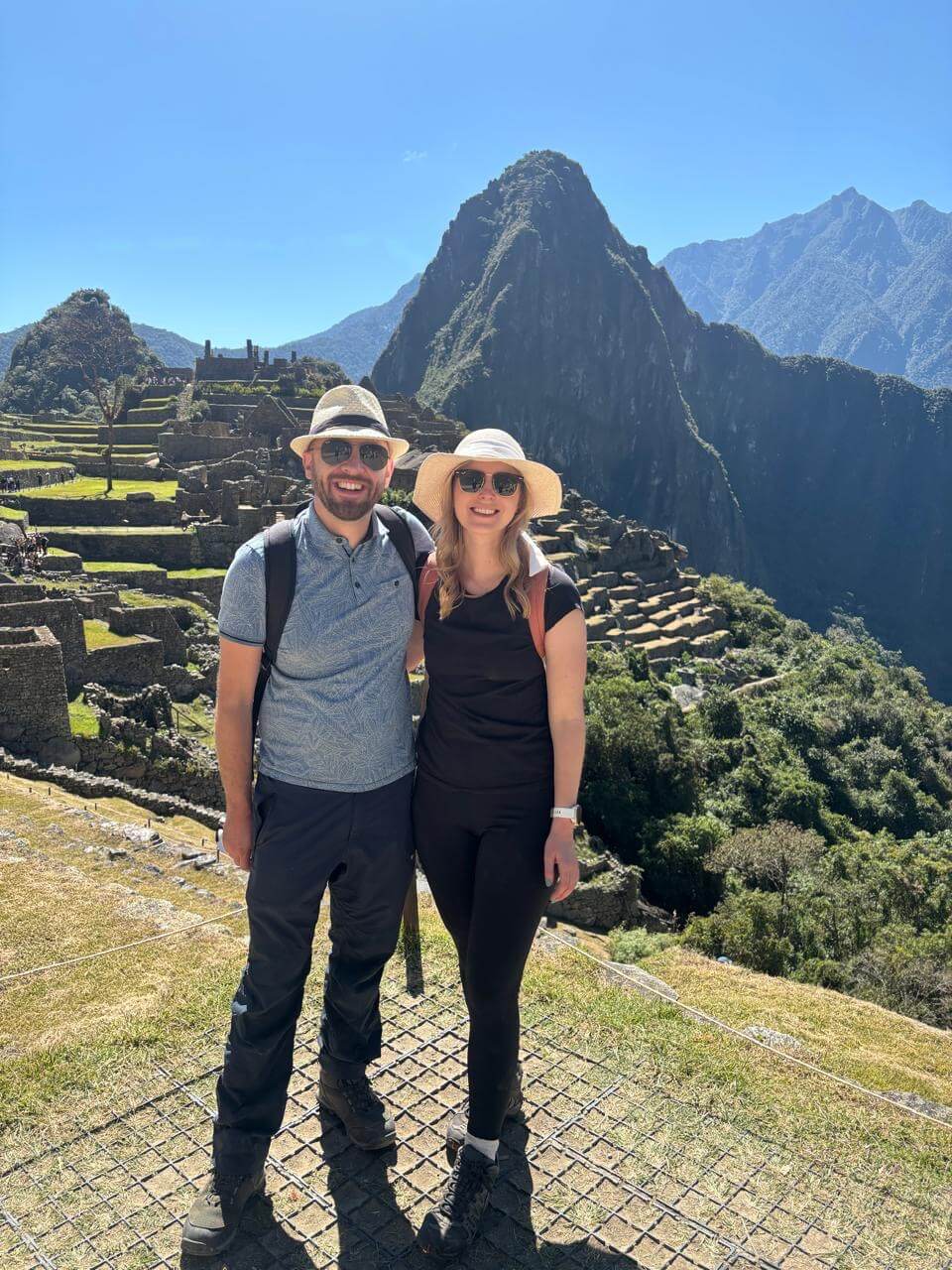

Visiting Machu Picchu in July is a dream for many travelers—and for good reason. July sits firmly in the heart of the Andean dry season, bringing clear skies, dramatic mountain views, and reliable trekking conditions. It is also the busiest month of the year, a time when Peru’s most famous archaeological site feels both electric and demanding, rewarding and logistically complex.
July is not a month you simply “drop by” Machu Picchu. It requires planning, patience, and realistic expectations. In return, it offers some of the most photogenic conditions you will ever see in the Andes, crisp mornings that slowly reveal the citadel through drifting mist, and a deep sense of connection to Peru’s cultural calendar, as festivals ripple through nearby towns and cities.
This guide is written for travelers who want the full picture—not just whether July is “good” or “bad,” but how it truly feels to be there, what challenges to expect, and how to experience Machu Picchu intelligently during the peak of the season.
Understanding July in the Andes
July is winter in Peru, but that word can be misleading for travelers from North America or Europe. In the Andes, winter does not mean snowstorms or gloomy days. Instead, it means dry air, strong sun, cold nights, and exceptionally clear visibility.
Machu Picchu sits at approximately 2,430 meters (7,970 feet) above sea level, lower than nearby Cusco, which lies at 3,400 meters. This lower elevation gives Machu Picchu a slightly milder climate, but July still brings pronounced temperature swings between day and night.


Rain is rare. When it does appear, it usually takes the form of brief, light showers rather than sustained downpours. This dryness is the primary reason July is so popular with hikers and photographers.
Weather in Machu Picchu in July
Daytime Conditions
July days at Machu Picchu are generally sunny, with daytime temperatures ranging from 18°C to 22°C (64°F to 72°F). When the sun is out—and it usually is—it feels warm, even hot, especially when walking uphill or standing in exposed areas of the ruins.
The sun at this altitude is intense. Even in cool air, ultraviolet exposure is strong, and travelers often underestimate how quickly they can burn.
Mornings and Evenings
Early mornings can be cold, particularly if you are arriving for sunrise. Temperatures before 7:00 am may drop to 5°C–8°C (41°F–46°F), and the damp air can make it feel colder. Gloves, a warm layer, and patience are essential while waiting for the site to open or for mist to lift.
Evenings cool rapidly once the sun dips behind the mountains. If you are staying in Aguas Calientes, you will notice the chill after sunset.
Mist and Visibility
One of July’s defining features is the interplay between clear skies and early-morning mist. It is common for Machu Picchu to be partially obscured when it first opens, only to gradually reveal itself as the sun rises. This can be frustrating for those hoping for immediate postcard views, but many seasoned travelers consider this slow unveiling part of the magic.
Why July Is the Busiest Month at Machu Picchu
July is peak season for a reason, but that popularity comes with consequences.

Several factors converge during this month:
- Summer holidays in North America and Europe
- Peru’s national school vacations
- Major cultural celebrations
- Ideal trekking conditions
Daily visitor limits are strictly enforced at Machu Picchu, yet demand still far exceeds supply. Tickets regularly sell out weeks or months in advance, particularly for early entry times and combined hikes.
Crowds are most noticeable between 9:00 am and 1:00 pm, when tour groups arrive en masse from Cusco and the Sacred Valley.
Navigating Crowds Without Ruining the Experience
Crowds in July are real, but they are not uniform across the site or throughout the day.
Entry Time Strategy
The earliest entry slots (6:00 am–7:00 am) are highly sought after for good reason. Fewer people, softer light, and cooler temperatures make this the most pleasant window. Late afternoon entries, particularly after 2:00 pm, can also be quieter as many day-trippers depart.
Circuit Selection
Machu Picchu now operates on fixed visitor circuits, each offering different perspectives. Some routes prioritize classic viewpoints, while others emphasize urban or agricultural sectors. Choosing a circuit that aligns with your interests—not just famous photos—can significantly affect how crowded your experience feels.


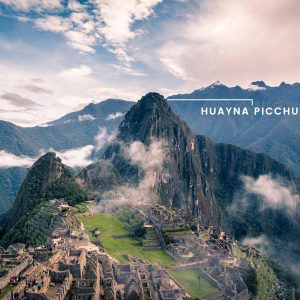
Huayna Picchu and Machu Picchu Mountain
Add-on hikes such as Huayna Picchu or Machu Picchu Mountain limit visitor numbers even further. These climbs require separate tickets but offer relative solitude and sweeping views that justify the effort.
July and the Inca Trail
The Inca Trail reaches peak demand in July. Dry conditions make the trail safer and more enjoyable, with fewer muddy sections and clearer mountain views. However, permits often sell out months in advance—sometimes as early as January for July dates.
Hiking in July means cold nights at camp, sometimes dropping below freezing. Proper gear is essential, especially for early morning starts to reach the Inti Punku at sunrise.
Alternative treks such as the Salkantay or Lares routes also see high traffic, but they are less regulated and may offer more availability for last-minute planners.
Festivals and Cultural Events in July
July is one of Peru’s most festive months, adding cultural depth to a Machu Picchu visit.
Inti Raymi and Its Afterglow
Although Inti Raymi is celebrated on June 24, its influence lingers into early July. Cusco remains animated with performances, markets, and cultural displays that attract visitors from across the country.
Peruvian Independence Day
Peru celebrates Independence Day on July 28 and 29, and the lead-up to these dates brings parades, fireworks, and domestic tourism. Hotels and transport around Cusco and the Sacred Valley often fill quickly during this period, and prices can rise accordingly.
Costs and Value in July
July is the most expensive time to visit Machu Picchu. Accommodation prices increase, guided tours command premiums, and train tickets can sell out or surge in price.
That said, many travelers feel the cost is justified by the reliability of the weather and the overall experience. There is a tangible sense of energy in July—a feeling that you are participating in a global pilgrimage to one of the world’s great places.
What to Pack for Machu Picchu in July
Packing correctly for July can make the difference between discomfort and delight.
Essentials include:
- Lightweight down or insulated jacket
- Moisture-wicking base layers
- Sun hat and high-SPF sunscreen
- Comfortable hiking shoes with good grip
- Reusable water bottle
- Gloves and a warm hat for early mornings
Rain gear is still wise, but it can be lighter than what you would bring in the wet season.
Is July the Right Time for You?
July is ideal for travelers who value clear weather, are comfortable with crowds, and are willing to plan well in advance. It rewards photographers, hikers, and first-time visitors who want to see Machu Picchu at its most visually dramatic.
However, those seeking solitude, flexibility, or lower costs may find shoulder months more appealing.
Machu Picchu Tickets in July: What Sells Out First and How to Secure Entry
July leaves no room for spontaneity when it comes to Machu Picchu tickets. Peru’s Ministry of Culture enforces strict daily limits, and during peak season those allocations are often exhausted weeks in advance.
The first tickets to disappear are the early-morning entry slots, particularly those paired with add-on hikes. Huayna Picchu tickets are the most competitive, followed closely by Machu Picchu Mountain. If these hikes are a priority, booking two to three months ahead is not excessive—it is prudent.
Standard entry tickets without hikes are more flexible, but even these can sell out during the second half of July, especially around Peru’s Independence Day holidays.
The current ticketing system operates on timed entry and fixed circuits. You are allowed to enter once and follow your assigned route; re-entry is not permitted. In July, adherence to these rules is strictly monitored.
Choosing the Right Circuit in July
Not all circuits deliver the same experience during peak season. Circuits that include the upper terraces—the classic panoramic viewpoint—are the most congested. Lower circuits focusing on residential and agricultural zones tend to feel calmer and allow for more contemplative exploration.
If photography is your priority, early-morning upper circuits are ideal. If you prefer historical immersion and fewer crowds, mid-morning or afternoon lower circuits can be surprisingly rewarding.
Read more: Machu Picchu Circuits explained
Train Travel to Machu Picchu in July
Most travelers reach Machu Picchu via train through the Sacred Valley. In July, trains are full, punctuality matters, and flexibility is limited.
Trains typically depart from Ollantaytambo or Urubamba, following the Urubamba River toward Aguas Calientes. The journey itself is scenic, with snow-dusted peaks visible in the distance during early July mornings.
Morning departures sell out first, particularly those timed to match early Machu Picchu entry slots. Return trains in the late afternoon and early evening are also in high demand, as most visitors leave the same day.
Booking round-trip tickets well in advance is essential. In July, there is little chance of finding last-minute seats, especially if you are traveling as a couple or family.
Read: Train to Machu Pichu.
Staying Near Machu Picchu in July
Aguas Calientes: Convenience Over Charm
Most visitors stay in Aguas Calientes, officially renamed Machu Picchu Pueblo. In July, the town operates at full capacity. Hotels are busy, restaurants are packed, and prices are at their annual peak.
The advantage of staying here is logistical simplicity. Early bus access to the citadel, proximity to the train station, and the ability to enter Machu Picchu at dawn make Aguas Calientes a practical choice despite its crowded feel.
Noise can be an issue in July. Choosing accommodation slightly away from the main train corridor can make a noticeable difference in sleep quality.
Sacred Valley Alternatives
Some travelers opt to stay in the Sacred Valley and visit Machu Picchu as a long day trip. While feasible, this approach requires very early departures and late returns. In July, delays and congestion can amplify fatigue.
If your itinerary allows, one night in Aguas Calientes remains the least stressful option.
What Machu Picchu Feels Like at Different Times of Day in July
Understanding the rhythm of the day is key to managing expectations.
Sunrise (6:00–8:00 am)
Early mornings are cold and atmospheric. Mist often blankets the ruins, and visibility can be limited at first. As the sun rises, the clouds gradually lift, revealing the stone terraces in stages. This is one of July’s most memorable experiences, even if it requires patience.
Midday (9:00 am–1:00 pm)
This is peak congestion. Tour groups dominate the upper viewpoints, and popular photo spots become crowded. The sun is strong, and shade is limited. Travelers sensitive to crowds may find this period challenging.
Afternoon (2:00–4:00 pm)
Crowds thin noticeably as day-trippers begin their return journey. Light softens, shadows lengthen, and the site regains a sense of calm. Afternoon entry is often overlooked but can be deeply satisfying in July.
Photography Tips for Machu Picchu in July
July offers some of the year’s best photographic conditions, but it also presents unique challenges.
The dry air enhances clarity, making distant peaks crisp and well-defined. Colors are cooler than in the rainy season, with stonework appearing pale gray against deep blue skies.


Early morning mist can create dramatic compositions, but it may obscure classic views initially. Photographers should resist the urge to rush—some of the most compelling images occur as the fog lifts unevenly.
By midday, harsh light can flatten textures. If you are shooting during this time, focus on details: stone joints, staircases, and architectural lines rather than wide panoramas.
In the afternoon, backlighting creates striking silhouettes, especially of Huayna Picchu rising behind the ruins.
Hiking Add-Ons in July: What to Expect
July is the safest and most popular month for hiking within the Machu Picchu complex.
Huayna Picchu
Steep, exposed, and unforgettable, Huayna Picchu offers a short but intense climb. In July, dry stone steps reduce slipping risk, but crowds can cause bottlenecks on narrow sections. Rangers manage traffic carefully, and patience is required.
Machu Picchu Mountain
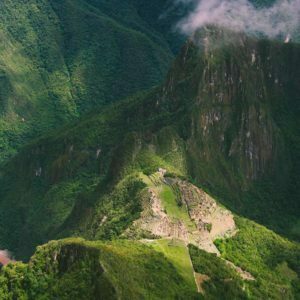
This longer, steadier ascent is less crowded and offers expansive views of the entire valley. July’s clear weather makes the effort worthwhile, especially for travelers who prefer space and time to absorb the landscape.
Both hikes add several hours to your visit. Plan your train return accordingly, and bring more water than you think you need.
Health, Altitude, and Comfort in July
Machu Picchu’s elevation is moderate, but most travelers arrive from higher altitudes such as Cusco. July’s cold mornings and dry air can exacerbate dehydration and fatigue.
Drinking water consistently, dressing in layers, and allowing time for acclimatization remain essential. July’s weather reduces the risk of heat exhaustion compared to summer months, but sun exposure is more intense.
Is July Worth the Crowds?
For many travelers, July represents Machu Picchu at its most iconic. The clarity of the landscape, the reliability of conditions, and the cultural vibrancy of Peru during this month create an experience that feels both monumental and celebratory.
Yet it is not a quiet encounter. July demands early alarms, advance planning, and emotional flexibility. The reward is seeing Machu Picchu in the light and clarity that made it world-famous.
Sample July Itinerary: A Balanced Approach
A well-paced July itinerary might include:
- Two nights in Cusco for acclimatization
- One night in the Sacred Valley
- One night in Aguas Calientes
- Early-morning Machu Picchu entry with a late-afternoon departure
This structure balances comfort with efficiency and reduces the stress of peak-season logistics.
Frequently Asked Questions About Machu Picchu in July
Is July a good time to visit Machu Picchu?
Yes—July is considered one of the best months to visit Machu Picchu in terms of weather and visibility. It falls in the heart of the dry season, offering clear skies, minimal rainfall, and excellent conditions for hiking and photography. The main drawback is crowd density, as July is the busiest month of the year.
How crowded is Machu Picchu in July?
July is peak season. Expect large crowds, especially between 9:00 am and 1:00 pm. Early-morning and late-afternoon entry slots are noticeably calmer, and add-on hikes such as Machu Picchu Mountain or Huayna Picchu tend to feel less congested due to strict visitor limits.
Do Machu Picchu tickets sell out in July?
Yes, tickets frequently sell out in July. Early entry times and tickets combined with Huayna Picchu or Machu Picchu Mountain are often unavailable weeks or months in advance. Booking as early as possible is strongly recommended, particularly if your travel dates fall near Peru’s Independence Day at the end of the month.
What is the weather like at Machu Picchu in July?
July weather is dry and generally sunny. Daytime temperatures typically range from 18°C to 22°C (64°F–72°F), while early mornings and evenings can be cold, sometimes dropping below 8°C (46°F). Rain is rare, but morning mist is common and usually clears as the day progresses.
Is July too cold to visit Machu Picchu?
No, July is not too cold during the day, but mornings can feel chilly, especially at sunrise. Layered clothing is essential. Once the sun is up, temperatures warm quickly, and walking the site often feels comfortable or even warm.
Is Machu Picchu open in July?
Yes, Machu Picchu is fully open in July. Unlike February, when the Inca Trail closes for maintenance, July has no seasonal closures. All official circuits and hikes operate normally, subject to daily ticket limits.
Is the Inca Trail good in July?
July is one of the best months to hike the Inca Trail due to dry conditions and clear mountain views. However, permits are extremely limited and often sell out months in advance. Nights on the trail can be very cold, so proper gear is essential.
Are there festivals in July that affect travel plans?
Yes. July coincides with Peru’s Independence Day celebrations on July 28 and 29, which increase domestic travel. Transportation, hotels, and Machu Picchu tickets are in especially high demand during this period. Earlier in the month, Cusco still carries energy from Inti Raymi celebrations, adding cultural interest but also more visitors.
Is July a good month for photography at Machu Picchu?
July is excellent for photography. Dry air provides sharp visibility, deep blue skies, and well-defined mountain backdrops. Early morning mist can create dramatic scenes, while afternoon light produces strong contrasts and silhouettes. Midday light can be harsh, so photographers may prefer early or late entry times.
Should I stay in Aguas Calientes in July?
Staying in Aguas Calientes is highly recommended in July, especially if you want an early entry slot. While the town is crowded and prices are higher, the convenience of being close to the entrance buses and train station significantly reduces stress during peak season.
Is Machu Picchu worth visiting in July despite the crowds?
For many travelers, yes. July offers the most reliable weather and the clearest views of the ruins and surrounding mountains. While crowds are unavoidable, careful planning—early entry, the right circuit, and realistic expectations—can result in a deeply rewarding experience that showcases Machu Picchu at its most visually striking.
Can you visit Machu Picchu in July without a guide?
Yes, guides are optional. However, during peak season, a knowledgeable guide can add value by managing timing, navigating busy areas efficiently, and providing historical context that enhances understanding of the site. Guided visits are especially useful for first-time visitors.
How far in advance should I plan a July trip to Machu Picchu?
Ideally, begin planning three to four months in advance. This allows time to secure Machu Picchu tickets, train reservations, and accommodation—particularly if July dates are fixed or if you want specific entry times or hikes.
Final Thoughts on Machu Picchu in July
Machu Picchu in July is not about discovering a hidden secret. It is about standing at one of the world’s most celebrated places at the height of its allure, fully aware that you are sharing it with others who have traveled just as far to be there.
If you plan carefully, accept the realities of peak season, and embrace the rhythm of the Andes, July can deliver a Machu Picchu experience that feels vivid, powerful, and profoundly memorable—an encounter shaped as much by the landscape as by the moment in which you choose to witness it.