 English
 Spanish
 Portuguese
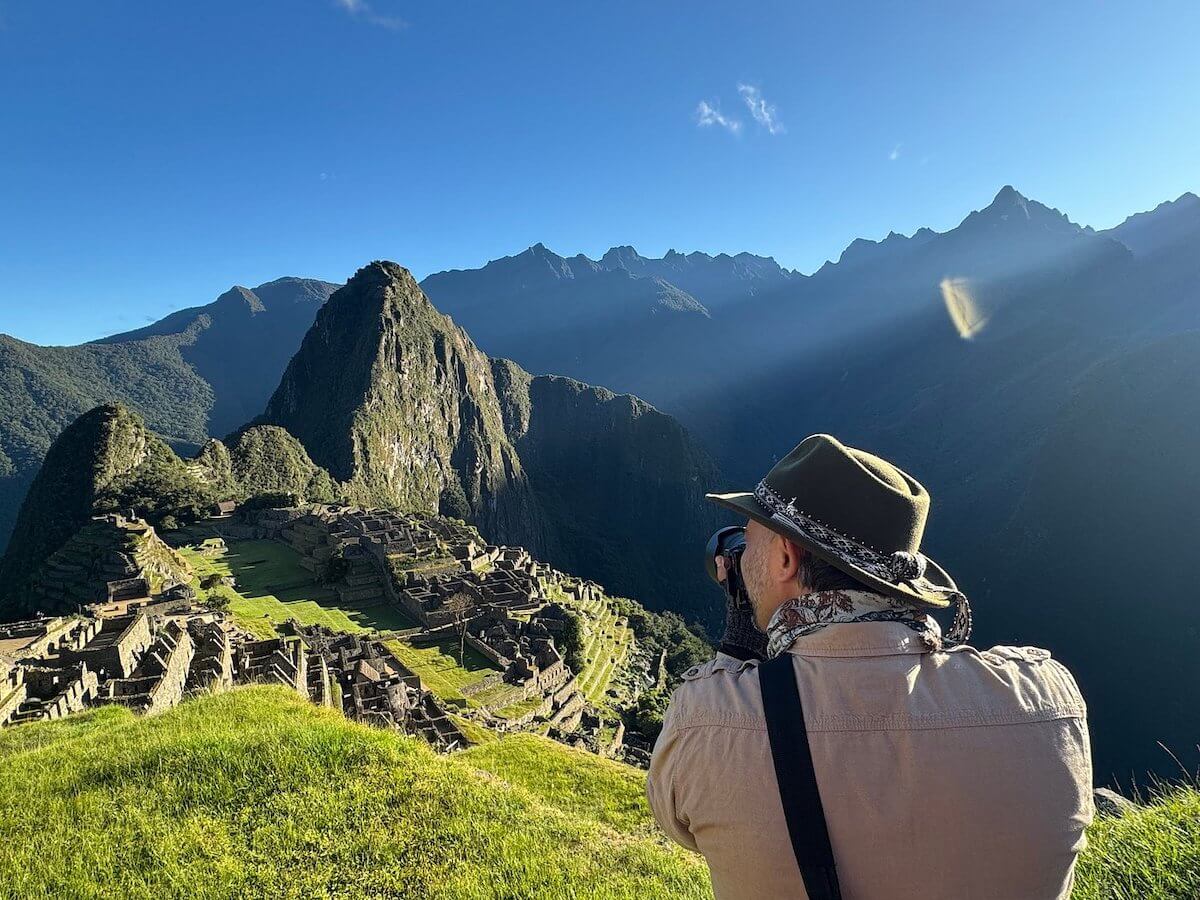

June is one of the most consequential months to visit Machu Picchu. It marks the full arrival of the Andean dry season, delivers some of the clearest mountain views of the year, and coincides with the most important cultural celebrations in southern Peru. For many travelers, Machu Picchu in June represents the ideal balance of predictable weather and living tradition—even as it brings heavier crowds and stricter logistics.
This is not a shoulder-season compromise or a “good enough” month. June is peak season for a reason. Understanding exactly what that means on the ground—how the weather behaves hour by hour, how crowds move through the citadel, what tickets sell out first, and how local festivals affect transportation—can be the difference between a once-in-a-lifetime experience and a frustrating scramble.
What follows is a comprehensive, on-the-ground guide to Machu Picchu in June, written for travelers who want to arrive informed, prepared, and confident.
Why June Is Such a Popular Month to Visit Machu Picchu
June sits at the heart of Peru’s high season. By this point, the rains that dominate the Andes from November through March have completely retreated, leaving crisp mornings, stable skies, and dry trails. The surrounding peaks sharpen into view, the stone terraces glow under high-altitude sunlight, and hiking routes reach their most reliable condition.
For first-time visitors especially, June offers reassurance. The likelihood of weather-related disruptions is low, photography conditions are excellent, and the archaeological site operates at full capacity. Tour operators, guides, and transportation networks are fully staffed and running on peak schedules.


But popularity comes with trade-offs. June is also when international tourism surges, prices rise, and advance planning becomes non-negotiable. The month demands intention rather than spontaneity.
Weather in Machu Picchu in June: What the Dry Season Really Feels Like
June weather in Machu Picchu is often described simply as “dry and sunny,” but that shorthand misses important nuance—especially for travelers unfamiliar with Andean microclimates.
Daytime Conditions
During daylight hours, June temperatures in Machu Picchu typically range between 18°C and 22°C (64°F to 72°F). Under direct sun, it can feel warmer, particularly when climbing stairs or walking exposed terraces. UV radiation at this altitude is intense, even when temperatures are mild.
Skies are usually clear or lightly clouded, and rain is uncommon. When it does appear, it tends to be brief and localized rather than the prolonged downpours of the wet season.
Early Mornings and Evenings
Morning temperatures can drop significantly, especially before sunrise. Visitors entering Machu Picchu at opening time often encounter air closer to 8°C–10°C (46°F–50°F). The contrast between cold shade and warm sun is one of June’s defining characteristics.
In nearby Cusco, nights are colder still, frequently approaching freezing. This affects packing decisions, hotel comfort, and early departures.
Humidity and Visibility
Humidity in June is low. This makes physical activity easier and reduces the oppressive feeling common during rainy months. Visibility is generally excellent, particularly in the mid-morning once any residual valley mist lifts.
The iconic “cloud reveal” effect—where fog parts to unveil the citadel—still happens in June, but it is less frequent and usually dissipates quickly.


Crowds in June: What Peak Season Looks Like on the Ground
June is one of the busiest months of the year at Machu Picchu, alongside July and August. Understanding how crowds actually move through the site helps set realistic expectations.
Daily Visitor Limits and Entry Slots
Machu Picchu operates under a strict timed-entry system with daily caps. In June, these quotas almost always sell out well in advance, especially for morning slots.
Crowds are most concentrated between 9:00 a.m. and 1:00 p.m., when tour groups from Cusco and the Sacred Valley arrive in succession. Early-morning and late-afternoon slots offer a noticeably calmer atmosphere.
Inside the Citadel
Even on busy days, Machu Picchu rarely feels chaotic everywhere at once. The site is large, and visitor flow is controlled through one-way circuits. However, certain viewpoints—particularly the classic postcard terrace—can feel congested.
Patience is essential. Photo opportunities still exist, but they require waiting rather than wandering freely.
The Trade-Off
What June sacrifices in solitude, it compensates for with clarity. Clear skies mean the ruins are fully visible, mountains stand unobstructed, and the experience feels visually complete. For many travelers, that trade-off is worthwhile.
Festivals and Cultural Life in June: Inti Raymi and Beyond
June is not only about weather. It is the most culturally significant month of the year in the Andes.
Inti Raymi: The Festival of the Sun
On June 24, Cusco hosts Inti Raymi, a grand reenactment of an Inca solstice ceremony honoring the sun god Inti. Thousands of performers in elaborate costumes fill the streets and archaeological sites, drawing spectators from across Peru and abroad.
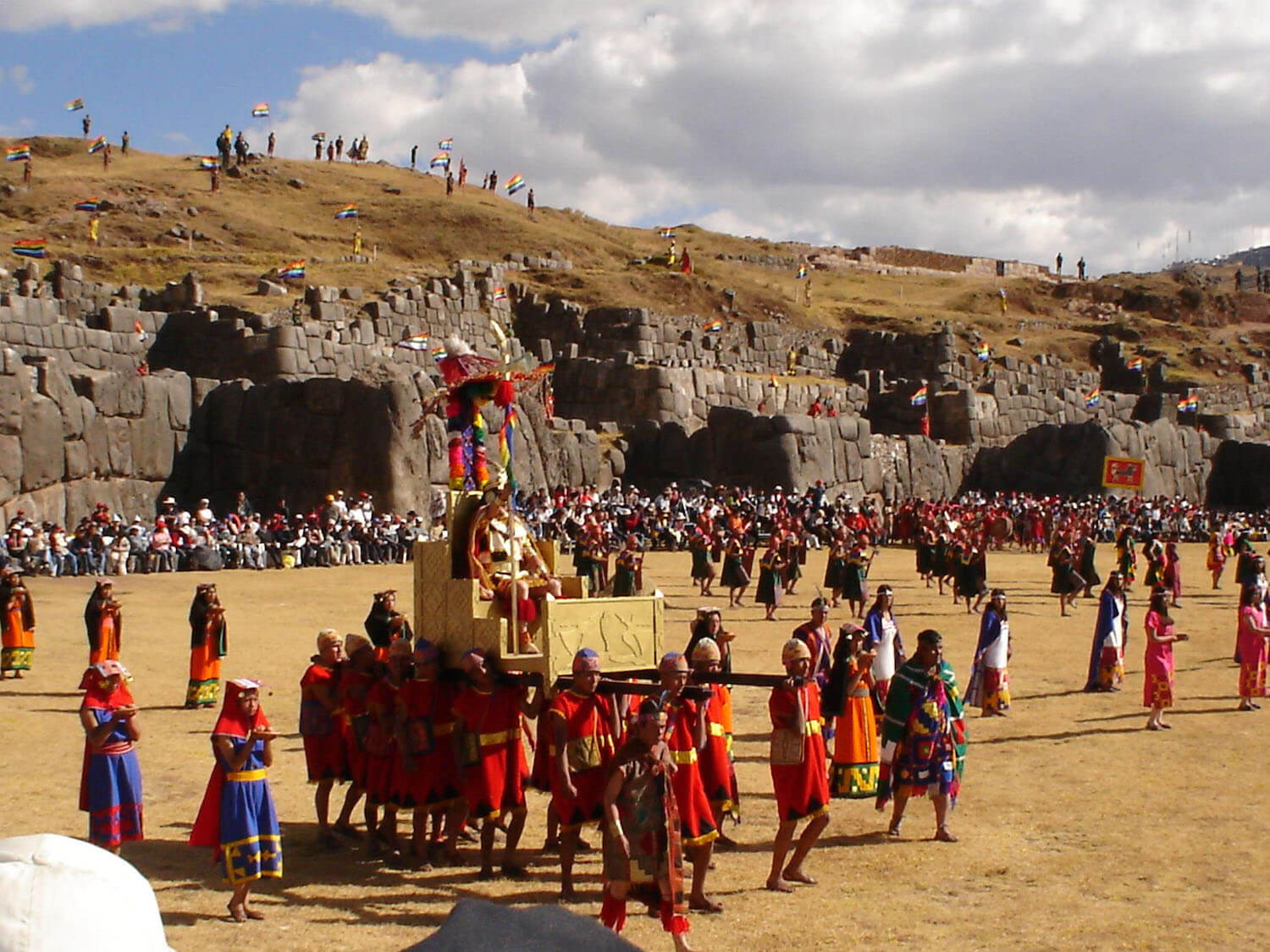

While Inti Raymi does not take place at Machu Picchu itself, its impact is felt throughout the region. Hotels book out months ahead, transportation becomes busier, and prices rise accordingly.
For travelers interested in living culture rather than ruins alone, aligning a Machu Picchu visit with Inti Raymi adds an extraordinary dimension to the trip.
Local Celebrations and Atmosphere
Beyond Inti Raymi, June is filled with smaller neighborhood festivities, music, parades, and traditional food. Cusco feels energized rather than merely touristic. The city becomes part of the experience rather than just a logistical base.
Hiking to Machu Picchu in June: Inca Trail and Alternatives
June is arguably the best month for trekking in the Andes. Trails are dry, river crossings are manageable, and landslides are rare.
The Classic Inca Trail
The Inca Trail is at its absolute peak in June. Weather conditions are near-perfect, with cold nights and sunny days.
However, permits are extremely limited and often sell out months in advance—sometimes as early as January or February for June dates. Spontaneous bookings are virtually impossible.
Alternative Treks
Routes such as the Salkantay Trek, Lares Trek, and Inca Jungle are also popular in June. These options offer more flexibility and often less crowding, though they still require advance planning.
Dry conditions make high passes safer, but cold nighttime temperatures mean proper gear is essential.
What to Wear to Machu Picchu in June
Packing for Machu Picchu in June requires layering rather than bulk.
Essential Clothing
Lightweight, breathable hiking pants or trousers are ideal. Short sleeves are comfortable during midday, but long sleeves offer sun protection. A fleece or insulated jacket is crucial for early mornings.
A compact rain jacket is still advisable—not because rain is likely, but because mountain weather can change quickly.
Footwear
Comfortable, broken-in walking shoes or light hiking boots with good grip are recommended. Trails and stone steps can be uneven, and dry season dust can make surfaces slippery.
Accessories
A wide-brimmed hat, sunglasses with UV protection, and sunscreen are non-negotiable. At this altitude, sun exposure is significantly stronger than many travelers expect.
Read more: Machu Picchu Packing List
Photography Conditions in June
June offers some of the best photographic conditions of the year at Machu Picchu.
Clear skies enhance contrast between stonework and greenery. Morning light is soft and directional, while midday light is bright and sharp. Late afternoon can produce dramatic shadows and golden tones, especially during the winter solstice period.
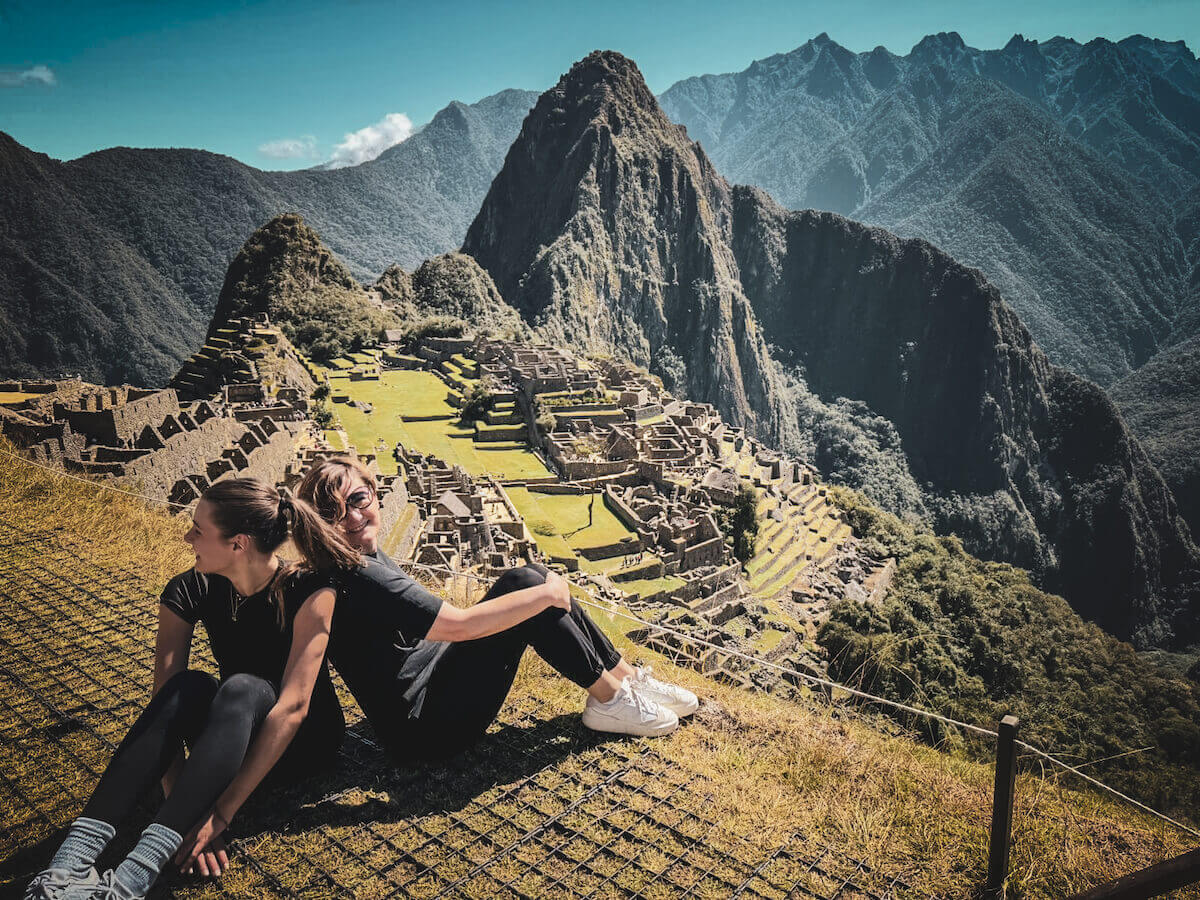
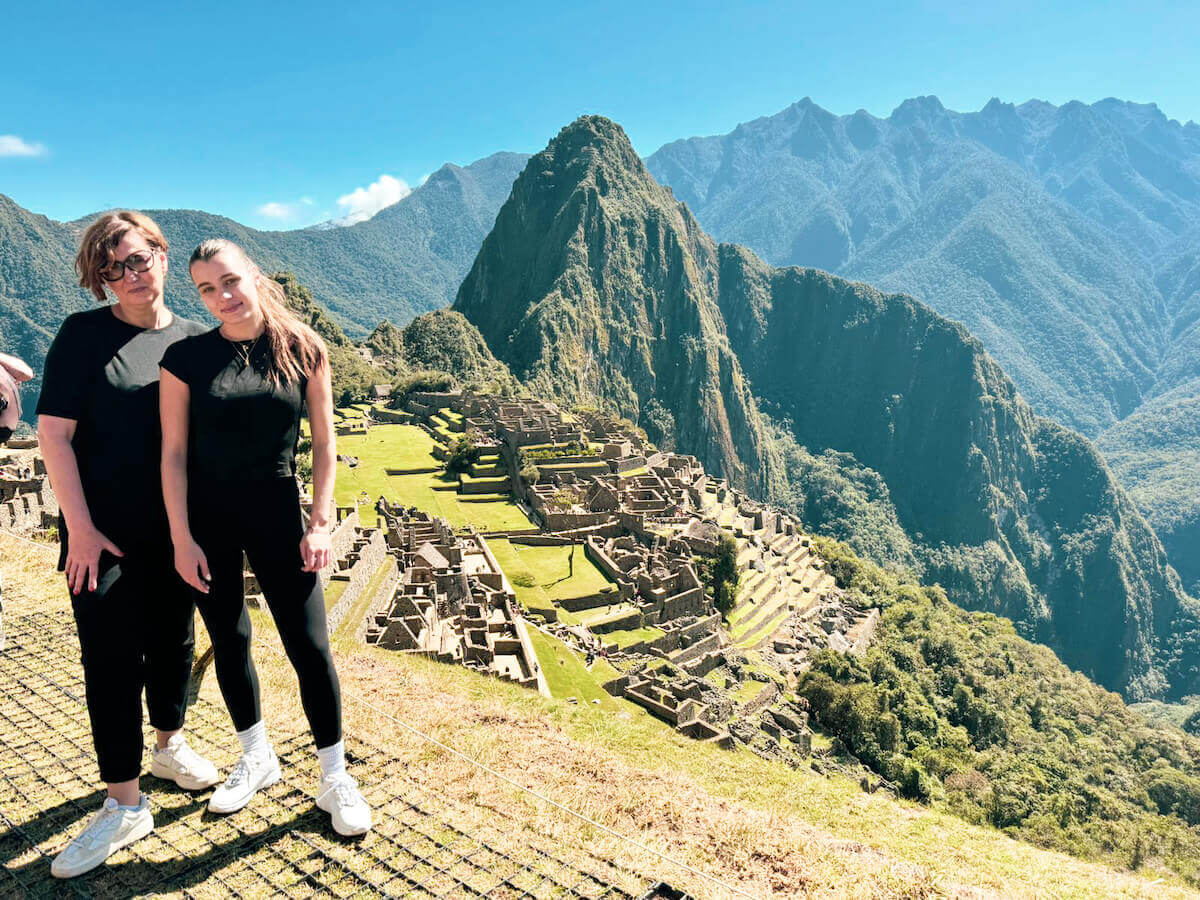
The absence of heavy mist allows wide landscape shots, though photographers seeking ethereal fog may prefer earlier months.
Tripods are not permitted inside the citadel without special permission, so photographers should plan accordingly.
Train Travel and Aguas Calientes in June
Most visitors reach Machu Picchu via train to Aguas Calientes (officially Machu Picchu Pueblo). In June, trains run at full capacity, and popular departure times sell out quickly.
Aguas Calientes itself is busy in June but fully operational. Restaurants, hotels, and thermal baths are open, and the town buzzes with international travelers. Prices are higher than in shoulder months, but service quality is generally reliable.
Costs and Budget Considerations in June
June is not a budget month in Peru’s tourism calendar.
Entrance tickets, train fares, guided tours, and accommodation all command peak-season pricing. Discounts are rare, and last-minute deals are almost nonexistent.
That said, the value proposition remains strong. You are paying for optimal conditions, maximum access, and cultural vibrancy rather than compromise.
Is Machu Picchu in June Worth It?
For travelers who value clear weather, reliable logistics, and cultural immersion, June is one of the best months to visit Machu Picchu. It demands planning and patience, but rewards those efforts with a version of the site that feels complete and alive.
June is not the month for solitude seekers or spontaneous travel. It is the month for travelers who want to see Machu Picchu at its most dependable and its most celebrated.
Machu Picchu Tickets in June: Availability, Circuits, and Booking Strategy
June’s popularity makes ticket strategy one of the most important aspects of planning a Machu Picchu visit. The era of arriving in Cusco and “seeing how it goes” is long gone—especially during the dry season.
Daily Limits and Circuit System
Machu Picchu operates on a strict daily visitor cap combined with a one-way circuit system. Tickets are issued for specific time slots and predefined routes through the site. Once you enter, re-entry is not permitted.
In June, the most in-demand options—early morning slots and tickets that include mountain hikes—sell out weeks or months in advance. Even standard citadel-only tickets regularly disappear during peak travel dates.
How Far in Advance to Book
For June travel, booking Machu Picchu tickets at least 3-4 months ahead is strongly recommended. For Inca Trail trekkers or travelers visiting around major festivals, five months is safer.
Train tickets should be booked immediately after securing site entry, not before. Entry times dictate feasible train schedules, not the other way around.
Mountain Add-Ons: Huayna Picchu and Machu Picchu Mountain
Tickets that include hikes to Huayna Picchu or Machu Picchu Mountain are limited to a few hundred per day. In June, they often sell out first (Update: Huayna Picchu will be closed for maintenance through June 2026).
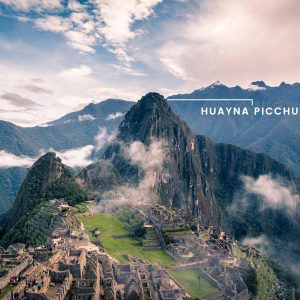
Huayna Picchu is steeper, shorter, and more dramatic, while Machu Picchu Mountain is longer and more gradual. Both offer extraordinary views, but they add physical intensity to an already demanding day.
These hikes are best suited to travelers comfortable with exposure and elevation rather than casual walkers.
Best Time of Day to Visit Machu Picchu in June
Choosing the right entry time can dramatically shape your experience.
Early Morning Entry (6:00–7:00 a.m.)
This is the most coveted slot in June. Early entry offers cooler temperatures, fewer people at first, and the chance—though not guaranteed—of lingering mist rising from the valley.
The trade-off is cold conditions and the possibility of clouds obscuring views during the first hour.
Midday Entry (9:00 a.m.–12:00 p.m.)
This period coincides with peak crowds and the strongest sun. Views are typically crystal-clear, but patience is required for photographs and viewpoints.
For travelers limited by train schedules or fitness, midday remains a perfectly valid option—it is simply the busiest.
Afternoon Entry (1:00–3:00 p.m.)
Afternoon visits are underrated in June. Crowds begin to thin, light softens, and temperatures cool slightly. The atmosphere becomes calmer and more contemplative.
The downside is a firmer time limit before site closure, but for many visitors the trade-off is worthwhile.
Altitude and Acclimatization: What June Travelers Should Know
Machu Picchu itself sits lower than Cusco, but most travelers will spend time at higher elevations before visiting the site.
Cusco’s altitude—over 3,400 meters (11,150 feet)—can cause symptoms such as headaches, fatigue, and shortness of breath, particularly in the dry season when dehydration is more likely.
June’s clear weather does not reduce altitude risk. In fact, cooler nights and dry air can intensify symptoms for those who rush their itinerary.
Spending at least two nights acclimatizing before visiting Machu Picchu is strongly advised. Hydration, light meals, and avoiding strenuous activity during the first day make a noticeable difference.
Aguas Calientes in June: What to Expect in the Gateway Town
Most visitors overnight in Aguas Calientes, the town at the base of the mountain.
In June, Aguas Calientes is busy from dawn until late evening. Restaurants operate at full capacity, markets stay open later, and the atmosphere is distinctly international.
Hotel prices are at their annual peak, particularly for properties close to the bus station or train tracks. Budget accommodation still exists, but it sells out early.
The town’s thermal baths are popular in the evenings, especially after long travel days or hikes. While not luxurious, they offer welcome relief for tired muscles in cool evening air.
Trains and Transport Logistics in June
Train travel is the primary access route to Machu Picchu, and June is one of the most competitive months for seats.
Services operated by PeruRail and Inca Rail run at full schedules, but popular departure times sell out quickly. Early-morning and late-afternoon trains are particularly sought after.
Buses from Aguas Calientes to the citadel begin operating before sunrise and run continuously throughout the day. Lines form early in June, but the system is efficient and well-managed.
Walking up from town is possible but strenuous and not recommended for visitors planning a full circuit inside the site.
Read more: Train to Machu Picchu.
Safety, Health, and Practical Tips for June
June’s dry conditions reduce certain risks, but they introduce others.
Stone steps can become slick with dust rather than rain. Footwear with good traction matters more than many expect.
Sun exposure is intense. Travelers regularly underestimate the combination of altitude and clear skies. Sunscreen should be reapplied, even on cool days.
Hydration is critical. The dry season dehydrates quickly, particularly during walking and climbing. Carrying water is permitted, but single-use plastic bottles are discouraged—refillable containers are preferable.
Responsible Travel and Conservation in Peak Season
June’s popularity places additional pressure on Machu Picchu’s fragile environment. Responsible behavior matters more during peak months than at any other time of year.
Staying on designated paths, respecting one-way routes, and following guide instructions help preserve the site and improve the experience for everyone.
Noise discipline is especially important. June crowds amplify sound, and maintaining a calm atmosphere preserves the sense of place that makes Machu Picchu extraordinary.
Supporting local businesses in Cusco and Aguas Calientes—rather than relying exclusively on international operators—helps distribute tourism benefits more equitably.
Sample June Itinerary: Balancing Acclimatization and Access
A well-paced June itinerary prioritizes adjustment to altitude before the Machu Picchu visit.
Day 1–2: Arrival in Cusco, light exploration, acclimatization
Day 3: Sacred Valley excursion at lower altitude
Day 4: Train to Aguas Calientes, overnight
Day 5: Machu Picchu visit, return to Cusco
Day 6: Cultural exploration or festival attendance
This structure reduces physical stress while aligning with ticket availability and transport logistics.
Take a look to our Sacred Valley and Machu Picchu 2 Day tour.
Frequently Asked Questions About Machu Picchu in June
Is June a good time to visit Machu Picchu?
Yes. June is considered one of the best months of the year to visit Machu Picchu. It falls squarely in the dry season, offering clear skies, stable weather, and excellent visibility of the surrounding mountains. The trade-off is that June is also peak tourist season, so advance planning is essential.
Does it rain at Machu Picchu in June?
Rain is uncommon in June. This is one of the driest months of the year in the region. While brief showers are still possible due to mountain microclimates, prolonged rain is rare, and most days are dry and sunny.
How cold is Machu Picchu in June?
Daytime temperatures at Machu Picchu are mild, generally ranging from 18°C to 22°C (64°F to 72°F). Early mornings can be chilly, especially before sunrise, with temperatures closer to 8°C–10°C (46°F–50°F). Evenings cool quickly once the sun drops behind the mountains.
Is Machu Picchu crowded in June?
Yes. June is one of the busiest months of the year. Daily visitor limits help control numbers inside the site, but popular time slots—especially between 9:00 a.m. and 1:00 p.m.—can feel crowded. Early morning and afternoon entry times tend to be calmer.
How far in advance should I book Machu Picchu tickets for June?
Tickets should ideally be booked 3-4 months in advance for June travel. If you plan to hike Huayna Picchu, Machu Picchu Mountain, or the Inca Trail, booking two to 4 months ahead is strongly recommended, as these options sell out first.
Is June a good month for the Inca Trail?
June is an excellent month for the Inca Trail in terms of weather. Trails are dry, days are sunny, and views are clear. However, permits are extremely limited and often sell out months ahead, making early booking essential.
What should I wear to Machu Picchu in June?
Layered clothing is key. Mornings are cold, midday is warm, and shade can feel cool even in sunshine. Comfortable walking shoes, a warm jacket, sun protection (hat, sunglasses, sunscreen), and a light rain shell are recommended.
Is June a good time for photography at Machu Picchu?
Yes. June offers some of the best photographic conditions of the year. Clear skies, low humidity, and strong visibility make it ideal for wide landscape shots and architectural detail. Misty, cloud-filled scenes are less common than in the rainy season.
Does Inti Raymi affect visiting Machu Picchu?
Inti Raymi, held on June 24 in Cusco, does not take place at Machu Picchu itself, but it significantly affects regional tourism. Hotels, trains, and tickets sell out faster around this period, and prices rise. Planning well ahead is especially important if visiting in late June.
Is Machu Picchu worth visiting in June despite the crowds?
For most travelers, yes. June offers the most reliable weather, vibrant cultural atmosphere, and full access to trails and viewpoints. While crowds require patience, the overall experience—clear views, dry conditions, and cultural energy—makes June one of the most rewarding times to visit Machu Picchu.
Final Perspective
June delivers Machu Picchu at its most reliable and its most vibrant. The mountains stand clear, the stonework reveals its full geometry, and the surrounding culture is deeply alive with tradition.
The cost of these advantages is crowds and the need for planning. For travelers willing to commit early and move deliberately, June offers one of the most rewarding windows of the year to experience Peru’s most iconic site—not as a gamble against weather, but as a carefully chosen moment when nature, history, and living culture align.
More Helpful Information
- Machu Picchu in May
- Machu Picchu in July
- Best Machu Picchu Tours
- Inca Trail in June