 English
 Spanish
 Portuguese

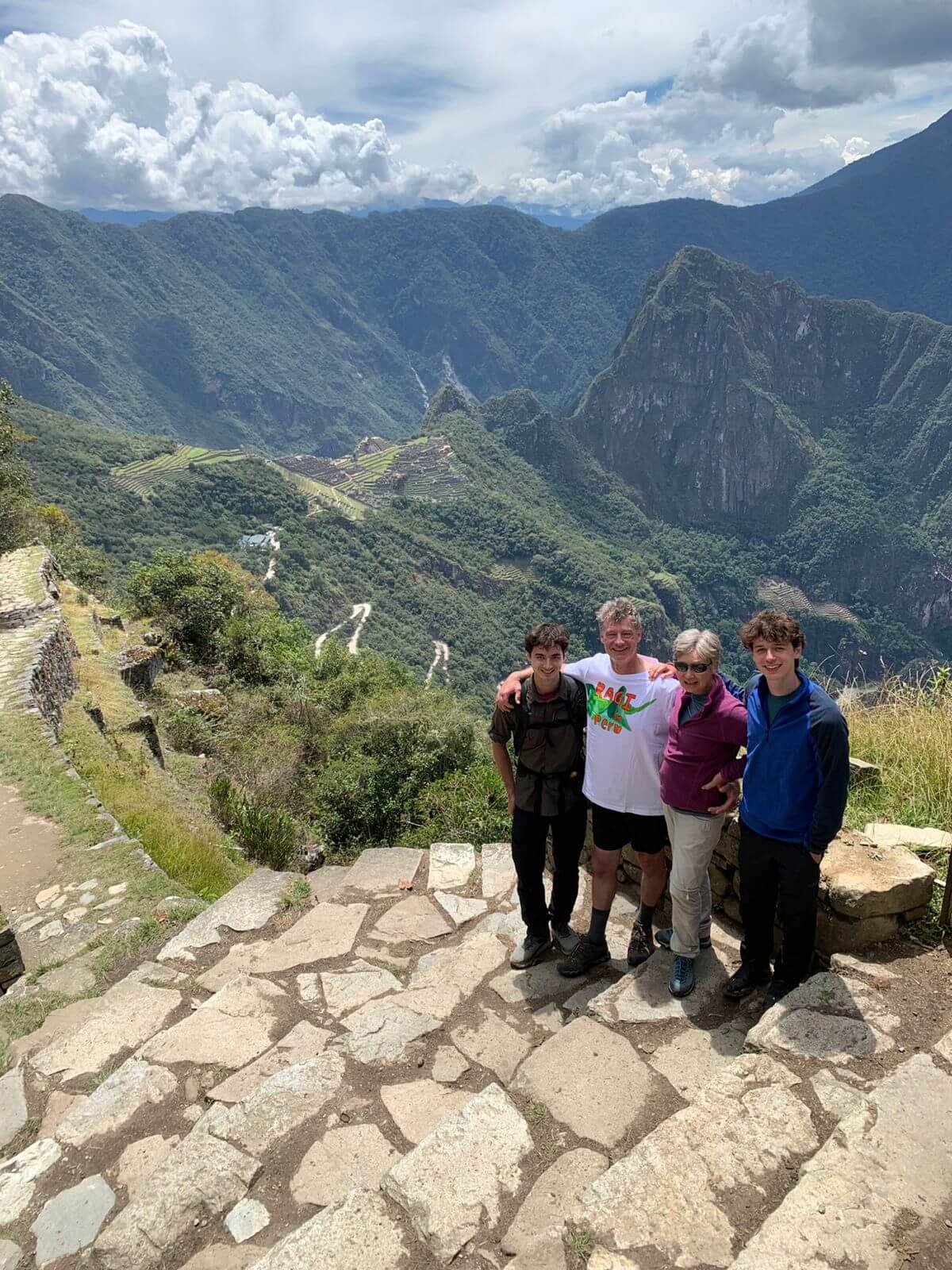

The Inca Trail is one of the most iconic hikes on earth—but picking the wrong month can mean hiking through knee-deep mud, sharing camp spots with hundreds of other trekkers, or arriving at Sun Gate completely socked in by cloud. After years running guided treks out of Cusco, we’ve walked every section of this trail in every season. Here’s exactly what you need to know.
Quick Answer: The Best Time to Hike the Inca Trail
The best time to hike the Inca Trail is May through September, with June being our single top pick. This window sits in Peru’s dry season, giving you clear skies, minimal rain, and the best mountain views on the entire 43-kilometer route. If you want fewer crowds without sacrificing weather, May and September are the sweet spots.

Why?
Because there’s NO RAIN and the weather is the best in comparison to the other seasons of the year.
Understanding the Inca Trail’s Two Seasons
The Inca Trail runs through the high Andes at elevations between 2,600m and 4,215m (8,530–13,828 ft). At altitude, weather patterns are sharper than at sea level—and the difference between dry and wet season is dramatic.
Dry Season: April to October


This is when most trekkers hike the Inca Trail, and for good reason. Rainfall drops to near zero from June through August. Daytime temperatures are comfortable—typically 15–20°C (59–68°F) on the trail—while nights at the higher campsites can dip below freezing, especially at Phuyupatamarca (3,600m). Clear skies mean unobstructed views of glacier-capped peaks like Salkantay and Veronica, and you’ll reach the Sun Gate (Intipunku) with a genuine panoramic view of Machu Picchu spread out below you.

Wet Season: November to March


Peru’s rainy season brings heavy, persistent rainfall to the Andes. The trail becomes slippery and in places genuinely dangerous. Leeches appear on lower sections. Cloud and mist blanket the mountains for days at a time. The trail is also officially closed in February for annual maintenance. Unless you specifically want to see the trail at its most lush and jungle-like—and you’re prepared for rain every single day—this is not the best time to do the Inca Trail.
Inca Trail Weather Month by Month
| Month | Season | Avg Low (°C) | Avg High (°C) | Rainfall (mm) | Trail Conditions |
|---|---|---|---|---|---|
| January | Wet | 13 | 24 | 138 | Muddy, very wet, leeches |
| February | Wet | 13 | 25 | 141 | CLOSED for maintenance |
| March | Wet → Shoulder | 13 | 25 | 151 | Reopens late March; still very muddy |
| April | Shoulder | 12 | 25 | 62 | Drying out, lush and green |
| May | Dry | 11 | 25 | 23 | Excellent—warm days, manageable crowds |
| June | Dry | 9 | 25 | 17 | Best month overall—driest, clearest skies |
| July | Dry | 9 | 25 | 22 | Peak season, cold nights, spectacular views |
| August | Dry | 10 | 25 | 24 | Dry and reliable, busiest month |
| September | Dry | 11 | 24 | 35 | Quieting down, still great weather |
| October | Shoulder | 12 | 24 | 65 | Warmer, slight chance of afternoon showers |
| November | Wet | 12 | 24 | 95 | Rain increasing; fewer crowds |
| December | Wet | 12 | 24 | 120 | Holiday crowds + wet weather |
Data reflects conditions along the trail between Km 82 (2,600m) and Dead Woman’s Pass (4,215m). Temperatures drop significantly with elevation.
The Best Time to Do the Inca Trail: Our Tiered Picks
The Best Single Month: June
If we could only recommend one month, it’s June. Rainfall averages just 17mm—essentially nothing. The skies are consistently clear, which means stunning mountain views on Day 2 as you climb toward Dead Woman’s Pass, and a rewarding clear-sky arrival at the Sun Gate on the final morning. Temperatures are cool but comfortable during the day, and the nights are genuinely cold (pack a proper sleeping bag rated to -5°C). June also coincides with the lead-up to Inti Raymi, the Festival of the Sun, celebrated in Cusco around June 24th. If you add a few extra days in Cusco before or after your trek, you’ll catch one of the most vibrant festivals in South America.
The one tradeoff: permits for June sell out fastest. Book at least 5–6 months in advance.
The Best 3-Month Window: May, June, and July
These three months are the core of the Inca Trail’s dry season. Rainfall stays below 25mm in all three. Days are warm and sunny. Nights are cold—but dry cold is far easier to manage than wet cold. Views are at their best. The only practical difference between these months is crowd level: May is quieter than June, which is quieter than July (July is peak Northern Hemisphere summer vacation season).
The Best Extended Season: April Through October
If your dates are flexible, any month from April to October is a solid choice. April and October sit in the “shoulder season”—a bit more rain and slightly warmer temperatures than peak dry season, but far fewer trekkers and still very manageable conditions. October in particular is underrated: the landscape is still green from the wet season, the crowds have thinned dramatically, and the weather is usually stable.
Why Shoulder Season Is Worth Considering
April–May and September–October offer a different kind of Inca Trail experience—and for many trekkers, a better one.
April and May: The trail is still green and lush from the wet season. Wildflowers are blooming along the lower sections. Temperatures are warmer than June–August, which some trekkers prefer at altitude. Permits are available with 3–4 months’ notice rather than 5–6. May in particular hits a sweet spot: the rains have largely stopped, but the landscape hasn’t yet dried out to the browns of mid-winter.
September and October: Crowds thin significantly after August. The trail is still dry, the skies are still mostly clear, and campsites feel genuinely peaceful rather than overcrowded. Temperatures start warming up again. October brings a slight risk of afternoon showers—nothing like the wet season, but pack a good rain layer.
If you’re flexible on timing, May or September are our recommendations for the best balance of weather, scenery, crowds, and permit availability.
The Worst Time to Hike the Inca Trail: December Through March
This is the rainy season, and the Inca Trail earns that label. Rainfall in January and February exceeds 130mm—not a week of showers, but daily, sustained, soaking rain. The stone steps become dangerously slippery. The jungle sections below Wiñay Wayna turn into mudslides. Cloud consistently obscures the mountain views that make this trek worth doing.
There’s also a practical problem: the Inca Trail is officially closed throughout February for maintenance by Peru’s Ministry of Culture. No exceptions. If you’re planning around February, you’ll need to use an alternative route—Salkantay, Lares, or the Inca Quarry Trail—to reach Machu Picchu.
December gets special mention: holiday crowds push prices up and availability down, despite being one of the wettest months on the trail. It’s arguably the worst combination of factors.
The only real argument for hiking in the wet season (outside February) is the landscape itself: the vegetation is extraordinarily lush, orchids bloom along the trail, and the misty, mysterious atmosphere of Machu Picchu in cloud can be genuinely beautiful. Some trekkers love it. But go in with realistic expectations: you will get wet, you will hike on muddy trails, and you will likely not see the views.
Inca Trail Permits: How Far in Advance to Book
The Inca Trail has a daily permit limit of 500 people (including porters and guides), which means the classic 4-day route to Machu Picchu is effectively sold out months in advance during peak season. This is the single most common mistake trekkers make—assuming they can book 4–6 weeks out.
Here’s a practical booking timeline based on when you want to trek:
| Travel Month | Book This Far in Advance |
|---|---|
| June, July, August | 5–6 months minimum; 8 months to be safe |
| April, May, September | 3–4 months ahead |
| October, November, March | 2–3 months ahead |
| December | 3–4 months (holiday demand) |
Important: Permits are issued per person per date. They’re non-transferable and non-refundable. Once a departure date sells out, it’s gone. Your tour operator handles the permit purchase as part of your booking—but they can only secure permits when spots are available, so early booking is genuinely critical, not just a sales tactic.
If permits for your dates are sold out, the Salkantay Trek and the Lares Trek are both excellent alternatives that can be organized on shorter notice and still conclude with a day at Machu Picchu.
Check availability in real time: Inca Trail Permits.
How Crowded Is the Inca Trail by Month?
The 500-person daily cap does limit total trekker numbers, but some months still feel significantly busier than others—especially at shared campsites.
Least crowded months (relative): March (just reopened), April, May, September, October, November
Moderate crowds: June (busy but manageable), December (holiday travelers)
Peak crowds: July, August — Northern Hemisphere summer vacation. Campsites at Llulluchapampa (Day 2) and Phuyupatamarca (Day 3) feel full. This doesn’t ruin the experience, but you’ll notice it.
The practical implication: if you want a quieter, more intimate experience on the trail, May or September will serve you far better than July or August, with almost identical weather.
Frequently Asked Questions
When is the best time to hike the Inca Trail to Machu Picchu?
June is the single best month—driest, clearest, best mountain views. For a slightly quieter experience with equivalent weather, May is an excellent alternative. The entire April–October window is considered good to excellent for hiking the Inca Trail.
Can you hike the Inca Trail in the rainy season?
Yes, except February when the trail is closed. But conditions are genuinely difficult: persistent rain, slippery trails, and cloud obscuring the views. Most experienced trekkers would not recommend it unless you have a specific reason for traveling in those months.
Is the Inca Trail closed in February?
Yes. The Peruvian Ministry of Culture closes the entire Inca Trail throughout February for maintenance. Machu Picchu itself remains open; only the trek is closed. Alternative routes (Salkantay, Lares) operate year-round.
What’s the weather like on the Inca Trail in May?
May is one of the best months to trek the Inca Trail. Daytime temperatures reach 20–25°C (68–77°F), nights drop to 9–11°C (48–52°F) at lower camps and can approach freezing at the highest camp near Dead Woman’s Pass. Rainfall is minimal at around 23mm for the entire month.
How cold does it get on the Inca Trail at night?
During the dry season (June–August), temperatures at the highest campsites (around 3,600m) can drop to -5°C (23°F) or below. A sleeping bag rated to at least -5°C and thermal layers are essential, regardless of how warm the daytime hiking feels.
When should I book an Inca Trail trek?
For June, July, or August, book 5–6 months in advance at minimum—ideally 8 months. Shoulder months (April, May, September, October) require 3–4 months’ notice. Permits for peak dates sell out entirely, so early booking is the single most important planning step.
What is the best time of year for the Inca Trail if I want to avoid crowds?
May and September offer the best balance of good weather and lower trekker numbers. The dry season months of July and August are significantly busier due to Northern Hemisphere summer vacations.
Is October a good time to hike the Inca Trail?
Yes. October is an underrated shoulder month—crowds are thin, temperatures are comfortable (slightly warmer than peak dry season), and the landscape is still green. There’s a moderate risk of afternoon showers, but nothing like the wet season.
Ready to Hike the Inca Trail?
The classic 4-day Inca Trail remains one of the world’s great trekking experiences—and the right timing makes a significant difference to everything from your views at Sun Gate to the atmosphere at camp each night.
We’re a licensed tour operator based in Cusco, and we handle Inca Trail permits, logistics, and guided treks directly—no middlemen, no OTAs.
Check Inca Trail permit availability →
View our Inca Trail trek options →
Questions about timing, fitness, or what to pack? Contact our Cusco team—we’re on the ground here year-round.