 English
 Spanish
 Portuguese


The Historic Sanctuary of Machu Picchu is one of the world’s most extraordinary protected areas, combining an exceptional archaeological legacy with outstanding natural biodiversity. Located high in the Peruvian Andes, this sanctuary safeguards the legendary Inca citadel of Machu Picchu along with a vast surrounding landscape of cloud forests, mountains, rivers, and ancient trails.
Recognized globally for its universal value, the Historic Sanctuary of Machu Picchu is a UNESCO World Heritage Site and one of South America’s most visited cultural landmarks. This complete visitor guide explains what the sanctuary is, why it is so important, what you can see inside it, and how to plan your visit responsibly.
What Is the Historic Sanctuary Of Machu Picchu?
The Historic Sanctuary of Machu Picchu is a protected cultural and natural area in southern Peru that covers approximately 32,592 hectares within the Cusco region. It was officially established by the Peruvian government in 1981 to safeguard both the archaeological heritage of the Inca civilization and the fragile ecosystems of the Andean–Amazonian transition zone.

At the heart of the sanctuary lies the world-famous Inca city of Machu Picchu. However, the protected area extends far beyond the stone citadel and includes:
- Ancient agricultural terraces and ceremonial complexes
- Inca road networks and sections of the Classic Inca Trail
- Cloud forest ecosystems and high-Andean landscapes
- Rivers, waterfalls, mountain peaks, and deep valleys
In 1983, the Historic Sanctuary of Machu Picchu was inscribed as a UNESCO World Heritage Site for its combined cultural and natural significance—a rare distinction shared by only a small number of sites worldwide.
Related: History of Machu Picchu.
Historical and Cultural Significance
Machu Picchu was constructed in the mid-15th century during the reign of the Inca emperor Pachacuti. Most archaeologists agree that it functioned as a royal estate and ceremonial center rather than a conventional city. Its strategic location, refined stone masonry, and harmonious integration with the surrounding mountains reflect the advanced engineering skills and spiritual worldview of the Inca civilization.
The site was closely connected to the Inca concept of sacred geography, in which mountains, rivers, and astronomical alignments played a central role. The surrounding peaks were considered apus, or sacred mountain spirits, reinforcing Machu Picchu’s importance as a ceremonial and symbolic landscape.
Unlike many other Inca settlements, Machu Picchu was never destroyed during the Spanish conquest. After being abandoned during the decline of the Inca Empire, it remained hidden from the outside world until its scientific rediscovery in 1911. Today, it stands as one of the most important archaeological sites in the Americas and a powerful symbol of pre-Columbian ingenuity, preserved through the protection of the Historic Sanctuary.
Natural Environment and Biodiversity
The Historic Sanctuary of Machu Picchu protects one of the most biologically diverse regions in the Andes. Its location between high mountain ranges and the Amazon basin creates a unique cloud forest ecosystem, where Andean and tropical species coexist.
Ecosystems Within the Sanctuary
The sanctuary contains more than 20 distinct ecological zones, ranging from high-altitude grasslands to dense tropical forests. This diversity supports an extraordinary variety of plant and animal life.
Flora
- Over 1,000 plant species
- Hundreds of orchid species, many of them endemic
- Ferns, mosses, and bromeliads typical of cloud forest environments
Fauna
- Andean spectacled bear
- Puma and Andean fox
- More than 400 bird species, including the Andean cock-of-the-rock
- Butterflies, amphibians, and reptiles unique to the region
This exceptional biodiversity is one of the main reasons the Historic Sanctuary of Machu Picchu is recognized by UNESCO not only as a cultural treasure but also as a site of outstanding natural value.
Where Is the Historic Sanctuary Of Machu Picchu Located?

The sanctuary is located in the eastern Andes of Peru, within the Cusco region. It rises above the Urubamba River Valley and forms part of the Vilcabamba mountain range, at altitudes ranging roughly between 2,000 and 4,000 meters above sea level.
The closest town to the sanctuary entrance is Aguas Calientes, officially known as Machu Picchu Pueblo, which serves as the main gateway for visitors.
Related: Machu Picchu Location.
How to Get to the Historic Sanctuary Of Machu Picchu
Reaching the Historic Sanctuary of Machu Picchu is an essential part of the experience and can be done through several regulated routes.
Train Route
The most common option is traveling by train from Cusco or the Sacred Valley to Aguas Calientes. From there, shuttle buses operate continuously to the sanctuary entrance.
Trekking Routes
For travelers seeking adventure, the sanctuary can also be accessed through multi-day treks that pass through remote sections of the protected area, including:
- The Classic Inca Trail
- Salkantay Trek
- Lares Trek
These routes require advance permits and the use of licensed guides due to conservation regulations.
Related: How to get to Machu Picchu from Cusco.
Best Time to Visit the Historic Sanctuary Of Machu Picchu
The sanctuary can be visited year-round, but weather conditions vary significantly by season.
Dry Season (April to October)
- More stable weather and clearer skies
- Ideal for hiking and photography
- Higher visitor numbers, especially from June to August
Rainy Season (November to March)
- Lusher landscapes and fewer crowds
- Heavier rainfall, particularly in January and February
- The Inca Trail is closed in February for maintenance
Early morning visits are recommended throughout the year for cooler temperatures and fewer crowds inside the citadel.
Related: Best time to visit Machu Picchu.
Tickets and Entry Regulations
Access to the Historic Sanctuary of Machu Picchu is strictly regulated to protect the site and its ecosystems.
Entry Tickets
Visitors must purchase official entrance tickets in advance. Tickets are issued for specific circuits and time slots, which limit visitor movement and time inside the archaeological area.
Circuits
Current regulations divide visits into several circuits, each offering different viewpoints and sectors of the site. Some tickets also include optional hikes to nearby mountains such as Huayna Picchu or Huchuy Picchu, which require separate availability.
Daily visitor numbers are capped, making early booking essential, especially during the high season.
Main Attractions Inside the Sanctuary
Machu Picchu Citadel
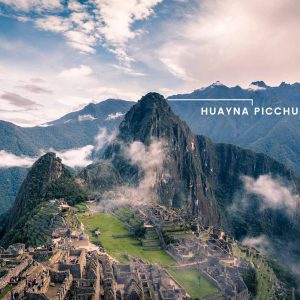
The core archaeological complex features temples, plazas, fountains, and residential areas built with extraordinary precision using finely cut stone blocks.
Sacred Terraces

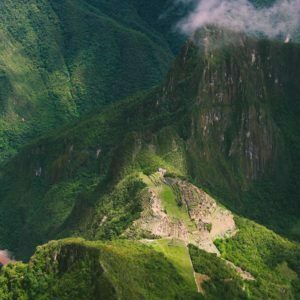
Agricultural terraces demonstrate advanced Inca farming techniques while stabilizing the steep mountain slopes.
Panoramic Viewpoints
Designated viewpoints offer the iconic postcard views of Machu Picchu framed by surrounding peaks.
Sacred Mountains
Optional hikes to nearby mountains provide breathtaking perspectives over the sanctuary and deeper insight into Inca spiritual geography.
Responsible Tourism and Conservation Rules
The Historic Sanctuary of Machu Picchu faces significant pressure from tourism, making responsible travel essential.
Visitors are required to:
- Follow marked paths and assigned circuits
- Avoid touching or climbing on ruins
- Carry out all waste
- Respect wildlife and native vegetation
Large backpacks, drones, and certain items are prohibited to minimize environmental and structural impact. Regulations may change periodically to improve conservation efforts.
Why the Historic Sanctuary Of Machu Picchu Is So Important
The Historic Sanctuary of Machu Picchu is not only a world-renowned destination but also a living example of harmony between humans and nature. It preserves an irreplaceable archaeological legacy while protecting ecosystems found nowhere else on Earth.
By visiting responsibly and respecting regulations, travelers directly contribute to the long-term conservation of one of humanity’s greatest cultural and natural treasures.
Frequently Asked Questions About the Historic Sanctuary Of Machu Picchu
Is the Historic Sanctuary of Machu Picchu the same as Machu Picchu?
No. Machu Picchu refers to the Inca citadel itself, while the Historic Sanctuary of Machu Picchu is a much larger protected area that surrounds it. The sanctuary covers more than 32,000 hectares and includes mountains, cloud forests, rivers, Inca roads, and additional archaeological sites. The citadel is only one part of the sanctuary.
Why is Machu Picchu called a sanctuary?
Machu Picchu is called a sanctuary because it protects both cultural heritage and natural ecosystems. The area preserves the Inca city and surrounding archaeological remains while also safeguarding cloud forest habitats, endemic wildlife, and fragile mountain landscapes. This dual value is why it is recognized internationally.
When was the Historic Sanctuary of Machu Picchu established?
The Historic Sanctuary of Machu Picchu was officially established by the Peruvian government in 1981. Two years later, in 1983, it was designated a UNESCO World Heritage Site for its combined cultural and natural significance.
Why is the Historic Sanctuary of Machu Picchu a UNESCO World Heritage Site?
UNESCO recognizes the Historic Sanctuary of Machu Picchu as a mixed World Heritage Site, meaning it has outstanding cultural and natural value. It represents exceptional Inca architecture and engineering while also protecting one of the most biologically diverse cloud forest ecosystems in the Andes–Amazon region.
How large is the Historic Sanctuary of Machu Picchu?
The Historic Sanctuary of Machu Picchu covers approximately 32,592 hectares (about 80,500 acres). This protected area extends far beyond the citadel and includes valleys, rivers, mountain ranges, forests, and ancient trail networks.
Can visitors explore the entire Historic Sanctuary of Machu Picchu?
No. Only specific areas of the sanctuary are open to visitors. Access is restricted to protect archaeological structures and natural ecosystems. Most visitors explore designated circuits within the Machu Picchu citadel, while limited trekking routes allow access to certain remote sections of the sanctuary under strict regulations.
What wildlife lives in the Historic Sanctuary of Machu Picchu?
The sanctuary is home to a wide variety of wildlife, including the Andean spectacled bear, puma, Andean fox, and more than 400 bird species such as the Andean cock-of-the-rock. Many species are endemic or threatened, making conservation efforts especially important.
What is the best time of year to visit the Historic Sanctuary of Machu Picchu?
The best time to visit is generally during the dry season from April to October, when weather conditions are more stable. The rainy season from November to March offers greener landscapes and fewer crowds, though heavier rainfall is common. The Inca Trail is closed every February for maintenance.
Do I need tickets to enter the Historic Sanctuary of Machu Picchu?
Yes. Official entrance tickets are required and must be purchased in advance. Tickets are issued for specific circuits and time slots to control visitor numbers and reduce impact on the site. Availability is limited, especially during peak season.
How can visitors help protect the Historic Sanctuary of Machu Picchu?
Visitors can help protect the sanctuary by following all regulations, staying on marked paths, avoiding contact with ruins, carrying out all waste, and respecting wildlife and vegetation. Responsible tourism plays a vital role in preserving the sanctuary for future generations.
Is the Historic Sanctuary of Machu Picchu suitable for all travelers?
Yes, but visitors should be prepared for high altitude, uneven terrain, and regulated movement. While the citadel itself is accessible to many travelers, some optional hikes within the sanctuary require good physical condition and advance planning.
Final
The Historic Sanctuary of Machu Picchu offers far more than a single archaeological site. It is a vast protected landscape where history, culture, and nature converge in a way few places on the planet can match.
Whether you arrive by train or on foot after days of trekking, visiting this sanctuary is a once-in-a-lifetime experience—one that deserves thoughtful planning, respect, and a deep appreciation of its global significance.