 English
 Spanish
 Portuguese
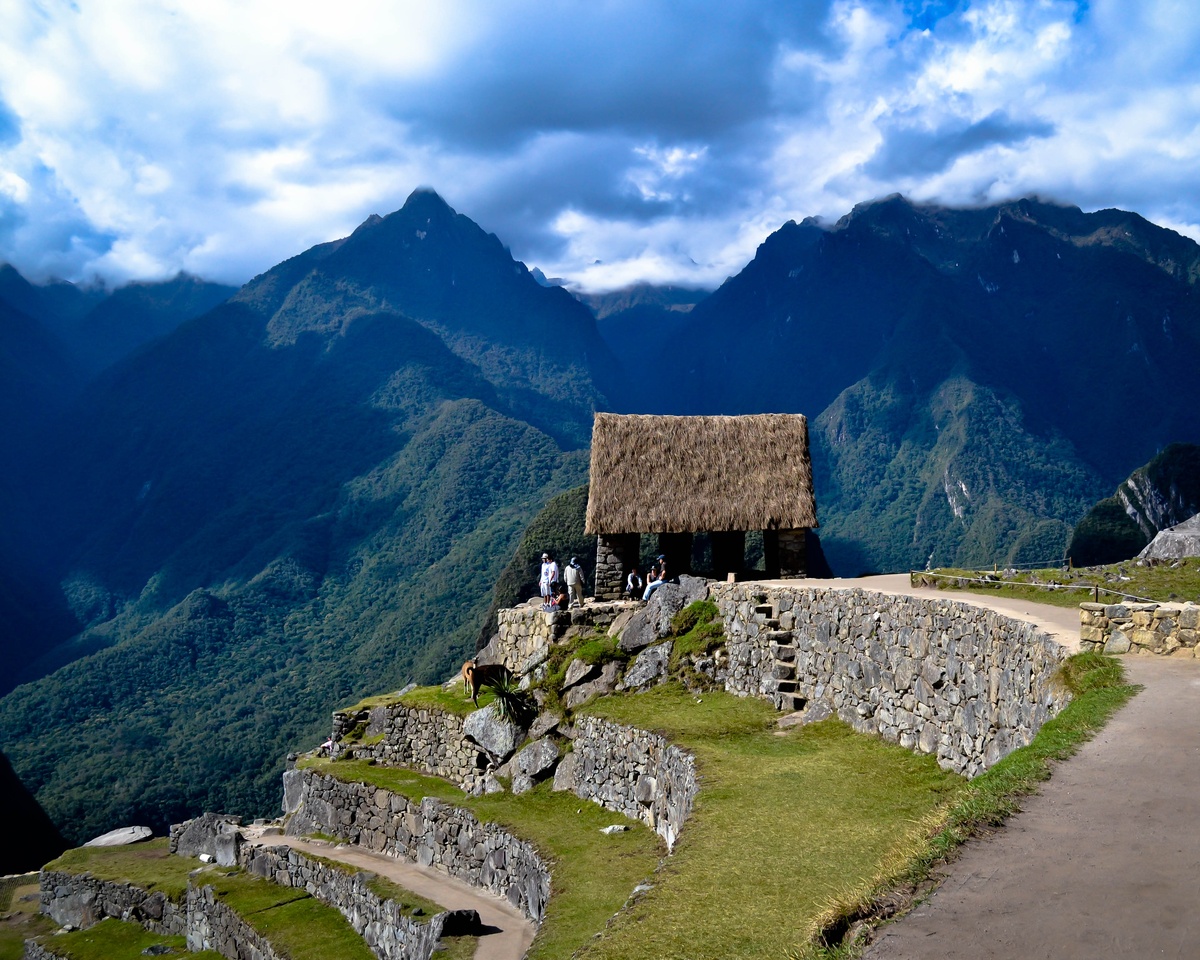

Every traveler who arrives at Machu Picchu dreams of that perfect first glimpse — the moment when the mist parts and the ancient citadel reveals itself in all its glory. Among the many places within the site, one spot holds a special magic: the guardian house Machu Picchu, also known as the Caretaker’s Hut.
This small stone structure, perched high above the terraces, offers the most famous panoramic view of the Inca city. Nearly every postcard and iconic photo of Machu Picchu has been taken from this exact location. But beyond its scenic beauty, the Guardian House also holds deep historical and symbolic importance.
In this article, we’ll explore the history, architecture, and purpose of the Guardian House, why it became such an essential part of the Inca complex, and how visitors today can experience it as one of the highlights of their visit to Machu Picchu.
What Is the Guardian House Machu Picchu?

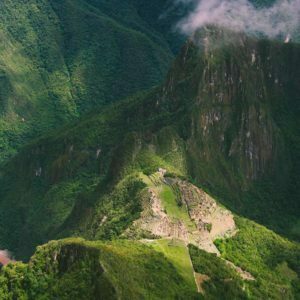
The guardian house Machu Picchu is a small, three-sided stone building located on the upper agricultural terraces of the site, near the main entrance of the citadel. It sits above the farming area and overlooks the urban and sacred sectors below.
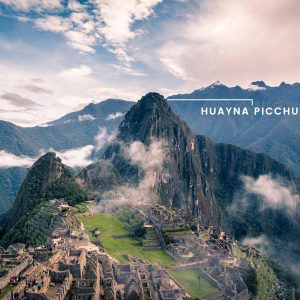
From this elevated position, the house offers an unobstructed view of Machu Picchu and its dramatic surroundings — including Huayna Picchu, the Urubamba River valley, and the surrounding mountain peaks wrapped in mist.
Though modest in size, the Guardian House is one of the most significant viewpoints for both archaeologists and visitors. It provides insight into how the Inca engineers designed the city to blend perfectly with the landscape, achieving both practical and spiritual harmony.
Today, it remains one of the most photographed and admired spots in all of Peru.
Historical Function and Significance

To understand the guardian house Machu Picchu, we must go back to the time of the Inca Empire. Scholars believe the structure was used as a lookout or observation post. Its name comes from the idea that it housed the guardians or caretakers responsible for overseeing the agricultural terraces and controlling access to the upper areas of the city.
The Inca were known for their sophisticated urban planning and strict social organization. Each part of Machu Picchu had a purpose — religious, residential, or agricultural. The Guardian House’s strategic location made it ideal for supervision and communication between different sectors.
Some researchers also suggest that it may have served ceremonial or astronomical functions, as its orientation aligns with the rising sun and nearby sacred mountains (Apus). Like many structures in Machu Picchu, it likely carried both practical and spiritual meanings.
The combination of architecture and symbolism is one of the many reasons the Guardian House fascinates historians and travelers alike.
Architecture and Design of the Guardian House

Although the guardian house Machu Picchu is a simple construction compared to temples or royal buildings, its design demonstrates the precision and ingenuity typical of Inca architecture.
It was built using finely cut granite stones joined without mortar — a technique called ashlar masonry. The structure has three walls and an open side facing Machu Picchu, allowing a full panoramic view of the site below. The triangular gable roof was originally made of ichu (Andean grass), providing shelter from rain and wind.
The floor is slightly elevated, and the foundation is reinforced to prevent erosion — a necessity given its steep hillside location. Its placement was no accident: it aligns visually with the central axis of the citadel, emphasizing balance and proportion.
From the Guardian House, visitors can clearly observe how the Inca divided their city into agricultural and urban sectors. This bird’s-eye perspective was likely intentional, symbolizing order, hierarchy, and connection between human effort and the divine.
The Most Iconic Viewpoint of Machu Picchu
Ask anyone where to capture the best photo in the entire site, and they’ll point to the guardian house Machu Picchu. It’s from this elevated terrace that the world’s most recognizable image of the Inca citadel is taken — the postcard shot showing the sweeping panorama with Huayna Picchu rising in the background.
The light from sunrise to mid-morning is ideal for photography. As the sun rises behind the mountains, the city slowly emerges from the mist, revealing terraces, temples, and pathways glowing under golden light.
This location is not only visually stunning but also emotionally powerful. Standing there, overlooking the entire sacred city, many visitors describe feeling awe and reverence — the same emotions that likely inspired the Incas who once watched over their masterpiece from this very spot.
For photographers and nature lovers, the Guardian House offers endless inspiration. For spiritual travelers, it’s a place to pause, breathe, and connect with the energy of the Andes.
How to Reach the Guardian House Machu Picchu
Reaching the guardian house Machu Picchu is straightforward, but it requires a short uphill walk. After entering the main gate of the citadel, follow the upper path that leads to the terraces. Signs along the route guide visitors toward the Casa del Guardián — its name in Spanish.
The ascent takes about 10–15 minutes, depending on your pace. It’s recommended to go early in the morning, especially right after the site opens (around 6:00 a.m.). At that hour, the crowds are smaller, and the light conditions are perfect for both photos and quiet contemplation.
If you enter with the Circuit 1 or 2 route (the upper circuits approved by the Ministry of Culture), the Guardian House will be one of your first stops. From there, you can continue to the Main Gate, the Temple of the Sun, and the Sacred Plaza.
Remember to bring water, a hat, and sunscreen — the Andean sun can be intense, even when the air feels cool.
Best Time to Visit the Guardian House
Timing is essential for the best experience at the guardian house Machu Picchu. The dry season, from May to October, offers the clearest skies and the most stable weather. During this time, mornings are crisp, and the mountain views are breathtakingly clear.
However, the rainy season (November to March) brings its own charm. Early mornings often feature dramatic mists that rise from the Urubamba Valley, creating a mystical atmosphere around the citadel. If you’re lucky, the clouds will lift suddenly to reveal the entire site — a moment that feels almost divine.
For photography enthusiasts, sunrise (between 6:00 and 7:00 a.m.) and late afternoon (around 4:00 p.m.) offer the best lighting. The soft golden tones highlight the textures of the stones and the surrounding greenery.
No matter when you visit, the Guardian House guarantees one of the most memorable views in the world.
The Guardian House and the Agricultural Terraces

One of the most fascinating aspects of the guardian house machu picchu is its relationship with the agricultural terraces that stretch below it. These terraces — called andenes — were essential for the city’s survival, allowing the Incas to grow crops such as maize, potatoes, and quinoa in the thin mountain soil.
The terraces also played a crucial role in preventing erosion and managing rainwater. Their design reflected deep knowledge of Andean ecology, as each level created a microclimate suited for specific crops.
From the Guardian House, the Incas could easily oversee the entire farming system. The vantage point offered a clear view of the slopes and irrigation channels, ensuring that water flowed properly and the terraces remained intact.
For this reason, many archaeologists believe that the Guardian House served as an observation post for agricultural management — a perfect blend of practicality and sacred symbolism.
In Inca culture, agriculture was more than sustenance; it was a divine activity that honored Pachamama, the Earth Mother. Thus, the Guardian House stood not just as a lookout, but as a spiritual watchtower over life itself.
Symbolism and Sacred Meaning
To truly understand the guardian house machu picchu, it’s important to look beyond its physical structure. For the Incas, architecture was inseparable from cosmology — every stone and every alignment had meaning.
The Guardian House sits at a high vantage point overlooking the sacred city, symbolizing protection and watchfulness. Its position suggests a guardian spirit watching over Machu Picchu, safeguarding the harmony between the natural and the man-made world.
In Andean belief, mountains were sacred beings called Apus, and Machu Picchu was surrounded by some of the most powerful ones: Huayna Picchu, Putucusi, and Salkantay. The house’s orientation seems to align with these peaks, reinforcing its spiritual purpose.
It’s possible that rituals were performed nearby, invoking the blessing of the Apus and the Sun God (Inti) to ensure the prosperity of the citadel below. The structure, therefore, embodies the essence of Inca philosophy — a worldview where architecture served both human and divine functions simultaneously.
Standing at the Guardian House today, it’s easy to feel this energy — a sense of connection to the sky, the earth, and something eternal.
Archaeological Studies and Discoveries
Since the rediscovery of Machu Picchu by Hiram Bingham in 1911, the guardian house machu picchu has attracted the attention of archaeologists and historians. Early studies focused mainly on the site’s monumental temples, but over time, scholars began to appreciate the smaller structures that revealed how the city truly functioned.
The Guardian House was one of these key elements. Excavations around the terraces below uncovered irrigation canals, stone steps, and retaining walls that connected this sector to the lower areas of the citadel.
Researchers found evidence of storage spaces and agricultural tools, reinforcing the theory that the upper terraces served as both experimental fields and food reserves. The Guardian House, therefore, was not isolated — it was part of a complex system that combined engineering, agriculture, and spiritual observation.
More recent drone and laser mapping studies (LIDAR) have shown that the structure’s alignment with the city’s central axis is remarkably precise, reflecting a deliberate geometric harmony that characterized Inca planning.
The Role of the Guardian House in Modern Tourism
Today, the guardian house machu picchu is one of the most visited and photographed areas within the archaeological site. Almost every guided tour includes a stop here, as it offers the most complete and striking view of the ancient city.
Tour guides often bring groups to this point first, allowing visitors to absorb the panorama before exploring the inner ruins. It’s also the starting point for countless iconic photos shared around the world — a visual symbol of Machu Picchu itself.
Because of its popularity, the area can get crowded during peak hours (between 7:30 a.m. and 9:00 a.m.). Visitors who prefer quieter moments are advised to arrive early or stay later in the afternoon.
There are no restrooms or shelters near the Guardian House, so it’s important to plan accordingly. Bring water, wear comfortable shoes, and prepare for both sun and sudden rain — Andean weather changes quickly.
Despite the crowds, the energy of the place remains unique. Standing there, looking over Machu Picchu, feels like standing between worlds — between history and myth, between the earth and the heavens.
Photography and the Perfect Shot

If there’s one reason most travelers hike up to the guardian house machu picchu, it’s for the view — and the photo that captures it. From this spot, visitors can frame the entire city, including the terraces, main plaza, and the iconic silhouette of Huayna Picchu mountain.
Here are a few tips for getting the best photograph:
- Arrive early: The soft morning light gives depth and color to the stones while avoiding harsh shadows.
- Use a wide-angle lens: To capture the full scope of the landscape.
- Wait for the mist: Early mornings often feature drifting fog, which adds a mystical layer to your image.
- Avoid midday: The light is too harsh, flattening the textures.
- Golden hour: Late afternoon provides a warm glow that enhances the magic of the site.
Drone use is prohibited inside the Machu Picchu sanctuary, so photographers must rely on natural angles and creativity. Fortunately, the Guardian House’s elevation provides the perfect perspective without artificial help.
Even without a professional camera, the emotion of seeing Machu Picchu from that height is unforgettable.
Rules and Conservation Efforts
Preserving the guardian house machu picchu and its surrounding terraces is a top priority for conservation authorities. Because the structure is located on a fragile slope, erosion and foot traffic pose significant risks.
To prevent damage, visitors are restricted to marked paths, and certain areas are off-limits to ensure stability. Guides are required for all tours, helping maintain respect and order throughout the site.
The Ministry of Culture in Peru monitors the Guardian House closely. Maintenance teams reinforce retaining walls, restore terraces, and manage vegetation to prevent overgrowth.
Tourists can help conservation efforts by following a few simple rules:
- Don’t climb or sit on the walls.
- Stay within designated areas.
- Avoid touching the stone surfaces.
- Refrain from leaving trash or graffiti.
By respecting these guidelines, every visitor contributes to preserving the Guardian House and the magic of Machu Picchu for future generations.
The Guardian House and the Sun Gate Connection

An interesting aspect of the guardian house machu picchu is its relationship with the Inti Punku (Sun Gate), the original entrance used by travelers arriving via the Inca Trail.
From the Sun Gate, the first full view of Machu Picchu appears in the distance — a breathtaking revelation after days of trekking through the Andes. As travelers descend from the gate, their path naturally leads toward the terraces near the Guardian House.
This alignment creates a symbolic journey: from discovery to guardianship. The Guardian House marks the transition from the world of pilgrimage to the sacred heart of the Inca city.
Many travelers see this as a spiritual continuum — a final pause to reflect on the journey before entering the inner sanctum of Machu Picchu. The energy of the two sites, the Sun Gate and the Guardian House, feels interconnected, forming a sacred axis of vision and protection.
Mystical Energy and Spiritual Connection
Many visitors who stand at the guardian house machu picchu describe feeling something deeper than admiration — a kind of spiritual vibration. This spot has long been associated with energy, balance, and cosmic alignment.
In Inca cosmology, Machu Picchu was more than a royal retreat; it was a sacred site built to honor the gods of the mountains and the sun. The Guardian House, located at one of the highest accessible points, symbolizes the bridge between the physical and spiritual realms.
From this position, the Incas could observe the celestial movements of the sun, moon, and stars — natural elements that guided their agricultural calendar and spiritual ceremonies. Some experts believe that solstices and equinoxes were observed from here, marking the changing of seasons and the rhythm of life in the Andes.
Today, travelers often meditate, breathe, or simply sit in silence near the Guardian House to absorb the peace and energy that emanate from the surrounding mountains. It’s not just a view — it’s a spiritual awakening framed by the clouds.
Hidden Details and Archaeological Curiosities
The guardian house machu picchu holds subtle details that reveal the genius of Inca architecture. For example, its foundation stones are slightly inclined inward — a feature designed to resist seismic activity, common in the Andes.
Additionally, the angles of the walls and openings align with key sightlines toward Huayna Picchu and the main temple area below. Archaeologists suggest that these visual alignments were intentional, creating symbolic connections across the citadel.
Another interesting element is the drainage system beneath the terraces. Small channels collect and redirect rainwater to prevent flooding — an impressive example of Inca engineering that still functions today.
Recent drone and infrared studies have revealed traces of additional terraces and pathways hidden under the vegetation near the Guardian House, indicating that the area was larger and more complex than originally thought.
Every year, researchers continue to uncover new layers of meaning within this modest yet powerful structure, proving that Machu Picchu still holds many secrets waiting to be revealed.
The Guardian House in Modern Culture
In recent decades, the guardian house machu picchu has become one of the most recognizable images in world travel culture. Nearly every brochure, documentary, and social media post about Machu Picchu features the panoramic view from this exact point.
It has inspired countless travelers, photographers, and artists. From National Geographic covers to travel bloggers’ drone-free captures, the Guardian House symbolizes the essence of discovery and wonder.
Its enduring popularity also connects modern explorers to ancient values — patience, respect for nature, and appreciation for craftsmanship. In a world dominated by speed and technology, standing at this timeless stone hut reminds people to slow down, breathe, and reconnect with what’s essential.
For Peru, the Guardian House is not only a national treasure but a global emblem of heritage and identity.
The Guardian House and the Inca Philosophy of Duality
To understand the cultural depth of the guardian house machu picchu, we must also explore the concept of yanantin — the Andean idea of duality and balance.
In Inca thought, the world existed through complementary opposites: day and night, male and female, mountain and valley, heaven and earth. The Guardian House, standing between the sky above and the city below, perfectly represents this duality.
Its open side facing Machu Picchu can be interpreted as a connection point between the human and the divine. The Inca didn’t separate religion from daily life; their cities were built as reflections of cosmic harmony.
From this perspective, the Guardian House wasn’t simply a shelter or viewpoint — it was a physical manifestation of balance, a sacred threshold between two worlds.
Visitors often sense this duality while standing there: awe for what humans created, and reverence for the natural world that made it possible.
The Role of the Guardian House in Inca Society
The name “guardian” suggests supervision and care — both of which were vital in Inca society. Every community had designated keepers who watched over resources, fields, and ceremonial spaces. The guardian house machu picchu may have served that same symbolic role at a royal level.
Its location allowed for the control of movement within the site, possibly serving as a checkpoint for workers and visitors entering the sacred sector. At the same time, it likely functioned as a resting place for watchmen or priests responsible for rituals tied to the agricultural calendar.
This idea reinforces how the Inca viewed leadership: not as domination, but as stewardship. To guard meant to protect, preserve, and honor the harmony of the cosmos.
Standing at the Guardian House today, one can imagine those sentinels of the past — caretakers of the empire’s heart — watching over Machu Picchu with devotion and pride.
Visitor Experience, What to Expect Today
A visit to the guardian house machu picchu is a highlight of any trip to Peru. The short hike from the entrance rewards you with the most impressive viewpoint in all of the Andes.
Expect mild exertion on the ascent, as the altitude can make even short climbs challenging. Once there, the panoramic view is breathtaking — not only because of the scenery but because of what it represents: centuries of history, faith, and human ingenuity.
Visitors often spend 20–30 minutes at the site, taking photos or simply admiring the beauty. The best experiences, however, come to those who take time to pause and reflect. Watching the sunrise from the Guardian House, as golden light unveils Machu Picchu, is an experience few forget.
It’s advisable to visit early morning or late afternoon for softer light and fewer crowds. During peak hours, patience and courtesy go a long way — sharing this sacred space with others is part of the experience.
Tips for a Meaningful Visit
To make the most of your trip to the guardian house machu picchu, consider the following recommendations:
- Arrive early: Between 6:00 and 7:30 a.m. for the best light and serenity.
- Bring a light jacket: The temperature can change quickly at altitude.
- Avoid rushing: Give yourself time to enjoy the view and reflect.
- Listen to your guide: Their stories reveal the hidden meanings behind the stones.
- Stay mindful: Respect the environment and other visitors.
- Hydrate properly: Even short walks can feel harder in the thin mountain air.
- Capture moments, not just photos: The magic of the place goes beyond the camera.
With these tips, your visit will be more than a sightseeing stop — it will become a journey of connection and discovery.
The Guardian House and the Legacy of the Incas

When visitors ask why the guardian house machu picchu is so significant, the answer lies in its legacy. This small stone structure embodies everything that made the Inca civilization extraordinary — its architectural brilliance, environmental harmony, and spiritual vision.
The Inca didn’t build merely for function; they built to communicate meaning. Every wall, terrace, and alignment told a story about their relationship with nature and the cosmos. The Guardian House, overlooking the entire city, captures this philosophy in its simplest and most powerful form.
It stands as a symbol of vigilance and balance — a reminder that humanity can thrive while respecting the natural world. The Incas understood that strength wasn’t in conquest but in coexistence. From this viewpoint, visitors can see not only ruins but also wisdom preserved in stone.
In many ways, the Guardian House is the soul of Machu Picchu — small in scale, immense in meaning.
A Timeless Inspiration for Modern Travelers
In today’s fast-paced world, places like the guardian house machu picchu remind us of the beauty of stillness. Standing there, surrounded by clouds and silence, travelers rediscover the importance of patience, wonder, and presence.
It’s no surprise that modern explorers, photographers, and writers continue to draw inspiration from this exact spot. Its view evokes both humility and empowerment — a feeling that transcends borders and generations.
The Guardian House isn’t just a destination; it’s a perspective. It teaches us that looking back at history can change how we see our own lives. The same sun that rose over the Incas still rises over us today — inviting every traveler to pause, reflect, and reconnect.
For many, this moment becomes the highlight of their entire Machu Picchu visit — a quiet dialogue between the past and the present.
Guardian House and Sustainable Tourism
Preserving the guardian house machu picchu for future generations is a shared responsibility. With over a million visitors entering Machu Picchu each year, conservation efforts are essential.
The Peruvian government and UNESCO have implemented sustainable tourism policies that regulate entry times, protect archaeological areas, and promote environmental awareness. Tour companies now educate travelers about respectful behavior and the cultural significance of each site.
This shift toward sustainable travel transforms tourism into a partnership between visitors and the land. The Guardian House becomes more than a viewpoint — it becomes a teacher. It shows that balance, care, and mindfulness can preserve beauty for centuries.
By visiting responsibly, travelers play a part in protecting one of the most sacred places on Earth.
The Guardian House in the Journey to Machu Picchu
For those hiking the Inca Trail, the guardian house machu picchu often marks the emotional climax of their trek. After four days of mountain passes and cloud forests, the first full view of the citadel from this point is unforgettable.
It’s here that exhaustion turns into awe. The sight of Machu Picchu framed by peaks and valleys feels like a reward from the gods. Many trekkers pause here for long minutes, some even shedding tears of joy, realizing they’ve completed the same path the Incas once walked.
For others arriving by train or bus, reaching the Guardian House is equally transformative. The view has the same power to move hearts, regardless of how you arrive. What matters is the connection — the realization that you are standing in the same spot where ancient caretakers once watched over the City of the Sun.
Why the Guardian House Still Matters
The continued fascination with the guardian house machu picchu lies in its universal message. It represents protection, harmony, and the unity between humanity and nature.
Architecturally, it teaches us the value of simplicity — how a small structure can hold enormous meaning. Spiritually, it reminds us that perspective is everything. Standing there, you see not only Machu Picchu but also yourself — smaller, yet connected to something vast and eternal.
Every visitor leaves with a different impression: photographers see symmetry, historians see purpose, and dreamers see poetry. Yet all agree on one thing — this humble stone hut holds the heart of Machu Picchu.
Its importance will never fade because it speaks to timeless truths that every generation seeks to rediscover.
Practical Tips for Visiting the Guardian House
Before you head to the guardian house machu picchu, here’s a short checklist to make your experience smooth and memorable:
- Book your ticket early: Choose Circuit 1 or 2, which include access to the upper terraces.
- Arrive early morning: Fewer visitors, softer light, and cooler temperatures.
- Bring essentials: Water, sunscreen, a hat, and light rain protection.
- Wear comfortable shoes: The path is stone-paved and can be slippery.
- Plan 20–30 minutes: Enough time to enjoy the view without rushing.
- Be patient: Wait for the perfect light or moment of mist for your photo.
- Respect the site: Avoid touching or leaning on the walls — preservation is key.
Following these tips ensures that your visit will be both enjoyable and respectful — just as the Incas would have wished.
Discover Machu Picchu with Us
Your adventure to Machu Picchu deserves to be more than a simple visit — it should be a story worth telling. Standing at the guardian house machu picchu, you’ll understand why this viewpoint has captivated explorers for over a century.
Join our expert local guides to uncover not only the view but also the meanings behind it — the history, spirituality, and culture that make Machu Picchu a masterpiece of humanity.
Walk in the footsteps of the Incas, breathe in the mountain air, and witness the sunrise from the same spot where ancient guardians once watched over their sacred city.
Discover Machu Picchu with us — a journey through time, spirit, and wonder.
Follow our stories and daily inspiration on Instagram:
@machupicchu.mp
Share your photos and tag us — your experience could inspire the next traveler to find their own moment of awe at the Guardian House.
Conclusion, A Window into Eternity
Ultimately, the guardian house machu picchu is far more than a viewpoint — it’s a window into the soul of the Inca world. It embodies the perfect blend of engineering, spirituality, and nature that defines Machu Picchu’s enduring mystery.
From this single spot, you can see centuries of history, the rhythm of the earth, and the vision of a people who built in harmony with the mountains. It’s a place where time slows down, where the present meets the past, and where every traveler becomes part of something eternal.
Whether you visit for photography, history, or pure wonder, the Guardian House will leave an imprint on your heart — a memory that echoes long after you’ve left the Andes.