 English
 Spanish
 Portuguese
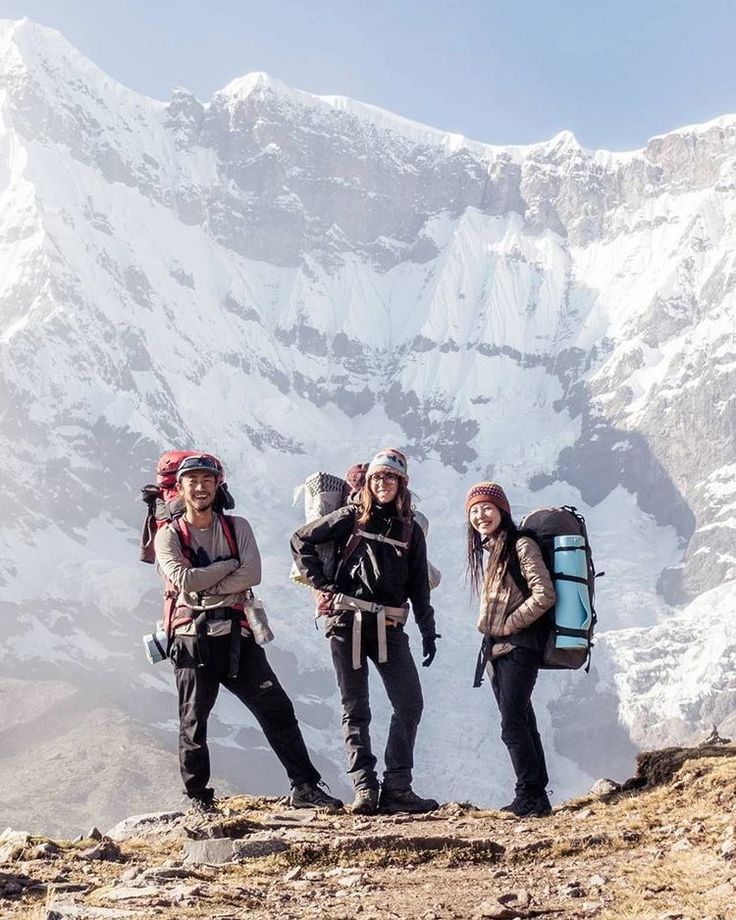

Ausangate Mountain Peru is one of the most majestic and spiritual peaks in the Andes. Rising over 6,300 meters above sea level, it stands as a sacred landmark for the local Quechua communities and a stunning destination for trekkers seeking adventure, culture, and breathtaking landscapes. Known for its turquoise lakes, snow-capped peaks, and colorful highland plains, Ausangate attracts hikers, photographers, and pilgrims from around the world.
Visitors often start their journey in Cusco, making their way through remote Andean villages where ancient traditions remain alive. Understanding the cultural, geological, and environmental aspects of Ausangate Mountain Peru ensures a richer and more meaningful trekking experience. Beyond its physical beauty, the mountain embodies history, spirituality, and natural wonders that few places on Earth can match.
Geological Formation and Unique Features

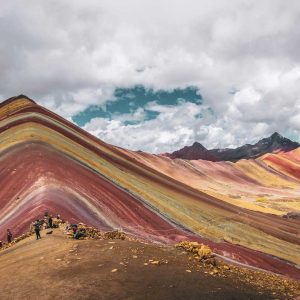
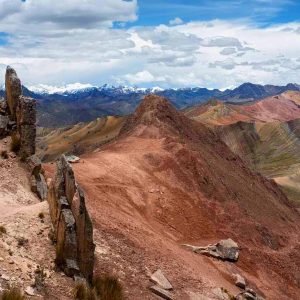
One of the most fascinating aspects of Ausangate Mountain Peru is its unique geological composition. The mountain is part of the Vilcanota range, which formed millions of years ago due to tectonic activity in the South American Andes. Its snow-capped peaks, rugged cliffs, and multi-colored mineral slopes create a dramatic landscape that contrasts with the green valleys below.
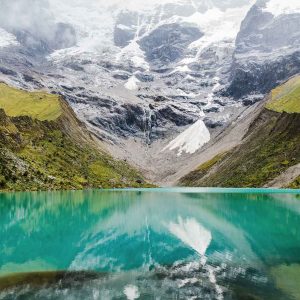
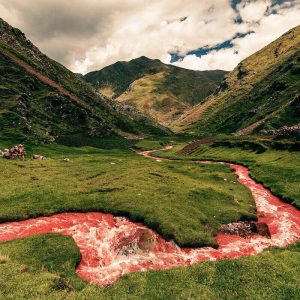
Glacial activity has carved valleys, turquoise lakes, and streams that reflect the pristine environment. Mineral deposits, particularly iron and copper, give parts of the mountain its reddish and turquoise tones, adding to the visual spectacle. These geological features not only provide stunning scenery but also shape the ecosystem and biodiversity found on the mountain.
Cultural and Spiritual Significance
Ausangate Mountain Peru is considered sacred by the local Quechua people. It is known as an Apu, or mountain spirit, which protects the land, animals, and communities in the surrounding highlands. Pilgrimages and rituals are common, particularly during the annual Qoyllur Rit’i festival, where thousands gather to honor the mountain through music, dance, and offerings.
Local herders and communities rely on the highland pastures for grazing llamas and alpacas. The rituals, stone markers, and traditional paths that wind around Ausangate highlight the deep connection between people and the land. Respecting these practices and understanding their importance is essential for any visitor to the region.
Trekking Routes Around Ausangate

The trekking routes around Ausangate Mountain Peru are renowned for their challenging terrain and breathtaking views. The most popular is the Ausangate Circuit, typically completed in five to seven days. This trek takes hikers through high mountain passes, glacial lakes, hot springs, and isolated villages, offering a comprehensive experience of the Andes.
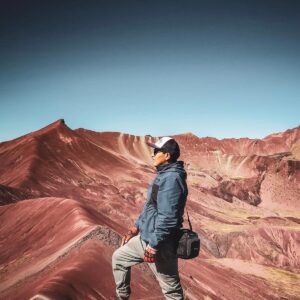
Trekkers face altitudes exceeding 5,000 meters, requiring proper acclimatization and preparation. Day-to-day highlights include Rainbow Mountain (Vinicunca), the turquoise lake of Sibinacocha, and the colorful slopes near the Pacchanta area. The trail is less crowded than the Inca Trail, providing solitude and a closer connection to nature.
Flora and Fauna of Ausangate

The ecosystems around Ausangate Mountain Peru are rich and varied, despite the extreme altitude. Hikers encounter unique flora such as native grasses, high-altitude shrubs, and seasonal wildflowers. These plants have adapted to harsh conditions, providing food for grazing animals and sustaining the local biodiversity.
Fauna includes llamas, alpacas, vicuñas, and Andean foxes. Bird species like the Andean condor, flamingos near salt lakes, and smaller highland birds offer excellent opportunities for wildlife photography. Understanding the mountain’s ecology adds depth to any trekking experience and encourages responsible interaction with the environment.
Altitude and Health Precautions

Altitude is one of the most important considerations for visitors to Ausangate Mountain Peru. Trekkers must prepare for heights above 5,000 meters, which can cause altitude sickness. Common symptoms include headaches, nausea, fatigue, and shortness of breath.
Acclimatization in Cusco or surrounding villages for a few days before starting the trek is highly recommended. Staying hydrated, avoiding alcohol, and moving at a steady pace help prevent complications. Some travelers use coca leaves or tea as a traditional remedy, but consulting a medical professional is always wise.
Best Seasons to Trek Ausangate
One of the most important ausangate mountain peru facts for travelers is choosing the right season for trekking. The dry season, from May to September, is the most popular and safest time. During these months, trails are more accessible, skies are usually clear, and the views of snow-capped peaks and turquoise lakes are spectacular.
The wet season, from November to March, brings frequent rainfall, muddy paths, and occasional snow at high altitudes. While the landscapes appear greener and waterfalls are fuller, the trek becomes more challenging. Early morning departures during the dry season maximize visibility, especially for sunrise shots and capturing the colors of glacial lakes.
Planning your trip according to seasonal patterns ensures both safety and a more enjoyable trekking experience.
Photography and Iconic Spots

Ausangate Mountain Peru offers countless opportunities for photography. From towering peaks and pristine glacial lakes to traditional highland villages, every section of the trek presents unique visual experiences. Some of the most photographed locations include:
- Rainbow Mountain (Vinicunca): Famous for its mineral stripes, this area provides one of the most iconic images associated with the Andes.
- Sibinacocha Lake: A massive turquoise lake reflecting surrounding peaks.
- Pacchanta Hot Springs: Natural pools surrounded by snowy mountains, perfect for capturing both relaxation and scenery.
Travelers are advised to carry lightweight cameras or smartphones with wide-angle lenses. Early morning or late afternoon light enhances colors, while cloudy days can add dramatic atmospheres.
Local Communities and Cultural Experiences

Trekkers on the Ausangate circuit often pass through remote Quechua villages, offering insight into traditional Andean life. Locals depend on alpaca and llama herding, weaving, and small-scale agriculture. Visitors can witness weaving techniques, taste local cuisine, and observe daily routines.
Many communities participate in rituals honoring Ausangate as a sacred mountain. Travelers may see stone altars called apachetas, symbolic offerings, and festivals that celebrate the mountain’s spiritual significance. Respectful interaction and curiosity enhance the trekking experience, providing a cultural dimension beyond natural beauty.
Trek Planning Tips
Planning a trek to Ausangate Mountain Peru requires preparation and consideration of several factors:
- Physical Fitness: The trek is challenging, with high passes exceeding 5,000 meters. Cardiovascular conditioning and leg strength are crucial.
- Gear: Proper hiking boots, layered clothing, waterproof jackets, and trekking poles improve comfort and safety.
- Acclimatization: Spending a few days in Cusco or nearby highland villages prevents altitude sickness.
- Guides and Permits: Hiring a local guide ensures safety, cultural insight, and support. While permits are not as strict as the Inca Trail, organized tours simplify logistics.
- Nutrition and Hydration: Carrying snacks and water is vital due to long distances and remote areas.
These precautions make the trek safer, more enjoyable, and help visitors fully appreciate the beauty of Ausangate Mountain Peru.
Environmental and Conservation Efforts
Tourism to Ausangate Mountain Peru has grown steadily in recent years. Responsible tourism is essential to protect fragile ecosystems, high-altitude lakes, and grazing lands. Local authorities and guides promote sustainable practices, including designated trails, waste management, and education on ecological preservation.
Visitors are encouraged to leave no trace, avoid disturbing wildlife, and respect cultural traditions. These measures help maintain the natural and spiritual integrity of the area, ensuring future generations can experience the same stunning landscapes.
Trekking Duration and Difficulty

One of the key ausangate mountain peru facts is understanding the trek’s difficulty. The full Ausangate circuit typically takes five to seven days, covering roughly 70 kilometers of high-altitude terrain. The trail passes several mountain passes exceeding 5,000 meters, making it physically demanding even for experienced hikers.
Daily hikes range from 8 to 12 kilometers, with steep ascents and descents. Cold nights, thin air, and unpredictable weather add to the challenge. Preparing physically, acclimatizing, and pacing yourself are essential strategies for completing the trek safely and enjoying every moment.
Wildlife Highlights
Ausangate Mountain Peru is home to unique high-altitude wildlife. Llamas and alpacas are commonly seen grazing in herding areas, while vicuñas, the wild relatives of llamas, inhabit higher elevations. Andean foxes and vizcachas, small rabbit-like mammals, are often spotted along rocky slopes.
Birdlife is equally impressive. The Andean condor, with its massive wingspan, often soars near mountain peaks. Flamingos can be observed near saltwater lakes, and smaller highland birds like the Andean goose or giant coot add color and movement to the landscape.
Documenting wildlife responsibly is important. Keep a safe distance, avoid feeding animals, and minimize disturbance to their natural behavior.
Essential Photography Tips
Capturing the grandeur of Ausangate Mountain Peru requires preparation. Early mornings offer soft light, ideal for photographing peaks, lakes, and valleys. Golden hour provides warm tones, especially near glacial lakes or snow-covered slopes.
Use wide-angle lenses for landscapes, while zoom or telephoto lenses help capture distant wildlife without disturbing it. Composition techniques such as leading lines, framing, and foreground elements like llamas or rock formations can add depth and interest to your photos.
Weather conditions change rapidly. Carry waterproof covers for your camera, spare batteries, and memory cards. Mist, fog, and cloud movement can add drama to your shots if used creatively.
Festivals and Spiritual Rituals
Ausangate Mountain Peru is more than a trekking destination; it is a spiritual hub. The Qoyllur Rit’i festival is one of the most famous events, held annually in May or June. Thousands of pilgrims gather to honor Ausangate and surrounding peaks, participating in dances, prayers, and rituals.
Stone altars, known as apachetas, mark sacred sites along the trails. Hikers can observe offerings such as coca leaves, chicha (fermented corn drink), or small figurines. Witnessing these rituals offers insight into the deep connection between the Quechua communities and the mountains, providing a culturally rich experience.
Accommodation Options Along the Trail
Trekking Ausangate Mountain Peru often involves staying in basic refuges or tents. Small villages along the route offer homestays where travelers can experience local food, warmth, and hospitality. Pacchanta, Tinqui, and Upis are common stops that provide meals and shelter.
Camping is another popular option for independent trekkers, allowing flexibility and closer proximity to nature. Ensure you carry lightweight sleeping bags rated for cold temperatures and tents suitable for high-altitude conditions.
Proper planning of overnight stays ensures comfort and energy for long hiking days.
Tips for Packing and Preparation
Preparing for a trek to Ausangate Mountain Peru requires careful planning. Key items include:
- Layered clothing to handle fluctuating temperatures.
- Waterproof jackets and pants to stay dry during rain or snow.
- Hiking boots with ankle support for rocky and uneven trails.
- Trekking poles to reduce strain on knees and improve balance.
- First-aid kit, sunscreen, and sunglasses to protect against high-altitude sun exposure.
Carrying a small daypack with water, snacks, and camera gear ensures you are ready for long hiking days while keeping essential items accessible.
Local Cuisine and High-Altitude Nutrition
Nutrition plays a significant role in sustaining energy during the trek. Local meals often include potatoes, quinoa, corn, and meat from llamas or alpacas. Soups and stews provide warmth and calories for high-altitude hiking.
Many trekking companies provide packed lunches with high-energy snacks like dried fruits, nuts, and chocolate. Staying hydrated and eating frequently helps combat fatigue and reduces the risk of altitude sickness. Sampling local cuisine along the route also adds a cultural and culinary dimension to your adventure.
Adventure Activities Beyond Trekking
While trekking is the primary activity, Ausangate Mountain Peru offers additional adventure opportunities:
- Horseback Riding: Some tours offer horses for portions of the trail, easing the physical challenge.
- Photography Expeditions: Dedicated tours focus on capturing landscapes, wildlife, and cultural moments.
- Hot Springs Visits: Pacchanta provides natural thermal baths, perfect for recovery and relaxation after long hikes.
These activities enhance the experience and allow visitors to explore the region in multiple ways.
Discover With Us
Ausangate Mountain Peru is not only a natural wonder but also a cultural and spiritual landmark. Understanding its geography, wildlife, traditions, and trekking routes enriches the experience, creating memories that last a lifetime.
We invite you to continue exploring with us. Follow our journeys as we share hidden gems, practical trekking tips, stunning landscapes, and insights into the Andean way of life.
Discover with us and follow our adventures on Instagram for breathtaking visuals and travel inspiration.