 English
 Spanish
 Portuguese
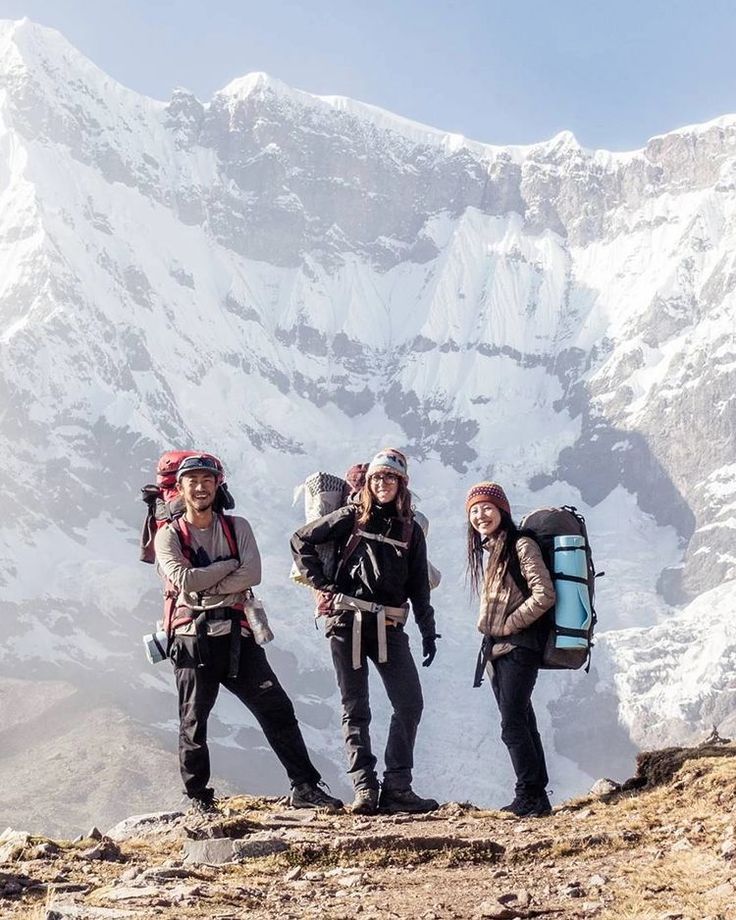

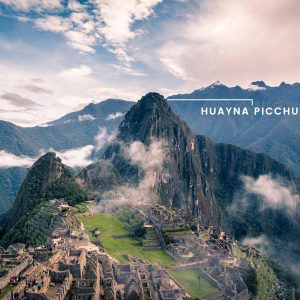
Embarking on ausangate treks is one of the most breathtaking experiences available in the Peruvian Andes. This region, dominated by the snow-capped Ausangate mountain, stands at more than 6,300 meters above sea level and is considered sacred by local communities. For hikers, adventurers, and nature lovers, this destination offers a blend of stunning landscapes, ancient traditions, and challenging routes that promise both beauty and accomplishment. Unlike the crowded paths of Machu Picchu, the Ausangate experience is raw, peaceful, and deeply connected to Andean culture.
The trek takes you through remote high-altitude trails, expansive glaciers, turquoise lagoons, alpine meadows, and traditional Quechua communities that preserve centuries-old customs. This makes the journey not just a physical challenge, but also a cultural immersion. Hikers often speak about the feeling of solitude and connection with nature that Ausangate provides—something increasingly rare in modern travel.
For those seeking a true adventure that combines difficulty, reward, and silence, Ausangate remains one of the most extraordinary trekking circuits in Peru.
2. Why Ausangate Treks Are Unique

Many trekking routes around the world offer beautiful landscapes, but ausangate treks stand out for their combination of geological diversity, spiritual significance, and untouched wilderness. This is not a standard tourist route—it’s a trail that brings you face-to-face with the raw energy of one of the most sacred mountains in the Andes.
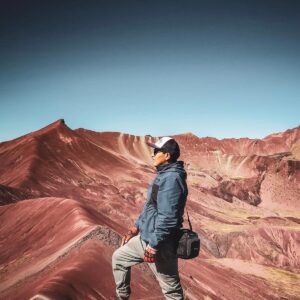
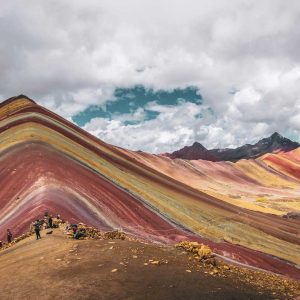
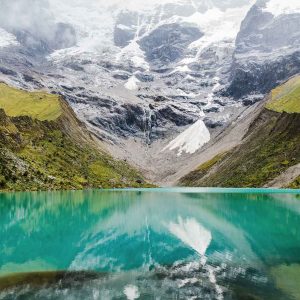
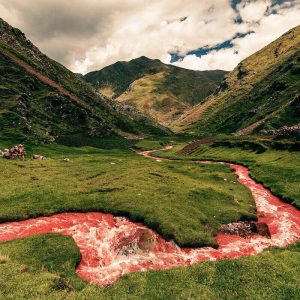
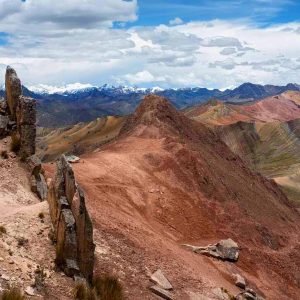
One of the most unique elements of this trek is the wide variety of natural colors found in the mountains and valleys. You encounter red hills, green slopes, yellow mineral deposits, and even the famous Rainbow Mountain, which sits close to part of the circuit. Additionally, the abundance of lagoons—each with different shades of blue, turquoise, and green—creates dreamlike scenery throughout the route.
Another aspect that sets this experience apart is the deep connection that local people have with the mountain. Ausangate is considered an “Apu,” or guardian spirit, and many traditional ceremonies still take place in its surroundings. Trekking here gives you the opportunity to witness the living culture of the Andes, represented through textiles, rituals, and daily practices that have endured for centuries.
3. Understanding the Ausangate Region Before You Go

Before you begin ausangate treks, it is essential to understand the environment you are entering. This is one of the most demanding high-altitude trekking circuits in Peru. The route takes place mostly above 4,000 meters, and several passes exceed 5,000 meters. This is much higher than most famous treks, including the Inca Trail or Salkantay, making acclimatization an absolute necessity.
The weather here is extreme. Days may bring strong sunshine, while nights can drop well below freezing. Wind, snow, and sudden temperature changes occur frequently due to the elevation and open terrain. This unpredictability is part of the adventure, but it also means preparation is crucial for a safe journey.
Wildlife is another important aspect of the region. You may encounter herds of alpacas and llamas grazing freely, along with birds like the Andean goose and the giant condor. With a bit of luck, some hikers even spot vicuñas, one of the most elegant camelid species in the Andes.
Understanding these elements ensures that you approach the trek with respect, awareness, and proper preparation.
4. How Difficult Are Ausangate Treks?

Among all trekking routes in Peru, ausangate treks are considered challenging to very challenging. The difficulty comes not only from the distance but also from the altitude, weather, and steep ascents and descents throughout the circuit.
The average trek lasts 4 to 6 days and covers between 60 and 70 kilometers. While the trails themselves are not technically complicated, walking at more than 4,800 meters requires strong cardiovascular endurance, hydration, and proper pacing. Many hikers feel shortness of breath early on due to the thinner air.
Another factor that determines difficulty is the cold. Temperatures during the night can drop to -10°C or even lower depending on the season. Proper equipment such as thermal sleeping bags, layered clothing, and waterproof gear is necessary to stay warm and comfortable.
In summary, this is not a trek for beginners. However, with preparation, acclimatization, and proper guidance, many hikers complete it successfully and describe it as one of the most rewarding experiences of their lives.
5. Popular Routes Within Ausangate Treks

There are several variations of ausangate treks, each offering unique highlights, distances, and levels of difficulty. The two most popular routes are:
a. The Classic Ausangate Circuit (4–6 Days)
This is the traditional route that circles the Ausangate mountain. It includes high mountain passes, serene lagoons, Andean communities, and spectacular views of glaciers. It’s the best option for travelers wanting a complete and immersive experience.
b. Ausangate + Rainbow Mountain Route
This variation includes the famous Rainbow Mountain (Vinicunca) either at the beginning or end of the trek. It is ideal for hikers who want the best blend of natural beauty: snow-capped mountains and colorful mineral formations. The hike to Rainbow Mountain is steep but incredibly rewarding.
c. Ausangate + Seven Lakes Route (1-Day or 2-Day Option)
While not a multi-day trek, many travelers choose to add the Seven Lakes hiking experience to their itinerary. These lagoons are known for their distinct blue and turquoise colors, and the area provides perfect conditions for photography.
6. Best Time of the Year to Do Ausangate Treks

Choosing the right season is key to enjoying ausangate treks safely and comfortably. The Andean region has two main seasons—dry and rainy—and each one impacts the trail conditions significantly.
The dry season, from May to September, is the most recommended time to hike Ausangate. During these months, skies are clearer, precipitation is minimal, and visibility is excellent. This allows hikers to enjoy panoramic views of glaciers, mountain passes, and turquoise lagoons without weather interruptions. Daytime temperatures are pleasant, although nights remain extremely cold.
The rainy season, from December to March, brings heavy rains, muddy trails, and limited visibility. Snowfall is also more common at higher elevations, which can make the path dangerous or inaccessible. Only experienced hikers or those traveling with top-tier guided tours should consider trekking during this time.
The shoulder months, April and October, offer a balance between conditions. While rain may appear occasionally, crowds are fewer, and landscapes remain vibrant. Many trekkers prefer these months for a quieter experience.
In summary, although trekking is possible year-round, the safest and most visually rewarding period is from May to September.
7. Acclimatization, A Critical Step for Success
Unlike other trekking routes, ausangate treks require proper acclimatization due to the high altitude. Most of the trail takes place above 4,000 meters, and passes can reach up to 5,200 meters. Without preparation, altitude sickness can quickly appear and affect your ability to continue.
Experts recommend spending at least 2 to 3 days in Cusco or nearby areas before beginning the trek. During this time, travelers should:
- Walk through the city at a calm pace
- Drink plenty of water
- Avoid alcohol and heavy meals
- Sleep well
- Consider short acclimatization hikes (such as Cristo Blanco, Sacsayhuamán, or Humantay Lake)
Some travelers also use coca tea or altitude tablets recommended by doctors. While these aids can help, they do not replace proper rest and hydration.
Ignoring acclimatization is one of the main reasons hikers struggle or fail to complete the route. Taking this step seriously can transform the entire trekking experience into a safer, more enjoyable adventure.
8. What to Pack for Ausangate Treks

Packing correctly is essential for completing ausangate treks comfortably and safely. The weather is harsh, and the landscape demands versatile gear that can adapt to sun, wind, rain, and freezing temperatures.
Essential Clothing
- Waterproof jacket and pants
- Insulated jacket
- Base layers for warmth
- Thermal leggings
- Trekking pants
- Fleece sweater
- Waterproof gloves
- Warm hat and sun hat
- Wool socks (several pairs)
- Comfortable trekking boots (already broken in)
Camping Equipment
If not renting or traveling with a tour:
- Four-season tent
- Sleeping bag rated for -10°C or lower
- Sleeping pad
- Lightweight stove and fuel
- Cooking equipment
- Trekking poles
Other Essentials
- Backpack (50–70 liters)
- Headlamp with extra batteries
- Sunscreen and lip balm
- Sunglasses with UV protection
- First aid kit
- Snacks rich in carbs and protein
- Water filtration system or purification tablets
- Reusable water bottles or hydration bladder
Preparing with the right gear ensures that you are ready for both the physical challenges and the rapidly changing weather of the Andes.
9. Food and Water During the Trek
Sustaining your energy during ausangate treks requires proper nutrition and hydration. Because the trail is remote, there are no restaurants or stores once you begin the route. Travelers must be self-sufficient or rely on their tour operator to provide meals.
Food
Hikers typically consume:
- Oatmeal or quinoa breakfasts
- Soups and vegetables
- Pasta, rice, and potatoes for lunch and dinner
- Tuna, eggs, or lentils for protein
- Nuts, granola, fruit, and chocolate as snacks
Carbohydrates are essential at high altitudes because your body burns more energy just to stay warm.
Water
Locals and guides recommend drinking 3 to 4 liters of water per day. The nearest sources are streams, glacial runoff, and mountain lakes, but this water must be purified. Using filters or iodine tablets ensures safe consumption throughout the trek.
Without proper hydration, altitude sickness can worsen quickly, so maintaining water intake is a top priority.
10. Guided Tours vs. Solo Trekking, What’s Better?

Choosing between a guided tour and hiking independently is a major consideration for those planning ausangate treks.
Guided Tours
Most travelers choose this option due to the high altitude and remote location. Guided tours typically include:
- Professional mountain guides
- Cooks and muleteers
- Mules or horses to carry equipment
- Meals and camping gear
- Emergency oxygen
- Transportation to and from Cusco
Tours make the trek more manageable, especially for first-time visitors to high altitudes. They also allow hikers to enjoy the landscape without carrying heavy loads.
Solo Trekking
Experienced hikers may choose to go independently, but this requires:
- Carrying your own gear
- Navigating the trail alone
- Preparing meals
- Understanding altitude management
- Responding to emergencies
While solo trekking offers more flexibility and lower costs, it is only recommended for those who have advanced experience with high-altitude trails.
11. Wildlife and Flora Along the Ausangate Route
One of the most captivating aspects of ausangate treks is the opportunity to observe unique Andean wildlife and high-altitude vegetation. Although the terrain appears harsh, the ecosystem supports a surprising variety of species adapted to cold temperatures and thin air.
Wildlife
Travelers frequently spot:
- Llamas and alpacas grazing freely across the valleys
- Vicuñas, the wild and elegant cousins of alpacas
- Andean foxes, occasionally seen near campsites
- Vizcachas, small rabbit-like mammals living among rocky cliffs
- Condors, especially in open valleys where rising winds help them glide
Birdwatchers will find the region particularly rewarding, with species such as the Andean goose, puna ibis, and crested duck populating the wetlands and lakes.
Flora
Plant life is limited due to altitude, but the native vegetation is resilient and distinctive. You’ll find:
- Ichu grass, a golden, wind-resistant grass covering hillsides
- Andean wildflowers, present in the warmer months
- Cushion plants, which help retain moisture in the soil
- Small shrubs adapted to poor, rocky environments
Together, these elements create a surprisingly colorful and dynamic landscape, even in such extreme conditions.
12. The Sacred Meaning of Ausangate in Andean Culture

For local communities, ausangate treks are not just adventure routes—they lead through one of the most spiritually important regions in the Andes. Ausangate mountain is considered an Apu, a sacred protector that watches over the surrounding villages.
Traditional beliefs hold that the Apu provides water, fertility, and protection. Many locals perform rituals such as “pagos a la tierra” (offerings to the earth) to express gratitude and seek blessings. These ceremonies include coca leaves, chicha, and symbolic items buried as offerings.
Travelers may witness shepherds or local families performing small rituals along the way. This spiritual dimension adds depth to the trek, reminding visitors that the landscape is not merely scenic—it carries living cultural significance.
The trek also passes through communities like Chillca and Pacchanta, where alpaca herders preserve ancient weaving traditions. Many of the textiles crafted here use natural dyes and techniques passed down for generations. These cultural encounters enrich the trekking experience beyond its natural beauty.
13. Ausangate’s Most Stunning Lagoons

One of the highlights of ausangate treks is the series of vibrant lagoons surrounding the mountain. Each lagoon has a distinct color due to mineral content, algae presence, and glacial reflection. The Seven Lakes area is particularly famous.
Some of the most notable lagoons include:
- Lake Pucacocha – known for its deep turquoise tone
- Lake Jatun Pucacocha – one of the largest and most photogenic
- Lake Azulcocha – a bright blue lagoon created from glacial melt
- Lake Qomercocha – emerald-green waters reflecting nearby peaks
- Lake Otorongo – darker waters and a peaceful atmosphere
- Lake Alqa Cocha – surrounded by red mineral hills
These lagoons are not only beautiful but also serve as crucial water sources for local communities and wildlife. Most trekkers find them to be some of the most memorable stops along the journey.
14. Rainbow Mountain and Its Connection to Ausangate
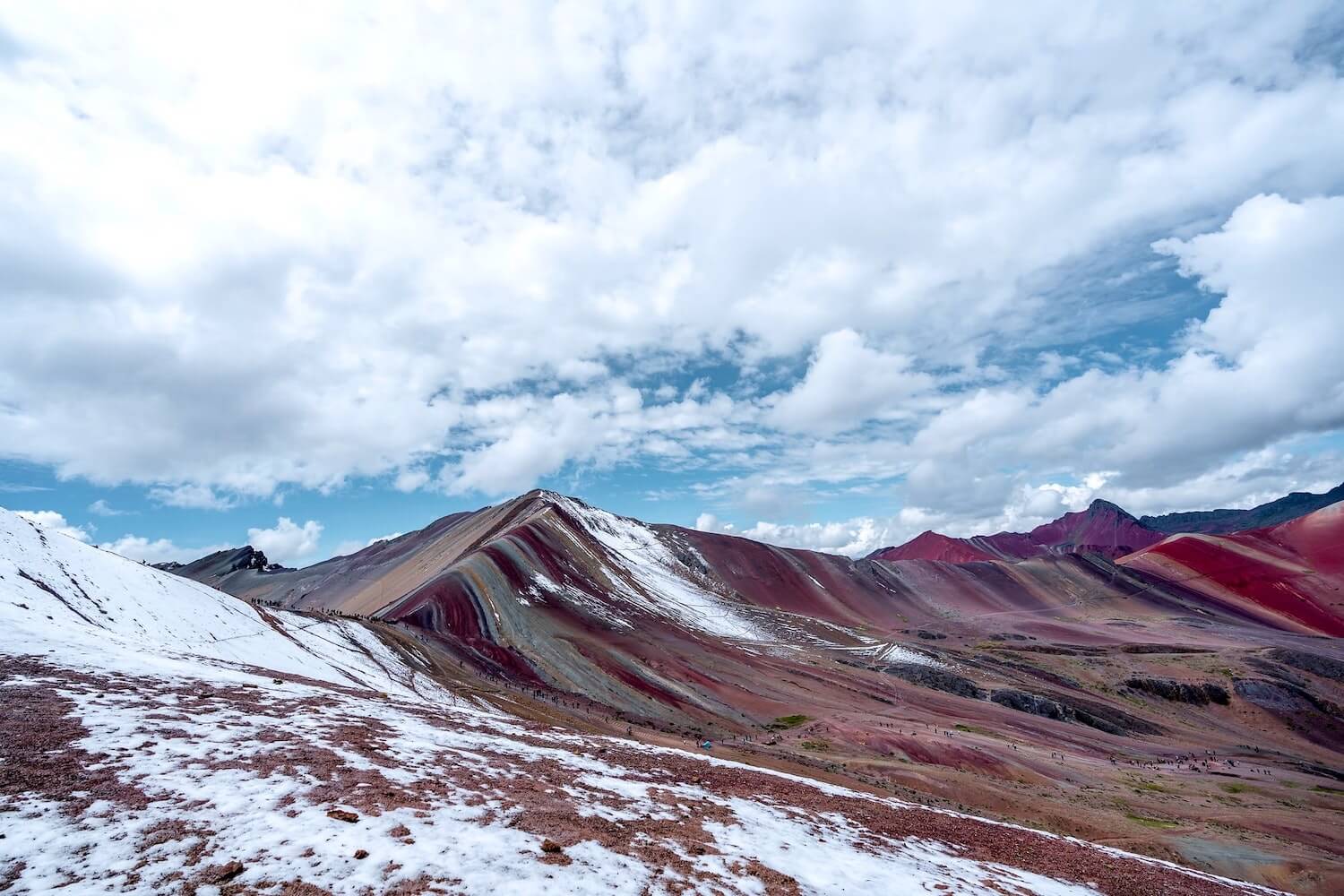
Many travelers who embark on ausangate treks choose to include a visit to the famed Rainbow Mountain, also known as Vinicunca. This colorful formation sits relatively close to the Ausangate circuit and can be accessed either before or after the main trek.
Rainbow Mountain became famous globally due to its natural stripes created by mineral deposits. The colors include red, yellow, green, and purple bands, forming one of the most unusual terrains in the Andes.
Adding Rainbow Mountain to your Ausangate itinerary offers:
- A perfect blend of glaciers and colorful mineral landscapes
- A unique photographic opportunity
- A viewpoint from over 5,000 meters with panoramic scenery
However, because Rainbow Mountain attracts many tourists, hikers appreciate that the Ausangate circuit remains far more peaceful and untouched. Combining both experiences provides the best of both worlds.
15. Daily Life on the Trek, What to Expect
Understanding what days look like on ausangate treks helps set realistic expectations. Each day typically starts early, with most hikers waking up around sunrise due to the cold and daylight hours.
Typical Trekking Day
- 5:00–6:00 a.m. – Wake-up call with warm tea
- 6:30–7:30 a.m. – Breakfast and packing gear
- 7:30 a.m.–12:00 p.m. – Morning trekking session
- 12:00–1:00 p.m. – Lunch break
- 1:00–4:00 p.m. – Afternoon trekking session
- 4:00–5:00 p.m. – Arrival at campsite
- 6:00 p.m. – Dinner and rest
Nights are cold and quiet, offering a clear view of the stars. Because light pollution is almost nonexistent, the Milky Way becomes visible in extraordinary detail.
The routine becomes part of the charm of the trek. With no internet or phone service in most parts, hikers reconnect with nature, their senses, and their own thoughts.
16. Photography Tips for Ausangate Treks

Photographing the landscapes of Ausangate is a dream come true, but the conditions can be challenging. Here are essential tips to capture the best moments:
- Shoot early or late for the best light and softer shadows.
- Protect your camera batteries from the cold by keeping them close to your body.
- Use a polarizing filter to enhance lagoon colors.
- Capture scale by including hikers or animals in your shots.
- Take panoramic photos at mountain passes.
- Keep lens cloths handy due to sudden temperature changes.
Whether using a professional camera or a smartphone, the landscapes provide amazing photography opportunities.
17. Costs of Ausangate Treks: What to Expect
Understanding the total cost of ausangate treks helps travelers plan efficiently. Prices vary depending on the season, type of tour, duration, and inclusions. Overall, the trek is more affordable than other major Peruvian routes like the Inca Trail.
Guided Tour Prices
A standard guided tour for 5 or 6 days usually ranges from:
- $350 to $650 USD (group tours)
- $700 to $1,200 USD (private tours)
These tours generally include:
- Professional guide
- Transportation
- Meals
- Camping equipment
- Pack animals
- Oxygen and first aid
- Entrance fees
Higher-end companies provide upgraded meals, better gear, and personalized service.
Independent Hiking Costs
If trekking independently, costs vary based on:
- Gear rental
- Food and supplies
- Transport from Cusco
- Campsite fees
Most solo hikers spend between $150 and $300 USD total. However, this requires carrying your own equipment and having strong navigation skills.
18. Safety Tips for Ausangate Treks
Safety is essential when tackling ausangate treks, as the route is remote, cold, and high-altitude. Here are key considerations:
Altitude Awareness
Symptoms like headaches, nausea, or dizziness should not be ignored. Descending to a lower altitude is often the best remedy.
Weather Preparation
Weather can change rapidly. Proper clothing layers and waterproof gear are crucial.
Hydration and Nutrition
Drink plenty of water and eat regularly to maintain energy levels.
Travel With a Guide (Recommended)
Most emergencies on Ausangate happen to solo trekkers. Guides carry oxygen, radios, and experience needed for quick responses.
Respect Local Communities
Ask before photographing people, respect grazing areas, and avoid disturbing wildlife.
Following these precautions ensures a safe trekking adventure from start to finish.
19. Sustainability and Responsible Trekking
Because ausangate treks pass through delicate ecosystems and indigenous territories, responsible travel is essential.
Leave No Trace Principles
- Pack out all trash
- Avoid stepping on fragile vegetation
- Do not disturb animals
- Stay on marked trails
Support Local Communities
Buying textiles or snacks from local residents supports their livelihoods and keeps cultural traditions alive.
Respect Sacred Sites
Ausangate is a protector mountain. Treat the area with humility and cultural sensitivity. Travelers who approach the trek respectfully contribute to preserving it for future generations.
20. Who Should Choose Ausangate Treks?
The trek is perfect for:
- Experienced hikers seeking a challenge
- Nature lovers wanting remote landscapes
- Photographers chasing unique scenery
- Travelers interested in Andean culture
- People who prefer quiet trails over crowded ones
It may not be ideal for:
- Beginners with no trekking experience
- Travelers sensitive to altitude
- People looking for luxury accommodation
- Those unwilling to face cold temperatures
If you enjoy adventure and natural beauty, Ausangate offers an unforgettable journey.
21. Why Ausangate Is One of Peru’s Greatest Treks
Among the many trekking routes in the Andes, ausangate treks stand out as an extraordinary experience filled with breathtaking landscapes, spiritual heritage, and physical challenge. The combination of glaciers, lagoons, wildlife, and high passes creates a journey unlike any other. It’s a route that demands preparation and respect, but rewards hikers with moments of peace, achievement, and connection with nature.
For those seeking a trek that combines adventure, culture, and untouched wilderness, Ausangate remains one of the most remarkable destinations in Peru—and perhaps the entire world.
Discover With Us — Follow Our Adventures
Your journey doesn’t have to end here.
If you want more trekking guides, travel inspiration, and real experiences from the Peruvian Andes:
Discover more routes, tips, and adventures with us.
Follow us on Instagram for daily updates, photos, and behind-the-scenes content:
@machupicchu.mp
Join our community and explore Peru’s most stunning destinations together.