 English
 Spanish
 Portuguese

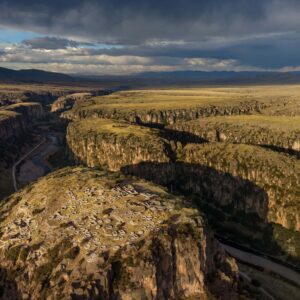
Choquequirao is one of Peru’s most extraordinary archaeological sites, often referred to as the “sacred sister” of Machu Picchu. Unlike its world-famous counterpart, Choquequirao remains remote, peaceful, and uncrowded, offering travelers a rare opportunity to explore an authentic Inca citadel without the pressure of mass tourism. This unique atmosphere has made choquequirao treks increasingly popular among adventurers seeking a deeper and more immersive experience in the Andes.
Located high above the Apurímac River Canyon, the site sits at an altitude of about 3,050 meters, surrounded by dramatic mountains, lush cloud forests, and expansive valleys. Its remote location has protected it from large crowds, preserving its mystery and sense of discovery. Travelers who visit often describe it as one of the most rewarding journeys of their lives.
The site itself stretches across a series of terraces, plazas, temples, and ceremonial platforms. Only about 30–40% of Choquequirao is fully excavated, leaving much of it still hidden beneath vegetation. This adds to its archaeological significance and to the feeling that visitors are stepping into a place where time stands still.
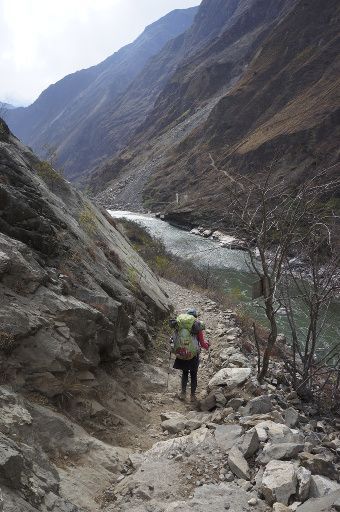
Getting to Choquequirao requires effort. There is no train, no road, and no direct bus. The only way to reach it is by hiking for multiple days through deep canyons and steep ascents. This is what makes choquequirao treks so appealing—travelers are rewarded not just with an incredible destination but with a challenging and unforgettable journey.
Whether you are an avid hiker, a history enthusiast, or a traveler seeking untouched landscapes, Choquequirao offers an adventure found in very few places in the world. This guide will walk you through every detail you need to know, from routes and difficulty levels to packing tips, best seasons, and what to expect on the trail.
Why Choquequirao Is Worth the Journey

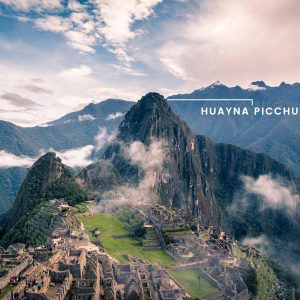
Travelers often compare Choquequirao and Machu Picchu, but the two sites offer very different experiences. While Machu Picchu receives thousands of visitors each day, Choquequirao remains a destination for those willing to venture off the beaten path. This exclusivity is one of the main reasons choquequirao treks have captured the attention of international hikers.
One of the most compelling aspects of Choquequirao is its atmosphere. Standing on its terraces, surrounded by silence and towering mountains, gives visitors a sense of connection with the past that is hard to find elsewhere. The tranquility of the site allows travelers to explore at their own pace, take photos without crowds, and truly appreciate the engineering brilliance of the Inca civilization.
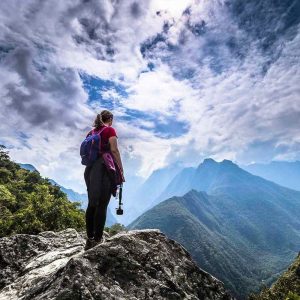
The natural environment surrounding Choquequirao is equally breathtaking. The trail passes through multiple ecosystems, including dry mountain forests, lush cloud forests, and humid valleys. Wildlife sightings are common. Travelers may encounter hummingbirds, condors, butterflies, and sometimes even spectacled bears in the distance. The diversity of landscapes makes the trek a highlight in itself.
Another important factor is the cultural authenticity of the journey. The communities along the route maintain traditional lifestyles that reflect the history and heritage of the Andes. Interacting with local families, buying food from small rest stops, and observing daily life in remote villages adds a meaningful cultural dimension to the adventure.
For many hikers, the physical challenge becomes an unforgettable accomplishment. The trek includes steep descents into one of the deepest canyons in South America, followed by demanding ascents toward the archaeological site. Completing the journey creates a strong sense of achievement felt by trekkers long after they return home.
If you are seeking an adventure that combines natural beauty, cultural richness, historical depth, and physical endurance, Choquequirao stands out as one of the most rewarding destinations in Peru.
Overview of Choquequirao Treks and Route Options

Unlike other famous hiking routes in Peru, the trek to Choquequirao offers multiple variations, each one suitable for different types of travelers. Some routes take four days, while others extend to eight or even nine days, especially when combined with Machu Picchu. Understanding these route options helps visitors choose the experience that suits their fitness level and travel goals.
The classic route is a four-day round trip from the town of Cachora. This itinerary involves hiking down to the Apurímac River, then ascending to the Choquequirao archaeological site, spending a day exploring, and returning the same way. It is physically demanding but achievable for hikers with moderate preparation.
Another option includes a five-day route that adds more time at the ruins and spreads out the distances to reduce fatigue. This version is popular for travelers who want a less rushed visit and prefer to avoid long trekking days.
For the most adventurous, there is a longer extension that combines Choquequirao with Machu Picchu. This route typically takes seven to nine days and crosses multiple passes, remote valleys, and high-altitude landscapes. It is considered one of the best multi-day hikes in South America due to its diversity and remoteness.
Some agencies also offer a route starting in Huanipaca, which provides stunning views of the Apurímac Canyon and includes different campsites. While less common, it is favored by trekkers who want a quieter and more solitary experience on the trail.
These variations are what make choquequirao treks attractive for all kinds of hikers. Whether you want a short but intense adventure or a long expedition through remote Andean terrain, there is a route designed for your style of travel.
Difficulty Level, What to Expect on the Trail

The Choquequirao route is known for being physically challenging. Unlike other famous hikes in Peru, such as the Inca Trail, the path to Choquequirao requires long days of steep ascents and descents. This is one of the main reasons choquequirao treks attract travelers who are looking for a demanding but rewarding adventure.
The trail begins with a long descent into the Apurímac Canyon, dropping more than 1,500 meters in altitude. Descending seems easy at first, but the constant pressure on the knees and ankles can become tiring. The climate also becomes warmer as you approach the canyon floor, adding another layer of difficulty.
After crossing the suspension bridge at the bottom of the canyon, the real challenge begins. The climb toward Marampata is intense and almost entirely uphill. Many hikers consider this section the hardest of the entire trek. Depending on your pace, the ascent can take between four and six hours. The reward is reaching Marampata, where you will enjoy breathtaking views and a cooler climate.
Once you reach the archaeological site itself, the terrain becomes easier to navigate. Walking through Choquequirao’s plazas, terraces, and ceremonial structures is much less demanding than the hike to get there. Most travelers spend several hours exploring, taking photos, and resting before beginning the return journey.
The combination of altitude, steep terrain, and long distances makes this trek suitable for intermediate to advanced hikers. However, beginners with good preparation and determination can also complete it successfully. Proper acclimatization in Cusco is essential and helps reduce fatigue during the climb.
Despite the difficulty, the sense of achievement upon reaching Choquequirao is unmatched. Many trekkers say the challenge is part of what makes the experience unforgettable.
Best Time of Year to Hike to Choquequirao

Choosing the right time to do choquequirao treks can significantly impact your experience. The Andes have two main seasons: the dry season and the rainy season. Each one offers different conditions for hikers.
The dry season, from May to September, is considered the best time for trekking. During these months, the weather is more stable, with sunny days and minimal rainfall. The trail is less slippery, river levels are lower, and visibility is excellent, offering stunning views of the Apurímac Canyon and surrounding mountains. However, this is also the busiest time of year—although Choquequirao never gets crowded, you will see more travelers on the trail.
The rainy season, from November to March, presents different challenges. Heavy rain can make the path muddy and more difficult to navigate. Landslides are also more common during this period, especially along steep sections. Despite these conditions, some hikers prefer the rainy season because the landscapes become vibrant and green. Waterfalls appear along the route, and the cloud forests are at their most lush.
The shoulder months—April and October—offer a balanced option. Weather is generally mild, crowds are minimal, and the environment is still green from the recent rains. Many hikers consider these months ideal for choquequirao treks.
Temperature is another factor to consider. Nights can be very cold at higher altitudes, especially during the dry season. Bringing adequate layers and a warm sleeping bag is crucial for a comfortable experience.
Regardless of the month you choose, preparation is key. With proper gear and planning, the trek can be enjoyed year-round.
Wildlife and Natural Scenery on the Route
One of the biggest attractions of choquequirao treks is the rich biodiversity found along the trail. The route crosses multiple ecosystems, each offering a unique combination of flora and fauna.
The Apurímac Canyon is known for its impressive birdlife. Condors are often spotted gliding across the sky, especially during early morning hours. Hummingbirds are abundant, feeding from orchids and other high-altitude flowers. Trekking through this region feels like walking through a natural sanctuary.
The cloud forest area, located between Marampata and Choquequirao, is home to a variety of mammals. With some luck, hikers may spot the elusive Andean spectacled bear, known locally as the “oso de anteojos.” Although sightings are rare, signs of their presence—such as scratched trees or tracks—are commonly observed.
The vegetation along the trail varies dramatically. Dry cacti and bushes dominate the lower canyon, while lush ferns, moss, and orchids appear as you climb higher. The mountains surrounding the region create a dramatic backdrop, especially during sunrise or sunset.
Water is also a central element of the landscape. Small streams cross the path, and during the rainy season, waterfalls cascade down the cliffs. These natural features add to the beauty of choquequirao treks, creating a dynamic environment that changes with the seasons.
For nature lovers and photographers, the route is an endless source of inspiration. Every turn reveals new colors, textures, and wildlife encounters that make the journey truly special.
Cultural and Historical Significance of Choquequirao

Choquequirao holds deep historical importance within the Inca civilization. Although it is often compared to Machu Picchu, the two sites served different purposes. Many archaeologists believe Choquequirao was a ceremonial and administrative center, strategically positioned to control access to the Vilcabamba region.
The layout of the city reflects advanced Inca planning and engineering. Its terraces are among the most impressive in the empire, extending across steep mountain slopes with precise stonework. These terraces were used for agriculture, water management, and ceremonial functions.
One of the most iconic features of Choquequirao is the set of llama-shaped terrace figures located on the south side of the complex. These stone designs represent the significance of camelids in Inca culture, symbolizing fertility, trade, and ritual offerings.
The city also includes temples, storage buildings, residential areas, and ceremonial platforms. Although only a portion of the site is excavated, ongoing archaeological work continues to reveal new structures and pathways. This sense of mystery is one of the elements that make choquequirao treks so fascinating.
Historically, Choquequirao played a crucial role during the resistance against the Spanish conquest. It served as one of the final refuges for Inca leaders who retreated into remote regions to continue their fight. Walking through its plazas and stairways feels like stepping back into this turbulent period of Andean history.
By the time visitors return from the site, many describe feeling a stronger connection to the Inca world. The blend of nature, architecture, and cultural heritage creates an experience that is both educational and deeply emotional.
What to Pack for the Choquequirao Trek

Packing properly is essential for a successful journey. Because choquequirao treks involve steep climbs, changing climates, and long hiking days, your gear must cover a variety of needs. A well-prepared backpack can make the difference between a comfortable adventure and an exhausting challenge.
Start with the basics. Good-quality hiking shoes are crucial. They should be broken in, have strong ankle support, and offer excellent traction. The terrain includes loose gravel, steep switchbacks, and sometimes muddy sections, especially during the rainy season.
Clothing should be lightweight, moisture-wicking, and easy to layer. Temperatures can change quickly as you move between different altitudes. Bring thermal layers for cold nights, a fleece jacket for evening temperatures, and a waterproof outer shell to protect against unexpected rain. A hat, gloves, and sunglasses are also recommended.
Hydration is key on this trek. Carry at least two liters of water and consider using a filtration bottle or purification tablets, as natural water sources are available along the route. Snacks such as nuts, dried fruit, and energy bars help maintain your energy during long climbing days.
Camping gear depends on whether you are trekking independently or with a tour company. If you go with an agency, they typically provide tents, cooking equipment, and sleeping mats. However, bring your own sleeping bag rated for sub-zero temperatures. Nights can get very cold at higher elevations.
Other essentials include trekking poles, sunscreen, insect repellent, a headlamp, and a basic first-aid kit. Trekking poles are especially helpful during steep descents and long climbs. A portable power bank will allow you to keep your phone and camera charged for photos along the route.
Packing smart ensures that you enjoy the trek comfortably, safely, and with fewer surprises along the way.
Food and Water Availability on the Route

Food on choquequirao treks varies depending on whether you hike independently or with a tour operator. Most guided tours provide full meals, including breakfast, lunch, dinner, and snacks. Meals typically include traditional Peruvian dishes such as soups, rice, quinoa, vegetables, and proteins like chicken or eggs.
Independent trekkers can purchase simple meals at certain rest stops along the route, especially in Chiquisqa and Marampata. These small family-run establishments offer items such as rice dishes, pasta, soups, and hot drinks. It’s a good idea to bring some additional snacks to supplement what is available.
As for water, natural sources are plentiful, but they must be treated before consumption. Carrying a filtration system or purification tablets is highly recommended. If you trek with a tour company, they will usually boil water for you each day.
Proper nutrition and hydration are critical due to the physical demands of the trail. Eating lightweight but energy-rich foods helps maintain stamina, while drinking water consistently reduces the risk of altitude sickness and dehydration.
Camping Spots and Accommodation During the Trek
The route to Choquequirao includes several designated camping areas. The most common campsites are Chiquisqa, Santa Rosa, and Marampata. Each location offers basic facilities, such as flat surfaces for pitching tents and simple restrooms.
Chiquisqa is located at a lower altitude and has a warm climate. Many trekkers choose to stay here on the first night. Santa Rosa is situated halfway up the climb toward Marampata and is often used by hikers who prefer to break the ascent into smaller segments.
Marampata is the most popular campsite near the archaeological site. The views overlooking the canyon are spectacular, especially at sunrise and sunset. From here, it takes roughly one and a half to two hours to reach Choquequirao, making it convenient for an early start.
While the campsites are basic, the natural surroundings make the experience memorable. Watching the stars from a quiet mountainside, surrounded by silence and towering peaks, is one of the highlights of choquequirao treks.
Independent trekkers must carry their own tents and camping gear. Guided tours handle all camp setup and logistics, providing greater comfort for those who prefer not to carry heavy loads.
Visiting the Archaeological Site, What You’ll See
Exploring the Choquequirao ruins is the most rewarding part of the journey. The site is vast, and many travelers are surprised by its size and complexity. Spending a full day or at least several hours inside the complex is essential to appreciate its history and beauty.
The main plaza is one of the first structures visitors encounter. It is surrounded by ceremonial buildings and provides a clear view of the surrounding mountains. From there, a network of stone stairways leads to other sectors.
The lower terraces are among the most iconic features of Choquequirao. Their massive agricultural design demonstrates the Inca mastery of adapting architecture to extreme landscapes. These terraces once produced crops that sustained the population living on the mountain.
The llama terraces, located on the southern slope, are a highlight of the site. Stone figures of llamas are embedded into the terrace walls, forming unique geometric designs that showcase Inca cultural symbolism. This area is particularly striking during the late afternoon when the sunlight creates contrasting shadows.
Other structures include storage buildings, ceremonial platforms, water channels, and temples. Because much of the site remains unexcavated, visitors often feel like explorers discovering hidden corners rarely visited by others.
The peaceful atmosphere allows travelers to walk through the ruins at their own pace, take photographs without crowds, and truly connect with the history of the place. The sense of solitude and grandeur is what sets choquequirao treks apart from other hiking experiences in Peru.
Extending Your Trek to Machu Picchu
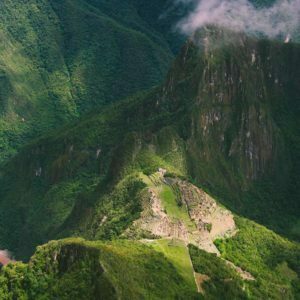
For hikers seeking an even greater adventure, the Choquequirao-to-Machu Picchu route is one of the most epic treks in South America. This extended journey typically takes seven to nine days and connects two of the most significant Inca archaeological sites.
The route crosses remote valleys, high passes, and diverse ecosystems. You will trek through sections rarely explored by tourists, giving the extension a sense of wilderness and authenticity. Many hikers describe this route as a pilgrimage through the heart of the Andes.
Reaching Machu Picchu after days of hiking creates an emotional and triumphant conclusion to the adventure. Unlike arriving by train or bus, completing this trek gives travelers a profound appreciation for the history and landscape of the region.
This extended version of choquequirao treks is recommended for experienced hikers due to its length and difficulty. However, the reward is unmatched, making it one of the most memorable trekking routes in the world.
Final Thoughts, Why Choquequirao Treks Are Worth Every Step
Choosing choquequirao treks means embracing one of the most authentic and rewarding adventure experiences in Peru. While it requires physical effort and multiple days of remote hiking, the reward is incomparable. You explore an ancient Inca city still wrapped in mystery, far from crowds, surrounded by pure nature, and immersed in a powerful sense of history that few sites can offer.
This trek stands out because it is not defined by convenience but by meaning. It forces you to slow down, disconnect from routine, and appreciate the mountains, valleys, and archaeological wonders in their purest form. Every step feels purposeful, and every viewpoint reminds you why Choquequirao is often called “the sister city of Machu Picchu.”
For travelers seeking authenticity, solitude, and a deeper connection with Peru’s cultural legacy, this trek represents the perfect choice. It is more than a hike—it’s a journey into the heart of the Andes and into the story of an empire that shaped an entire continent.
Discover With Us & Follow Our Journey
If you want to continue exploring Peru’s hidden wonders, stay updated with trekking tips, and discover new routes before anyone else, we invite you to join our community.
Follow us on Instagram for daily travel inspiration, behind-the-scenes content from expeditions, and real-time updates about trail conditions, weather, and new trekking experiences.
Follow us on Instagram: @machupicchu.mp
Let’s discover the Andes together—one trail at a time.