 English
 Spanish
 Portuguese
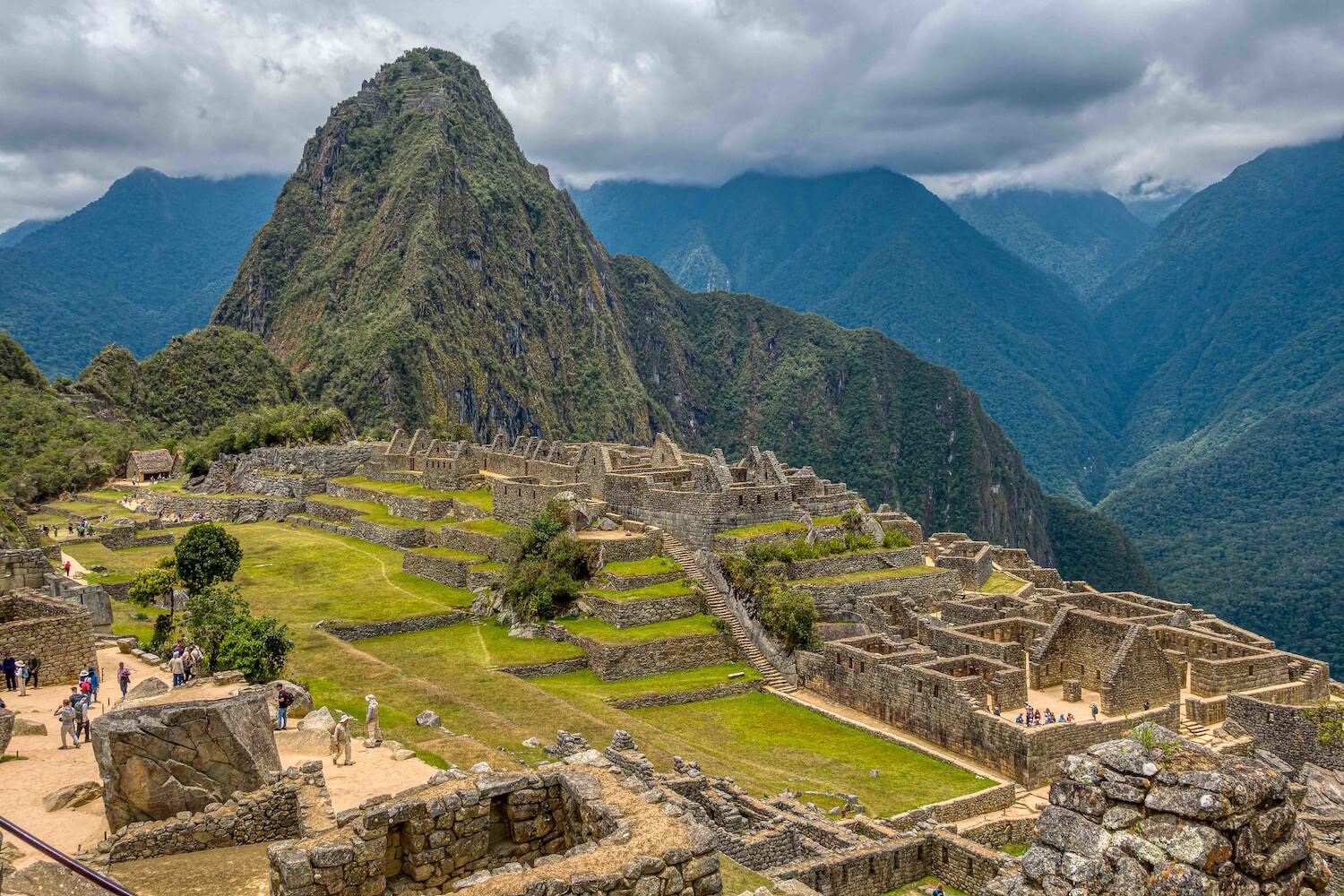

Understanding the distance from lima to machu picchu is the first step for planning a smooth trip through Peru. Many travelers think the sites sit close to each other. Yet the journey involves several stages, changing landscapes, and a mix of transportation methods. Because of this, the trip feels long but also rewarding. The route connects the coast, the Andes, and the Amazon edge, creating one of the most diverse travel experiences in South America.
Travelers often start with a simple question. How far is the ancient citadel from the capital? The answer is not direct because no road links the two destinations in a single stretch. Instead, the route breaks into flights, trains, and buses. Each step adds a new layer of scenery and culture. This complexity makes the trip more interesting when you understand it well. Clear planning helps avoid stress and saves both time and energy.
Therefore, this guide explains every important point. You will explore distance, route options, time estimates, and essential tips. The goal is simple. You will understand the journey fully before booking tickets or choosing your travel season. With this knowledge, your visit becomes easier, safer, and far more enjoyable.
The Real Distance and Why It Is Not a Simple Number

The distance from lima to machu picchu seems easy to measure. On a map, the straight-line distance appears short. But Peru’s geography changes the experience completely. Mountains rise quickly between the coast and the highlands. Rivers carve deep valleys. Clouds create shifting conditions. Because of this, the direct distance has little meaning for travelers planning a real route.
Travelers must consider two stages. First, the trip from Lima to Cusco. Second, the route from Cusco to Machu Picchu. Together, these stages form the complete experience. This structure shapes travel timing, cost, and logistics. It also explains why most visitors spend at least two days before reaching the archaeological site.
Even though the regions connect well, each section requires its own planning. Weather, altitude, local schedules, and seasonal demand influence the total time. By understanding these elements, travelers prepare wisely. They pack better, rest more, and choose hours that reduce delays. With good planning, the long journey becomes smooth and pleasant.
Lima to Cusco, First Stage of the Journey

The flight from Lima to Cusco represents the fastest and most common first step. Although the distance from lima to machu picchu includes this section, travelers focus mainly on the flight time. Most flights last about one hour. This quick transition surprises many visitors because the landscapes change completely in such little time. Lima sits at sea level while Cusco rests high in the Andes.
Even so, the flight portion remains easy. Airlines operate many daily routes, especially during high season. Because of the frequency, travelers have flexibility when choosing departure times. Morning flights are usually more stable because weather conditions improve earlier in the day.
After arrival, travelers must adapt to the altitude. The contrast between sea level and high elevation affects breathing, movement, and energy. With some rest and hydration, most visitors adjust quickly. This adaptation period prepares travelers for the second stage of the journey.
Cusco offers many services that make the transition easier. Hotels, cafés, and transportation companies understand the needs of new arrivals. Because of this, the city functions as a strong base before continuing toward the Sacred Valley.
Cusco to the Sacred Valley, The Heart of the Travel Route

The Sacred Valley lies between Cusco and Machu Picchu. This region serves as a resting point and a transportation hub. Although travelers focus on the final destination, the Sacred Valley adds depth to the overall journey. Small towns, markets, and views enrich the experience. The valley also sits at a lower altitude, which helps travelers adjust more comfortably.
Reaching the valley requires one to two hours by car or bus. The route passes through winding roads but remains safe and pleasant. Morning and midday departures offer the best visibility. Because the distance from lima to machu picchu involves these segments, understanding these timings helps travelers plan well.
Most visitors stay in towns like Ollantaytambo or Urubamba. These towns offer access to train stations and calm environments. Choosing one of them reduces travel fatigue. It also creates a smoother transition to the final stage toward Machu Picchu.
Trains Toward Machu Picchu, The Most Scenic Stage of the Journey

Travelers reach Machu Picchu by train from either Ollantaytambo or Poroy. This portion transforms the entire experience. The train ride serves as both transportation and a scenic journey through valleys, rivers, and dense forests. Even though the distance from lima to machu picchu includes several stages, this final transportation step feels the most relaxing. The landscapes shift gradually from highland fields to lush subtropical vegetation. The transition creates excitement and sets the tone for the final visit.
Two major companies operate the route. Both offer different classes, from budget to premium options. They run multiple departures each day. Morning departures usually offer the clearest views, while late-afternoon rides feel peaceful and calm. The trip lasts from 90 minutes to almost two hours depending on the chosen station. Travelers often describe this ride as a highlight because the scenery remains stunning throughout the entire route.
After arriving at Aguas Calientes, visitors must board a bus for the last ascent. This step takes about 25 minutes. The road climbs through switchbacks with mountain walls on one side and deep valleys on the other. Despite the curves, it remains safe. Many travelers reach the gate of the archaeological site with a sense of awe after witnessing the changing landscapes of the region.
Total Travel Time From Lima to Machu Picchu

Understanding the full travel duration helps travelers plan their itinerary clearly. The distance from lima to machu picchu becomes more meaningful when evaluated through time rather than kilometers. The complete trip usually takes between 12 and 24 hours when combined across stages. The timeline depends on flight schedules, layovers, acclimatization needs, and train availability.
A fast route looks like this:
• One-hour flight from Lima to Cusco
• One-hour transfer to the Sacred Valley
• 90-minute train ride to Aguas Calientes
• 25-minute bus ride to the site
A slower but more comfortable version may include a night in the Sacred Valley. This option reduces altitude shock and allows more time to enjoy the region. Many travelers choose this approach because it creates a balanced travel rhythm.
Even though the distance feels long, the journey flows smoothly with proper planning. When each stage aligns well, travelers enjoy a seamless transition from coast to mountains. The variety of landscapes makes the total time worthwhile and meaningful.
Why Weather Shapes the Entire Journey

Weather conditions influence each stage of travel. Peru has two main seasons: dry and wet. The dry season runs from May to October. The wet season runs from November to April. These cycles shape flight reliability, visibility, and transportation schedules. Because the distance from lima to machu picchu involves mountains and narrow valleys, weather changes affect timing.
During the dry season, skies remain clear and views become exceptional. Flight delays decrease, and roads remain stable. Train windows offer impressive visibility, making the experience even more enjoyable. For many travelers, this season delivers the smoothest possible journey.
The wet season brings afternoon rain and more variations in cloud cover. Flights still operate safely, but delays become more common. Rivers swell, and vegetation grows thick. Travelers who enjoy a lush environment prefer this season because landscapes appear brighter and greener. Even so, planning extra time for transfers helps prevent unnecessary stress.
Both seasons maintain their own charm. The key is flexibility. With a relaxed approach, you can adapt to minor changes while enjoying each stage of the route.
Altitude and Health Tips for a Comfortable Journey
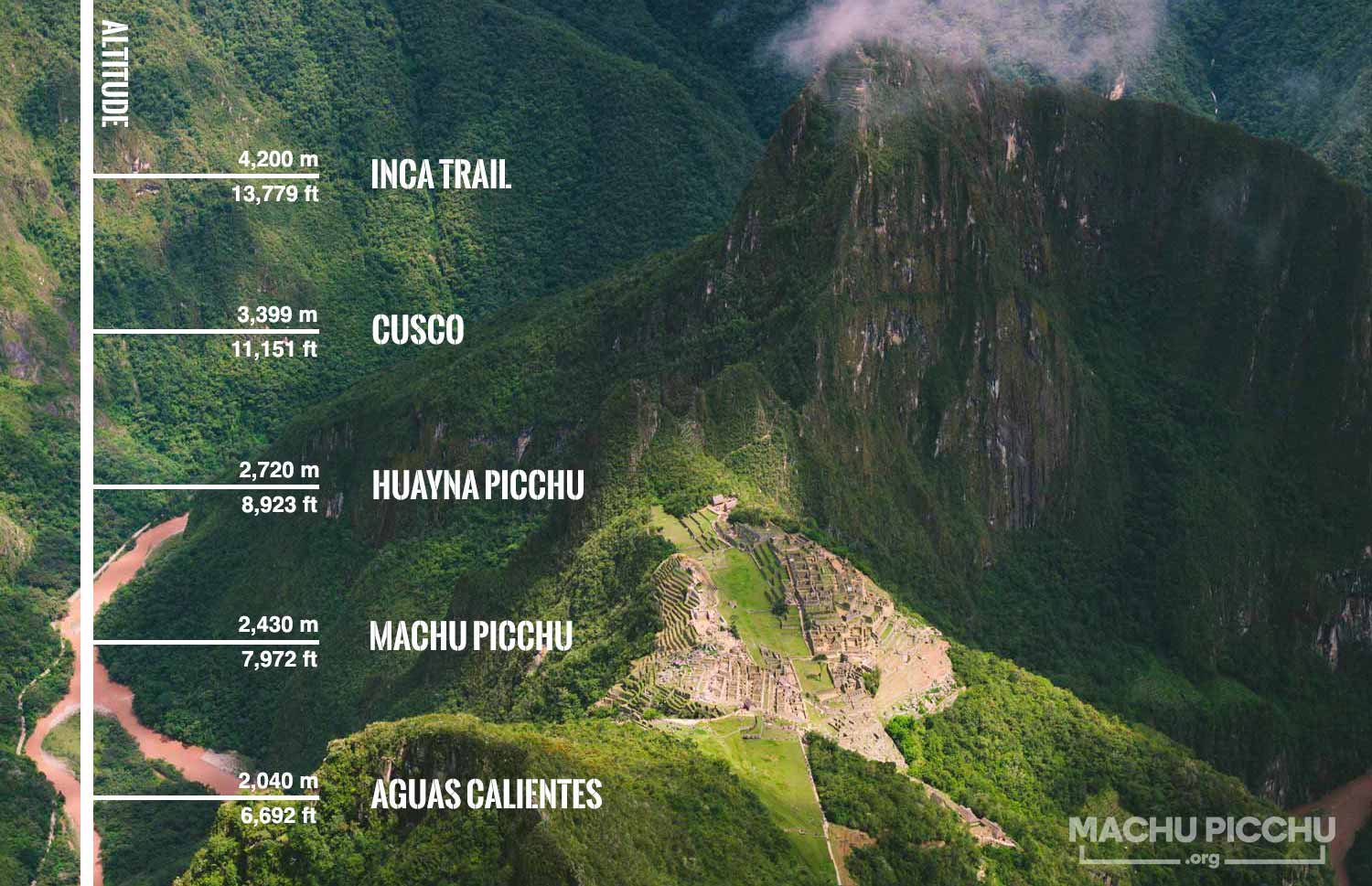
Altitude affects the human body differently depending on pace, hydration, and physical condition. Lima sits at sea level, while Cusco sits above 3,300 meters. Because the distance from lima to machu picchu includes this significant elevation change, the body needs time to adapt. Travelers feel shortness of breath, mild fatigue, or slight headaches during the first hours in Cusco. These symptoms are normal and usually disappear once the body adjusts.
Hydration remains essential. Drinking small amounts of water often helps. Walking slowly, eating light meals, and avoiding alcohol also support the adjustment process. Many locals recommend herbal infusions served in hotels and cafés. These drinks offer comfort and encourage circulation.
Spending the first night in the Sacred Valley reduces altitude intensity. This region sits lower than Cusco and makes the transition easier for first-time travelers. Once the body adjusts, the route toward Machu Picchu feels smoother and more enjoyable.
Planning Your Ideal Travel Rhythm
Every traveler has a different rhythm. Some prefer fast routes with minimal stops. Others enjoy a slower pace that allows for exploration. The distance from lima to machu picchu offers flexibility for all preferences. Adventurous travelers enjoy combining hiking trails with scenic train rides. Relaxed travelers focus on comfort and simple transitions.
The key is to understand your priorities. If you value calm experiences, choose early flights and plan overnight stays in peaceful towns. If you want to maximize your time at the archaeological site, organize tight transfers and choose direct routes. Both approaches work well when planned clearly.
Because the route includes many transportation options, you can modify your journey even at the last moment. Flexibility becomes one of the main advantages of traveling through this region. With the right mindset, the journey becomes both enjoyable and memorable.
Key tips to plan your trip
Planning the long route between Lima and Machu Picchu requires clear information about timing, budgets, and transport options. Each route suits a different travel style, so you should compare the full journey instead of checking only ticket prices. Consider connections, waiting times, altitude changes, and comfort. This broader view prevents delays, avoids extra costs, and creates a smoother travel experience.
Check the weather before you travel
Weather conditions affect flights, buses, and mountain routes. The air route works almost all year, yet the road can face issues during the rainy season. Check forecasts at least a week before your trip, especially if you plan to travel between January and March. This simple step helps you avoid last-minute changes and improves the safety of your itinerary.
Book everything in advance
From June to August, demand increases across flights, trains, and hotels. Prices rise fast, and availability drops. Booking early ensures better rates and a cleaner travel schedule. It also helps you coordinate your connections between Cusco, the Sacred Valley, and Aguas Calientes without stress. When everything is reserved on time, your journey becomes far more predictable.
Internal distances within the full journey
The distance from lima to machu picchu includes several connected legs: flight, road, and train. While Lima sits on the coast, every segment links well if you follow an organized plan. Understanding these distances helps you calculate real travel time and pick the best route for your travel goals.
From Cusco to the Sacred Valley
The route between Cusco and the Sacred Valley ranges from 35 to 65 kilometers, depending on your chosen destination. Pisac, Urubamba, and Ollantaytambo are the main points. Many travelers stay one night in the valley to adjust to the altitude. Splitting the route in two days improves comfort and reduces the risk of altitude sickness.
From the Sacred Valley to Aguas Calientes
The train ride from Ollantaytambo to Aguas Calientes lasts about ninety minutes. The scenery is one of the highlights of the entire trip. Choosing an early schedule gives you enough time to explore the town and prepare for the next day. This small decision boosts your energy before visiting Machu Picchu.
From Aguas Calientes to the citadel
The final section takes around twenty-five minutes by bus. Walking is an option, although it demands more time and stronger physical condition. Choose the method that matches your energy level and your entry time. Managing this detail ensures a calm and organized start at the entrance gate and helps you enjoy the entire site at your own pace.
Final Recommendations for Your Trip
Now that you understand the full structure of the journey, you can plan the route with confidence. The distance from lima to machu picchu is long, yet every segment offers something valuable. Lima delivers culture and food, Cusco brings history and altitude, and the Sacred Valley reveals calm landscapes. When you break the journey into clear stages, the experience turns smoother and more rewarding. Start with a flexible plan, check local conditions often, and give your body time to adapt. These steps improve your comfort from day one and help you enjoy Machu Picchu in the best possible way.
Discover With Us
Traveling across Peru transforms your view of history, nature, and culture. Explore every route with curiosity and patience. Our guides, tips, and resources help you travel smarter and enjoy each destination more deeply.
Follow our updates and explore more routes, hidden places, and cultural insights in Peru.
Follow Us on Instagram
Stay inspired with photos, tips, and travel routes. Join our community and plan your trips with better information and real experiences.
Find us on Instagram and discover more destinations like this one.
FAQs
What is the real distance from lima to machu picchu?
The route covers about 570 kilometers, but it includes several transport segments. You must take a flight, a road transfer, and a train before reaching the entrance.
How long does the full journey take?
Most travelers need between eight and ten hours. The exact time depends on flight schedules, traffic in Cusco, and train availability.
Can I travel directly by train from Lima?
There is no direct train route between the two cities. You must travel through Cusco or the Sacred Valley to continue by rail.
Is it safe to travel during the rainy season?
Yes, but you must plan carefully. Flights work well, yet some roads and trails may close for short periods. Always verify local conditions before traveling.
Is it better to stay in Cusco or the Sacred Valley?
Both options work well. Cusco offers cultural sites, while the Sacred Valley provides lower altitude and a quieter environment. Choose the one that fits your travel style.