 English
 Spanish
 Portuguese

Among the many stories whispered along the Inca Trail to Machu Picchu, few evoke more respect—and perhaps a little fear—than the gringo killer inca trail.
This nickname, popular among trekkers and local guides, refers to one of the steepest, most demanding ascents on the classic Inca Trail. It’s not an official name on maps, but every hiker who’s faced it knows the legend behind those words.
The so-called “Gringo Killer” is not just a hill; it’s a test of endurance and determination, a physical and mental checkpoint on the path to one of the world’s most iconic destinations. But what exactly makes this section so notorious? How can travelers prepare for it, and what should they expect once they reach it?
This complete guide explores everything about the gringo killer inca trail—its history, location, difficulty, preparation tips, and the deeper meaning it holds for those who dare to climb it.
The Inca Trail, A Journey Through Time and Altitude

Before diving into the legend of the Gringo Killer, it’s essential to understand the trail it belongs to. The Inca Trail is not just a hike; it’s a living piece of history.
Stretching approximately 42 kilometers (26 miles) through the Andes, it follows the ancient paths once used by Inca messengers (chasquis) to connect Cusco, the heart of the empire, with Machu Picchu, its sacred citadel.
This route crosses diverse ecosystems—from high alpine passes to cloud forests—and passes through archaeological sites such as Runkurakay, Sayacmarca, and Phuyupatamarca.
But amid this journey of beauty and discovery lies a section that humbles even seasoned hikers: the gringo killer inca trail, where altitude, steep stone steps, and exhaustion converge.
To understand why it’s earned such a fearsome nickname, we must explore its location and what makes it a true test of will.
Where Is the Gringo Killer on the Inca Trail?

The gringo killer inca trail is located on the final descent of the second mountain pass, near Dead Woman’s Pass (Warmiwañusqa), the highest point of the trek at 4,215 meters (13,829 ft).
After conquering this formidable pass, many hikers assume the hardest part is over—only to discover that the steep, uneven stone steps descending into the Pacaymayo Valley are just as grueling.
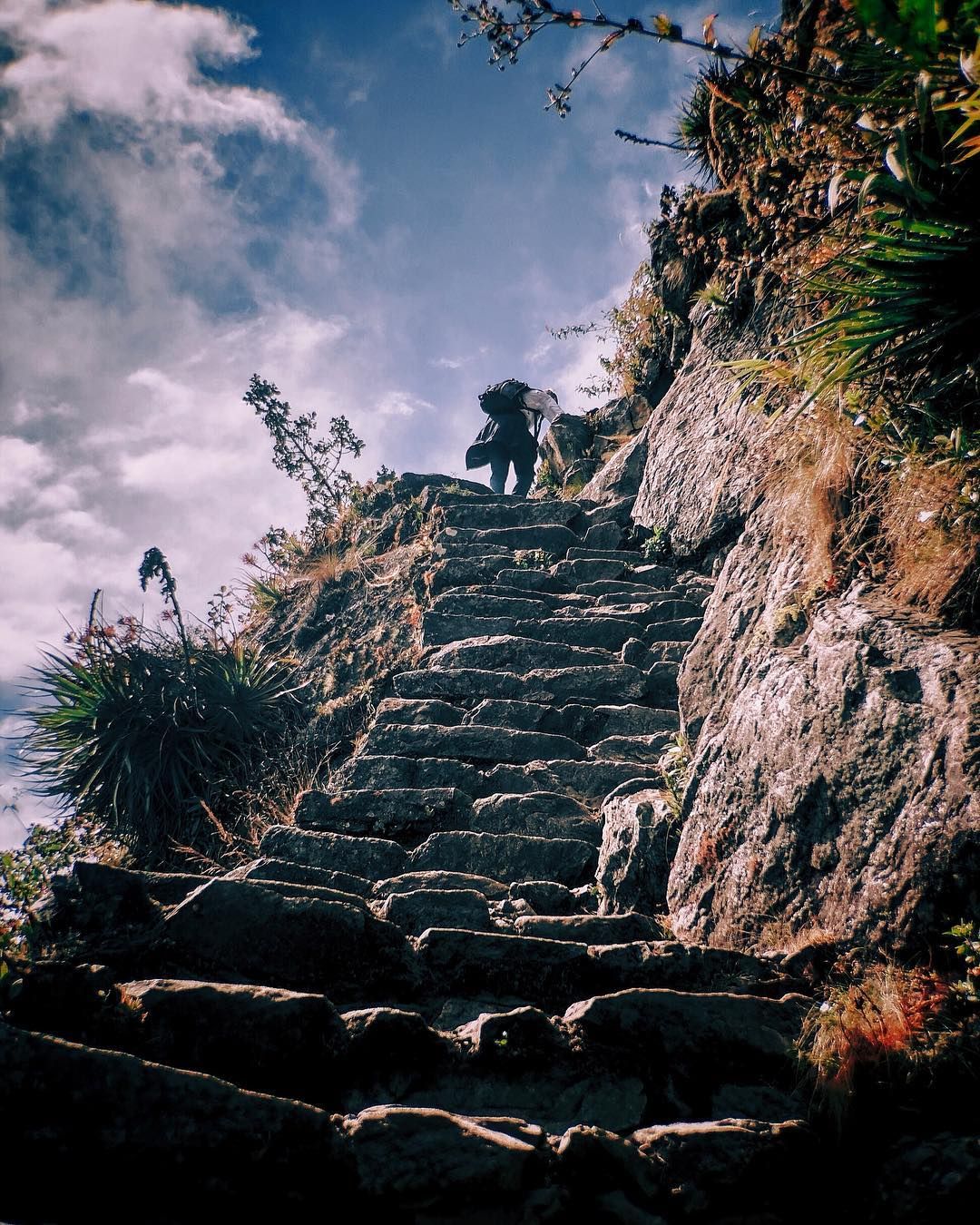
These steps, often slippery with morning mist, drop sharply for nearly an hour. For many trekkers, especially those unused to high-altitude hiking, this descent strains knees and legs, leading to the famous nickname “Gringo Killer.”
In local humor, “gringo” refers to foreign travelers, often from lower altitudes, who underestimate the physical demand of the Andes. The trail doesn’t discriminate, though—it challenges everyone equally, regardless of nationality.
This section symbolizes what the Inca Trail is all about: beauty wrapped in difficulty, reward born from resilience.
Why It’s Called the “Gringo Killer”
The phrase “Gringo Killer” wasn’t created by a marketing team or a guidebook. It emerged organically, passed down through stories told by porters and guides who have walked the trail hundreds of times.
The name reflects the physical struggle that many foreign hikers experience here. The combination of altitude, steep angles, narrow steps, and exhaustion turns this portion into a crucible of endurance. The descent seems endless, each stone stair uneven and different from the last.
However, the challenge isn’t meant to intimidate—it’s meant to awaken respect for the mountain.
Every step of the gringo killer inca trail reminds trekkers of how advanced Inca engineering was. The same stairs that test your muscles once carried pilgrims, warriors, and nobles bound for sacred ceremonies in Machu Picchu.
To locals, the name also carries humor and affection. It’s a playful way of saying, “This mountain will make you humble.” And indeed, by the time most hikers reach the bottom, they’ve earned not just sore legs but a deep sense of accomplishment.
The Challenge, What Makes the Gringo Killer So Tough

There are steep trails all over the Andes, but the gringo killer inca trail stands out for several reasons:
- Altitude: At over 4,000 meters above sea level, oxygen levels drop by nearly 40%. Even simple steps feel heavier, and your lungs work double time.
- Uneven Stones: The Inca steps vary in size, some as high as 40 centimeters. They were built for efficiency, not modern comfort.
- Endless Descent: The section stretches on for more than an hour of continuous downhill walking. For some hikers, descending is harder than climbing.
- Weather: Mist, drizzle, or slippery moss on the stones can increase difficulty and risk of falls.
- Fatigue: By this point, trekkers have already walked for hours. Energy reserves are low, making the final stretch even more demanding.
Yet, it’s precisely this combination of obstacles that makes reaching the bottom so rewarding. Every muscle ache becomes a badge of honor—proof that you’ve conquered the gringo killer inca trail and earned your way toward Machu Picchu.
How to Prepare for the Gringo Killer Section

Preparation can make all the difference between struggle and triumph.
- Train Beforehand – A few weeks of uphill walking, stair climbing, or cycling can significantly improve your endurance. Focus on legs and core strength.
- Acclimatize in Cusco – Spend at least two days in Cusco or the Sacred Valley before your trek. This allows your body to adjust to altitude and reduces dizziness or fatigue.
- Pack Smart – Use trekking poles to ease pressure on your knees during descents. Carry lightweight gear, and ensure your boots have strong grip for slippery stones.
- Pace Yourself – The Inca Trail is not a race. Move steadily, take breaks, and control your breathing.
- Stay Hydrated and Energized – Drink water regularly and eat small snacks like nuts or coca leaves to maintain energy.
- Mental Focus – The gringo killer inca trail is as much a mental challenge as a physical one. Embrace the effort—it’s part of the pilgrimage.
Those who approach this section with preparation and humility often find it to be the most memorable part of their trek.
What You’ll See Along the Way
Despite its intimidating reputation, the gringo killer inca trail rewards hikers with some of the most breathtaking views on the entire trek.
As you descend into the Pacaymayo Valley, the scenery shifts dramatically—from windswept ridges and cloud-touched peaks to lush, green forests alive with orchids and hummingbirds. The contrast between the raw effort and the surrounding serenity creates a surreal balance that only the Andes can offer.
Stone stairways curve gracefully along cliffs, moss covers ancient walls, and waterfalls sparkle in the distance. Every few minutes, as you pause to catch your breath, you’re greeted by vistas that remind you why this path has endured for centuries.
The physical pain fades quickly; what remains is awe.
The Power of Altitude, Understanding the Andes’ Challenge

Altitude is the silent companion of every hiker in the Andes. On the gringo killer inca trail, it becomes a decisive factor that shapes your entire experience.
At more than 4,000 meters above sea level, the air is thin and oxygen levels are low. Every breath feels deeper, and your body must work harder to deliver oxygen to your muscles. Even the most experienced trekkers can feel dizzy, fatigued, or light-headed in this environment.
The key is not to fight the altitude—but to adapt to it. The Inca Trail teaches patience, rhythm, and respect for the mountains. Taking it slow, breathing deliberately, and staying hydrated will keep your energy steady.
Many travelers also use traditional methods like coca leaves or coca tea, long valued by the Andean people for reducing altitude symptoms and maintaining stamina. When you’re facing the steep descent of the gringo killer inca trail, those small rituals make a world of difference.
Gringo Killer vs. Dead Woman’s Pass: Two Giants of the Inca Trail
While the gringo killer inca trail is famous for its brutal descent, Dead Woman’s Pass (Warmiwañusqa) is known for its ascent. Together, they form the ultimate test of endurance on the Classic Inca Trail.
Below is a comparison between these two legendary sections:
| Feature | Dead Woman’s Pass | Gringo Killer Section |
|---|---|---|
| Elevation | 4,215 m (13,829 ft) | ~4,000 m (13,123 ft) |
| Type | Steep uphill climb | Long, uneven descent |
| Approx. Duration | 2–3 hours | 1–1.5 hours |
| Main Challenge | Lack of oxygen, fatigue | Strain on knees and legs |
| Experience Level Needed | Moderate–high | Moderate–high |
| Best Gear | Hiking poles, warm layers | Trekking poles, knee support |
| Emotional Reward | Triumph at the summit | Relief and peace in the valley |
Most trekkers agree that reaching the top of Dead Woman’s Pass feels like victory—while finishing the gringo killer inca trail feels like survival.
The ascent demands lungs and willpower; the descent demands focus and resilience. Both sections reveal the essence of the Andes: beauty that must be earned.
Trekking Tips to Conquer the Gringo Killer
Every hiker who faces the gringo killer inca trail learns that success is more about technique than strength. Here are expert strategies from local guides and seasoned trekkers:
- Use Trekking Poles – They reduce impact on knees by up to 25%. Keep them slightly ahead of you during descents for balance.
- Keep a Short Step Rhythm – Avoid long strides. Short, steady steps prevent muscle strain and improve control.
- Stretch at Breaks – Flex calves and quads during pauses to prevent cramps.
- Mind Your Pace – Don’t rush the descent. Focus on stability, especially when stones are wet.
- Stay Centered – Keep your weight slightly forward rather than leaning back, which can cause slips.
- Choose the Right Boots – High-ankle, grippy soles are crucial. The ancient stones are beautiful—but unforgiving.
- Listen to Your Body – Pain is information. Adjust your pace and posture as needed.
Following these practices can turn the “killer” section into one of the most enjoyable moments of the trek. Many hikers later admit that the struggle was what made the journey truly unforgettable.
The Cultural Meaning Behind the Challenge

In the Andes, mountains aren’t obstacles—they are living beings, known as Apus, protectors of the land and people. Every high pass, every steep descent, is a conversation with these sacred guardians.
When you face the gringo killer inca trail, you are walking through a path shaped by both human hands and divine energy. The Incas built these steps not only for travel but as a ritual passage—a physical representation of transition between worlds: from the human to the sacred, from effort to enlightenment.
Local guides often say, “The mountain doesn’t want to hurt you; it wants to teach you.” And it’s true—each stone teaches patience, each breath teaches humility.
By the time you reach the bottom, you’ll understand why the Incas called this land Tawantinsuyo, the place where all worlds connect.
After the Descent: Recovery and Reflection
Finishing the gringo killer inca trail descent is a relief unlike any other. The first flat ground you find feels like a gift. Most trekkers take a well-earned break at Pacaymayo Camp, the resting spot after this intense section.
Here, you can stretch, refuel with a hearty lunch, and let your muscles relax. Cold water streams nearby are perfect for a quick splash to reduce inflammation in tired legs. Some guides even recommend gentle massage or light stretching before settling into your tent.
It’s common to share laughs and stories with fellow hikers, recounting the hardest moments with pride. What seemed impossible at the top now becomes one of the most empowering memories of the entire trail.
The following morning, as you continue toward Phuyupatamarca and eventually Machu Picchu, you’ll realize that surviving the Gringo Killer wasn’t just about endurance—it was about transformation.
Mental Strength, The True Secret of the Trail
The body gets you up the mountain, but the mind gets you through it.
Those who conquer the gringo killer inca trail understand that hiking in the Andes is as much a mental journey as a physical one.
The exhaustion you feel halfway down isn’t defeat—it’s an invitation to go deeper into yourself. The steady rhythm of your steps, the sound of your breath, and the echo of distant peaks form a meditation that connects you to something greater.
That’s why so many travelers describe the Inca Trail not as a trek, but as a spiritual awakening.
The Gringo Killer becomes the teacher, reminding you that real adventure begins when comfort ends.
Historical Background, The Inca Engineering Behind the Challenge
The gringo killer inca trail might feel like a punishment for modern trekkers, but for the Incas, it was a masterpiece of purpose and precision.
This steep section of the trail wasn’t built randomly—it was engineered to last centuries, designed to connect the highlands of Cusco with the sacred city of Machu Picchu and beyond.
The Incas constructed their roads with a vision far beyond simple travel. Each stone step was placed with meticulous care to withstand landslides, erosion, and the weight of caravans carrying goods and messages across the empire.
Even today, despite centuries of rain, earthquakes, and countless footsteps, these stairs remain solid—a testament to Inca architectural genius.
The same stones that challenge you on the gringo killer inca trail once carried priests and pilgrims on ceremonial journeys. The difficulty of the route was intentional—it represented spiritual purification before reaching sacred spaces. Every drop of sweat was a tribute to the gods of the mountains.
When you descend these ancient stairs, you’re not just hiking—you’re retracing a sacred pilgrimage that has echoed through the Andes for more than 500 years.
Weather and Trail Conditions
Weather can make the gringo killer inca trail either a breathtaking adventure or a real test of endurance.
The Andes are unpredictable, and this section sits high enough to experience sudden shifts in climate.
During the dry season (April to October), expect crisp mornings, strong sun during the day, and cold nights. The stones can be dry and dusty, but visibility is perfect—ideal for photography and steady footing.
In the rainy season (November to March), conditions change dramatically. Mist covers the mountains, the steps become slick with moss, and the trail demands slow, deliberate movements. Some trekkers describe it as walking through a dreamlike fog, where every sound and color feels amplified.
No matter the season, a good pair of waterproof boots and trekking poles are essential. Weather doesn’t define the trail—it enhances its unpredictability, making each trek unique.
The Myth and Reality of the “Gringo Killer”
There’s a certain legend surrounding the name Gringo Killer. Some say it was coined decades ago by porters who joked about the way foreign hikers—unused to altitude—would struggle or even fall on the endless steps. Others believe it was born from the camaraderie among trekkers who turned exhaustion into humor.
In truth, the gringo killer inca trail isn’t meant to “kill” anyone. It’s meant to humble and awaken respect for the mountains.
Local guides often smile when they hear the name, explaining that even Peruvians and experienced hikers find it equally challenging.
The “killer” is symbolic—a playful exaggeration of effort and emotion. The real danger lies not in the slope but in underestimating the Andes. Those who approach it with respect and preparation almost always find joy in the struggle.
At the end, everyone laughs at the same joke: “The mountain didn’t kill me—it made me stronger.”
Local Life Around the Trail
While the gringo killer inca trail itself passes through isolated mountain terrain, nearby valleys are home to Quechua-speaking communities who maintain ancient traditions.
Guides and porters often come from these villages, carrying not only equipment but also stories, songs, and rituals that enrich the journey.
At camp, you might hear Quechua prayers whispered to Pachamama (Mother Earth) before meals, thanking the land for safe passage. These cultural details remind travelers that the trail is alive—it breathes through the people who walk it and the spirits that inhabit the mountains.
Engaging with local guides is one of the most enriching parts of the trek. Their wisdom and respect for the land transform the Gringo Killer from a challenge into a cultural exchange—a dialogue between worlds, modern and ancient.
What to Expect Emotionally
Beyond the physical exhaustion, the gringo killer inca trail evokes something deeper—transformation.
As you descend, every muscle burning, every breath labored, the Andes strip away distraction. What remains is focus, humility, and awe.
For many travelers, the hardest part of the trail becomes the most meaningful. The mountain tests you, but it also gives back clarity. You learn to trust your body, your breath, and the rhythm of your steps. By the time you reach Machu Picchu, it’s not just the ruins that move you—it’s what you’ve conquered inside yourself.
This is why hikers who face the Gringo Killer never forget it. It’s not just a section of trail—it’s a story they carry forever.
Frequently Asked Questions
1. Is the Gringo Killer dangerous?
No, it’s challenging but safe if you go slowly, use trekking poles, and wear proper footwear.
2. Can anyone do it?
Yes, with basic fitness and preparation. The key is to acclimatize and pace yourself.
3. How long does the Gringo Killer section take?
Between 45 minutes and 1.5 hours, depending on pace and trail conditions.
4. Is it part of the official Inca Trail?
Yes, it’s one of the steepest sections on the Classic Inca Trail route, between Warmiwañusqa and Pacaymayo.
5. Can I skip it?
No, it’s part of the route. However, guides help manage the pace and offer support if needed.
6. What’s the best way to prepare?
Train with stairs, hiking hills, and walking at altitude if possible before your trip.
7. What’s the altitude?
The section sits around 4,000 meters (13,000 ft), just below the summit of Dead Woman’s Pass.
8. Are trekking poles allowed?
Yes, but they must have rubber tips to protect the stone steps.
9. How do porters manage this section?
With incredible skill and endurance—many descend it daily carrying supplies.
10. Why do people love it despite the difficulty?
Because it’s where effort meets emotion—where every step feels like a personal victory.
Final Thoughts: The Soul of the Mountain
The gringo killer inca trail is more than just a section of stairs—it’s a microcosm of what the entire Inca Trail represents: strength, reverence, and transformation.
Each stone, worn smooth by centuries of footsteps, invites you to slow down and feel the heartbeat of the Andes.
You’ll curse it, sweat through it, and perhaps question your limits. But when you reach the valley below, the emotion hits: you’ve walked the same stones that connected heaven and earth. You’ve endured, like the Incas before you.
The Gringo Killer doesn’t break travelers—it awakens them.
Discover With Us
Some journeys are meant to be conquered; others are meant to be felt.
Walking the Inca Trail is both. And within it, the gringo killer inca trail becomes a rite of passage—an encounter with history, nature, and yourself.
We invite you to experience it with those who know these mountains intimately. Our local guides don’t just lead the way; they share the soul of the Andes—the stories, rituals, and quiet wisdom passed down through generations.
As you climb and descend the sacred stones, you’ll understand that every breath and every step connects you to something ancient and eternal.
Discover with us the power of the Andes, the beauty of resilience, and the spirit that lives in every path to Machu Picchu.
✨ Follow our journey on Instagram and let the mountains inspire your next adventure.