 English
 Spanish
 Portuguese

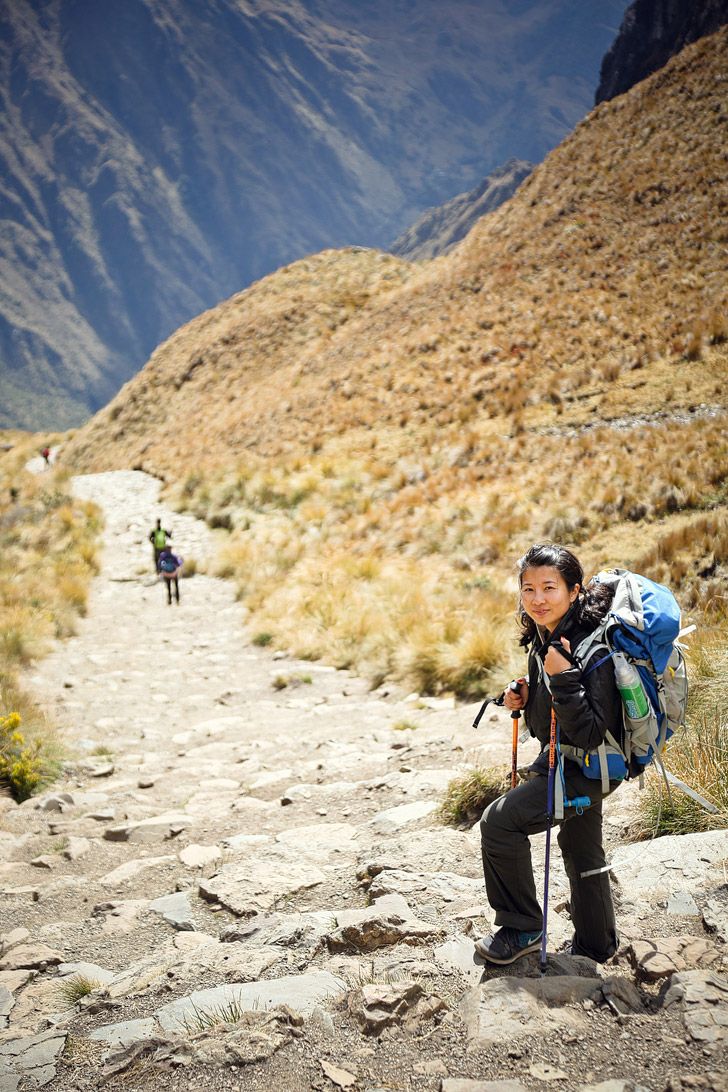

The legendary route to Machu Picchu is one of the most beautiful and challenging hikes in the world. Before booking a permit, many travelers ask the same essential question, how hard is it to hike the Inca Trail?
The answer depends on several factors: altitude, terrain, physical preparation, weather conditions, and mental endurance. Understanding these elements is the key to having a successful and enjoyable experience.
This comprehensive guide breaks down every aspect of the trail’s difficulty so you know exactly what to expect—from steep climbs to campsite conditions, daily distances, acclimatization needs, and expert tips to make the journey easier.
Understanding the Inca Trail Difficulty

The Inca Trail’s difficulty is not defined by extreme technical climbing. Instead, its challenge comes from long hiking days, high altitude, uneven stone steps, and the physical demand of ascending and descending steep paths for multiple hours.
A Unique Combination of Altitude and Terrain
The trail reaches heights above 4,200 meters (13,800 ft), where oxygen levels are significantly lower. Even fit hikers can feel short of breath, making the climb more demanding. The ancient Inca stonework also creates terrain with thousands of steps—some small, others extremely tall—which adds strain to the legs.
Fitness Matters, but So Does Mental Strength
Many hikers complete the trail without being athletes. Determination, preparation, and pacing yourself are often more important than raw strength. Consistent training before the hike greatly increases your chances of enjoying the experience.
Distance and Duration, Why the Trail Feels Harder Than Expected

Total Length
The classic route covers approximately 42 km (26 miles) over four days. While this distance may not sound extreme, the combination of altitude and uneven terrain makes each kilometer feel longer.
Daily Breakdown
Each day offers a different level of challenge:
- Day 1: Gentle and relatively easy introduction.
- Day 2: The hardest day with steep climbs to Dead Woman’s Pass.
- Day 3: Longest descent with thousands of steps.
- Day 4: Short and exciting morning leading to Machu Picchu.
The drastic change between days is what makes the trail unpredictable and demanding.
Altitude, The Biggest Source of Difficulty for Most Hikers

Altitude affects each person differently, regardless of fitness level. The ascent to Dead Woman’s Pass, located at about 4,215 meters (13,828 ft), is the most physically demanding section.
Symptoms You May Experience
- Shortness of breath
- Fatigue
- Headaches
- Dizziness
- Reduced appetite
Why Altitude Makes the Trail Hard
Lower oxygen levels force your body to work harder with every step. Even walking slowly feels like a workout. This is one of the main reasons people wonder how hard is it to hike the Inca Trail—and why proper acclimatization is essential.
Terrain Challenges, Steps, Stones, and Narrow Passages

The Incas engineered impressive stone pathways, but these ancient steps often require high knee lifts and put pressure on the joints during descents.
Expect Different Types of Terrain
- Polished stone steps
- Dirt paths
- Narrow sections
- Steep climbs
- Long, rocky descents
On Day 3, hikers encounter the infamous “Gringo Killer” steps—an endless descent that tests leg endurance.
Weather Conditions and How They Affect Difficulty

The Dry Season (May–September)
Clear skies and stable weather make this the most comfortable time to hike. Days are warm, but nights can be extremely cold.
The Rainy Season (October–April)
Rain makes the stones slippery, increasing difficulty. Muddy paths and limited visibility require extra caution.
Extreme Temperature Changes
You may feel very hot during the day and freezing at night. Staying well-layered helps maintain comfort throughout the trek.
Physical Preparation: How to Train Before the Inca Trail
Preparing your body before the trek is one of the most effective ways to reduce difficulty. Even hikers with average fitness can complete the route comfortably with proper training.
Start Training Weeks in Advance
Most experts recommend preparing 6–10 weeks before the hike. Gradual training helps your legs adapt to long walking days and steep inclines.
Training Recommendations
- Hike or walk 3–5 times per week.
- Include stairs or step-ups to mimic Inca steps.
- Add strength exercises for legs and core.
- Improve cardiovascular resistance with jogging or cycling.
- Practice walking with a backpack.
Consistency is more important than intensity. Even moderate training significantly improves your experience.
Mental Preparation: The Hidden Side of the Challenge
While physical fitness is important, mental strength plays a crucial role in your ability to enjoy the journey.
Staying Positive When the Trail Gets Tough
There will be moments when the climb feels endless or the altitude makes you tired. Focusing on small steps, slow breathing, and the scenery helps you stay motivated.
Accepting the Pace
Many hikers struggle because they try to walk too fast. The right pace is slow, steady, and controlled—especially on long ascents. Embracing this rhythm reduces fatigue and makes the trail more enjoyable.
Acclimatization: The Key to Avoiding Altitude Issues
Acclimatizing properly before starting the trek is essential. Even experienced hikers struggle if they skip this step.
Recommended Acclimatization Time
Arrive in Cusco or the Sacred Valley 2–3 days before starting the trail. This gives your body time to adapt to oxygen levels.
How to Acclimatize Effectively
- Drink plenty of water.
- Avoid heavy meals and alcohol.
- Take short walks at altitude.
- Sleep well before the trek.
- Consider coca tea or altitude medication if recommended by a doctor.
Proper acclimatization dramatically reduces the trail’s difficulty and improves your performance during the intense ascents.
Campsites, Sleeping Conditions, and Their Impact on Difficulty

The camping experience adds another layer of challenge, especially for travelers not used to sleeping outdoors.
Night Temperatures
Nights can drop close to freezing, particularly during the dry season. Having the right sleeping bag and thermal clothing is essential.
Noise, Cold, and Early Mornings
Campsites can be lively and noisy, and mornings often start before sunrise. Lack of sleep may increase fatigue the next day.
Comfort Levels
While tour operators provide tents and meals, the level of comfort is basic. Knowing what to expect helps you adapt to the experience.
Day-by-Day Difficulty Breakdown of the Inca Trail
Understanding what each day looks like is one of the best ways to answer how hard is it to hike the Inca Trail. Each day presents unique challenges.
Day 1: A Pleasant Introduction to the Trail
- Distance: ~12 km
- Difficulty: Easy to moderate
- Highlights: Gentle hills, beautiful scenery, light walking pace
This day helps you warm up and get used to the altitude. Most hikers feel confident after completing this stage.
Day 2: The Hardest and Most Physically Demanding Day
- Distance: ~11 km
- Difficulty: Very hard
- Highlight: The ascent to Dead Woman’s Pass
This is the day that gives the trail its reputation. The climb is steep, long, and physically intense, especially at high altitude. Reaching the pass is a huge emotional victory.
Day 3: Long Descents and Endless Steps
- Distance: ~16 km
- Difficulty: Moderate to hard
- Highlight: Ancient Inca ruins and cloud forest landscapes
The descent is tough on the knees. The “Gringo Killer” steps are challenging but rewarding once completed.
Day 4: An Easy but Exciting Final Stretch
- Distance: ~5 km
- Difficulty: Easy
- Highlight: Arriving at Machu Picchu at sunrise
This day is short, emotional, and unforgettable. The Sun Gate offers one of the most iconic views in the world.
Comparing Difficulty, Inca Trail vs. Other Popular Hikes

Many travelers wonder how this trek compares to other famous routes around the world. Understanding these differences helps set realistic expectations.
Inca Trail vs. Everest Base Camp
The Everest Base Camp trek reaches higher altitudes and lasts around 12 days, making it harder overall. However, the Inca Trail is more physically intense on a day-to-day basis because of its steep stone steps and rapid ascents.
Inca Trail vs. Kilimanjaro
Kilimanjaro is more challenging due to extreme altitude. The Inca Trail, in contrast, requires endurance and leg strength rather than altitude tolerance alone.
Inca Trail vs. Patagonia Trekking
Patagonian routes are longer and exposed to harsh weather, but they do not reach the same altitude as the Inca Trail. Most hikers find the Inca Trail more intense in terms of cardiovascular demand.
These comparisons help clarify why travelers often ask how hard is it to hike the Inca Trail and why the answer varies depending on previous experience.
Gear That Makes the Inca Trail Easier
Proper equipment dramatically improves comfort and reduces physical strain during the trek.
Essential Gear Checklist
- Comfortable hiking boots
- Lightweight backpack
- Layered clothing for changing weather
- Rain jacket
- Trekking poles
- Reusable water bottle or hydration pack
- Headlamp
- High-quality sleeping bag
Why Trekking Poles Are a Game Changer
Poles reduce knee pressure during steep descents and provide extra stability on uneven stone steps. Many hikers consider them the most useful item for this trek.
Clothing Tips
Layering is key. Days can be warm, but temperatures drop quickly in shaded areas or at night. Moisture-wicking fabrics help manage sweat, especially during the ascent to Dead Woman’s Pass.
Nutrition and Hydration on the Trail
Your body burns a lot of energy on the Inca Trail, and proper nutrition helps you maintain stamina.
Hydration
Drink water frequently, even when you don’t feel thirsty. Dehydration makes altitude symptoms worse and increases fatigue.
Meals
Tour operators provide nutritious meals, often including rice, pasta, vegetables, soups, and teas. These foods offer steady energy without being too heavy.
Snacks
Carry easy-to-digest snacks like nuts, granola bars, or chocolate. Small bites during breaks keep your energy level stable.
Safety on the Inca Trail
Despite the difficulty, the Inca Trail is generally safe when following instructions from guides.
Trained Guides
Guides monitor your pace, altitude symptoms, and safety. They are trained to handle emergencies and know the trail better than anyone.
Staying on Designated Paths
Straying from marked paths is dangerous due to steep drops and unstable stones. The trail is narrow in some areas, so caution is essential.
Weather-Related Risks
Rain can make stones slippery, and fog can reduce visibility. Walking carefully in these conditions prevents accidents.
Who Should Consider This Hike?
The Inca Trail is accessible to many ages and fitness levels, but it still requires preparation.
Suitable For
- Active travelers
- People with moderate fitness
- Hikers who enjoy long days outdoors
- Travelers seeking cultural and historical immersion
Not Ideal For
- People with severe altitude sensitivity
- Individuals with knee or respiratory problems
- Travelers who prefer comfort over adventure
Understanding your fitness level and expectations is important when deciding how hard is it to hike the Inca Trail for you personally.
Emotional Rewards That Make the Challenge Worth It

Despite its difficulty, the Inca Trail offers unforgettable rewards.
Connection to Ancient History
Walking on original Inca stone paths gives you a rare sense of connection to an ancient civilization.
Stunning Landscapes
You’ll experience cloud forests, mountain passes, archaeological sites, and panoramic views that are impossible to reach by train or bus.
Arriving at Machu Picchu
Stepping through the Sun Gate at sunrise is one of the most emotional moments for hikers. The challenge makes the final reward even more meaningful.
Final Tips to Make the Inca Trail Easier

Even though the Inca Trail can be challenging, the right strategies can help you manage the difficulty and enjoy every stage of the trek.
Pace Yourself
Walk slowly, especially during steep climbs. The trail rewards patience, not speed.
Take Breaks
Short breaks help you control your breathing and prevent exhaustion. Most guides encourage regular stops to rest and hydrate.
Use Trekking Poles
These reduce impact on your knees and give you extra stability on slippery stones.
Choose a Reliable Tour Operator
A professional team ensures safe pacing, good meals, proper camping equipment, and knowledgeable guides who understand the terrain and altitude.
Taking these steps helps transform a difficult hike into an unforgettable journey.
So, How Hard Is It to Hike the Inca Trail?

The answer depends on your fitness level, preparation, and altitude adaptation. For many travelers, the Inca Trail is challenging but absolutely achievable. The combination of steep climbs, long walking days, and high altitude creates a unique difficulty unlike other treks.
However, with proper training, the right mindset, and good acclimatization, the trail becomes manageable—and even enjoyable. The emotional reward of arriving at the Sun Gate makes every step worth it.
Ultimately, when people ask how hard is it to hike the Inca Trail, the real answer is:
It’s challenging, but with preparation, it’s one of the most rewarding experiences you can have in the Andes.
Discover With Us
If you love exploring ancient history, breathtaking landscapes, and the mysteries of the Andes, you’re in the right place. Our mission is to bring you deep, well-researched travel guides that help you experience iconic destinations with clarity and confidence.
From lost Inca cities to remote trekking routes, we share insights, tips, and advanced travel knowledge to help you plan your next adventure with ease.
Join us as we uncover more stories, more hidden places, and more unforgettable journeys throughout Peru and South America.
Follow Us on Instagram
Stay inspired with daily travel tips, breathtaking photography, and behind-the-scenes content from the Andes and beyond.
Follow us on Instagram for more discoveries:
@visit.machupicchu
Discover new places. Learn new stories. Travel deeper—with us.