 English
 Spanish
 Portuguese
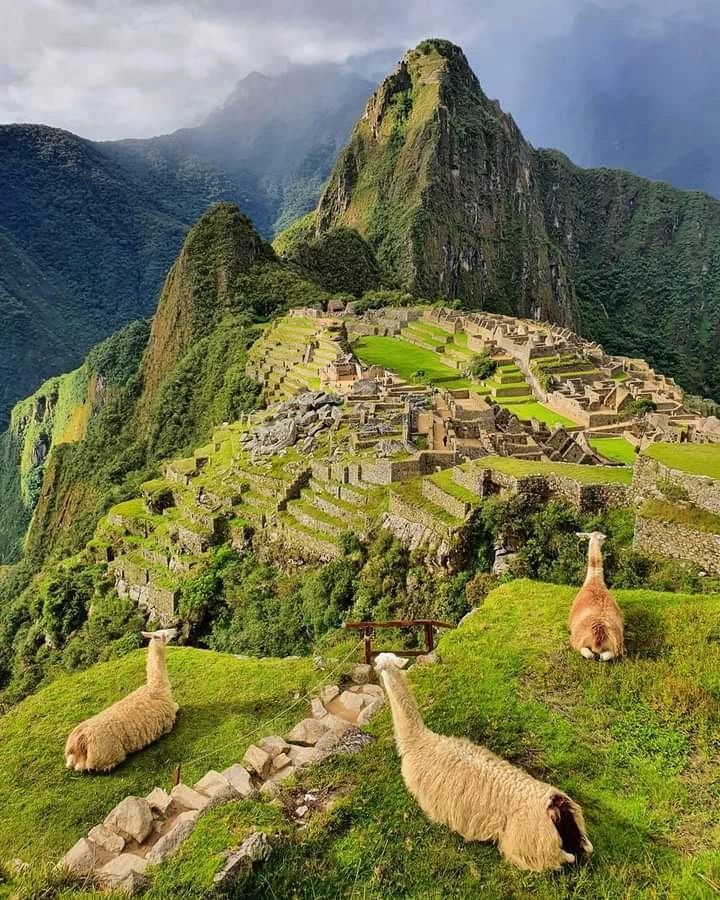

Training for Machu Picchu is not just about physical preparation. Understanding how to train for Machu Picchu is essential because the journey combines endurance, altitude adaptation, mental resilience, and strategic planning. Whether you choose the iconic Inca Trail, the adventurous Salkantay Trek, or the classic train-and-shuttle route, preparing correctly will dramatically improve your experience.
Each year, thousands of travelers underestimate the trails. The Andes are no joke—high elevation, steep climbs, and unpredictable weather demand proper preparation. This guide breaks down exactly how to train for Machu Picchu with practical steps, timelines, and strategies so you can conquer the journey confidently.
Understanding the Challenge Before You Start

The Real Difficulty of the Andes
Machu Picchu itself is not the challenge—the real test is knowing how to train for Machu Picchu and prepare for the journey. The trails often include long ascents, rocky paths, steep descents, and dramatically changing climates. Even fit travelers may struggle if they are not ready for the elevation.
Elevation and Why It Matters
Most people reach Machu Picchu through Cusco, located at about 3,400 meters (11,150 ft). The famous Dead Woman’s Pass on the Inca Trail reaches 4,215 meters (13,828 ft). At this height, oxygen levels drop significantly.
This lack of oxygen affects:
- Breathing
- Heart rate
- Muscle performance
- Recovery
- Sleep quality
Understanding this challenge is essential before you plan how to train for Machu Picchu.
Typical Trekking Distances
Here are the average distances per route:
- Classic Inca Trail (4 days): 43 km
- Salkantay Trek (5 days): 74 km
- Lares Trek: 33–40 km
- Short Inca Trail (2 days): 10 km
These numbers help set realistic training goals.
How to Train for Machu Picchu, When to Start

Start Training Early
Ideally, start preparing at least 8 to 12 weeks before the trek. The more time you give your body, the easier the trails will feel.
Set Progressive Training Stages
Break your training into phases:
Phase 1: Base Conditioning (Weeks 1–3)
Focus on:
- Walking regularly
- Light cardio
- Building consistency
Phase 2: Endurance Building (Weeks 4–7)
Increase:
- Hiking time
- Elevation gain
- Stair climbing
Phase 3: Peak Training (Weeks 8–10)
Simulate real trekking conditions:
- Long hikes with a backpack
- Steeper climbs
- Rougher terrain
Phase 4: Taper Down (Last Week)
Reduce intensity so your body arrives rested and strong.
Choosing the Right Type of Training
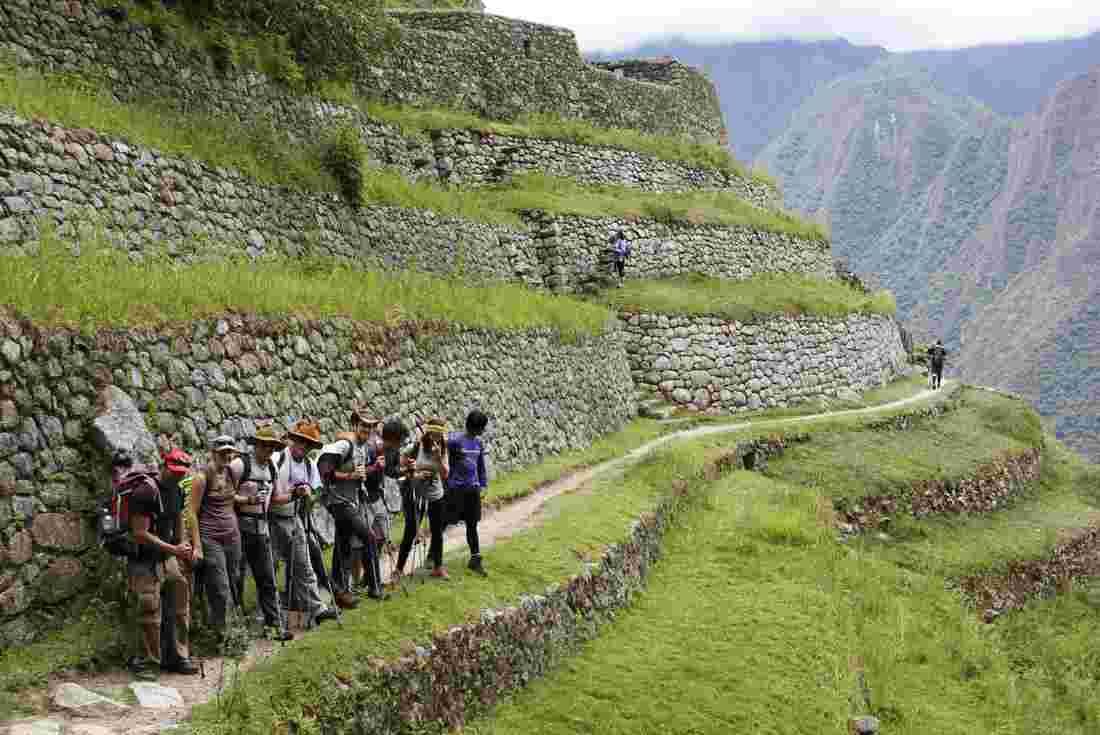
1. Long-Distance Walking
Nothing prepares you better than consistent walking. Aim for:
- 8,000–12,000 steps daily during early stages
- 15,000–20,000 steps during peak weeks
Walking improves endurance, strengthens the legs, and simulates the real trekking rhythm.
2. Stair Climbing Training
The Inca Trail has thousands of original stone steps. Some are tall, uneven, or slippery. Stair training builds leg strength and teaches your body to handle long climbs.
Do:
- 20–40 minutes of stair climbing
- 2–3 times per week
If you live in a building with multiple floors, use it as your training ground.
3. Leg Strength Workouts
Focus on:
- Squats
- Lunges
- Step-ups
- Deadlifts
- Calf raises
Stronger legs reduce fatigue and protect your knees during long descents.
4. Cardio Training
Good cardiovascular conditioning is essential for altitude.
Recommended options:
- Jogging
- Cycling
- Swimming
- Elliptical
Aim for 30–45 minutes, 3–4 times a week.
Mental Training, The Forgotten Preparation

Many people focus only on physical conditioning, but learning how to train for Machu Picchu also means building mental resilience. Trekking in the Andes challenges both body and mind, and proper preparation ensures you can handle the journey with confidence.
To prepare mentally:
- Practice long walks without distractions
- Experience hikes in silence
- Embrace discomfort
- Learn to pace yourself
- Train your patience
Reaching Machu Picchu is as much a mental journey as a physical one.
Equipment Essentials, What to Pack for a Safe Trek
Choosing the right gear is essential when you focus on how to train for Machu Picchu, as it can make the difference between enjoying the trek or struggling through it. Prioritize comfort, protection, and lightness to support your preparation and performance.
Footwear
Good hiking boots or trail shoes with ankle support are crucial.
Break them in well before the trip to avoid blisters.
Bring a pair of thin and one pair of thicker socks to manage moisture and cushioning.
Backpack
A 30–40 L daypack is usually enough for multi-day treks where porters carry the heavy load.
Look for padded straps, hip belt, and a rain cover.
Practice carrying the same pack during training hikes.
Clothing Layers
Layering keeps you comfortable across varying conditions:
- Base layer: moisture-wicking shirt
- Mid layer: lightweight fleece or softshell
- Outer layer: waterproof, breathable jacket
Bring a warm hat and gloves for high-altitude mornings.
Trekking Poles
Poles reduce impact on knees during descents and help on steep ascents.
Practice with them during training to set the rhythm and avoid overreliance.
Hydration and Water Treatment
Carry at least 2 liters in a hydration bladder or bottles.
Consider water purification tablets or a small filter for long routes.
Navigation and Safety
Bring a map, headlamp with spare batteries, basic first aid kit, blister supplies, sunscreen, sunglasses, and a whistle.
A small multi-tool and duct tape can fix minor equipment failures.
Training With Your Backpack, How to Simulate the Real Trek

Carrying weight changes your balance and energy expenditure. Training with the exact pack and load matters greatly.
Progressive Load Increase
Start with a light pack (2–3 kg) and increase weight weekly up to the expected trekking weight (5–10 kg).
This gradual increase prevents back strain and conditions stabilizers.
Mimic Trek Conditions
Do training walks on uneven terrain and use stairs to simulate altitude climbs.
Wear the boots you’ll use on the trek and adjust straps as you would on the trail.
Core and Posture Work
Add planks, anti-rotation exercises, and unilateral moves (single-leg deadlifts) to maintain posture with a loaded pack.
A strong core reduces lower-back pain and enhances balance.
Weather and Climate Preparation, Train for Cold, Rain, and Sun

Weather on routes to Machu Picchu can change quickly. Train and prepare for three common scenarios.
Rain and Mud
Practice moving on slippery ground and descent control.
Use your trekking poles to test balance and practice shorter, quicker steps during descents to reduce slipping.
Cold Mornings and Nights
Layering helps; train with a light jacket during early-morning hikes so your body learns to warm up efficiently.
Bring and test a warm insulating layer during a long walk to ensure mobility.
Strong Sun and High UV
Long exposure at altitude increases UV risk. Train with a wide-brim hat and test sunscreen options during long training days to ensure no irritation.
Nutrition Strategy, Fueling Before and During the Trek
Good nutrition improves endurance, recovery, and altitude adaptation. Plan meals and snacks carefully.
Pre-Trek Nutrition
Increase carbohydrates and lean proteins in the 48–72 hours before long hikes to maximize glycogen stores.
Avoid heavy, greasy foods that can upset digestion at altitude.
During Training and Trekking
Small, frequent snacks work best: nuts, dried fruit, energy bars, and bananas.
Aim for a balance of carbs and some protein every 2–3 hours during long days.
Hydration and Electrolytes
Dehydration worsens altitude symptoms. Sip water constantly and include electrolytes, especially during longer sessions.
Avoid excessive caffeine and alcohol the day before hiking.
Recovery Nutrition
After long hikes, a mix of carbs + protein within 30–60 minutes promotes muscle recovery.
Chocolate milk, shakes, or a sandwich with lean protein work well.
Altitude-Specific Nutrition Tips
Eat easily digestible, carb-rich foods at altitude.
Smaller, more frequent meals help when appetite is low.
Consider consulting a doctor about acetazolamide (Diamox) for prevention of acute mountain sickness if recommended for you.
Common Training Mistakes to Avoid
Some habits worsen performance or increase injury risk. Recognize and fix them early.
Overtraining
Doing too much too soon leads to fatigue, poor sleep, and injuries.
Follow progressive overload and include rest days.
Ignoring Descents
Many focus on uphill training and neglect downhill technique.
Practice controlled descents, because the knees and quads take most of the load.
Poor Footwear Choices
New or inappropriate shoes cause blisters and joint pain.
Break in footwear gradually and carry blister treatment during the trek.
Neglecting Strength Work
Cardio-only programs leave you vulnerable to injury.
Balance endurance with targeted strength sessions.
Training Only on Flat Ground
Flat training won’t prepare you for repeated ascents.
Add stairs, hills, or inclined treadmill sessions.
Final Checklist, Practical Tips for the Week Before Departure
The last week is about tapering, logistics, and final gear checks—not intense training.
Taper Smart
Reduce volume but keep intensity short and sharp to stay fresh.
Short uphill efforts maintain fitness without fatigue.
Gear Rehearsal
Pack everything, set up gear once, and test sleeping gear if compatible.
Label essentials and create a “daypack” with items you’ll need every day.
Health and Documentation
Carry travel insurance, necessary permits, and a photocopy of documents.
See a physician if you have persistent respiratory or cardiac symptoms.
Mental Prep
Visualize sections of the route, plan pacing, and set realistic daily goals.
Prepare mentally for weather changes and flexible plans.
Putting It All Together
Training well for Machu Picchu combines endurance, strength, practical gear rehearsal, nutrition, and acclimatization planning.
A progressive program of 6–12 weeks is ideal, but even short-term targeted preparation pays big dividends.
Remember: consistency beats intensity.
Better to do steady, structured work over weeks than to cram with extreme sessions.
If you apply the principles here — train with your gear, practice on hills, prioritize recovery and altitude acclimatization, and refine your nutrition — you’ll arrive at the trail confident and ready to enjoy every step.
Weekly Training Plan Example (8 Weeks)
This sample plan provides a clear structure for improving endurance, strength, and hill performance. You may adjust it based on your fitness level and available time.
Week 1
- Monday: 30 min brisk walking + core
- Tuesday: Leg and glute strength
- Wednesday: 30–40 min walk
- Thursday: Rest or stretching
- Friday: 15–20 min stairs
- Saturday: 60–90 min hike
- Sunday: Rest
Week 2
- Monday: 35 min walking + planks
- Tuesday: Full-body strength
- Wednesday: 40 min bike or jog
- Thursday: Rest
- Friday: 20–25 min stairs
- Saturday: 90 min hike
- Sunday: Rest
Week 3
- Monday: 40 min cardio
- Tuesday: Strength (add moderate weight)
- Wednesday: 45 min incline treadmill
- Thursday: Rest
- Friday: Intervals (2 min fast / 2 min slow x 6)
- Saturday: 2-hour hike
- Sunday: Rest
Week 4
- Monday: 45 min walking
- Tuesday: Strength (glutes + quads)
- Wednesday: 50 min outdoor cardio
- Thursday: Rest
- Friday: 25–30 min stairs
- Saturday: 2.5-hour hike with light backpack
- Sunday: Rest
Week 5
- Monday: 50 min cardio
- Tuesday: Power-strength (step-ups, Bulgarian squats)
- Wednesday: 60 min walk/run mix
- Thursday: Rest
- Friday: Uphill intervals
- Saturday: 3-hour hike
- Sunday: Rest
Week 6
- Monday: 60 min fast walking
- Tuesday: Strength + core
- Wednesday: 50 min incline treadmill
- Thursday: Rest
- Friday: 20 min stairs with backpack
- Saturday: 3–3.5 hour hike
- Sunday: Recovery
Week 7
- Monday: 60–70 min cardio
- Tuesday: Heavier strength session
- Wednesday: Long outdoor cardio
- Thursday: Rest
- Friday: Interval session
- Saturday: 4–5 hour hike with backpack
- Sunday: Rest
Week 8 (Taper Week)
- Monday: 40 min walking
- Tuesday: Light strength
- Wednesday: 30–40 min incline walking
- Thursday: Rest
- Friday: 15–20 min easy stairs
- Saturday: 60 min short hike
- Sunday: Full rest
Detailed Gear Checklist for Your Trek

The right gear improves comfort, safety, and performance during the hike.
Footwear
Choose boots or trail runners with reliable grip and ankle support.
Break them in weeks before the trip to avoid blisters.
Recommended ranges:
- Budget: Decathlon trekking boots
- Mid-range: Merrell Moab, Salomon X Ultra
- Premium: La Sportiva, Lowa Renegade
Clothing Layers
Layering helps you adapt to rapid weather changes.
- Base layer: moisture-wicking
- Mid layer: fleece or softshell
- Outer layer: waterproof jacket (10,000 mm+)
Don’t forget gloves, a warm beanie, and a buff.
Backpack
A 30–40 L daypack works well for most treks.
Choose padded straps, a hip belt, and a built-in rain cover.
Trekking Poles
Poles reduce knee impact and improve balance.
Practice using them early in your training.
Hydration & Essentials
Pack:
- 2 liters of water
- Water purification tablets
- Headlamp
- Sunscreen
- Basic first-aid kit
- Blister care, duct tape, sunglasses, multi-tool
Simple Nutrition Templates
Fueling correctly enhances performance and altitude adaptation.
Before the Trek (24–48 hours)
Prioritize carbs and light meals:
- Oats + fruit
- Rice or pasta + chicken
- Soups + vegetables
Avoid heavy or greasy foods.
During the Trek
Eat small snacks every 2–3 hours:
- Nuts
- Energy bars
- Dried fruit
- Crackers
- Bananas
After Training Sessions
Aim for a carb + protein combo:
- Yogurt with fruit
- Protein shake
- Sandwich with lean meat
Extra Tips to Improve Your Trek Experience
Protect Your Knees
Train descents as seriously as ascents.
Use short, controlled steps.
Take Care of Your Feet
Use the exact socks and boots you’ll hike with.
Carry blister patches.
Maintain a Steady Pace
Go slow, breathe steadily, and hike at your own rhythm.
Sleep Well
Good sleep improves recovery and helps with altitude adaptation.
Last-Minute Mistakes to Avoid
New Gear Before the Trip
Never test shoes, backpacks, or clothes for the first time during the trek.
Skipping Rest Days
Rest is necessary to avoid fatigue or injury.
Eating Heavy Food in Cusco
Choose lighter meals to avoid altitude discomfort.
Discover With Us
Discover with us the best trekking tips, real travel insights, trail guides, and inspiration for your next Andes adventure.
We share practical advice, beautiful trail photography, and step-by-step training ideas to help you prepare confidently.
Follow Us on Instagram
Join our community for daily tips, routes, gear recommendations, and more:
👉 Follow us on Instagram: @machupicchu.mp
Your journey starts here.
Explore, learn, and discover with us.