 English
 Spanish
 Portuguese


The Inca Trail is one of the most famous trekking routes in the world. Hikers from all over the globe come to experience its breathtaking views, ancient ruins, and cultural significance. Among its many highlights, understanding the inca trail highest point is crucial for anyone planning the trek. This point not only tests your endurance but also rewards you with unmatched panoramic views of the Andes.
Planning ahead is key. From physical preparation to acclimatization, knowing what to expect at the trail’s highest point ensures a safer and more enjoyable experience. This guide will cover all aspects of the trek, from preparation tips to what you can expect when reaching the summit.
Understanding the Inca Trail and Its Challenges

The Trail Overview
The classic Inca Trail spans approximately 43 kilometers over four days. It combines lush cloud forests, steep mountain passes, and fascinating archaeological sites. The trail is not just a walk; it’s an adventure that challenges both mind and body.
What Makes the Highest Point Significant
The inca trail highest point is known as Dead Woman’s Pass (Warmiwañusqa). This pass reaches 4,215 meters (13,828 feet) above sea level. At this altitude, oxygen levels drop significantly, making the climb strenuous even for well-trained hikers.
Reaching this point is a major accomplishment. Many trekkers describe a mix of fatigue and awe, as the surrounding peaks and valleys reveal some of the most breathtaking landscapes in Peru.
Preparing Physically for the Trek

Cardiovascular Training
To handle the climb to the inca trail highest point, your cardiovascular system must be strong. Include activities like:
- Hiking or brisk walking uphill
- Jogging or running 3–4 times a week
- Stair climbing or using an incline treadmill
Consistency is crucial. Training your heart and lungs prepares your body for long hours at high altitudes.
Strength Training
Leg strength is vital for the steep ascents and descents. Recommended exercises include:
- Squats and lunges
- Step-ups with a backpack
- Calf raises
- Core exercises like planks
A strong lower body reduces fatigue and helps prevent injuries on uneven terrain.
Acclimatization and Altitude Awareness

Why Acclimatization Matters
Many trekkers underestimate the effects of high altitude. The inca trail highest point exposes you to low oxygen levels, which can cause headaches, nausea, and fatigue. Proper acclimatization improves performance and safety.
Tips for Adapting
- Spend 2–3 days in Cusco before starting the trek
- Stay hydrated and avoid alcohol initially
- Walk slowly and steadily during the ascent
- Consider chewing coca leaves or drinking coca tea, a traditional method to ease altitude symptoms
Acclimatization ensures that you can fully enjoy the breathtaking views from the trail’s summit.
Gear Essentials for Tackling the Highest Point

Footwear and Clothing
Choosing the right gear is critical. You will face steep climbs, rocky paths, and sudden weather changes. Essentials include:
- Sturdy hiking boots with ankle support
- Moisture-wicking base layers
- Insulating mid-layers for warmth
- Waterproof outer layers
Layering is key to adjusting to varying temperatures along the trail.
Backpack and Accessories
A light, comfortable backpack helps you carry essentials like water, snacks, and a first aid kit. Trekking poles are highly recommended to support knees during steep descents. Sunglasses, sunscreen, and a hat protect you from sun exposure at higher altitudes.
Mental Preparation for the Climb
Reaching the inca trail highest point is as much a mental challenge as a physical one. The steep climb requires determination and patience. To prepare mentally:
- Break the ascent into smaller, manageable segments
- Focus on steady breathing and pace
- Stay positive and visualize reaching the summit
- Accept that some moments will be tough, but the view is worth it
A strong mindset can make the difference between enjoying the climb and struggling unnecessarily.
Day-by-Day Breakdown of the Inca Trail

Day 1: Trail Start and Warm-Up
The trek usually begins at km 82 near Ollantaytambo or Piscacucho. The first day is relatively gentle, allowing your body to adjust. Hikers cross several small archaeological sites and enjoy beautiful forested areas. This is the perfect day to pace yourself and prepare mentally for the challenges ahead. Early steps help your body acclimatize for the higher elevations approaching the inca trail highest point.
Day 2: The Steep Climb to Dead Woman’s Pass
Day 2 is the most challenging. Hikers ascend to the inca trail highest point, known as Dead Woman’s Pass, at 4,215 meters (13,828 feet). The climb is long and steep, demanding strong legs, cardiovascular endurance, and mental resilience. Take frequent breaks, stay hydrated, and focus on steady breathing. The sense of accomplishment at the top makes every step worthwhile.
Day 3: Descents and Archaeological Highlights
After conquering the highest point, day 3 is mostly descent, which can be surprisingly strenuous. Hikers pass beautiful valleys, cloud forests, and lesser-known ruins such as Runkurakay and Sayacmarca. Even though the altitude is slightly lower, maintaining a controlled pace is crucial to avoid knee strain and muscle fatigue.
Day 4: Arrival at Machu Picchu
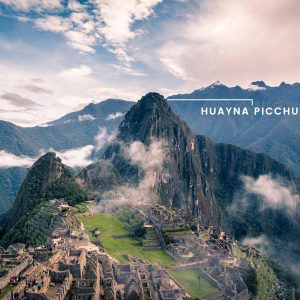
The final day involves a shorter hike to Intipunku, the Sun Gate, providing the first iconic view of Machu Picchu. The sense of reward is amplified by the previous days’ effort, especially after conquering the inca trail highest point. Take time to enjoy the panoramic vistas and appreciate the culmination of physical preparation and perseverance.
Tips for Handling the Highest Point
Pacing and Breathing
Ascending to the inca trail highest point requires a slow and steady pace. Short, rhythmic steps combined with deep breaths help maintain oxygen levels and reduce fatigue. Avoid rushing; patience is key to reaching the summit comfortably.
Hydration and Nutrition
Carry at least 2 liters of water and small snacks like nuts, energy bars, and dried fruit. Eating frequently in small portions helps maintain energy without causing digestive discomfort. Proper nutrition can make a noticeable difference on steep climbs.
Mental Focus
The steep slopes and thinner air can be intimidating. Focus on one section at a time rather than the entire climb. Positive visualization and mental resilience are critical when tackling the inca trail highest point.
Common Mistakes to Avoid
Underestimating the Altitude
Many hikers train physically but neglect acclimatization. Skipping acclimatization can lead to altitude sickness, which affects your ability to reach the inca trail highest point.
Overpacking
Heavy backpacks slow progress and increase fatigue. Keep your pack light, carrying only essentials like water, snacks, layers, and a basic first aid kit.
Ignoring Weather Conditions
Weather can change rapidly at high altitudes. Prepare for rain, cold, and intense sun. Layering clothing and carrying a waterproof jacket are essential strategies.
Gear Recommendations for the Trail
- Hiking boots: High-quality, broken-in boots with ankle support
- Backpack: 30–40 L, with hydration system if possible
- Trekking poles: Reduce knee strain on descents and steep climbs
- Clothing: Moisture-wicking base layers, insulating mid-layers, waterproof outer layers
- Accessories: Hat, gloves, sunglasses, sunscreen, and a first aid kit
Investing in proper gear ensures comfort and safety while approaching the inca trail highest point.
Nutrition and Hydration Strategies
Before the Trek
Fuel your body with carbohydrate-rich meals and lean protein. Avoid heavy or greasy foods. Staying hydrated before starting is essential.
During the Trek
Snack frequently with high-energy foods. Carry water and electrolyte tablets or powders to maintain hydration, particularly when ascending to the highest point.
Post-Climb Recovery
After each day’s hike, replenish with a balanced meal containing carbohydrates and protein. Rest, stretch, and allow your muscles to recover for the next day’s challenge.
Advanced Mental Preparation for the Highest Point
Climbing to the inca trail highest point is as much a mental challenge as a physical one. Many hikers underestimate the psychological effort needed to face steep ascents and thinner air.
Visualize the Climb
Visualizing each section of the ascent can build confidence. Imagine yourself pacing steadily, breathing deeply, and reaching the summit. Mental rehearsal prepares your mind for the physical effort.
Positive Self-Talk
During the steepest parts of the climb, focus on encouraging thoughts. Remind yourself that each step brings you closer to breathtaking views and the sense of accomplishment at Dead Woman’s Pass.
Break Goals into Sections
Instead of thinking about the entire climb, focus on reaching the next marker, cairn, or bend in the trail. Breaking the climb into smaller goals helps maintain motivation and reduces perceived difficulty.
Capturing the Views, Photography Tips
The inca trail highest point offers some of the most spectacular vistas on the trek. To capture them effectively:
- Morning Light: Start early to catch the soft, golden sunlight on the peaks.
- Composition: Include foreground elements like rocks or vegetation to add depth.
- Protection: Keep cameras and phones protected from moisture and dust.
- Pacing: Take breaks to photograph safely without disrupting your climbing rhythm.
Remember, while photos are important, experiencing the view with your own eyes is equally rewarding.
Safety Considerations on the Highest Point
Watch for Altitude Sickness
Even fit trekkers can experience altitude sickness near the inca trail highest point. Symptoms include headaches, nausea, dizziness, or shortness of breath.
Prevention Tips:
- Ascend slowly
- Stay hydrated
- Avoid alcohol and heavy meals
- Consider consulting a doctor for preventive measures
Steep Terrain Precautions
The climb and descent can be treacherous. Use trekking poles to reduce knee stress and maintain balance. Always step carefully on uneven stone surfaces, especially after rain or morning dew.
Weather Awareness
High-altitude weather changes quickly. Carry a waterproof jacket, extra layers, and sun protection. Plan your pace according to weather conditions to avoid exposure to cold, wind, or intense sun.
What to Expect at Dead Woman’s Pass

Reaching the inca trail highest point is an unforgettable experience. Hikers are rewarded with:
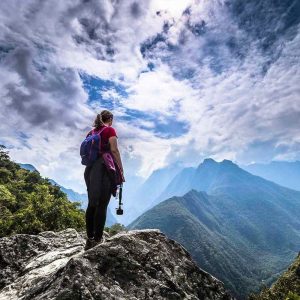
- Panoramic views of snow-capped peaks
- Rolling valleys below the clouds
- Unique flora and fauna adapted to high altitudes
- A profound sense of achievement
Take a moment to rest, breathe, and absorb the scenery. Many describe the view as a spiritual experience, a culmination of days of effort and preparation.
Final Preparation Checklist
- Gear: Boots, backpack, trekking poles, layers, first aid
- Nutrition: Hydration, energy snacks, meals rich in carbs and protein
- Mental: Positive mindset, visualization, pacing strategies
- Health: Acclimatization, altitude awareness, rest days before the trek
Following this checklist ensures that your experience at the inca trail highest point is safe, enjoyable, and memorable.
Discover With Us and Follow Us on Instagram
Discover with us the hidden gems of the Inca Trail and gain exclusive tips for hiking the inca trail highest point. Our guides, photos, and stories will help you prepare for the adventure of a lifetime.
Follow us on Instagram: @machupicchu.mp
Stay updated with:
- Trekking tips and training advice
- Gear recommendations
- Stunning photos from the trail
- Stories from experienced hikers
Join our community, learn from experts, and make your journey to the inca trail highest point unforgettable.