 English
 Spanish
 Portuguese


The Inca Trail is one of the most iconic trekking routes in the world. Spanning over 42 kilometers through the Andes, it offers breathtaking landscapes, ancient archaeological sites, and the unforgettable reward of arriving at Machu Picchu. To make the most of this experience, understanding inca trail tips is essential. These tips can help you prepare physically, mentally, and logistically for the trek.
Many first-time trekkers underestimate the challenges posed by the trail, including high altitudes, unpredictable weather, and steep ascents. Planning ahead with practical knowledge ensures a safer and more enjoyable adventure. From choosing the right gear to understanding cultural etiquette, proper preparation enhances both comfort and the overall experience.
When to Hike the Inca Trail

One of the most critical inca trail tips is timing your trek correctly. The trail is officially open from May to September during the dry season. This period offers clearer skies, better trail conditions, and minimal rainfall, making the journey safer and more scenic.
The wet season, from November to March, is generally closed due to slippery trails, landslides, and increased risk of injury. Even during the dry season, mornings are often foggy, so early starts are recommended to catch sunrise views at high-altitude points. Planning your trek during the right season maximizes visibility, comfort, and the quality of your experience.
Physical Preparation

The Inca Trail is physically demanding, with high passes reaching over 4,200 meters above sea level. One of the most important inca trail tips is to prepare your body ahead of time. Cardiovascular exercises such as hiking, running, or cycling build stamina, while strength training strengthens your legs, back, and core for long days on uneven terrain.
Acclimatization is equally crucial. Spending a few days in Cusco or the Sacred Valley helps your body adjust to high altitudes, reducing the risk of altitude sickness. Walking at a steady pace, staying hydrated, and listening to your body are essential strategies during the trek itself.
Choosing the Right Trekking Package
Selecting the appropriate trekking package is another essential inca trail tip. Options vary from standard group tours to luxury or private experiences. Group tours are cost-effective and convenient, providing guides, porters, meals, and tents. Luxury packages may include smaller groups, premium accommodations, and additional services.
Booking in advance is crucial, as permits for the Inca Trail are limited to 500 per day, including staff and guides. Early booking ensures availability, especially during peak months like June, July, and August. Choosing the right package based on your budget, fitness level, and comfort expectations contributes to a smooth and enjoyable trek.
Essential Gear for the Trail
Proper equipment is critical for a successful journey. Some essential inca trail tips include packing lightweight yet durable items. Good hiking boots with ankle support are necessary for uneven terrain, while trekking poles reduce strain on knees during steep ascents and descents.
Layered clothing allows you to adapt to varying temperatures, from chilly mornings to hot afternoons. Waterproof jackets, hats, gloves, and sunglasses protect against unpredictable weather. A quality backpack with hydration options ensures you can carry your essentials comfortably. Preparing the right gear enhances safety, comfort, and enjoyment.
Food and Hydration

Staying nourished and hydrated is crucial along the Inca Trail. High-energy snacks such as nuts, chocolate, and dried fruits provide quick fuel during long hikes. Meals included in trekking packages are often sufficient, but carrying personal snacks is recommended for emergencies or extra energy.
Water quality can be unpredictable. One of the most useful inca trail tips is to carry a reusable water bottle and use purification tablets or filters when necessary. Staying hydrated helps prevent altitude sickness and maintains physical performance throughout the trek.
When to Start Your Hike Each Day

Timing your daily start is one of the most important inca trail tips. Most trekkers begin early in the morning, often around 5:00 or 6:00 AM. Starting early allows you to hike at a cooler temperature, avoid midday sun, and reach key viewpoints before crowds arrive.
Early departures also help maximize daylight hours, especially on longer trekking days that involve crossing high passes. Taking breaks strategically and pacing yourself during the morning hours helps maintain energy and reduces fatigue throughout the day.
Camping and Sleeping Arrangements

Overnight stays on the Inca Trail are usually in tents provided by tour operators. Understanding sleeping logistics is crucial for comfort and safety. Many trekkers bring lightweight sleeping bags rated for cold temperatures, as nights can be surprisingly chilly, especially at higher elevations.
Choosing the right tent location, organizing your belongings, and using sleeping pads improve your rest. Adequate sleep is essential for recovery, and being prepared for changing temperatures ensures a more comfortable night on the trail.
Trail Etiquette and Respect for the Environment
Respecting the trail and local customs is vital. One of the top inca trail tips is to leave no trace. Carry out all trash, avoid disturbing wildlife, and stick to designated paths to preserve the environment and archaeological sites.
The trail passes through sacred areas and historical ruins. Be mindful of cultural and spiritual practices, follow your guide’s instructions, and interact respectfully with local communities. Observing etiquette ensures a safe, responsible, and enriching trekking experience for everyone.
Photography Tips for the Inca Trail

Capturing the beauty of the Inca Trail requires preparation. Early morning or late afternoon light provides the best natural lighting for landscapes and ruins. Use wide-angle lenses for sweeping views and zoom lenses for details in stonework or distant peaks.
Including elements like fellow trekkers, llamas, or local villagers adds depth and context to your photos. Remember to balance photography with enjoying the moment; some of the most memorable experiences are best preserved in your mind as well as on camera.
Highlights of Archaeological Sites

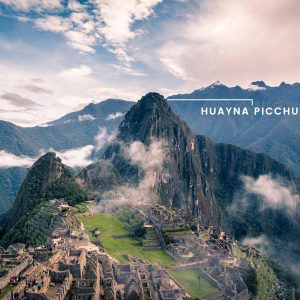
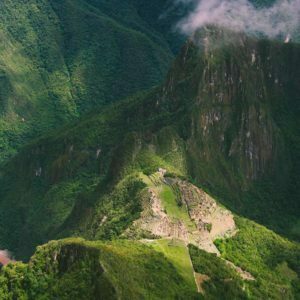
The Inca Trail is dotted with incredible archaeological sites. Some notable stops include Wiñay Wayna, an impressive complex of terraces and ruins, and Inti Punku, the Sun Gate, which offers panoramic views of Machu Picchu. Exploring these areas provides insight into Inca engineering, agriculture, and spiritual practices.
One of the most important inca trail tips is to respect these ancient sites. Avoid climbing on fragile structures, follow guide instructions, and take time to understand the historical significance. Experiencing these ruins enhances your connection to the trail’s rich heritage.
Altitude and Health Precautions

Altitude is one of the most important considerations for trekking the Inca Trail. Many hikers experience mild to moderate symptoms of altitude sickness, including headaches, nausea, dizziness, and fatigue. One of the top inca trail tips is to allow your body to acclimatize before beginning the trek.
Spending a few days in Cusco or the Sacred Valley helps your body adjust to high altitudes. Staying hydrated, eating light meals, and avoiding alcohol during this period reduces the risk of sickness. Listening to your body, pacing yourself during hikes, and knowing the signs of altitude sickness are crucial for a safe and enjoyable journey.
Packing Tips for Light Travel

Packing efficiently is essential for comfort and mobility. One of the key inca trail tips is to bring only what is necessary. A well-organized backpack with essentials such as a first-aid kit, layered clothing, water bottles, snacks, and a camera ensures you are prepared without carrying unnecessary weight.
Lightweight, compact gear reduces strain on your body and makes long hiking days more manageable. Waterproof covers, a hat, gloves, and sun protection are also recommended to handle varying weather conditions. Preparing a checklist ahead of time helps ensure nothing is forgotten.
Common Mistakes to Avoid
Many first-time trekkers make mistakes that can diminish their experience. Overpacking, underestimating the difficulty of the trail, or starting too fast are common errors. One of the most valuable inca trail tips is to avoid rushing and focus on pacing yourself.
Other mistakes include ignoring altitude acclimatization, neglecting proper footwear, and failing to respect cultural sites. By planning ahead, following guide instructions, and maintaining awareness of your surroundings, you can avoid these pitfalls and make your trek safer and more enjoyable.
Preparing Mentally and Physically
Success on the Inca Trail is as much about mental preparation as physical readiness. The trek challenges endurance, patience, and adaptability. One of the best inca trail tips is to set realistic expectations and cultivate a positive mindset.
Visualization, goal setting, and gradual physical training help prepare for long days of hiking and variable weather. Being mentally prepared for unexpected situations, such as sudden rain or fatigue, ensures you can enjoy the journey without unnecessary stress.
Understanding Weather Conditions

Weather along the Inca Trail can change rapidly. While the dry season is ideal, hikers should still be prepared for rain, fog, and temperature fluctuations. Layered clothing, waterproof jackets, and quick-dry fabrics are essential.
One of the most useful inca trail tips is to monitor daily forecasts and adapt your schedule accordingly. Morning hikes often offer clear views, while afternoons can bring clouds or rain. Being flexible and prepared allows you to capture the best scenery while staying safe.
Final Tips and Recommendations
Completing the Inca Trail is a memorable achievement, but some final precautions and advice can make the experience smoother. One of the top inca trail tips is to pace yourself, especially on long ascents and high passes. Listen to your body, take regular breaks, and maintain hydration.
Respect the environment and cultural sites by following trail regulations, not leaving any waste, and avoiding damage to ruins. Trust your guide’s advice and be prepared for unexpected situations such as sudden weather changes. These small practices significantly enhance safety and enjoyment throughout your trek.
Returning Safely and Post-Trek Care
After finishing the trail, it’s important to care for your body. Sore muscles, blisters, and fatigue are common. Stretching, gentle walking, and staying hydrated help speed recovery. One of the essential inca trail tips is to avoid immediately traveling to lower altitudes if your body feels unwell; allow some time to rest.
Proper nutrition and rest post-trek also help in recovery. Celebrating your accomplishment while taking care of your health ensures you return from the adventure energized and ready to share your experiences.
Packing Up and Organizing Gear
Efficiently packing and managing gear at the end of the trek prevents lost items and makes travel easier. Keep track of personal belongings, ensure all rented or provided equipment is returned, and double-check tents and communal areas for leftover items.
Organizing photos, notes, and souvenirs immediately helps preserve memories. One of the practical inca trail tips is to keep a small journal or digital record of your trek, capturing both logistical information and personal experiences for future reference.
Discover With Us
The Inca Trail is more than a trek; it’s a journey through history, culture, and breathtaking landscapes. Understanding inca trail tips enhances every step, from preparation and acclimatization to trekking and photography. Each tip ensures safety, enjoyment, and deeper appreciation of this iconic route.
We invite you to continue exploring with us. Follow our adventures for more hidden gems, practical advice, and inspiring stories from Peru and beyond.
Discover with us and follow our adventures on Instagram for daily updates, stunning visuals, and insider trekking tips.