 English
 Spanish
 Portuguese


The Inca Trail is one of the most iconic trekking experiences in the world, combining breathtaking Andean landscapes, mysterious cloud forests, and ancient Inca ruins that ultimately lead to the majestic Machu Picchu. However, despite its beauty, the trek is also demanding. High altitude, steep ascents, long hiking days, and unpredictable weather can challenge even experienced hikers. That’s why effective inca trail training is essential for anyone wanting to complete the route safely and enjoyably.
Training for the Inca Trail is not about athletic perfection. Rather, it’s about preparing your body and mind so you can fully appreciate the experience instead of struggling through it. With proper preparation, you’ll walk confidently, acclimate better, and arrive at the Sun Gate with energy and excitement—not exhaustion.
This complete guide breaks down everything you need to know: physical conditioning, altitude acclimatization, mental preparation, gear practice, hydration habits, nutrition, and more. Each section offers actionable, simple steps designed to help travelers of all ages prepare efficiently for this extraordinary journey.
Understanding the Challenge, What the Inca Trail Really Demands

Before planning any inca trail training, it’s crucial to understand what your body will face on the trail. The Classical Inca Trail covers approximately 43 km (26 miles) over four days, with a dynamic mix of terrains and elevations. Some sections feel smooth and relaxing, while others push your endurance to new limits.
Altitude and Elevation
The trek reaches altitudes of up to 4,215 meters (13,828 feet) at Dead Woman’s Pass. Anyone not accustomed to high elevations may experience shortness of breath, fatigue, or mild altitude sickness. Training helps reduce the intensity of these symptoms and improve your resilience.
Steep Ascents and Descents
Many parts of the trail involve long staircases carved into stone. These steps vary in height and shape, requiring strong legs, good balance, and steady breathing. Conditioning your lower body before the trek significantly improves your experience.
Long Trekking Days
Hiking days often last between 6 to 9 hours. This duration is manageable with regular breaks, but it still requires stamina. Preparing your cardiovascular system makes days feel shorter and less physically overwhelming.
Variable Weather
The Andean climate can change rapidly. Sun, rain, fog, and cold temperatures can all occur in a single day. Strengthening your endurance ensures your body adapts well even under shifting weather conditions.
Understanding these challenges provides the foundation for building an effective inca trail training plan tailored to your fitness level.
How Long You Need to Train for the Inca Trail

Most travelers benefit from 6 to 12 weeks of focused preparation. The exact duration depends on your current fitness level, hiking experience, and time availability.
Beginners or Low Activity Level
If you lead a mostly sedentary lifestyle, aim for 10 to 12 weeks. This allows gradual conditioning that prevents injuries and burnout.
Moderately Active Individuals
Someone who exercises casually (2–3 times a week) can prepare in 6 to 8 weeks.
Experienced Hikers
If you already hike long distances regularly, 4 to 6 weeks of targeted training will help fine-tune your endurance and altitude adaptation strategies.
The key is consistency. Even shorter workouts performed regularly can outperform occasional long training sessions.
Creating an Effective Inca Trail Training Schedule

A complete inca trail training program should include a balanced combination of cardio workouts, strength training, hiking simulations, flexibility exercises, and breathing routines. Each component prepares your body differently, and together they form a solid foundation for trekking success.
Below is a recommended weekly structure that works for most travelers:
Weekly Training Breakdown
- 3–4 days of cardio
Moderate to high intensity: hiking, jogging, stair climbing, cycling, or fast walking. - 2–3 days of strength training
Focus on legs, core, and back to support long hikes with a backpack. - 1–2 long hikes per week
Preferably with increasing elevation gain over time. - Daily stretching or mobility work
Keeps muscles flexible and reduces injury risk. - 1 day of full rest
Recovery is essential for progress.
This balanced program ensures you build endurance without overworking your body.
Cardiovascular Conditioning, The Heart of the Training Plan

Cardio workouts are the foundation of inca trail training. The goal is to strengthen your lungs, improve oxygen flow, and prepare your body for long trekking hours at high altitude.
Best Cardio Exercises for Inca Trail Preparation
- Hiking or Walking
Walking on varied terrain is one of the most effective ways to prepare since it simulates the real trail. - Stair Climbing
Excellent for replicating the steep stone steps of the Andes. Use a stairway, stadium steps, or stair machine. - Jogging or Running
Builds strong cardiovascular endurance. - Cycling
Low-impact and great for strengthening leg muscles without stressing joints. - Elliptical Training
Useful for people with knee sensitivity.
Aim for 30–60 minutes per session, gradually increasing duration and intensity.
Interval Training for Extra Power
Interval sessions help boost lung capacity and stamina:
- 2 minutes slow jogging + 1 minute fast pace
- Repeat for 20–30 minutes
This method closely mimics the changing intensities on the trail.
Strength Training for the Inca Trail

To enjoy the trek instead of struggling through it, strong muscles are essential. A proper inca trail training plan must include strength exercises targeting legs, glutes, core, and back.
Best Strength Exercises
For Legs and Glutes:
- Squats
- Lunges
- Step-ups
- Calf raises
- Bulgarian split squats
For Core Stability:
- Planks
- Side planks
- Dead bug
- Russian twists (light weight)
For Back and Posture:
- Rows
- Back extensions
- Shoulder band pulls
Training Tips
- Use light to moderate weights.
- Perform 3 sets of 10–12 reps per exercise.
- Increase resistance gradually every week.
Building strong legs and a stable core will dramatically improve your comfort on the trail, especially on endless descents.
Simulating the Trail, Practice Hikes
One of the most valuable parts of inca trail training is getting outdoors and hiking on real terrain. Nothing prepares you better than the actual movement your body will perform on the trail.
How to Build Hiking Practice into Your Training
Start with short hikes of 1–2 hours, then slowly increase distance and elevation gain. By the last weeks of training, aim to complete at least one hike that lasts 4–6 hours.
Practicing with your backpack is crucial. Begin with light weight and progressively add more, simulating the gear you’ll carry on the trail.
If You Don’t Have Mountains Nearby
Try these alternatives:
- Walk on a treadmill set to incline
- Use stairwells in buildings
- Find urban hills or parks
- Hike with a weighted backpack in flat areas to increase effort
Your goal is to strengthen your legs, lungs, and endurance—not replicate the exact trail.
Altitude Preparation, A Key Component of Inca Trail Training

Altitude is one of the biggest challenges on the Inca Trail. Even physically strong hikers may struggle if they are not accustomed to high elevations. Therefore, altitude readiness must be part of your inca trail training plan.
Understanding How Altitude Affects the Body
As you ascend above 2,500 meters (8,200 feet), oxygen levels decrease. Your body must work harder to deliver oxygen to muscles and organs. This can cause symptoms such as:
- Shortness of breath
- Headache
- Fatigue
- Nausea
- Difficulty sleeping
Not everyone experiences symptoms, but being prepared reduces the risk significantly.
How to Train for Altitude Before Traveling
While you cannot fully replicate high-altitude conditions at home unless you live in the mountains, you can still prepare your body:
1. Boost Your Cardiovascular Fitness
The stronger your heart and lungs are, the easier you’ll adapt.
Consistent cardio—jogging, stair climbing, hiking, cycling—helps the body use oxygen more efficiently.
2. Practice Controlled Breathing
Breathing exercises help expand lung capacity:
- Long inhales through the nose
- Slow exhales through the mouth
- Diaphragmatic breathing
These routines also reduce anxiety, which can worsen altitude symptoms.
3. Train with Progressive Intensity
Build workouts that gradually increase difficulty. When your body gets used to effort, it tolerates altitude stress better.
4. Arrive Early in Cusco
The most effective altitude adaptation happens on-site. Arrive in Cusco at least 2–3 days before your trek, allowing your body to acclimate.
5. Stay Hydrated
Altitude increases dehydration. Develop habits now so that hydration feels natural during the trek.
Altitude preparation doesn’t eliminate risks completely, but it empowers your body to adapt faster and endure effort more comfortably.
Mental Preparation: Strengthening Your Mind for the Trek
A successful trek isn’t only physical—it’s also mental. Mental resilience helps you overcome fatigue, weather changes, long days, and challenging climbs. Including mental strength in your inca trail training gives you a huge advantage.
Expect Physical and Emotional Highs and Lows
Even experienced hikers face moments of exhaustion or discouragement. Accepting this ahead of time helps reduce frustration when those moments occur.
Mindset Techniques to Support Your Journey
1. Visualize Your Progress
Imagine yourself confidently walking the trail, conquering Dead Woman’s Pass, and arriving at the Sun Gate. Visualization motivates you and reduces anxiety.
2. Train with a Purpose
Every workout serves a goal. Remind yourself why you’re preparing—this makes training feel meaningful rather than routine.
3. Build Discipline Through Small Wins
Commit to consistent effort: short workouts, gentle hikes, or stretching sessions. These small victories shape mental resilience.
4. Develop Patience
The Inca Trail is not a race. Hiking slowly, breathing deeply, and enjoying the scenery are essential for a positive experience.
5. Use Positive Self-Talk
Encourage yourself when workouts feel difficult. The same mindset will help you on steep ascents and long sections of the trail.
Mental preparation often determines how enjoyable your trek feels, especially on tough days.
Nutrition and Hydration, Fueling Your Body for Success

What you eat and drink before and during the trek has a direct impact on your endurance and performance. Proper fueling must be part of your inca trail training plan.
Nutrition Before the Trek
In the weeks leading up to the hike, prioritize foods that support muscle recovery, energy, and overall health.
Carbohydrates
Your primary energy source. Include:
- Whole grains
- Oats
- Potatoes
- Quinoa
- Fruits
Protein
Supports muscle growth and recovery:
- Eggs
- Lean meats
- Fish
- Beans
- Tofu
Healthy Fats
Sustain energy for longer periods:
- Nuts
- Avocado
- Olive oil
Micronutrients
Iron, magnesium, potassium, and vitamins play crucial roles in energy production. Include vegetables and fruits daily.
Hydration Habits
Hydration is essential for altitude adaptation. Begin developing good habits early:
- Drink water regularly throughout the day
- Avoid excessive alcohol before the trek
- Monitor urine color to ensure proper hydration
During your inca trail training, practice drinking water before you feel thirsty. The trail requires constant hydration.
Nutrition During the Trek
Hiking burns significant calories. Small, frequent snacks keep energy stable:
- Nuts
- Granola
- Chocolate
- Energy bars
- Fruit
Tour companies generally provide meals, but personal snacks offer quick boosts during steep climbs.
Gear Preparation, Train with the Equipment You Will Use
Practicing with your actual gear is essential for a successful Inca Trail experience. Gear familiarity minimizes surprises and helps you identify what works best.
Backpack Training
Your daypack will likely weigh between 5 and 8 kg.
Incorporate backpack conditioning into your inca trail training:
- Start with light weight
- Add weight weekly
- Practice balance on uneven terrain
Training with a weighted pack strengthens your core and improves posture.
Footwear Preparation
Foot discomfort is one of the most common issues for unprepared hikers. Avoid this by:
Choosing the Right Shoes
- Select hiking shoes or boots with strong grip
- Ensure they fit well and support your ankles
- Break them in weeks before the trek
Socks Matter
Wear moisture-wicking, cushioned socks. Test different pairs during training hikes to avoid blister problems.
Walking Poles
If you plan to use trekking poles, practice with them so movement feels natural. They improve balance and reduce strain on knees, especially during downhill sections.
Clothing and Layers
Train using the layers you’ll bring:
- Base layers
- Lightweight fleeces
- Rain jacket
- Breathable pants
Familiarizing yourself with your clothing helps you adjust faster on the trail.
Practicing with your real gear ensures maximum comfort and efficiency during the hike.
Common Training Mistakes to Avoid
A complete inca trail training plan isn’t only about what to do—it’s also about what to avoid. Many hikers make preventable mistakes that affect their performance on the trail.
1. Training Too Late
Starting only a week or two before the trek does not give your body enough time to adapt. The result is unnecessary fatigue and higher injury risk.
2. Ignoring Strength Training
Some travelers focus only on cardio. While cardio is crucial, strong legs, glutes, and core muscles are equally important.
3. Overtraining
Training too intensely without rest can cause injuries and exhaustion. Recovery is part of the process.
4. Not Practicing with a Backpack
Carrying weight changes posture and balance. Training without a pack leaves you unprepared for the real conditions.
5. Skipping Long Hikes
Short workouts help build fitness, but long hikes prepare you for real trekking endurance.
Avoiding these mistakes keeps your training safe, effective, and enjoyable.
Advanced Preparation Tips for a Successful Trek
Beyond the basics of inca trail training, there are advanced strategies that significantly improve your performance, comfort, and confidence during the trek. These recommendations are especially useful for travelers seeking an optimal experience or those who want to push their preparation further.
1. Train at Different Times of Day
Your body reacts differently in the morning, afternoon, and evening. The Inca Trail involves early starts, so incorporate morning hikes into your routine. This helps your muscles adapt to activity immediately after waking, just as you’ll experience on the trek.
2. Practice Descending Techniques
Most hikers focus on climbing, but descending is equally challenging. The Inca Trail has long, steep downhill sections on uneven stone steps. During training:
- Keep your center of gravity low
- Take shorter steps
- Use walking poles for stability
- Strengthen your knees and quadriceps
Practicing descents reduces fatigue and lowers the risk of knee pain.
3. Improve Balance and Agility
Uneven terrain requires strong balance. Simple exercises help:
- Single-leg stands
- Bosu ball training
- Lateral lunges
- Core activation drills
Good balance improves speed and reduces the risk of twisting ankles.
4. Include Mental Endurance Workouts
Mental fatigue can appear during long trekking days. Incorporate activities that challenge your concentration, such as:
- Long cardio sessions without music
- Hiking in silence
- Mindfulness or meditation practices
These techniques help you stay focused and calm on difficult sections.
5. Weather Adaptation Sessions
The Andes can switch from heat to cold or dry to rainy quickly. Try training in:
- Rainy conditions
- Hot afternoons
- Windy days
This builds resilience for unpredictable Andean weather.
A 10-Week Sample Inca Trail Training Plan
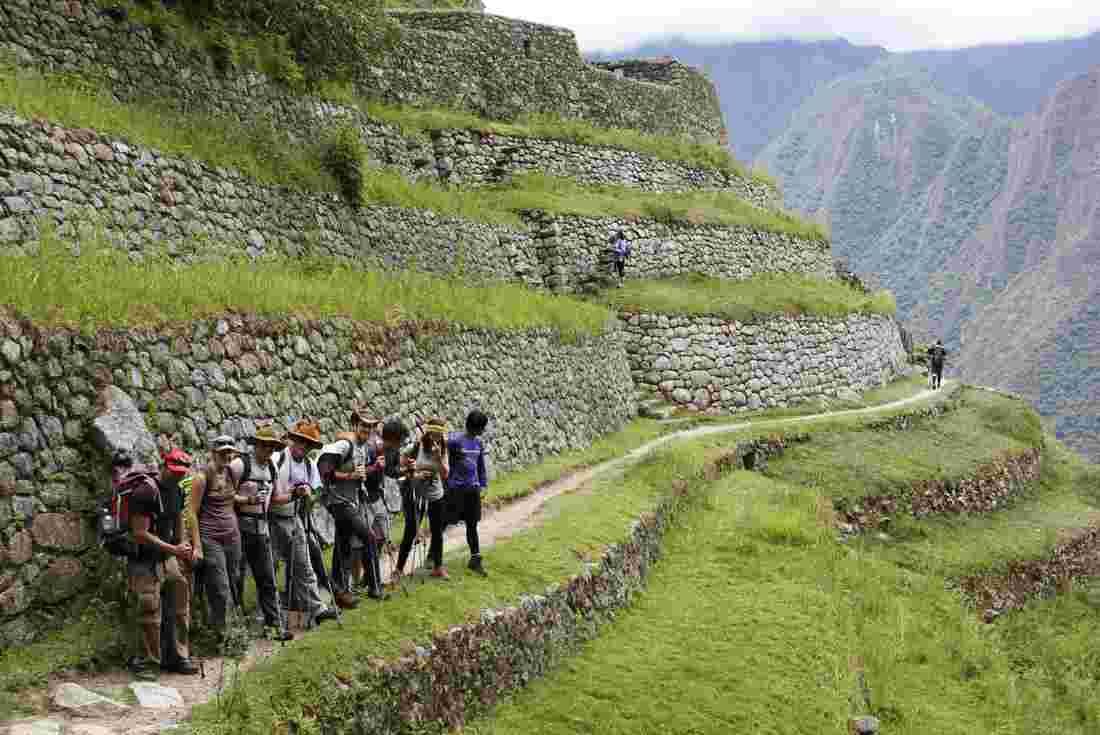
Below is a structured inca trail training plan suitable for most beginner and intermediate hikers. You can adjust intensities based on your fitness level.
Weeks 1–2: Building the Base
Goals: develop consistency, light cardio, mobility.
- 3 cardio sessions (30–40 minutes walking/jogging)
- 1–2 strength sessions (basic legs + core)
- 1 short hike (1–2 hours)
- Daily stretching
Focus on light, easy movement to prepare your body gradually.
Weeks 3–4: Increasing Endurance
Goals: improve stamina, start adding elevation.
- 3 cardio sessions (40–50 minutes; include stairs)
- 2 strength sessions (legs, glutes, core)
- 1–2 hikes (2–3 hours, moderate inclines)
- Add light backpack weight
Your body begins adapting to longer efforts.
Weeks 5–6: Strength + Distance Development
Goals: longer hikes, higher intensity.
- 3 cardio sessions including interval training
- 2 full-body strength sessions
- 1 long hike (3–4 hours)
- Backpack with moderate weight
- Practice controlled breathing
Energy and confidence increase significantly at this stage.
Weeks 7–8: Peak Training Phase
Goals: simulate the demands of the trail.
- 3 cardio sessions (mix of steady pace and intervals)
- 2 strength workouts (higher reps or weight)
- 1 long hike (4–6 hours with elevation gain)
- Practice with trekking poles
- Gear testing: shoes, socks, layers
This is the most important phase of your inca trail training plan.
Weeks 9–10: Tapering and Recovery
Goals: rest, recovery, light movement.
- 2–3 short cardio sessions (20–30 minutes)
- 1 gentle hike
- Strength reduced to light weights
- Restore energy through sleep and nutrition
- No intense workouts during the final week
A tapering phase prevents fatigue and ensures you begin the trek fresh and strong.
How to Acclimate Properly Once You Arrive in Peru
Even with thorough inca trail training, proper acclimatization in Cusco or the Sacred Valley is essential before starting the trek.
Day 1: Arrival Day
- Rest and avoid demanding physical activity
- Eat lightly and drink plenty of water
- Try coca tea or muña tea (local herbs that support digestion and breathing)
Day 2: Light Exploration
Walk around Cusco at a slow pace. Explore plazas, museums, or nearby archaeological sites. This gentle movement helps your body adjust.
Day 3: Active Acclimatization
Choose an easy activity such as:
- Sacred Valley tour
- Pisac ruins
- Moray and Maras
- Short hikes around Cusco
This prepares your body for the trek without overexertion.
Proper acclimatization directly improves your performance and comfort on the Inca Trail.
Choosing the Right Trekking Company to Support Your Preparation
The company you choose has a significant impact on your trekking experience. A supportive team helps you manage pace, altitude, hydration, and energy levels. Even with strong inca trail training, having expert guidance enhances safety and enjoyment.
What to Look For
- Licensed guides with experience
- Small group sizes
- Quality camping equipment
- Nutritious and abundant meals
- Emergency oxygen and first-aid kits
- Porters with fair work conditions
- Clear communication before the trek
A professional operator ensures you always feel supported, informed, and well-prepared.
How Your Body Will Feel During Each Day of the Inca Trail
Knowing what to expect helps you prepare mentally and physically. Here’s how your inca trail training will support you during each stage of the trek.
Day 1: Easy to Moderate
This day introduces gently rolling terrain. Your training helps you:
- Maintain a steady pace
- Breathe comfortably
- Keep energy levels stable
Day 2: The Most Challenging Day
The climb to Dead Woman’s Pass is steep and long. Thanks to your preparation, you’ll:
- Control your breathing
- Use durable leg strength
- Keep a positive mindset
Descending from the pass tests knee stability—your training prepares you for this.
Day 3: Long but Enjoyable
This day involves many steps and archaeological sites. Your endurance and hiking practice make it manageable.
Day 4: Arrival at Machu Picchu
Your final challenge is waking early and hiking to the Sun Gate. Training ensures you arrive with energy and excitement rather than exhaustion.
Signs Your Training Is Working
As your inca trail training progresses, you’ll notice:
- Increased lung capacity
- Better stamina
- Reduced muscle soreness
- Stronger balance and stability
- Improved motivation
- Faster recovery times
These signs indicate your body is becoming trek-ready.
What to Do If You Start the Trek Feeling Underprepared
Even with training, some travelers feel nervous. If that happens:
- Walk at your own pace
- Hydrate consistently
- Communicate with your guide
- Take short breaks
- Focus on your breathing
- Trust your preparation
The Inca Trail is challenging, but it is also achievable for travelers of all fitness levels who pace themselves and follow their guide’s recommendations.
Frequently Asked Questions About Inca Trail Training
Do I really need specific inca trail training before doing the trek?
Yes. While the Inca Trail is achievable for people of different ages and fitness levels, targeted preparation significantly improves your comfort and performance. Training helps you handle long trekking days, steep ascents, altitude, and variable weather. Without preparation, hikers often struggle unnecessarily with fatigue, slow recovery, or altitude issues.
How many weeks should I dedicate to inca trail training?
Most travelers benefit from 6 to 12 weeks of preparation. Beginners or people with low activity levels should aim for 10–12 weeks. Moderately active individuals can complete their preparation in 6–8 weeks, while experienced hikers may only need 4–6 weeks of focused training.
What type of exercises should I prioritize?
The best combination includes:
- Cardio (hiking, running, stair climbing, cycling)
- Strength training (legs, core, and back)
- Long practice hikes
- Flexibility and mobility routines
- Breathing exercises for altitude
This well-rounded structure ensures your body adapts to multiple physical demands.
How important is altitude preparation?
Altitude is one of the biggest factors on the trail. Proper inca trail training improves your body’s resilience and reduces the severity of altitude symptoms. However, true acclimatization happens once you arrive in Peru. Spending 2–3 days in Cusco or the Sacred Valley is strongly recommended.
Can older adults complete the Inca Trail?
Absolutely. Many hikers in their 50s, 60s, and even 70s complete the trail successfully every year. The key is consistent training, listening to your body, and trekking at a comfortable pace. Good preparation leads to an enjoyable and safe experience.
Are trekking poles necessary?
They are highly recommended. Poles help stabilize your balance, protect your knees during downhill sections, and improve rhythm. Practicing with poles during your inca trail training ensures you know how to use them effectively before the trek.
What if I have bad knees or joint issues?
Strength training is vital for travelers with knee sensitivity. Exercises that target the quadriceps, glutes, and hips help stabilize joints. Trekking poles and controlled descents also reduce impact. Speak with your guide if you need to hike at a slower pace.
Is running required in the training plan?
No. Running is helpful for cardiovascular fitness, but it’s not mandatory. Walking, stair climbing, incline trekking, and cycling are excellent alternatives. The best approach is to choose cardio exercises you enjoy and can maintain consistently.
How heavy will my backpack be?
Most trekkers carry a daypack weighing 5–8 kg, including water, layers, snacks, and personal items. Porters carry your main camping equipment. Practicing with similar weight during your inca trail training makes the trek feel much easier.
How do I know if I’m overtraining?
Warning signs include:
- Extreme fatigue
- Persistent soreness
- Poor sleep
- Lack of motivation
- Mood changes
If these appear, reduce intensity and allow time for recovery. Rest is just as important as training.
Important Safety Tips for Trekking the Inca Trail
Safety should always be part of your preparation. Even the best inca trail training cannot replace good decisions on the trail.
1. Listen to Your Body
Fatigue, dizziness, or nausea may indicate altitude issues. Rest, hydrate, and communicate with your guide.
2. Maintain a Slow but Steady Pace
The Inca Trail is not a competition. Walking slowly reduces stress on your body and allows you to acclimate better.
3. Eat Regularly
Small snacks keep your energy levels stable. Don’t wait until you feel hungry.
4. Stay Hydrated
Water intake is crucial for preventing altitude sickness. Sip water throughout the day, even if you don’t feel thirsty.
5. Protect Yourself from the Sun
High-altitude UV radiation is strong. Wear sunscreen, a hat, and sunglasses every day.
6. Respect Your Limits
If you feel unwell, speak with your guide. They are trained to assist and evaluate your condition.
How to Evaluate Your Fitness Level Before the Trek
Knowing your starting point helps shape an effective inca trail training plan. Here are simple checks:
1. The Stair Test
Climb 3–4 flights of stairs without stopping. If you’re breathless or fatigued, focus on cardio conditioning.
2. The 1-Hour Walk Test
Walk at a moderate pace for one hour. If fatigue sets in early, increase your weekly walking sessions.
3. The Balance Test
Stand on one foot for 30 seconds. Difficulty maintaining balance means you should include stability exercises.
4. Backpack Trial
Carry a backpack with 5 kg for a short hike. If you feel strain in your shoulders, back, or legs, add backpack conditioning to your routine.
Additional Tips to Maximize Your Training Results
These final recommendations help you transform good training into excellent preparation.
Add Variety to Your Workouts
Avoid repetition. Mix exercises each week to train different muscles and avoid plateaus.
Plan Outdoor Sessions
Real terrain gives your muscles and joints the best preparation. Try hiking trails, parks, or nature paths whenever possible.
Track Your Progress
Use a journal or app to record:
- Distance
- Duration
- Elevation
- Weight carried
Seeing your growth boosts motivation.
Prioritize Sleep
Rest is essential for muscle recovery, mental focus, and altitude adaptation. Quality sleep becomes even more important during the final weeks.
Stretch After Every Session
Short stretching routines prevent tightness, improve posture, and reduce injury risks.
Don’t Compare Yourself to Others
Every person adapts differently. Focus on your personal progress, not the speed of others.
A Realistic View, What You’ll Gain from Proper Inca Trail Training
Your preparation will give you more than physical strength. It provides:
- Confidence in every step
- Improved stamina
- Better altitude resilience
- Mental calmness
- Smooth recovery after hiking
- Joy during each stage of the journey
- A more meaningful experience when reaching the Sun Gate
Instead of merely enduring the Inca Trail, you’ll enjoy it fully.
Inca Trail Training as Your Path to an Unforgettable Journey
Preparing for the Inca Trail is an investment in your well-being and in the quality of your travel experience. With the right combination of cardio, strength conditioning, altitude preparation, gear practice, and mental resilience, you’ll be ready not only to complete the trek—but to truly appreciate its beauty.
Effective inca trail training transforms the entire journey.
It turns challenges into achievements, fears into confidence, and fatigue into fulfillment.
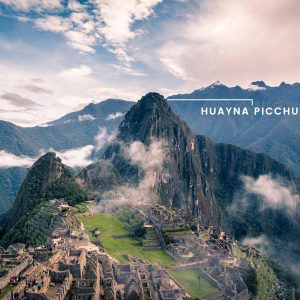
When you finally arrive at the Sun Gate, watching Machu Picchu emerge through the morning mist, every hour of preparation will feel worthwhile.
Your trek will be more than a hike.
It will be a powerful personal accomplishment.
Discover the Journey With Us
Preparing for the Inca Trail is only the beginning of an unforgettable adventure. With the right guidance, support, and passion for exploration, your journey becomes richer, safer, and far more meaningful. Our team is dedicated to helping travelers feel confident and inspired from the moment they begin their inca trail training until they reach the Sun Gate at Machu Picchu.
We share real experiences, behind-the-scenes moments, expert tips, and incredible views from the Andes on our social channels. Every post is designed to prepare, motivate, and immerse you in the magic of Peru long before your trek begins.
Follow Us on Instagram
Discover breathtaking photography, route insights, hiker stories, and exclusive travel inspiration directly from the Inca Trail and beyond.
Follow us on Instagram to experience the adventure day by day:
@machupicchu.mp
Our Instagram is the perfect place to stay connected, learn more, and feel the spirit of the Andes while planning your own journey