 English
 Spanish
 Portuguese

For adventure seekers across the globe, few experiences compare to trekking iconic routes that challenge both body and mind. Among the most legendary are two giants: inca trail vs kilimanjaro.
Both trails attract thousands of trekkers each year, each offering a journey unlike any other. The Inca Trail leads deep into the heart of the Andes, following ancient stone pathways carved by the Incas, ending with the awe-inspiring view of Machu Picchu at sunrise. Kilimanjaro, on the other hand, is the tallest mountain in Africa, a solitary giant rising above the Tanzanian plains, where trekkers climb from lush forests to arctic glaciers in a single expedition.
But which one is better? The answer depends on what kind of traveler you are, your fitness level, and what you seek to experience — history and culture, or altitude and endurance.
In this detailed comparison, we will explore inca trail vs kilimanjaro from every perspective: location, difficulty, altitude, weather, costs, cultural value, and the type of experience each one offers.
1. Geographic Overview
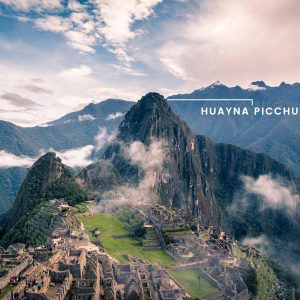
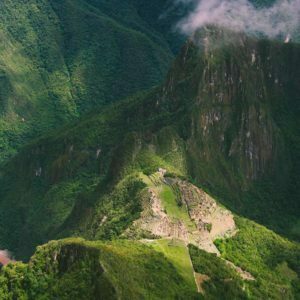
The Inca Trail is located in the Cusco region of Peru, part of the Andes mountain range in South America. The route begins near the Sacred Valley and follows an ancient network of roads built over 500 years ago by the Inca Empire. Its destination is one of the most famous archaeological sites in the world — Machu Picchu, a UNESCO World Heritage Site and one of the New Seven Wonders of the World.

Kilimanjaro, in contrast, dominates the landscape of Tanzania, East Africa. It is a volcanic massif that rises to 5,895 meters (19,341 ft) above sea level, making it the highest free-standing mountain on the planet. The climb is not just about reaching a summit — it’s about walking through five distinct ecological zones, from rainforest to alpine desert to ice-covered peak.

While the Inca Trail combines adventure with history and spirituality, Kilimanjaro offers a pure high-altitude climbing experience and the thrill of standing atop an entire continent.
2. Cultural and Historical Significance
The main difference between inca trail vs kilimanjaro lies in their cultural essence.


The Inca Trail is more than just a hike — it’s a journey through history. Every stone path, every terrace, and every ruin tells the story of an empire that once ruled the Andes. Along the way, trekkers encounter archaeological sites like Wiñay Wayna and Inti Pata, each more impressive than the last. The trail ends at Inti Punku, the “Sun Gate,” where Machu Picchu reveals itself in a mystical sunrise that feels timeless.
Kilimanjaro, by contrast, has less archaeological value but carries deep spiritual meaning for local Chagga people and other East African communities. The mountain, known as “The House of God,” symbolizes endurance, respect for nature, and the connection between earth and sky. Climbing Kilimanjaro is often described as a pilgrimage, not in a religious sense, but as a personal challenge — a test of perseverance.
Both treks, therefore, are spiritual in different ways. The Inca Trail connects you to ancient civilization and lost traditions, while Kilimanjaro connects you to the natural power and vastness of our planet.
3. Distance and Duration
In comparing inca trail vs kilimanjaro, distance and time commitment are key factors.
The classic Inca Trail is approximately 42 kilometers (26 miles) and usually takes 4 days and 3 nights to complete. Each day offers a mix of steep ascents, mountain passes, and descents through cloud forests. The highest point, Dead Woman’s Pass (Warmiwañusca), sits at 4,215 meters (13,829 ft).
Kilimanjaro, on the other hand, offers several routes ranging from 5 to 9 days, with distances between 60 and 90 kilometers (37–56 miles). The most popular are the Machame, Marangu, and Lemosho routes. Each has unique scenery, acclimatization patterns, and difficulty levels. Because of its altitude, extra days are often added to allow trekkers to adjust to the thin air — this is essential for safety and success.
In summary:
- Inca Trail: shorter, culturally rich, moderate altitude.
- Kilimanjaro: longer, higher, physically demanding.
4. Difficulty and Physical Challenge
Both treks are challenging, but in very different ways.


The Inca Trail is not technically difficult — it doesn’t require climbing skills — but it’s physically demanding due to its steep ascents and descents. The trail has thousands of stone steps, often uneven, and the altitude can make breathing harder for those not acclimatized. Still, with moderate fitness and preparation, most people can complete it successfully.
Kilimanjaro, by contrast, is far more extreme in altitude. While it’s a non-technical climb (you don’t need ropes or ice axes), the ascent to nearly 6,000 meters can push the body to its limits. Altitude sickness is a real concern, especially during the final summit night when temperatures drop below freezing and oxygen levels are less than half of those at sea level.
Statistically, the success rate for reaching the summit of Kilimanjaro varies from 60% to 90%, depending on the chosen route and acclimatization strategy. The Inca Trail, meanwhile, boasts a success rate close to 100%.
If your goal is to test endurance and altitude adaptation, Kilimanjaro is the tougher challenge. If you prefer a balanced trek that combines physical effort, history, and nature, the Inca Trail may be your perfect match.
5. Altitude and Acclimatization
Altitude plays a decisive role in comparing inca trail vs kilimanjaro.
The highest point on the Inca Trail (Dead Woman’s Pass) is 4,215 meters, while Machu Picchu itself lies at about 2,430 meters. Travelers typically spend a few days in Cusco (3,400 m) before starting, which helps with acclimatization.
Kilimanjaro, in contrast, reaches an extreme 5,895 meters. That’s more than 1,600 meters higher than any point on the Inca Trail. The rapid altitude gain can lead to Acute Mountain Sickness (AMS), which is why acclimatization is critical. Most climbers spend 1–2 days at mid-level camps like Shira or Barranco to help their bodies adjust.
For those new to high-altitude trekking, starting with the Inca Trail can be an excellent preparation before tackling mountains like Kilimanjaro or even Everest Base Camp.
6. Climate and Best Time to Go
When comparing inca trail vs kilimanjaro, the weather and seasons play a major role in planning your trip.
The Inca Trail Climate

The Inca Trail lies within the tropical Andes, where climate depends on altitude and season. The region has two main periods: the dry season (May to October) and the wet season (November to April).
During the dry season, days are sunny and ideal for hiking, while nights can be cold, especially in higher camps. June, July, and August are peak months with the clearest skies but also the most crowded.
The trail closes every February for maintenance, so this month is off-limits. March and April are transitional months — great if you prefer fewer tourists and greener landscapes.
Kilimanjaro Climate

Mount Kilimanjaro’s weather changes dramatically as you ascend through its five ecological zones. You start in humid rainforests and end in arctic conditions near the summit.
The best times to climb are January to March and June to October, avoiding heavy rains.
January and February offer warmer conditions with fewer clouds, while the June–October window provides crisp air and better summit views.
Unlike the Inca Trail, Kilimanjaro can be climbed year-round, but weather can shift rapidly, so layered clothing is essential.
In short:
- Best for Inca Trail: May–October (dry season).
- Best for Kilimanjaro: January–March or June–October.
Choosing the right season can make the difference between a comfortable, scenic trek and a struggle through mud or freezing winds.
7. Accommodation and Comfort
Another major contrast in inca trail vs kilimanjaro is the level of comfort during the trek.
On the Inca Trail

The experience is more structured. Since it’s part of a protected national park, all treks must be organized through licensed tour operators. You’ll hike with local guides, porters, and cooks who set up tented camps each night.
The service quality varies depending on your tour package — from basic tents and shared bathrooms to luxury options with dining tents and warm showers.
Meals are surprisingly delicious. Local cooks prepare fresh Peruvian dishes using local ingredients like quinoa, trout, and coca tea. Porters carry most of the equipment, so trekkers only carry a light daypack.
On Kilimanjaro

Comfort depends heavily on the route and operator. The Marangu Route is the only one with huts (shared dormitories), while all other routes use tents.
Since the altitude and terrain are more extreme, the overall experience is rougher. Toilets are often basic, nights can be freezing, and there are no showers. However, premium expeditions may include portable toilets, dining tents, and even oxygen support.
Unlike the Inca Trail, there are no porters to carry personal items; however, mountain crew members will transport camping gear and food.
In conclusion: the Inca Trail offers a balance of comfort and authenticity, while Kilimanjaro is a pure expedition — challenging, raw, and minimalistic.
8. Permits and Regulations
One of the most important practical differences between inca trail vs kilimanjaro lies in the permit system.
The Inca Trail
Only 500 permits are issued daily, including guides and porters. This means fewer than 200 tourists can start the trail each day. Because of this strict limit, it’s essential to book at least 4–6 months in advance, especially for high season (June to August).
Permits are non-transferable and tied to your passport number — if you change passports, you must carry both old and new ones. The system helps protect the trail from overuse and ensures a sustainable visitor flow.
Kilimanjaro
There are no daily quotas on Kilimanjaro climbs. However, all trekkers must go through a registered tour operator and pay park fees to the Kilimanjaro National Park Authority (KINAPA).
While booking is more flexible, it’s important to ensure your operator follows ethical practices, including fair porter wages and environmental care.
So, if your travel dates are fixed and you need guaranteed availability, Kilimanjaro is easier to plan. If exclusivity and preservation matter more, the Inca Trail’s permit system ensures a more controlled experience.
9. Cost Comparison
When travelers evaluate inca trail vs kilimanjaro, budget is often a deciding factor.
The Inca Trail
Prices vary depending on the service level. A standard 4-day trek costs between $600 and $900 USD, including permits, guides, meals, tents, and transfers. Luxury treks with private chefs, upgraded sleeping gear, and massages can exceed $1,200 USD.
Flights to Cusco and hotel stays before and after the trek add to the overall cost, but Peru generally remains affordable for travelers.
Kilimanjaro
Climbing Africa’s highest peak is considerably more expensive. A 7-day climb typically costs between $1,800 and $3,500 USD, depending on route and service. Park fees alone can exceed $900.
Add tips for guides and porters (usually 10–15%), and the total cost rises quickly.
Kilimanjaro requires more logistics — larger support crews, higher altitude gear, and additional acclimatization days. Airfare to Tanzania is also pricier for most travelers.
In summary: the Inca Trail offers excellent value for money, while Kilimanjaro represents a higher financial and physical investment.
10. Scenery and Biodiversity
Both treks are stunning, but the landscapes differ drastically.
The Inca Trail
Imagine walking through mist-covered mountains, ancient ruins, and lush cloud forests filled with orchids, hummingbirds, and llamas. Each step reveals panoramic views of the Urubamba River and snow-capped Andean peaks.
The biodiversity is remarkable. In just four days, you’ll pass through multiple ecosystems — from arid valleys to subtropical forests — culminating in the breathtaking sight of Machu Picchu emerging from the morning fog.
Kilimanjaro
Kilimanjaro’s scenery feels like traveling through different planets. The route starts in tropical rainforests filled with monkeys and giant ferns, transitions into heath and moorlands covered with strange plants like lobelias, and ends in icy, barren deserts near the summit.
From the base to the peak, you cross five climate zones in one trek — a unique feature unmatched by any other mountain in the world. Watching sunrise from Uhuru Peak, above a sea of clouds, is a memory that lasts forever.
If you crave historical ruins and cultural richness, the Inca Trail will enchant you. If you’re drawn to geological wonder and raw nature, Kilimanjaro delivers.
11. Physical Preparation and Training
When planning your adventure, understanding how to train for inca trail vs kilimanjaro is essential. Both treks require good physical conditioning, but they challenge the body differently.
Training for the Inca Trail
The Inca Trail involves continuous ascents and descents on ancient stone steps. Most trekkers walk between 6 to 8 hours per day with moderate altitude exposure.
A solid training program should include cardio exercises (hiking, running, cycling), leg strengthening (squats, lunges), and stair workouts.
It’s also crucial to practice hiking with a small backpack. Simulating the weight you’ll carry helps your body adapt. Spending a few days in Cusco before starting is strongly recommended to acclimate properly to the altitude.
Training for Kilimanjaro
Preparing for Kilimanjaro is a different story. The climb is not technical, but it demands endurance and altitude tolerance. The higher you go, the thinner the air — and that’s what makes this challenge unique.
Training should focus on long-distance hiking at various elevations, endurance building, and cardiovascular health. If possible, do practice hikes above 3,000 meters to experience reduced oxygen.
Mental preparation is also key. Summit night is extremely tough — temperatures can drop to -15°C (5°F), and fatigue peaks. Staying calm and determined is as important as physical fitness.
In short: the Inca Trail demands stamina and balance, while Kilimanjaro requires endurance, patience, and resilience against altitude.
12. Required Equipment and Gear
Comparing inca trail vs kilimanjaro also means understanding the gear requirements for each.
What You Need for the Inca Trail

Since the Inca Trail is relatively short and managed by tour operators, most camping gear is provided.
Still, packing properly makes your trek easier and more enjoyable. Essential items include:
- Lightweight hiking boots (broken in before the trip).
- Breathable clothing layers (for warm days and cold nights).
- Rain poncho (showers are common).
- Trekking poles with rubber tips.
- Refillable water bottle or hydration system.
- Sun protection: hat, sunglasses, sunscreen.
Extra comfort items like wet wipes, snacks, and a power bank can make a big difference.
What You Need for Kilimanjaro
Kilimanjaro requires more specialized equipment due to altitude and weather extremes.
You’ll trek from tropical forest to near-arctic conditions, so layering is critical. Recommended gear includes:

- Insulated boots for summit night.
- Thermal base layers and fleece.
- Down jacket for temperatures below freezing.
- Four-season sleeping bag.
- Waterproof gloves and gaiters.
- Headlamp with extra batteries.
Renting high-quality gear in Moshi or Arusha is possible, but bringing your own ensures better comfort and hygiene.
Overall, the Inca Trail requires less gear and technical preparation, while Kilimanjaro demands serious equipment planning.
13. Emotional and Spiritual Experience
While both treks test your body, they also profoundly move your spirit. The emotional side of inca trail vs kilimanjaro is what makes them truly unforgettable.
The Inca Trail’s Emotional Journey
Walking the same path the Incas once took feels like traveling back in time. Each ruin you encounter — from Runkurakay to Phuyupatamarca — tells a silent story of devotion to the gods and mastery of the land.
When you finally arrive at Inti Punku, the Sun Gate, and see Machu Picchu bathed in morning light, emotion often takes over. Many trekkers cry, laugh, or simply stand in silence, overwhelmed by the beauty and mysticism of the Andes.
It’s not just a trek; it’s a spiritual pilgrimage connecting you to an ancient civilization and to yourself.
The Kilimanjaro Experience
Kilimanjaro, in contrast, is about human endurance. It’s a personal battle — between the mind that says “stop” and the heart that whispers “keep going.”
The climb pushes you through exhaustion, cold, and thin air. Reaching Uhuru Peak, the highest point in Africa, feels like standing above the world. The sunrise over the glaciers transforms fatigue into pure joy.
For many, summiting Kilimanjaro is life-changing. It teaches patience, humility, and respect for nature’s power.
So while the Inca Trail inspires through history and culture, Kilimanjaro uplifts through personal triumph and perseverance.
14. Safety and Health Considerations
Safety is a crucial aspect when comparing inca trail vs kilimanjaro.
Safety on the Inca Trail
The Inca Trail is considered safe for most travelers. Tour operators are licensed, and the trail is well maintained. Guides are trained in first aid, and porters help carry supplies and support trekkers in case of fatigue.
Still, altitude sickness can occur, especially on the second day when crossing Dead Woman’s Pass. Staying hydrated, walking slowly, and chewing coca leaves (a traditional local remedy) help ease symptoms.
Accidents are rare, but weather can change suddenly — rain makes stone steps slippery, so proper footwear is essential.
Safety on Kilimanjaro
Kilimanjaro’s main risk is altitude. The rapid ascent to nearly 6,000 meters exposes trekkers to headaches, nausea, or dizziness. Severe cases of AMS (Acute Mountain Sickness) can be dangerous.
Choosing longer routes with gradual acclimatization, such as Lemosho or Machame, greatly improves safety. Reputable guides carry oxygen and monitor oxygen saturation daily.
Weather at high altitudes can be extreme — frostbite and hypothermia are possible near the summit. Listening to your guide and being honest about your condition is key.
In short, the Inca Trail is safer and more regulated; Kilimanjaro carries higher risk but also greater reward.
15. Environmental Impact and Sustainability
Responsible trekking matters more than ever when comparing inca trail vs kilimanjaro.
The Inca Trail Approach
The Peruvian government enforces strict sustainability rules. Tour companies must pack out all waste, limit group sizes, and employ eco-friendly camping methods.
Local communities benefit from porter employment and tourism taxes, which fund conservation.
However, overtourism remains a challenge. Choosing licensed operators with sustainable policies ensures your visit supports local people and preserves the sacred route for future generations.
Kilimanjaro’s Sustainability Efforts
Kilimanjaro faces its own environmental pressures, particularly from waste management. Park authorities and ethical tour companies have introduced “Leave No Trace” policies and strict porter welfare standards.
The Kilimanjaro Porters Assistance Project (KPAP) monitors fair wages and environmental care.
Still, the growing number of climbers puts pressure on delicate ecosystems. Choosing operators that comply with KPAP and minimize plastic waste helps reduce your footprint.
Both destinations remind travelers that adventure and sustainability must go hand in hand.
16. Type of Traveler: Which One Is Right for You?
Not every adventure fits every traveler, and that’s what makes inca trail vs kilimanjaro such a fascinating comparison. Each trek offers a different kind of magic, depending on what you seek from your journey.
Who Should Choose the Inca Trail

The Inca Trail is perfect for travelers who:
- Value history and culture as much as physical challenge.
- Prefer moderate altitudes and a manageable duration (4 days).
- Enjoy guided experiences with local experts and support teams.
- Want to end their trek with a world wonder — Machu Picchu.
It’s ideal for those who want to experience the Andes through a mix of nature, archaeology, and emotional connection. Couples, families with active teens, and cultural explorers often fall in love with this trail.
Who Should Choose Kilimanjaro
Kilimanjaro is designed for adventurers who:

- Crave personal challenge and altitude conquest.
- Have solid endurance and mental strength.
- Seek the satisfaction of reaching one of the Seven Summits.
- Don’t mind camping in rugged, extreme conditions.
It’s the trek for mountaineers at heart — people who want to push their limits and experience a landscape that feels otherworldly.
In short, the Inca Trail moves your heart; Kilimanjaro tests your spirit.
17. Highlights and Unique Features
When travelers decide between inca trail vs kilimanjaro, they often ask: what makes each trek truly unforgettable?
Unforgettable Moments on the Inca Trail
- Watching the sunrise from Inti Punku, the Sun Gate.
- Exploring ancient Inca ruins hidden in the jungle.
- Connecting with Quechua porters and learning local traditions.
- Savoring Peruvian dishes cooked in remote camps.
- Arriving at Machu Picchu — a spiritual and emotional climax.
Unforgettable Moments on Kilimanjaro
- Witnessing the dramatic change in ecosystems every day.
- Gazing at glaciers under a sea of African stars.
- Standing at Uhuru Peak, the highest point in Africa.
- Watching the sunrise over Tanzania and Kenya from 5,895 meters.
- Feeling the pride of completing one of the hardest treks in the world.
Both treks are life experiences that shape your perspective on nature, resilience, and humanity.
18. Pros and Cons Comparison
A detailed overview of inca trail vs kilimanjaro helps clarify your choice:
| Aspect | Inca Trail | Kilimanjaro |
|---|---|---|
| Location | Peru, South America | Tanzania, East Africa |
| Duration | 4 days | 5–9 days |
| Max Altitude | 4,215 m (13,829 ft) | 5,895 m (19,341 ft) |
| Difficulty | Moderate | Challenging |
| Permit System | Limited to 500 people/day | Open access with park fees |
| Accommodation | Tents (organized camps) | Tents or huts (Marangu route) |
| Culture & History | Strong Inca heritage | Local Chagga and Maasai traditions |
| Main Attraction | Machu Picchu | Uhuru Peak |
| Cost Range | $600–$1,200 USD | $1,800–$3,500 USD |
| Climate | Subtropical, variable | Alpine and glacial |
| Best Season | May–October | Jan–Mar / Jun–Oct |
| Fitness Required | Moderate fitness | High endurance and acclimatization |
Each column shows not just differences but identities. The Inca Trail is heritage and connection. Kilimanjaro is endurance and elevation.
19. Psychological and Social Impact
Trekking changes how you see yourself and the world. When evaluating inca trail vs kilimanjaro, the emotional aftermath is just as powerful as the journey itself.
Those who finish the Inca Trail often describe feeling spiritually renewed — the sense of walking an ancient path and touching history is deeply grounding. Many find a connection with local culture, a respect for indigenous wisdom, and a new appreciation for simplicity.
Kilimanjaro climbers speak of rebirth through resilience. The isolation, altitude, and fatigue strip away comfort until only determination remains. Reaching the summit becomes symbolic of conquering personal fears and self-doubt.
In both cases, you return transformed — not just with photos, but with lessons about humility, nature, and inner strength.
20. Accessibility and Logistics
Logistics also matter when comparing inca trail vs kilimanjaro, especially for international travelers.
Accessing the Inca Trail
Most visitors fly into Cusco, the ancient capital of the Inca Empire. From there, the journey begins with a short drive to Km 82, the official starting point of the trail.
Cusco offers excellent infrastructure, hotels, restaurants, and acclimatization opportunities. After completing the trek, you can return by train or bus from Aguas Calientes.
Accessing Kilimanjaro
Travelers usually fly into Kilimanjaro International Airport (JRO), near Moshi or Arusha. These towns serve as bases for preparation and equipment rental.
Climbs start from different gates depending on your route — Machame, Lemosho, Marangu, etc.
While Peru offers a compact adventure with easy post-trek relaxation, Tanzania involves more remote logistics but also invites you to extend your trip with a safari in Serengeti or Zanzibar beach escape.
21. Adventure Extensions: Beyond the Trek
One of the best parts of inca trail vs kilimanjaro is that both destinations open the door to further exploration.
After the Inca Trail
Once you’ve reached Machu Picchu, continue your Peruvian adventure with:
- Exploring Cusco’s colonial architecture and vibrant markets.
- Visiting the Sacred Valley (Pisac, Ollantaytambo, Chinchero).
- Flying to the Amazon rainforest (Puerto Maldonado or Iquitos).
- Discovering Lake Titicaca, the world’s highest navigable lake.
After Kilimanjaro
After summiting Kilimanjaro, reward yourself with:
- A wildlife safari in Serengeti or Ngorongoro Crater.
- A cultural visit to Maasai villages.
- Relaxing on the beaches of Zanzibar, just a short flight away.
Both regions allow you to extend your adventure — cultural in Peru, wild in Africa.
22. Final Verdict: Inca Trail vs Kilimanjaro
Choosing between inca trail vs kilimanjaro ultimately depends on your purpose as a traveler.
If you want a blend of culture, history, and manageable adventure, the Inca Trail delivers an unforgettable journey. It’s ideal for those who want to walk in the footsteps of an ancient civilization, surrounded by Andean beauty.
If your dream is to stand on top of a continent, facing extreme altitude and testing your limits, Kilimanjaro will challenge and reward you beyond measure.
Both are once-in-a-lifetime experiences, but in different languages: the Inca Trail speaks to the soul, and Kilimanjaro speaks to the spirit.
23. Conclusion, Two Paths, One Transformation
In the end, inca trail vs kilimanjaro isn’t about which trek is better — it’s about what you’re seeking to discover within yourself.
The Inca Trail teaches reflection, gratitude, and respect for ancient wisdom. Kilimanjaro teaches perseverance, strength, and humility before nature. Both lead to transformation — the kind that doesn’t end when you return home.
Whether you gaze upon Machu Picchu’s terraces or watch the African sun rise above the clouds, the feeling is the same:
You’ve conquered something greater than a mountain — you’ve conquered your own limits.
24. Discover the Inca Trail with Us
Your adventure doesn’t have to remain a dream — it can begin today. Walk the same sacred paths once traveled by the Incas, surrounded by misty peaks, ancient ruins, and timeless legends.
Let our expert local guides lead you through the heart of the Andes, where every sunrise feels like a blessing and every step connects you with centuries of history. Experience the perfect balance between challenge, beauty, and culture as you uncover one of the world’s most meaningful treks.
Discover the Inca Trail with us — a journey beyond hiking, where adventure transforms into a story you’ll remember forever.
Follow our adventures and daily travel inspiration on Instagram:
@machupicchu.mp
Tag us and share your favorite travel moments — your story might inspire the next great explorer!