 English
 Spanish
 Portuguese
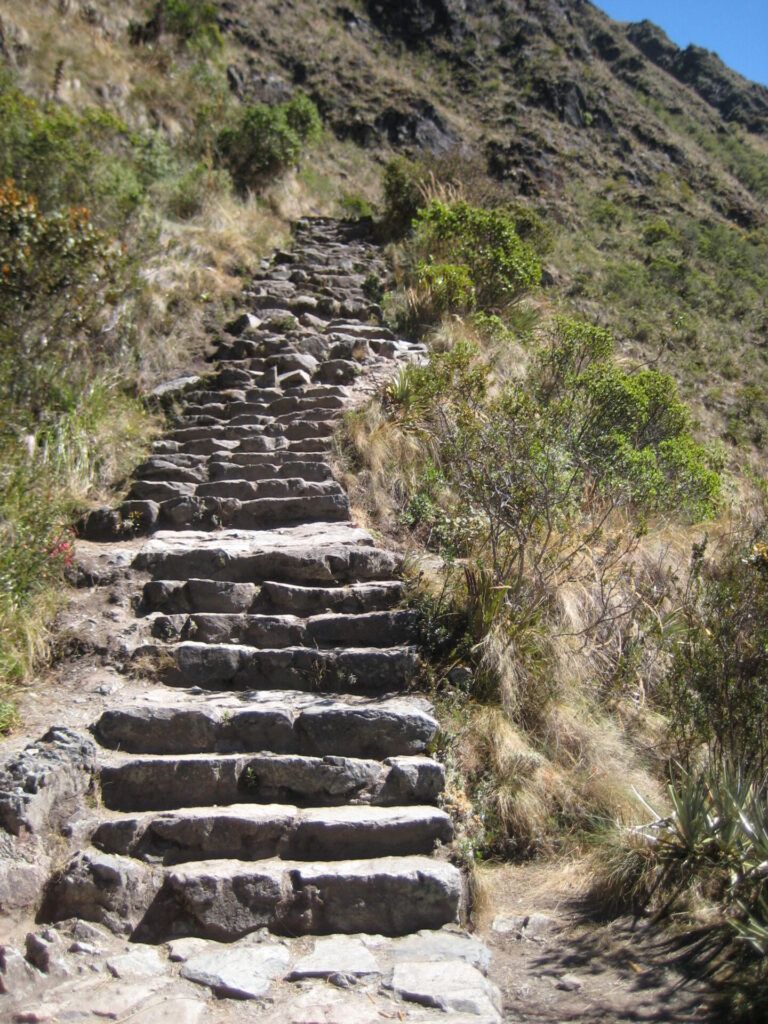

The Wild Soul of the Inca Trail
The Inca Trail is far more than an ancient path to Machu Picchu—it’s a living ecosystem teeming with life, color, and sound.
Stretching across valleys, high mountain passes, and dense cloud forests, this route is home to some of the most extraordinary biodiversity in South America. For many travelers, hiking the trail is not just a journey through history, but an encounter with nature in its purest form.
Exploring the inca trail wildlife means entering a world where Andean condors soar above ancient ruins, hummingbirds dance among orchids, and spectacled bears roam silently through the mist. The same route that once carried Inca messengers now reveals a thriving kingdom of animals and plants coexisting in fragile harmony.
This comprehensive guide takes you deep into the natural side of the Inca Trail, uncovering its ecosystems, species, and the conservation efforts that keep this biological paradise alive.
The Andean Biodiversity Corridor

The Inca Trail lies within one of the most ecologically diverse regions on the planet—the Andean-Amazonian transition zone.
As hikers progress along the 42-kilometer route, they cross several distinct ecological floors, from puna grasslands above 4,000 meters to humid cloud forests around 2,000 meters near Machu Picchu.
Each elevation hosts unique communities of flora and fauna, perfectly adapted to extreme variations in temperature, oxygen, and rainfall. The trail’s diversity of habitats allows hundreds of species to thrive, many of which are endemic—found nowhere else in the world.
In fact, researchers have identified more than 370 bird species, 80 mammals, and 30 types of reptiles and amphibians along the Inca Trail and the surrounding Machu Picchu Sanctuary. The variety is staggering for such a relatively small area, making it one of the best places in the Andes to observe wildlife up close while walking through living history.
High-Andean Zone, Life Above the Clouds

The journey begins in the high Andean zone, where landscapes are open, windswept, and seemingly barren. But look closer, and life reveals itself in subtle and fascinating ways.
Here, hardy species have evolved to withstand cold winds and intense UV radiation. Travelers may spot the Andean fox (Lycalopex culpaeus) trotting silently across rocky terrain, or herds of vicuñas and llamas grazing on tough mountain grasses known as ichu.
Birdlife dominates this zone. The majestic Andean condor (Vultur gryphus)—a symbol of power and freedom in Andean culture—can sometimes be seen gliding effortlessly over deep valleys. Smaller birds like the mountain caracara and Andean flicker add flashes of movement to the rugged horizon.
Even the vegetation tells a story of resilience: puyas, ichu grass, and tiny cushion plants cling to the soil, capturing every drop of moisture in an otherwise harsh environment. This is nature sculpted by altitude and time.
The Cloud Forest, A Hidden Paradise

Descending from the high passes into the cloud forest feels like stepping into another world. Mist curls through the trees, sunlight filters through the canopy, and the air grows heavy with humidity and birdsong.
This zone, between 2,000 and 3,000 meters, is the heart of inca trail wildlife.
Here, the diversity explodes. Over 300 species of birds live in this region, from iridescent hummingbirds to brilliant tanagers and mountain toucans.
Travelers often stop in awe at the sight of the Andean cock-of-the-rock (Rupicola peruvianus), Peru’s national bird, famous for its fiery orange plumage and elaborate courtship dances.
The forest also shelters rarer creatures like the spectacled bear (Tremarctos ornatus), South America’s only bear species. Though sightings are rare, hikers occasionally glimpse one crossing a ridge or foraging for fruit.
Other mammals include the Andean deer, dwarf brocket, and even elusive pumas—silent rulers of these misty mountains.
The plant life here is equally remarkable: towering tree ferns, bromeliads, and over 400 orchid species thrive along the trail, draping the rocks and ruins in living color. Every step feels like walking through a natural cathedral.
The Lower Jungle, Where the Andes Meets the Amazon

As the Inca Trail nears Machu Picchu, it dips into a warmer, wetter zone known as the montane forest, a gateway to the Amazon basin.
This region, often bathed in fog and sunlight in the same hour, holds astonishing biodiversity.
Colorful butterflies flutter through the air—some as large as a traveler’s hand. Bright green lizards dart across mossy stones. You might hear the calls of quetzals, woodpeckers, or trogons echoing through the trees.
Insects play an essential role here: from leafcutter ants that sculpt trails through the soil to giant moths that emerge after dusk, adding mystery to the night.
The inca trail wildlife in this section feels more vibrant, even chaotic—proof that the Andes and Amazon are not separate worlds, but two halves of the same living system.
Birdwatching on the Inca Trail
Birdwatching along the Inca Trail is one of the most rewarding experiences for nature enthusiasts.
Because of the variety of altitudes and microclimates, hikers can encounter an extraordinary range of birdlife without leaving the trail.
Some of the most sought-after species include:
- Andean cock-of-the-rock (Rupicola peruvianus) – bright orange, iconic of the cloud forest.
- Torrent duck (Merganetta armata) – often seen diving into icy mountain streams.
- Masked trogon (Trogon personatus) – with emerald feathers and a distinctive red chest.
- Giant hummingbird (Patagona gigas) – the largest hummingbird in the world.
- Mountain tanagers – with brilliant blue and yellow plumage that lights up the forest canopy.
The Inca Trail is not just a hike—it’s a moving aviary, where every turn reveals a new burst of color or melody. For photographers, the combination of wildlife and ancient ruins offers once-in-a-lifetime compositions.
Reptiles and Amphibians, The Hidden Inhabitants
While mammals and birds steal most of the attention, the inca trail wildlife also includes a fascinating array of reptiles and amphibians adapted to the Andes’ extremes.
Hikers may encounter Andean lizards sunbathing on rocks or rain frogs camouflaged among wet leaves. These small species play a crucial role in maintaining ecological balance, feeding on insects and serving as prey for larger predators.
Night brings a different rhythm. Frogs emerge to sing from hidden pools, and the forest floor comes alive with movement.
Researchers continue to discover new species in this region, many of them endemic to the cloud forests surrounding Machu Picchu.
These smaller creatures remind us that even the tiniest forms of life contribute to the grand symphony of the Andes.
Insects and Pollinators, The Small Giants of the Andes
Not all wildlife along the Inca Trail roars or soars. Some of the most vital creatures are also the smallest—the insects that keep the ecosystems alive.
The inca trail wildlife includes hundreds of species of butterflies, bees, beetles, and moths, each playing a crucial role in pollination and decomposition.
Brightly colored butterflies, such as the blue morpho, glide gracefully between orchids and bromeliads, helping flowers reproduce. The leafcutter ants, often seen carrying green fragments across the trail, build entire underground civilizations that recycle organic matter into fertile soil.
At dusk, moths replace butterflies, and the air becomes a dance of wings. Their presence attracts night predators like bats and owls, completing the circle of life.
Even the humble insects remind hikers that every piece of this environment—no matter how small—contributes to the complex, interconnected beauty of the Andes.
Endemic and Rare Species of the Inca Trail
One of the most fascinating aspects of inca trail wildlife is its high level of endemism. The steep slopes, isolation of valleys, and variations in altitude have created microhabitats where unique species evolved independently.
Some notable endemic or rare animals found along the trail include:
- Spectacled bear (Tremarctos ornatus) – The only bear native to South America and a symbol of conservation in Peru.
- Andean cock-of-the-rock (Rupicola peruvianus) – Endemic to cloud forests; males perform elaborate mating displays.
- Vicuña (Vicugna vicugna) – Wild ancestor of the alpaca, known for its fine wool and graceful appearance.
- Andean torrent frog (Telmatobius sp.) – Found in mountain streams; many species are endangered.
- Ocellated lizard (Stenocercus ochoai) – Native to high Andean habitats.
Endemic bird species like the Cusco brush finch or Inca wren can be spotted near archaeological ruins where vegetation grows thick. Their melodic calls often echo through the same terraces built by Inca hands centuries ago.
Each sighting of these species reminds travelers of how ancient cultures and natural ecosystems coexist in perfect balance along the trail.
Conservation Efforts in the Machu Picchu Sanctuary
The Inca Trail lies within the Machu Picchu Historic Sanctuary, a UNESCO World Heritage Site that protects more than 32,000 hectares of forest, mountains, and rivers.
This sanctuary was established not only to preserve Inca ruins but also to safeguard the unique wildlife that surrounds them.
Conservation efforts here focus on:
- Habitat protection: Preventing deforestation and illegal agriculture.
- Wildlife monitoring: Tracking key species like the spectacled bear and cock-of-the-rock.
- Community involvement: Local villages around the trail participate in sustainable tourism and environmental education.
- Scientific research: Ongoing studies by the SERNANP (National Service of Protected Natural Areas) and international organizations help understand species behavior and threats.
Despite these protections, challenges remain. Climate change, uncontrolled tourism, and habitat fragmentation continue to pressure fragile species. That’s why responsible trekking and eco-awareness among visitors play a crucial role in maintaining the health of this living heritage.
How Travelers Can Help Protect Inca Trail Wildlife
Every traveler walking the Inca Trail has the power to make a difference.
Preserving inca trail wildlife isn’t just the job of park rangers—it’s a shared responsibility. Here’s how hikers can help:
- Stay on marked trails. Straying from the path damages fragile vegetation and disrupts animal habitats.
- Avoid litter. Even biodegradable waste can harm local species. Carry everything out with you.
- Do not feed wildlife. Human food can make animals sick and alter their natural behavior.
- Limit noise. Enjoy the sounds of nature in silence; loud talking or music scares animals away.
- Use eco-friendly products. Sunscreens, soaps, and repellents should be biodegradable to protect streams and soils.
- Choose sustainable tour operators. Support companies that respect environmental regulations and pay fair wages to local porters.
- Report sightings responsibly. If you encounter rare animals, inform your guide—never approach or chase them for photos.
Small actions by many travelers can create lasting change. Walking consciously means honoring both the Inca legacy and the wilderness they revered.
Best Seasons to Observe Wildlife on the Inca Trail
The dry season, from April to October, is ideal for trekking and observing wildlife. Clear skies make it easier to spot birds, and many animals are active during the sunny mornings. The months of May and June are particularly rich in sightings as plants bloom and attract pollinators.
During the rainy season (November to March), fewer trekkers mean more chances of seeing shy species like deer or spectacled bears. However, trails can be slippery, and visibility is lower due to mist and rain.
Different seasons highlight different aspects of inca trail wildlife—in the dry months, color and clarity dominate; in the wet months, mystery and abundance take over. Every time of year offers a new story written by the mountains and the creatures that inhabit them.
The Connection Between Culture and Nature
For the Incas, nature wasn’t separate from spirituality—it was the essence of it. Animals were sacred symbols, each carrying a cosmic meaning within the Andean worldview.
- The condor represented the upper world (Hanan Pacha), the realm of the gods.
- The puma symbolized the earthly world (Kay Pacha), strength, and leadership.
- The snake embodied the underworld (Uku Pacha), wisdom, and transformation.
Walking the Inca Trail is not just observing wildlife; it’s entering a world where every creature is part of a cosmic design.
Even today, local Quechua communities maintain this deep respect for animals and the environment, performing small offerings to Pachamama before crossing mountain passes.
Understanding this philosophy allows modern travelers to see inca trail wildlife not merely as decoration, but as living participants in an ongoing spiritual tradition.
Photography and Observation Ethics

Capturing images of wildlife on the trail is tempting, but responsible photography is key to protecting the ecosystem.
- Keep your distance: Always observe with binoculars or zoom lenses; never chase or corner animals.
- Avoid flash: It can startle birds and nocturnal animals.
- Patience pays off: The best shots come from waiting quietly rather than seeking aggressively.
- Respect habitats: Don’t trample flowers or vegetation for a better angle.
- Share consciously: When posting online, avoid revealing nesting or den locations to prevent disturbance.
Wildlife photography on the Inca Trail is about storytelling, not collecting trophies. The goal is to capture the soul of the Andes without altering its rhythm.
Representative Wildlife by Zone Along the Inca Trail
Below is a simplified guide to the species you can encounter as you move through the different ecosystems of the Inca Trail. This overview helps travelers understand where to look and what to expect.
| Zone / Altitude | Key Species | Type | Habitat Features | Likelihood of Sightings |
|---|---|---|---|---|
| High Andes (3,800–4,200 m) | Andean condor, vicuña, mountain caracara | Birds & mammals | Open puna grasslands, rocky cliffs | Moderate |
| Subalpine Valleys (3,200–3,800 m) | Andean fox, Andean flicker, hummingbirds | Mammals & birds | Rolling valleys with ichu grass | Common |
| Cloud Forest (2,000–3,000 m) | Spectacled bear, cock-of-the-rock, puma, orchids | Mammals, birds, flora | Dense humid forest with mist and waterfalls | Rare to moderate |
| Montane Jungle (1,800–2,000 m) | Tanagers, trogons, quetzals, butterflies, leafcutter ants | Birds & insects | Warm, lush forest near Machu Picchu | Common |
| River Valleys (below 1,800 m) | Torrent duck, frogs, lizards | Birds, amphibians, reptiles | Riverbanks and moist lowlands | Moderate |
This diversity makes the inca trail wildlife one of the richest in the Andes, combining high-altitude toughness with Amazonian abundance.
The Role of Sustainable Tourism
Every visitor to the Inca Trail becomes part of the ecosystem’s future.
Sustainable tourism is not only about minimizing waste—it’s about building awareness and contributing to conservation. When travelers respect wildlife and support ethical operators, they help fund local conservation programs and provide income for Andean communities who act as guardians of these environments.
Many trekking companies now work hand-in-hand with local villages to protect nesting areas, reforest degraded slopes, and educate new generations about the importance of coexistence.
By walking responsibly, travelers ensure that the inca trail wildlife remains vibrant for centuries to come.
Frequently Asked Questions
1. Can I really see animals on the Inca Trail?
Yes. While it’s not a safari, patient hikers often spot birds, llamas, foxes, and occasionally spectacled bears.
2. What’s the best time of year to see wildlife?
From April to October when skies are clear and animals are more active.
3. Are there dangerous animals?
No large predators pose a threat to hikers. Most animals are shy and avoid human contact.
4. Do guides point out wildlife during treks?
Yes. Experienced local guides are skilled at spotting and identifying species along the trail.
5. Are drones allowed for photography?
No. Drones are prohibited in the Machu Picchu Sanctuary to protect fauna and archaeological integrity.
6. Can I feed or touch animals?
Never. Feeding disrupts natural behaviors and can cause illness or dependency.
7. Is birdwatching equipment recommended?
A lightweight pair of binoculars is ideal for observing birds and mammals in distant ridges.
8. How many orchid species are on the trail?
More than 400 identified varieties bloom at different times of the year.
9. Do insects pose problems?
Mosquitoes appear at lower altitudes; eco-friendly repellent is sufficient.
10. What should I do if I encounter a spectacled bear?
Stay calm, keep distance, and notify your guide. Bears are peaceful and usually retreat quickly.
Final Thoughts, Where Nature and History Walk Together
The inca trail wildlife is a reminder that Machu Picchu is not only a masterpiece of stone but also a sanctuary of life.
Every fluttering bird, every whisper of wind through orchids, and every trace of animal along the path connects you to a living legacy older than the ruins themselves.
Walking these trails means witnessing how nature and civilization once coexisted in perfect balance—a relationship the modern world is still learning to rebuild.
Here, among clouds and ancient terraces, the Andes reveal that true wonder lies not only in human achievement but in the wild heart that sustains it.
Discover With Us
There are places where history speaks—and others where it breathes.
The Inca Trail is both. Step by step, you move through time, but also through a landscape alive with movement, sound, and color.
We invite you to experience this harmony between nature and heritage with those who call these mountains home. Our local guides know where orchids hide, where condors rise, and where silence teaches more than words.
Let the inca trail wildlife awaken your senses and remind you that every journey through the Andes is a conversation with life itself.
Discover with us the untamed spirit of the Inca Trail—and let the wilderness guide your way to Machu Picchu.
✨ Follow our journey on Instagram and keep the magic of the Andes alive wherever you are.