 English
 Spanish
 Portuguese

For travelers who dream of reaching Machu Picchu on foot but wish to avoid the crowds of the classic Inca Trail, two exceptional alternatives stand out: the Lares Trek and the Quarry Trail. The comparison of lares trek vs quarry trail reveals two unique routes through the Andes—each offering its own blend of beauty, challenge, and cultural depth.
Both routes wind through the heart of the mountains, offering breathtaking scenery, authentic cultural encounters, and a sense of adventure that connects you deeply with ancient Inca traditions. Choosing between them is not just about distance or difficulty—it’s about the kind of journey your spirit seeks.
The comparison of lares trek vs quarry trail reveals two very different experiences that share the same goal: discovering the soul of the Andes in a more intimate way. The Lares Trek is famous for its contact with remote Quechua communities and natural hot springs, while the Quarry Trail captivates trekkers with its archaeological sites, solitude, and panoramic mountain views.
In this guide, we’ll explore the differences in difficulty, duration, culture, scenery, and logistics—so you can choose the trek that truly fits your spirit and travel style.
The Essence of the Lares Trek

The Lares Trek is often called the “cultural route to Machu Picchu.” It begins near the small town of Lares, about three hours from Cusco, and winds through valleys dotted with traditional Andean villages where time seems to have stopped.
This trek is not just about landscapes; it’s about people. Along the way, you’ll meet Quechua families weaving colorful textiles, tending llamas and alpacas, and living as their ancestors did. The trail passes through remote hamlets like Huacahuasi, Patacancha, and Willoq, where trekkers are often welcomed into local homes for tea or a simple meal.
Hot springs near Lares provide a soothing reward before or after the hike, surrounded by mountains and open skies. For travelers seeking an authentic cultural exchange rather than just a physical challenge, the Lares route delivers something unique: a human connection that makes every step meaningful.
The Spirit of the Quarry Trail

The Quarry Trail, also known as the Cachicata Trek, offers a different kind of adventure. It begins in the town of Soqma, near Ollantaytambo, and is often called the “hidden Inca Trail” because it follows ancient paths used by the Incas to transport stones to build the Ollantaytambo fortress.
This trail is shorter but steeper than the Lares route, leading trekkers past stunning archaeological sites such as Perolniyoc Waterfall, Kachiqata Quarry, and Inti Punku (the Sun Gate). The views of the Sacred Valley and snow-capped peaks like Veronica Mountain (5,750 m) are simply spectacular.
The Quarry Trail is perfect for those who want fewer crowds and a sense of discovery. You’ll walk through ruins that few travelers ever see and finish your journey in Ollantaytambo, where you take the train to Machu Picchu.
If the Lares Trek focuses on culture and people, the Quarry Trail focuses on solitude and history—a perfect balance of effort and reward for independent spirits.
Distance, Duration, and Difficulty
One of the main differences between lares trek vs quarry trail lies in their duration and difficulty level.
The Lares Trek typically takes 3 to 4 days, covering about 33 to 40 kilometers (20–25 miles), depending on the route chosen. The terrain involves gradual ascents, with the highest pass reaching around 4,400 meters (14,435 ft). It’s moderately challenging and suitable for travelers with average fitness levels, especially those who enjoy a slow, immersive experience.
The Quarry Trail is slightly shorter—usually 3 days, covering 26 kilometers (16 miles)—but steeper. Trekkers must cross high mountain passes, the highest being Paso Kuychicassa (4,450 meters / 14,600 ft). While shorter, it demands more endurance due to steep climbs and descents.
In short:
- Lares Trek = longer, easier, more cultural.
- Quarry Trail = shorter, steeper, more adventurous.
Your choice between them depends on whether you value community interaction or physical challenge more.
Scenery and Landscape
Both treks showcase the beauty of the Peruvian Andes, but in very different ways.


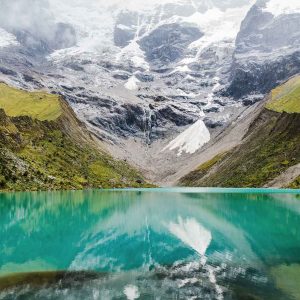
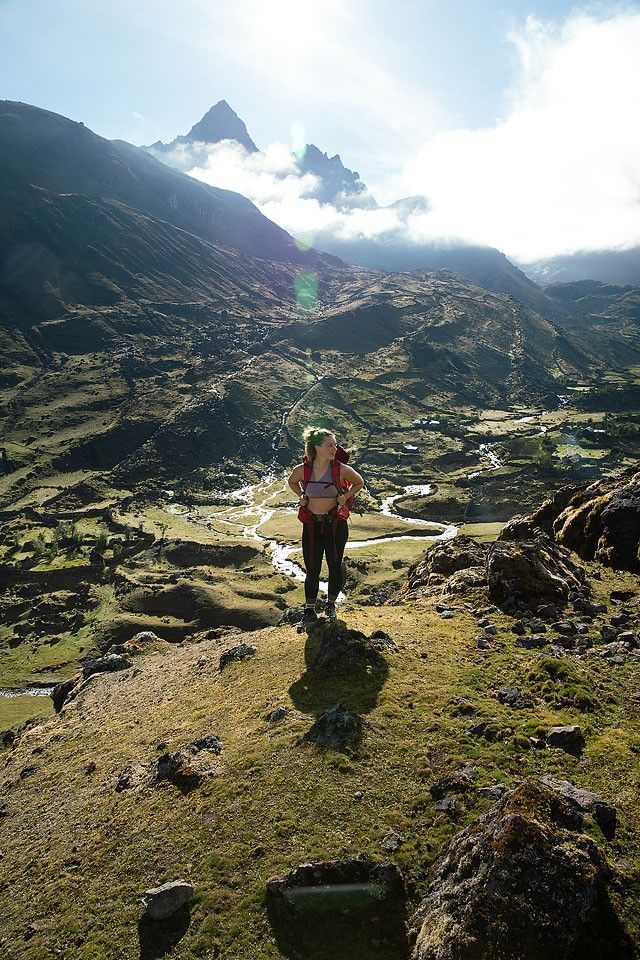
The Lares Trek meanders through fertile valleys, crystal-clear rivers, and farmlands where alpacas graze freely. You’ll cross mountain passes surrounded by glaciers and turquoise lakes like Ipsaycocha and Auroraycocha. The route’s diversity—lush meadows, waterfalls, and pastoral life—feels peaceful and alive.
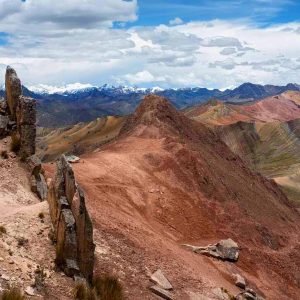
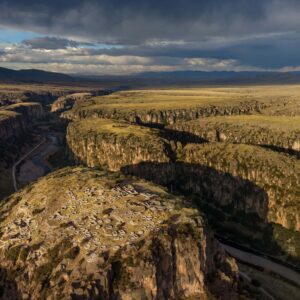
In contrast, the Quarry Trail offers more dramatic and rugged landscapes. The terrain is wilder, with towering cliffs, vast plateaus, and panoramic views of the Sacred Valley below. The path passes by Inca quarries and hidden ruins, making it feel like an archaeological expedition more than a simple trek.
If the Lares Trail is a painting of calm Andean life, the Quarry Trail is a sculpture carved by stone, wind, and history. Both are stunning in their own right, and both lead you to Machu Picchu by train after your hike.
Cultural Experience and Local Interaction
When it comes to cultural immersion, the Lares Trek stands out as one of the most authentic routes in Peru. You’ll walk through villages where Quechua remains the main language, and where traditional weaving, farming, and rituals continue as they did centuries ago.
Many tour operators partner with these communities, providing homestays and cultural demonstrations that create genuine exchange rather than staged tourism. Travelers often describe it as one of the most enriching human experiences in the Andes.
The Quarry Trail, on the other hand, offers limited cultural contact but stronger historical immersion. The trail is filled with archaeological remains and sacred sites that few others visit. Guides share the stories of the quarry workers who cut and transported giant stones to Ollantaytambo, leaving traces of their labor and devotion along the path.
In essence, when comparing lares trek vs quarry trail, one offers living culture while the other offers silent ruins—two different ways of connecting with the Inca legacy.
Accommodation and Comfort


Most Lares Trek tours include a mix of camping and, increasingly, community-based lodges or homestays. Travelers can experience the warmth of local families while still enjoying comfort, meals, and hot drinks in the evening. Some luxury versions include eco-lodges with private bathrooms and even spas, catering to travelers who want a blend of adventure and relaxation.
The Quarry Trail, by contrast, is entirely camping-based. Nights are spent under the stars, with tents set up by porters and cooks who prepare hot meals at high altitude. The lack of hotels or lodges enhances the sense of wilderness but requires a bit more resilience.
If you value interaction and comfort, Lares is your best option. If you seek isolation and raw adventure, Quarry delivers that authentic expedition feel.
Accessibility and Logistics
The Lares Trek starts from the town of Lares, which can be reached by road from Cusco in about three hours. After the trek, hikers typically take a train from Ollantaytambo to Machu Picchu. It’s a well-established route with good support infrastructure, making it accessible for all kinds of travelers.
The Quarry Trail begins in Soqma, closer to Cusco (around two hours by car), and ends in Ollantaytambo. From there, the journey continues by train to Machu Picchu, just like the Lares route.
Both treks are less crowded than the Classic Inca Trail and do not require government permits, which is a major advantage for travelers planning on shorter notice. However, weather, altitude, and terrain still require preparation and acclimatization in Cusco before starting either trek.
In the comparison of lares trek vs quarry trail, both offer logistical ease, but Lares provides a slightly more flexible setup for different traveler profiles, including families and older trekkers.
Weather and Best Time to Go
Both treks are located in the high Andes of the Cusco region, meaning the weather follows the same mountain patterns: a dry season from April to October, and a rainy season from November to March.
During the dry season, the days are sunny and the skies are clear—perfect for photography and mountain views. However, temperatures drop significantly at night, especially above 4,000 meters, so warm layers are essential.
The rainy season brings greener landscapes but also slippery trails and limited visibility. Heavy rains can make some routes more difficult, particularly the steep sections of the Quarry Trail. Still, trekking in the off-season means fewer tourists and a more tranquil atmosphere.
For the best experience, aim to hike between May and September. The weather is stable, and the mountain passes are accessible. Whether you choose Lares or Quarry, you’ll be rewarded with stunning scenery and crisp Andean air.
Cost Comparison
In terms of cost, both treks are more affordable than the Classic Inca Trail, yet the final price varies depending on the level of service and group size.
The Lares Trek typically costs between $550 and $800 USD per person for a standard 4-day guided tour. This usually includes transportation, meals, porters, camping equipment (or lodge stays), and the train to Machu Picchu. Luxury options, such as those offered by boutique lodges, can go up to $1,500 USD, including private guides, gourmet meals, and comfortable accommodations.
The Quarry Trail is often slightly cheaper, ranging from $500 to $750 USD, mainly because it is shorter and involves fewer logistical needs. Trekkers camp along the route and also continue by train to Machu Picchu at the end.
Overall, both provide great value, but Lares offers more flexibility in terms of comfort and community-based experiences, while Quarry focuses on adventure and simplicity.
Permits and Crowds
One of the biggest advantages of both treks compared to the Inca Trail is that no special permits are required. While the Classic Inca Trail limits entries to 500 people per day, Lares and Quarry have no quotas, making them accessible even for last-minute travelers.
Crowds, however, differ dramatically. The Lares Trek is more popular among travelers who want cultural immersion, so during peak months, you might share the path with a few other small groups.
The Quarry Trail, in contrast, is still relatively unknown—even in high season, you might walk for hours without seeing another hiker. For those seeking solitude and a sense of exploration, this is its greatest charm.
In the comparison of lares trek vs quarry trail, both offer peace and space, but Quarry remains the more secluded of the two.
Altitude and Acclimatization

Altitude plays a big role in both treks. Cusco itself sits at 3,400 meters (11,150 ft), and both routes climb significantly higher.
The Lares Trek reaches altitudes of 4,400 meters (14,435 ft) at its highest point—usually the Ipsaycocha Pass—before descending into valleys where small communities live at more moderate elevations.
The Quarry Trail is similar, peaking at 4,450 meters (14,600 ft) at Kuychicassa Pass, before gradually descending toward Ollantaytambo.
It’s crucial to spend 2 to 3 days in Cusco before either trek to acclimatize properly. Symptoms of altitude sickness—headache, nausea, shortness of breath—can affect anyone, regardless of fitness level. Hydration, rest, and coca tea are simple but effective ways to adapt to the thin air.
Which Trek Has Better Views?
Both treks offer stunning Andean scenery, but the experience differs in tone and atmosphere.
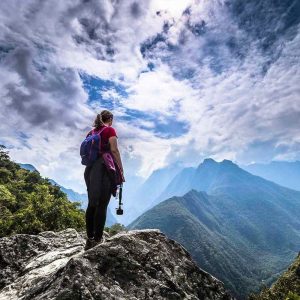
The Lares Trek feels soft, colorful, and human. It showcases emerald lakes, snow-capped peaks, and valleys alive with alpacas and farmers. Each turn of the trail reveals life, not just nature.
The Quarry Trail, meanwhile, feels epic and ancient. Its landscapes are harsher and grander, with towering ridges, massive boulders, and open views stretching across the Sacred Valley. The sense of scale and history is immense—you feel the power of the Andes everywhere you look.
If you dream of photographing daily life and pastoral charm, choose Lares. If you prefer dramatic geological formations and solitude, Quarry is your trail.
Comparative Summary Table
| Feature | Lares Trek | Quarry Trail |
|---|---|---|
| Duration | 3–4 days | 3 days |
| Distance | 33–40 km | 26 km |
| Difficulty | Moderate | Moderate to Challenging |
| Highest Point | 4,400 m | 4,450 m |
| Cultural Experience | Strong – local communities | Moderate – archaeological focus |
| Scenery | Lakes, valleys, villages | Canyons, ruins, panoramic views |
| Accommodation | Camping or homestay/lodge | Camping only |
| Crowds | Light to moderate | Very few hikers |
| Permit Needed | No | No |
| Best For | Cultural immersion, comfort | Adventure, solitude |
| Ending Point | Ollantaytambo → Train to Machu Picchu | Ollantaytambo → Train to Machu Picchu |
This table sums up the key differences of lares trek vs quarry trail at a glance, helping you match the route with your travel priorities.
Sustainability and Local Impact
Both treks play an important role in promoting sustainable tourism in the Andes.
The Lares Trek directly benefits Andean families who open their homes or provide services like guiding, cooking, or renting horses. It helps sustain traditional lifestyles and encourages cultural preservation. Choosing ethical tour operators ensures your visit has a positive impact on these small communities.
The Quarry Trail, while less community-based, contributes to preserving Inca archaeological heritage by encouraging exploration beyond Machu Picchu. Because it’s less trafficked, it helps distribute tourism more evenly across the region, reducing environmental pressure on popular sites.
Both treks remind us that true adventure doesn’t just admire the Andes—it helps protect them. Responsible travel means respecting local culture, minimizing waste, and supporting native guides and artisans along the way.
Which Trek Should You Choose?
The decision between lares trek vs quarry trail ultimately depends on what you seek from your journey to Machu Picchu.
If your heart is drawn to people, culture, and meaningful encounters, the Lares Trek will fulfill that dream. Walking through living Andean villages, sharing smiles with locals, and learning from their traditions brings a sense of connection that goes far beyond the trail itself.
If, on the other hand, you crave solitude, untouched landscapes, and the thrill of discovery, the Quarry Trail will speak to your adventurous spirit. Its ancient quarries, sweeping vistas, and rare silence make it ideal for trekkers who want to feel like modern-day explorers.
There is no “better” option—only the one that resonates with you. The Lares Trek offers the soul of the Andes; the Quarry Trail reveals its wild heart. Both lead to Machu Picchu, but in entirely different ways.
FAQs, Everything You Need to Know
1. Do I need a special permit for the Lares Trek or Quarry Trail?
No. Unlike the Classic Inca Trail, both routes are open-access and do not require government permits.
2. Which trek is more difficult?
The Quarry Trail is shorter but steeper, making it slightly more physically demanding. The Lares Trek is longer but more gradual.
3. Do both treks end at Machu Picchu?
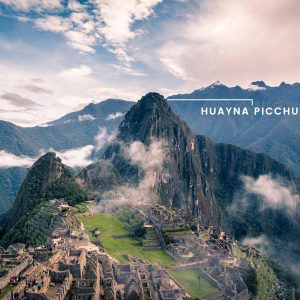
Yes. Both routes conclude with a train journey from Ollantaytambo to Aguas Calientes, followed by a guided visit to Machu Picchu.
4. Are there hot springs along the way?
Yes, the Lares Trek passes natural hot springs near the starting point—a perfect spot to relax before or after your hike.
5. Can I hike either trail year-round?
Yes, but the dry season (April to October) offers the best conditions. Rainy months can make the trails slippery.
6. What is the altitude of each trek?
Both reach over 4,400 meters (14,400 ft) at their highest passes. Acclimatizing in Cusco before starting is essential.
7. Are these treks family-friendly?
The Lares Trek is better suited for families due to its cultural focus and moderate terrain. The Quarry Trail is ideal for adventurous adults.
8. Can I combine the treks with other tours?
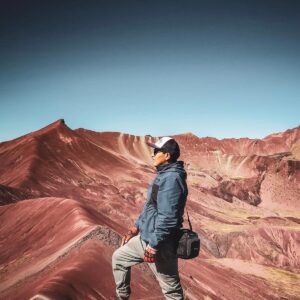
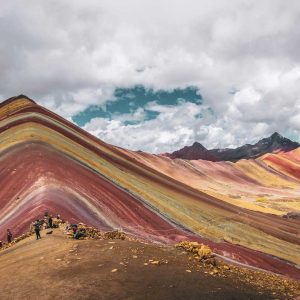
Yes, many travelers combine either trek with visits to Cusco, Sacred Valley, or Rainbow Mountain for a complete Andean experience.
9. Is it possible to do the treks independently?
It’s possible but not recommended. Hiring a licensed guide ensures safety, proper route navigation, and cultural insight.
10. What should I pack?
Sturdy hiking boots, layered clothing, sunscreen, a hat, rain gear, reusable water bottle, and altitude medication if needed.
Final Thoughts, Two Paths, One Spirit
In the great debate of lares trek vs quarry trail, there are no losers—only two paths leading to the same sacred destination, each telling a different story of the Andes.
The Lares Trek immerses you in living culture, where every smile, weaving loom, and mountain village carries the wisdom of centuries. The Quarry Trail leads you through silence and stone, unveiling forgotten ruins and a landscape carved by gods and time.
Both treks reflect what the Inca world has always taught: balance between people and nature, strength and serenity, journey and destination.
When you walk either path, you don’t just reach Machu Picchu—you rediscover your connection to the Earth itself.
Discover With Us
There are adventures that challenge you, and others that transform you. Walking the trails of the Andes is both.
Each step reveals the rhythm of the mountains, the kindness of its people, and the quiet majesty of an ancient world that still breathes in every stone.
Whether you choose the cultural warmth of Lares or the rugged isolation of the Quarry Trail, let us guide you on a journey where landscapes become stories and paths become memories.
Our local team knows these mountains as home. We walk beside you, sharing legends, laughter, and the spirit of the Andes that can only be felt when you are truly there.
Discover with us the untold trails of the Inca world—where your journey to Machu Picchu begins long before you arrive.
✨ Follow our journey on Instagram and let the mountains inspire your next great adventure.