 English
 Spanish
 Portuguese
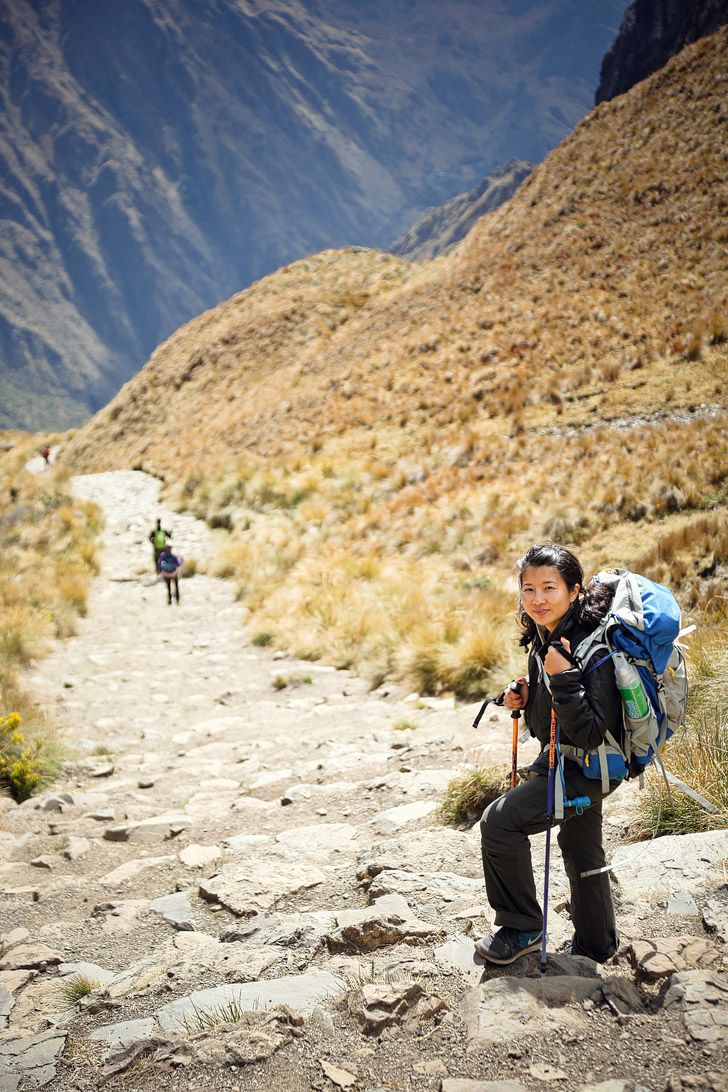

Embarking on the legendary Inca Trail to Machu Picchu is one of the world’s most unforgettable travel experiences. But to truly enjoy it, preparation is key — and that starts with knowing exactly what to pack.
This packing list inca trail guide covers every essential item you’ll need to face the changing altitudes, unpredictable weather, and breathtaking landscapes of the Peruvian Andes.
Packing smartly can make the difference between a comfortable, memorable trek and one filled with unnecessary challenges. The goal is to bring everything you need — but nothing more. Let’s dive into how to pack light, efficiently, and strategically for one of the most iconic hikes on Earth.
1. Understanding the Inca Trail Conditions
Before diving into your packing list inca trail, it’s important to understand the terrain and climate you’ll face. The trail stretches over 42 kilometers (26 miles) through mountains, jungles, and high-altitude passes — with temperatures ranging from warm days under the sun to freezing nights above 4,000 meters.
Expect steep climbs, stone steps, and sudden weather shifts. You’ll experience both dry and humid conditions, and possibly rain even during the dry season. The key to successful packing is layering — being ready to adapt to rapid temperature changes throughout the day.
The dry season (May–October) offers clear skies and cooler nights, while the wet season (November–April) brings more rain but fewer crowds. Regardless of when you go, preparation and proper gear are essential.
2. Backpack Guidelines and Weight Restrictions
Every good packing list inca trail begins with choosing the right backpack. You’ll have two main bags:
- Daypack: You’ll carry this while hiking each day. It should be lightweight (20–30 liters) and large enough for water, snacks, camera, rain gear, sunscreen, and other daily essentials.
- Duffel Bag: This is carried by porters and has a weight limit — usually 6 to 7 kilograms (13–15 lbs), including your sleeping bag. Anything beyond that, you must carry yourself.
When selecting your daypack, look for a comfortable hip belt, chest strap, and ventilation system for your back. Avoid bulky designs and prioritize functionality.
Pack your heaviest items at the bottom and keep essential items easily accessible. Remember: lighter is better.
A well-organized pack means you’ll enjoy the trek without unnecessary fatigue.
3. Clothing Essentials, Layering for the Andes

Clothing can make or break your experience on the trail. The weather changes dramatically between morning and afternoon, so the secret is layering. Here’s a detailed breakdown of what your packing list inca trail should include for clothing:
Base Layers
These are the first layer against your skin. They should be moisture-wicking and quick-drying.
- 2–3 synthetic or merino wool t-shirts
- 1 long-sleeve shirt (for sun protection)
- 1 thermal top for cold nights
Mid Layers
Used for insulation during cool mornings and evenings.
- 1 lightweight fleece or softshell jacket
- 1 down or synthetic insulated jacket for high passes and camp nights
Outer Layers
Essential for protection against rain and wind.
- 1 waterproof and windproof rain jacket
- 1 pair of rain pants or poncho (light and packable)
Bottoms
- 2 pairs of trekking pants (convertible or quick-dry)
- 1 pair of thermal leggings or base-layer bottoms for sleeping
- Optional: lightweight shorts for the first day
Underwear and Sleepwear
- 3–4 pairs of moisture-wicking underwear
- 2 pairs of trekking socks (plus 1 warm pair for sleeping)
- Comfortable clothes for sleeping (leggings, long-sleeve shirt)
Hats and Accessories
- Wide-brim hat or cap for sun protection
- Warm beanie for cold nights
- Buff or scarf to protect from dust and sun
- Lightweight gloves for higher altitudes
When it comes to clothing, remember the “3-layer rule”: base, insulation, and protection. This ensures versatility without overpacking.
4. Footwear, Comfort Above All

Your feet are your most valuable asset on the Inca Trail, so footwear is critical. Many first-time trekkers underestimate the importance of properly broken-in shoes — a big mistake.
Here’s what your packing list inca trail should include for footwear:
- Hiking boots: Waterproof, ankle-supporting, and already broken in. Avoid brand-new boots.
- Camp shoes or sandals: For relaxing after each day’s hike. Lightweight and breathable options like Crocs or trekking sandals are ideal.
- Trekking socks: Bring at least three pairs of good-quality socks made of merino wool or synthetic materials. Cotton is a no-go — it traps moisture and causes blisters.
- Optional gaiters: Useful during the rainy season to keep mud and small rocks out of your boots.
Tip: Make sure your boots fit comfortably with hiking socks. Test them on uphill and downhill terrain before your trip.
5. Sleeping Gear and Night Comfort

Nights on the Inca Trail can get very cold, especially at camps above 3,000 meters. A warm sleeping setup ensures rest and recovery after long trekking days.
For your packing list inca trail, include:
- Sleeping bag: Rated at least to -10°C (14°F). Down sleeping bags are lighter and warmer, while synthetic options perform better in humidity.
- Sleeping liner: Adds warmth and helps keep your bag clean.
- Inflatable or foam sleeping pad: Often provided by operators, but bringing your own ultralight pad adds comfort.
- Earplugs: Camps can be noisy with wind, snoring, or early wake-ups.
If you’re using a tour company, confirm whether they include sleeping bags and mats in the package — many offer rentals, but bringing your own guarantees hygiene and fit.
6. Trekking Gear and Accessories
Beyond clothing, the right trekking gear can dramatically improve your comfort and safety. This section of your packing list inca trail covers the essential equipment every trekker should carry.
Trekking Poles

A must-have for the Inca Trail. The route includes thousands of uneven stone steps, steep descents, and slippery sections.
Collapsible poles with rubber tips (required to protect the stones) will reduce pressure on your knees and provide better balance.
Headlamp

Electricity is not available at campsites. Bring a headlamp with extra batteries for evening walks, bathroom trips, or reading inside your tent.
Reusable Water Bottle or Hydration System

Staying hydrated is vital at high altitude. Carry at least 2 liters of capacity using bottles or a hydration bladder like a CamelBak.
Avoid single-use plastic — tour companies provide boiled or filtered water after the first day.
Sunglasses and Sunscreen

The sun in the Andes is extremely strong, especially above 3,000 meters.
Use polarized sunglasses and high SPF sunscreen (30–50+) to protect your skin and lips.
Quick-Dry Towel

Compact microfiber towels are perfect for quick washes at camps.
Multi-tool or Small Knife
Handy for gear adjustments, cutting fruit, or fixing equipment.
Lightweight Dry Bags or Plastic Zip Bags
Protect electronics, documents, and clothing from rain.
With these small but critical additions, your pack will be ready for any unexpected situation on the trail.
7. Toiletries and Personal Hygiene

Maintaining hygiene on the trail is essential for your health and comfort. Water and bathroom access are limited, so packing efficiently makes a big difference.
A practical packing list inca trail for personal care should include:
- Biodegradable soap or body wipes
- Toothbrush and small toothpaste
- Hand sanitizer (essential before eating)
- Small roll of toilet paper or tissue packs
- Quick-dry towel
- Lip balm with SPF
- Hairbrush or comb
- Deodorant (solid or cream, not spray)
- Feminine hygiene products (women should bring enough for the full trek)
- Small bag for trash — all waste must be carried out
Avoid bringing large bottles or liquids; decant essentials into travel-size containers. Remember, campsites are rustic — there are no showers until you return to Aguas Calientes.
8. First Aid and Health Essentials

Altitude, blisters, and minor injuries are common challenges. A personal first-aid kit is a must on any packing list inca trail.
Recommended items:
- Basic medications (ibuprofen, paracetamol, aspirin)
- Altitude sickness pills (consult your doctor before traveling)
- Antihistamines (for allergies or insect bites)
- Band-aids and blister pads
- Antiseptic wipes or cream
- Rehydration salts or electrolyte powder
- Tape or bandage wrap
- Tweezers and small scissors
Most tour companies carry a group first-aid kit, but having your own ensures quick access when needed. Hydration, proper acclimatization, and slow pace are your best defenses against altitude issues.
9. Food, Snacks, and Nutrition

Meals are provided by most trekking companies, but carrying personal snacks keeps your energy stable throughout the day.
When planning your packing list inca trail, choose lightweight, high-calorie options that won’t melt or spoil.
Recommended snacks:
- Energy bars or protein bars
- Nuts, almonds, and trail mix
- Dried fruit or banana chips
- Electrolyte drink mix
- Dark chocolate or granola
Avoid salty or heavy foods that increase dehydration. Keep snacks easily accessible in your daypack for quick boosts during steep climbs or long descents.
10. Technology and Cameras

Capturing memories is part of the experience, but carrying too much tech adds unnecessary weight. For your packing list inca trail, bring only what’s truly useful:
- Smartphone with offline maps and camera
- Portable power bank (10,000–20,000 mAh) for recharging devices
- Camera or GoPro with extra batteries and memory cards
- Universal adapter if you plan to charge devices before or after the trek
Keep electronics in waterproof pouches and away from cold temperatures overnight.
Optional: a small tripod for sunrise shots at Inti Punku (the Sun Gate) or panoramic views of Machu Picchu.
11. Important Documents and Money
Even the best-prepared hiker can face complications if essential paperwork is missing. Don’t overlook this part of your packing list inca trail.
Carry the following securely in a waterproof pouch:
- Passport (mandatory for Inca Trail entry and Machu Picchu)
- Inca Trail permit (provided by your tour company)
- Travel insurance (covering altitude and trekking up to 4,500 meters)
- Credit or debit card
- Small amount of local cash (Peruvian soles) for tips, souvenirs, or bathroom fees
- Copies of important documents stored digitally or in a separate bag
Losing your passport or permit can prevent entry to the trail, so double-check these items before departure.
12. Optional Comfort Items
Although not essential, some items can significantly improve your comfort on the trail. Consider adding these to your packing list inca trail if you have space:
- Lightweight book or e-reader for evenings
- Small travel pillow
- Journal or notebook for reflections
- Compact binoculars for birdwatching
- Reusable straw and cutlery
- Portable mini solar lamp
A few extra comforts can make camp nights more relaxing and memorable.
13. How to Pack Efficiently for the Inca Trail
A great packing list inca trail means nothing if your gear isn’t well-organized. Packing smart helps you find essentials quickly, balance weight properly, and protect your gear from the elements.
Use Packing Cubes or Compression Bags
These keep clothes organized and save space by removing excess air. Assign one cube for tops, one for bottoms, and another for undergarments.
Distribute Weight Properly
Heavy items (like water and shoes) should go near your back and centered. Lighter gear, like jackets or sleeping liners, can go around them. This helps with posture and prevents shoulder strain during long days.
Keep Essentials Accessible
Things you’ll use frequently — rain jacket, sunscreen, snacks, and camera — should stay in the top compartment or side pockets of your daypack.
Protect Against Rain
Always line your backpack with a waterproof cover or use dry bags. The Andes weather is unpredictable; even a few minutes of rain can soak your gear if it’s unprotected.
Roll Instead of Fold
Rolling clothes saves space and minimizes wrinkles. This technique works especially well with hiking pants and base layers.
Efficient packing doesn’t just save energy — it keeps you calm and focused on the beauty of the trail.
14. Weight Management and Minimalism
Many travelers overpack on their first trek. The golden rule of a packing list inca trail is: if you’re not sure you’ll use it, leave it out.
Know the Limits
Remember that your porter can only carry up to 6–7 kg (13–15 lbs) including your sleeping bag. Anything extra adds to your own load.
Choose Versatile Clothing
Bring multi-use garments: hiking pants that convert into shorts, jackets that layer easily, and scarves that double as head wraps.
Minimize Toiletries and Liquids
Share items with a travel partner or opt for solid alternatives like shampoo bars and soap sheets.
Refill, Don’t Replace
Bring reusable containers to refill sunscreen, soap, or sanitizer rather than multiple small bottles.
Pack Light Snacks
Avoid glass containers or bulky snacks. Opt for compact, high-calorie options like energy gels, nuts, and chocolate.
A lighter pack means a happier trekker. You’ll walk more freely, recover faster, and focus on the journey instead of your shoulders.
15. Common Packing Mistakes to Avoid
Even experienced hikers make errors when preparing for the Inca Trail. Here are some key packing list inca trail mistakes to avoid:
- Bringing new boots – Unworn boots cause blisters. Always break them in weeks before your trek.
- Overpacking clothes – You’ll repeat outfits. Two or three base layers are enough for four days.
- Forgetting warm layers – The Andes can drop below freezing at night, even in dry season.
- No waterproof protection – Rain can appear anytime; never rely on forecasts alone.
- Ignoring weight restrictions – Overweight duffel bags strain porters and may require repacking.
- Skipping sun protection – High UV exposure can burn skin quickly at altitude.
- Neglecting cash – Some bathrooms and small shops on the trail only accept cash.
- Carrying valuables – Leave expensive jewelry and unnecessary electronics behind.
Avoiding these mistakes ensures a smooth, enjoyable adventure from start to finish.
16. Practical Packing Tips from Experienced Trekkers
Over the years, thousands of hikers have shared insights that make packing for the Inca Trail easier.
Here are some pro tips for your packing list inca trail preparation:
- Arrive in Cusco early: Spend at least two days acclimatizing before the trek. It helps reduce altitude sickness and gives you time to buy missing items.
- Rent wisely: If you don’t own hiking poles, sleeping bags, or mats, rent them from reputable operators in Cusco. This saves luggage space and cost.
- Keep electronics warm: Cold temperatures drain batteries faster. Store your phone and camera inside your sleeping bag at night.
- Don’t skip snacks: Energy dips happen at high altitude. Small bites every hour keep your stamina steady.
- Bring small gifts: Some trekkers bring local candies or snacks to share with porters as a gesture of appreciation.
- Use trekking socks as sleep socks: Warm, dry socks at night help you rest better.
- Label your gear: Items like water bottles, towels, or hats can get mixed up easily in group treks.
Experienced hikers agree that preparation and simplicity are the ultimate secrets to success.
17. What to Pack in Your Daypack

Your daypack is your lifeline during each hike — it’s what you’ll have with you at all times.
Here’s a breakdown of what to include in your packing list inca trail daypack:
Must-Have Items
- Passport and entry permit
- Refillable water bottle or hydration bladder
- Snacks and electrolytes
- Sunscreen and lip balm
- Lightweight rain jacket
- Hat and sunglasses
- Camera or phone
- Personal medications
- Hand sanitizer and tissues
- Small first-aid kit
- Trekking poles (attachable to the side when not used)
Nice-to-Have Items
- Lightweight gloves
- Quick-dry towel
- Power bank
- Buff or scarf for dust
- Notebook or journal
Your daypack should weigh no more than 5–6 kg (11–13 lbs). Keep it snug and adjusted to prevent shoulder strain.
18. What to Leave Behind
A strong packing list inca trail is as much about what not to bring as what to include. Overpacking leads to fatigue and frustration.
Leave these items at your hotel in Cusco:
- Jeans and heavy casual clothing
- Hair dryers or curling irons
- Excessive toiletries
- Expensive jewelry
- Unnecessary electronics (laptops, tablets)
- Heavy books
- Large bottles of liquids
- Extra shoes beyond boots and sandals
You won’t need formal wear or bulky accessories. The goal is efficiency, not fashion.
By traveling light, you’ll appreciate the simplicity of life in the mountains — and focus on the beauty of the trail itself.
19. Pre-Departure Preparation Checklist
Once your packing list inca trail is ready, it’s time to focus on what to do before the trek begins. Preparation doesn’t end with packing — it’s about mindset, logistics, and readiness.
1. Acclimatize in Cusco
Spend at least two full days in Cusco before your trek. Walk slowly, drink plenty of water, and avoid alcohol. The altitude (3,400 m / 11,150 ft) helps your body adapt before climbing higher.
2. Review Your Gear
Double-check that you have all essential items. Test your rain gear, inspect your boots, and charge your devices. Replace anything damaged before you depart.
3. Secure All Documents
Keep your passport, permits, and insurance accessible and dry. Many travelers use a neck pouch or zip-lock folder.
4. Rest Well Before the Trek
Get a good night’s sleep before starting Day 1. The first few hours set the tone for your entire adventure.
5. Leave Unnecessary Items at Your Hotel
Most hotels in Cusco offer luggage storage. Leave casual clothes, souvenirs, and non-essentials there to reduce your load.
By checking these steps off your list, you’ll start the trail calm, confident, and focused on the experience rather than logistics.
20. Sustainable and Responsible Packing
The Inca Trail is not just a hike — it’s a heritage route through sacred Andean ecosystems and Inca ruins over 500 years old. Responsible packing is part of protecting this legacy.
Here’s how to make your packing list inca trail eco-friendly:
- Avoid single-use plastics: Bring reusable bottles, straws, and containers.
- Use biodegradable products: Choose eco-friendly soap and toothpaste.
- Minimize waste: Repack food into smaller, resealable bags to reduce trash.
- Respect porter limits: Carry only what’s necessary to avoid overloading staff.
- Stay on the trail: Straying off designated paths damages fragile vegetation.
- Pack out what you pack in: Never leave trash behind — even organic waste.
Each sustainable choice contributes to the preservation of this UNESCO World Heritage route. Responsible travelers make the trail better for everyone.
21. Complete Packing Summary
To simplify your planning, here’s a quick summary of your packing list inca trail essentials — divided by category:
| Category | Must-Have Items |
|---|---|
| Clothing | Base layers, fleece, waterproof jacket, trekking pants, hat, gloves, socks, sleepwear |
| Footwear | Broken-in hiking boots, sandals, gaiters (optional) |
| Gear | Daypack, duffel, trekking poles, headlamp, dry bags, towel |
| Sleeping | Sleeping bag, liner, mat, earplugs |
| Personal Care | Toothbrush, soap, sanitizer, toilet paper, lip balm, sunscreen |
| First Aid | Basic meds, blister pads, rehydration salts, altitude pills |
| Snacks | Energy bars, nuts, dried fruit, chocolate |
| Documents | Passport, permits, insurance, local cash |
| Optional | Journal, small pillow, book, power bank, binoculars |
Keep this table handy or print it as your final checklist before leaving for Peru.
22. Final Thoughts: The Power of Smart Packing
Your packing list inca trail is more than logistics — it’s the foundation for a meaningful journey. Packing thoughtfully means traveling light, respecting nature, and enjoying every moment without unnecessary stress.
When you walk the ancient paths once taken by Inca messengers, you’ll realize that less is more. Every item you carry should serve a purpose — to protect, sustain, or inspire.
So, pack with intention. Prepare for the unexpected. And when you finally stand at the Sun Gate, watching the first rays of light illuminate Machu Picchu, you’ll know that every ounce you carried was worth it.
23. Discover the Inca Trail with Us
Your journey doesn’t have to stop at preparation — make it a reality with expert local guides who know every stone, every viewpoint, and every story.
Join our experienced team and explore the Inca Trail the authentic way, surrounded by breathtaking mountains and ancient ruins.
Travel light, walk free, and let the Andes transform you.
Discover the Inca Trail with us — not just a hike, but a spiritual adventure that connects you with the past and renews your soul.
Follow our adventures and daily travel inspiration on Instagram:
@machupicchu.mp
Share your photos and tag us — your story might inspire the next explorer ready to walk this sacred trail.19. Pre-Departure Preparation Checklist