 English
 Spanish
 Portuguese
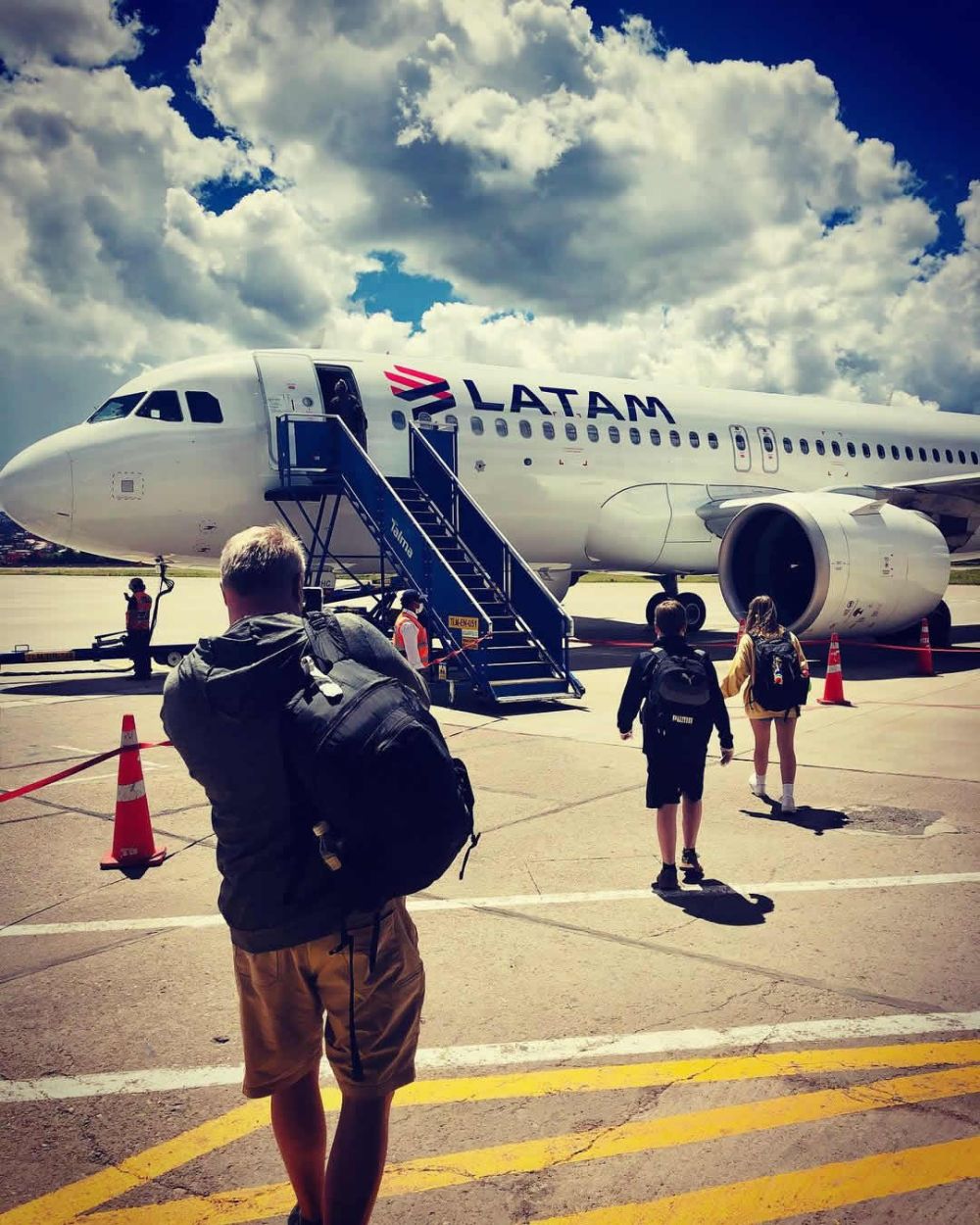

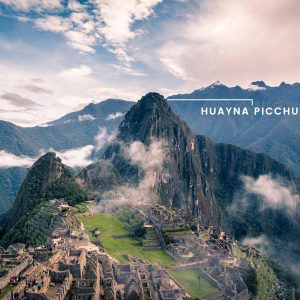
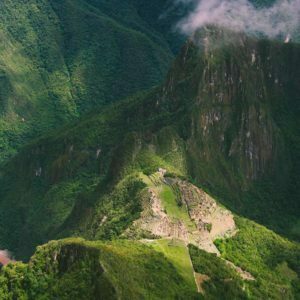
Understanding peru machu picchu closest airport is essential for planning a smooth trip to one of the world’s most iconic destinations. Many travelers expect to fly directly to the ruins, but Machu Picchu sits in a remote mountain region with no runway. Because of this, choosing the right airport and planning the transfer correctly becomes a key part of the experience. With clear information, you avoid confusion and save both time and money.
Travelers visiting Peru often combine several destinations. Therefore, knowing your entry point is important. The journey usually begins with an international flight to Lima before connecting to the nearest airport to Machu Picchu. From that moment on, your path moves through mountains, valleys, and historic towns. Each step becomes part of the adventure. This guide explains every detail so you can travel with confidence.
What Is the Peru Machu Picchu Closest Airport?

The answer to the question peru machu picchu closest airport is straightforward: the Alejandro Velasco Astete Airport in Cusco. It sits in the southern Andes, about 75 kilometers from Machu Picchu. Although it is not located next to the ruins, it remains the most practical entry point due to its location, services, and flight frequency.
The airport serves domestic routes and a few regional international flights. Most travelers arrive from Lima. The short flight takes about 70 to 80 minutes. Once you land in Cusco, the rest of your journey continues by road and train. Because of this, Cusco acts as the main hub for all Machu Picchu travelers. The city offers hotels, restaurants, and essential acclimatization time due to its altitude.
You cannot fly directly to Machu Picchu. The mountains make runway construction impossible. This makes Cusco the best option. Other airports exist, but none place you closer. Choosing Cusco as your arrival point simplifies logistics and helps you adjust to elevation before your visit.
Why Cusco Is the Best Answer to Peru Machu Picchu Closest Airport

Cusco offers several advantages. The city sits high in the Andes, which helps you adapt to altitude slowly. This adaptation reduces the risk of altitude sickness during the rest of the journey. Because Machu Picchu lies at a lower elevation, arriving in Cusco first creates a natural transition. This makes your body feel more comfortable when you reach the citadel.
Cusco also provides easy access to both the Sacred Valley and the train routes to Aguas Calientes. Most travelers book their first nights in Cusco or the valley. This location allows you to explore archaeological sites, markets, and landscapes before heading to Machu Picchu. Since transportation options start here, your trip becomes more flexible and better organized.
Furthermore, Cusco’s airport receives many flights each day. This frequency gives you more options for schedules, prices, and carriers. Because the airport plays a vital role in tourism, its services remain reliable and efficient. Once you land, transportation to hotels and train stations is straightforward.
Does the New Chinchero Airport Change the Answer?

Many travelers ask if the upcoming Chinchero International Airport will become the new peru machu picchu closest airport. The project aims to serve as a modern gateway to the region. However, even with the new facility, Machu Picchu will still require a road and train journey. The mountains prevent any direct access by air.
The Chinchero airport will sit outside Cusco, in the Sacred Valley. This location places travelers a bit closer to the train stations in Ollantaytambo and Urubamba. Because of this, the total travel time may decrease once the airport opens. Even so, the distance to Machu Picchu will continue to depend on ground and rail transport.
Until construction finishes, Cusco remains the closest operational airport. Travelers should follow official updates, but for now, the answer remains unchanged.
Living Traditions, How Local Communities Preserve Peru’s Colonial Churches Today

Peru’s colonial churches are not frozen relics; they are living, breathing spaces where culture, spirituality, and heritage intersect. Many of these temples continue to host community festivals, processions, patron saint celebrations, and traditional dances. This ongoing use is one of the main reasons the colonial heritage of Peru feels so vibrant — it is not simply observed, but experienced.
In places like the Sacred Valley, it is common for villagers to gather weekly in ancient Jesuit or Dominican temples, wearing traditional weaving patterns passed down through generations. Meanwhile, in coastal cities like Lima or Trujillo, churches are home to grand processions that blend Spanish Catholic rituals with Andean or Afro-Peruvian customs. This living use helps preserve the structures, as communities take great pride in maintaining their historical sanctuaries.
However, preservation is not always easy. Earthquakes, humidity, and time constantly endanger their stability. Fortunately, Peru’s Ministry of Culture and international organizations frequently collaborate with local parishes to restore frescoes, reinforce stone walls, and preserve ancient wooden altarpieces. This dual effort — cultural and institutional — ensures that Peru’s colonial churches continue to stand as symbols of resilience and identity.
Colonial Churches Along Peru’s Lesser-Known Routes

Beyond the well-known churches in Cusco, Arequipa, and Lima, Peru hides an entire constellation of lesser-visited colonial gems. These sites offer more intimate encounters with history and are ideal for travelers seeking authenticity.
One such treasure is the remote church of Huaro, south of Cusco, known for its dramatic apocalyptic murals painted by Tadeo Escalante. Another is the church of San Jerónimo de Andahuaylillas, sometimes overshadowed by its neighbor Andahuaylillas but still filled with extraordinary woodwork. The Ayacucho region, too, is home to dozens of colonial temples decorated with baroque altars and carved pulpits, many of them standing alone among quiet Andean landscapes.
In northern Peru, the churches of Cajamarca and Piura showcase unique architectural blends shaped by local materials like adobe and volcanic stone. Meanwhile, the coastal region is home to elegant neoclassical buildings dating from the final centuries of the colonial era. Exploring these off-route locations reveals how diverse and far-reaching Peru’s colonial religious architecture truly is.
Churches That Blend Baroque, Moorish, and Indigenous Architecture

One of the most striking features of colonial churches in Peru is their hybrid architecture. Each region shaped its temples differently depending on available materials, indigenous craftsmanship, and European influence.
In highland regions, artisans often incorporated Mudejar-style ceilings, wooden latticework inspired by Islamic Spain. The ceilings of churches like San Jerónimo or Huaro resemble inverted ships — richly painted, geometric, and visually mesmerizing.
Meanwhile, indigenous stonemasons, known for their precision, carved altars and façades with botanical motifs, local animals, and sun symbols. This blending created an artistic language unique to Peru, visible nowhere else in the colonial world.
Jesuit churches favored dramatic façades, tall bell towers, and bold proportions. Dominican temples often prioritized interior murals and open chapels designed for mass evangelization. Franciscan churches tended to be more modest in decoration but spacious in layout, reflecting the order’s philosophy of simplicity.
These combinations — European influences softened and reshaped by Andean hands — resulted in a multicultural architectural identity that remains one of Peru’s most remarkable contributions to world heritage.
Why Peru’s Colonial Churches Matter Today
These historical buildings are significant for far more than their beauty. They carry deep cultural meaning for communities, preserve centuries of artistic evolution, and serve as archives of collective memory.
They also remind us of the complex encounters between cultures — Spanish, Quechua, Aymara, Afro-Peruvian, and more — that shaped modern Peru. Understanding these temples is a way to understand Peru itself: a country where multiple identities converge, coexisting and influencing one another.
For travelers, exploring these churches offers a chance to slow down and connect with history through art, silence, light, and space. Each church tells its own story, with layers of symbolism that reward those who take time to observe.
Final Thoughts on Exploring Peru’s Colonial Churches
Discovering Peru’s colonial churches is far more than a sightseeing activity. It is a cultural journey through centuries of craftsmanship, faith, conflict, and creativity. Whether wandering through ancient stone corridors in Cusco or standing before an ocean-facing cathedral in Lima, every visit evokes the same feeling: that these places have witnessed the rise and fall of eras, and yet continue to inspire.
If you plan to explore these architectural masterpieces, take your time. Study the murals, observe the wooden carvings, and appreciate how indigenous and European hands worked together — sometimes harmoniously, sometimes contentiously — to create one of the richest artistic heritages in the Americas.
Travel Tips for Visiting Peru’s Most Iconic Colonial Churches
Exploring Peru’s colonial architecture is incredibly rewarding, but knowing how to plan your route can make the experience even more memorable. Many churches are active places of worship, which means visiting hours may vary depending on ceremonies, weddings, or local festivals. For this reason, it’s always wise to check schedules beforehand or ask locals, who are usually eager to help.
When entering any church, modest attire is recommended. This is not strictly enforced in big cities like Lima or Cusco, but in rural regions it shows respect for the community. Photography rules differ from one location to another: some allow photos freely, others restrict flash, and some prohibit photography altogether to protect delicate murals. Always look for posted signs or ask guardians at the entrance.
If you’re planning to travel in the Andes, keep in mind that many colonial churches sit at high altitudes. Staying hydrated, taking breaks, and giving yourself time to acclimate will ensure you enjoy the art and architecture without fatigue. Smaller routes like the South Valley near Cusco or the churches of the Colca Valley in Arequipa often involve short walks through picturesque towns, adding to the overall experience.
To fully appreciate the artistry, consider hiring local guides. Their knowledge of symbolism, indigenous influences, and historical context brings the details to life. They can explain why certain murals include Andean animals, why ceilings look like inverted ships, or how each religious order shaped its architectural style. A guided visit transforms the experience from a simple tour into a fascinating cultural discovery.
The Role of Artisans in Shaping Peru’s Colonial Churches
Behind every carved door, painted ceiling, and gilded altar lies the story of thousands of artisans who worked over centuries to build Peru’s colonial churches. These artisans came from diverse backgrounds — Spanish, Criollo, Indigenous, and even African descent — and the blend of their skills created something entirely unique.
Indigenous artisans were known for their mastery in stonework, inherited from pre-Hispanic traditions. Their ability to create perfectly fitted stones translated beautifully into church façades, columns, and altars. They added Andean symbols, like native birds or floral patterns, subtly expressing their worldview within European religious structures.
On the other hand, Afro-Peruvian carpenters and sculptors contributed significantly to woodwork found in pulpits, choir stalls, and altarpieces. Their influence is especially notable in coastal regions such as Chincha and Lima, where African communities thrived during the colonial era.
European artisans brought formal techniques such as gilding, fresco painting, and baroque ornamentation. Over time, Indigenous and African artisans adapted these methods, developing a hybrid style known as “Mestizo Baroque.” This artistic movement reached its peak in places like Cusco and Arequipa and is one of the most iconic artistic expressions in all of Latin America.
Understanding the artisans behind these masterpieces adds an emotional layer to each visit. These were not anonymous workers — they were creators who shaped Peru’s cultural identity through their talent and imagination.
Best Routes for Exploring Colonial Churches Across Peru
Travelers who want to immerse themselves in Peru’s colonial heritage can follow several routes designed to showcase the diversity of its churches. One popular starting point is Lima’s historic center, where churches like San Francisco, Santo Domingo, and La Merced reveal centuries of floral altarpieces, catacombs, and cloisters. From there, a short flight to Cusco opens the door to the heart of Andean baroque expression.
In the Cusco region, the South Valley circuit is especially rich in colonial temples. Towns such as Andahuaylillas, Huaro, Oropesa, and Urcos each house artistic treasures ranging from golden altarpieces to massive murals. This route is accessible for all types of travelers and can be completed in a single day while still offering deep cultural immersion.
The Arequipa region is another highlight, famous for its volcanic white-stone churches. Here, the architecture combines baroque influences with local materials, creating an aesthetic unlike anything else in the country. The Colca Canyon route, in particular, features impressive churches in towns like Yanque, Lari, and Coporaque, surrounded by breathtaking mountain scenery.
Northern Peru offers a completely different experience. Cities such as Cajamarca, Piura, and Trujillo showcase neoclassical influences and coastal variations of colonial design. These churches tend to be less visited by international tourists, making the experience quieter and more personal.
Whichever route you choose, the journey through Peru’s religious heritage reveals not only architectural beauty but also the diverse cultural roots that shaped each region.
Best Travel Seasons and Flight Tips for Reaching the Region Easily
Planning your visit becomes much smoother once you understand the best seasons to travel and how flight availability changes throughout the year. Weather patterns in the Andes shape the entire experience. The dry season, from May to October, offers clear skies and stable conditions, which makes it ideal for travelers who want consistent visibility from the moment they land. During these months, demand increases, so flights to the region sell out fast and prices rise steadily.
The wet season, from November to April, brings afternoon showers and more unpredictable weather. Yet this period can still offer memorable travel moments because the valleys turn green, and the morning hours often remain calm. Flights tend to be cheaper, and crowds decrease. For many travelers, this mix of lower costs and fewer visitors makes the journey more relaxed. Even so, planning extra time between connecting flights is useful because weather delays happen more frequently.
Since peru machu picchu closest airport sits in a region with variable mountain conditions, airlines often adjust schedules. Early morning flights are the most reliable because clouds and storms usually form later in the day. By choosing earlier flights, travelers reduce the risk of cancellations or long delays. Another tip is to track airline announcements during the week before your trip. These updates help you avoid last-minute timing changes that sometimes occur in Andean airports.
Ground Transportation Options After Landing
Once you land at the airport serving the region, you must choose how to continue toward the Sacred Valley and the archaeological areas. Many travelers use private taxis because they offer flexibility and direct routes. Prices vary by season, but the service remains convenient for those arriving with limited time or heavy luggage. Drivers often know the area well and can provide quick tips about altitude changes and local stops.
Shuttle services are another strong option. They operate on fixed schedules and carry multiple passengers, which lowers the cost. Travelers who prefer structured itineraries often choose this option. Shuttles provide good comfort and ample space for backpacks, making them ideal for visitors carrying hiking gear.
Buses are the most economical choice. They run frequently, connect local towns, and allow travelers to experience daily life in the region. While they take more time, the journey is pleasant because the routes pass through diverse landscapes. For travelers who want cultural immersion from the moment they arrive, buses are a meaningful part of the experience.
Because the terrain surrounding peru machu picchu closest airport varies between mountains and valleys, road conditions sometimes shift during the rainy season. Traffic may slow, and some sections become muddy. For this reason, it’s best to travel in the morning or early afternoon. These hours offer more daylight and safer driving conditions.
Altitude Tips for First-Time Travelers
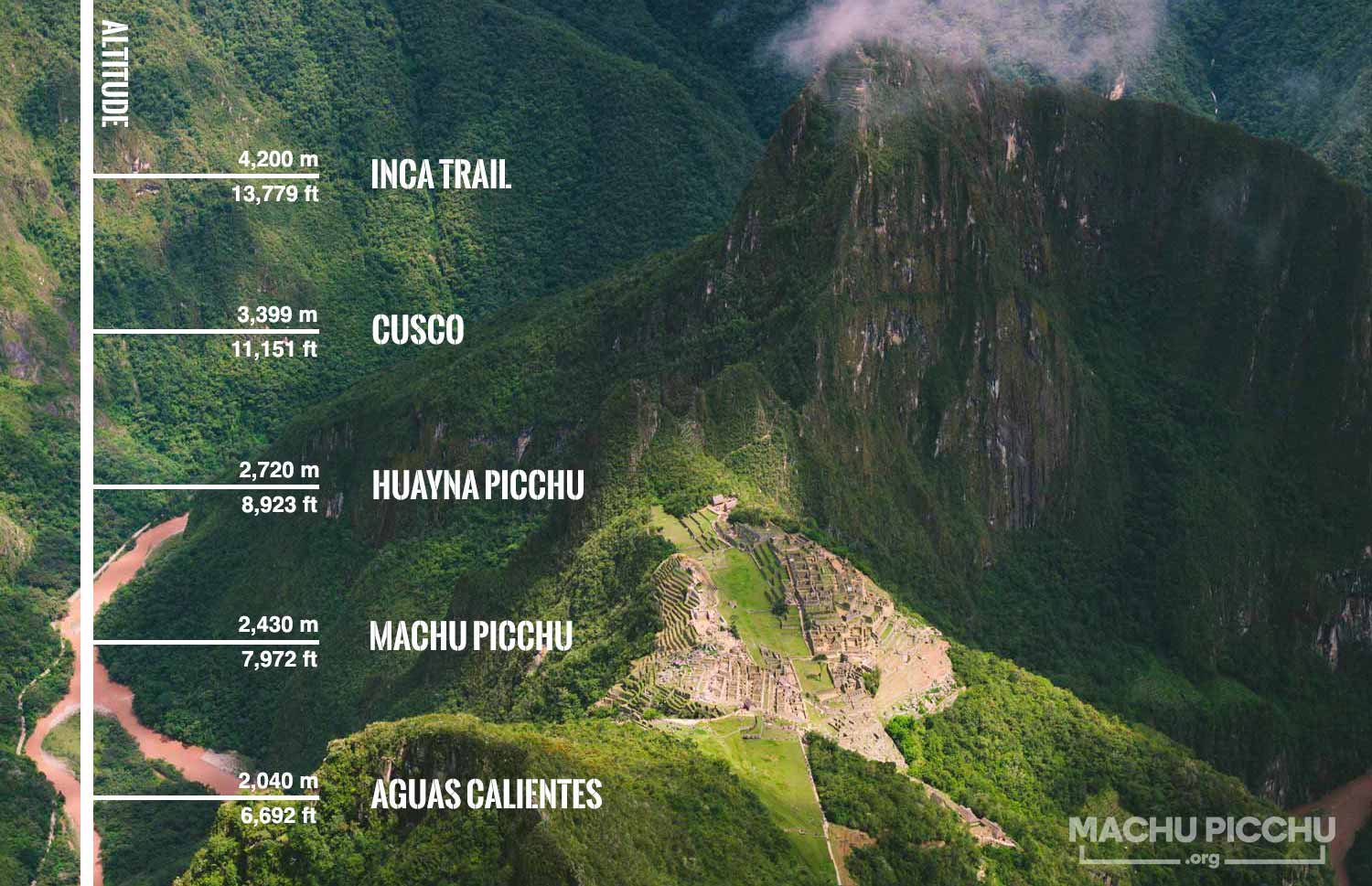
Altitude plays a key role in planning any journey through the Andes. The region near the airport rests at a moderate elevation compared to other Andean cities. Still, many travelers feel the difference once they arrive. Staying hydrated from the beginning helps your body adjust. Drinking water slowly throughout the first day reduces the risk of altitude fatigue.
Taking a light walk after landing is also helpful. Movement activates circulation and supports oxygen flow, but the activity should remain gentle. Avoid heavy meals and alcohol on the first day because they make acclimatization slower. The local herbal teas served in most cafés near the airport help many travelers feel more comfortable.
If your itinerary includes higher altitudes later, such as mountain trails or scenic viewpoints, adjust your pace. Spending one night in a lower valley before ascending works well for most visitors. Because peru machu picchu closest airport offers flexible access to different elevations, planning your climb gradually is easy and practical.
Travelers who follow these simple tips usually enjoy smooth acclimatization. The journey becomes more pleasant, and the body feels strong and ready for long walks, archaeological visits, or photography sessions.
Cultural Tips for a More Meaningful Arrival Experience
Arriving in the Andes offers more than landscapes and archaeological wonders. The region has a strong cultural identity that shapes daily life. Visitors who invest time in understanding local customs often have deeper and more memorable experiences. Greetings are friendly and warm. Locals appreciate when travelers show interest in their traditions, crafts, and music.
Markets near the airport or in surrounding towns display handmade textiles, pottery, and natural products. These markets highlight the skill and creativity of regional artisans. Buying directly from artisans supports local economies and preserves traditional techniques passed down through families.
Mealtimes offer another cultural experience. Traditional Andean dishes use local ingredients such as corn, potatoes, and herbs. Many restaurants near the transit points introduce travelers to light dishes that suit the altitude and support acclimatization. Trying these meals is both practical and enjoyable.
Because the region near peru machu picchu closest airport receives visitors from many countries, people are accustomed to diverse cultures. Even so, a respectful and patient attitude always helps. Taking time to observe local rhythms, listen to community stories, and appreciate the small details creates a richer connection to the place.
Final Tips for a Smooth Journey Toward Machu Picchu

Every traveler wants a smooth and efficient route through the Andes. With the right preparation, the journey becomes both easy and memorable. Planning your timing is essential. Morning arrivals often reduce weather risks and allow more daylight for ground transfers. Keeping your luggage simple also helps because the final route requires multiple transportation steps. You will move between trains, buses, and pedestrian paths, so compact packing makes the journey more comfortable.
Travelers should also confirm transit schedules a day before departure. Mountain weather changes fast, and transportation companies adapt their timetables often. Checking updates avoids unnecessary stress. Because peru machu picchu closest airport serves as the main entry point for most visitors, passenger traffic grows quickly during high season. Arriving early at terminals ensures a smooth process and reduces last-minute pressure.
The final tip is simple: enjoy the pace. The route to Machu Picchu is not only a transfer. It is a gradual introduction to the Andes. Valleys, rivers, and villages appear along the way. These details prepare you for the archaeological wonder waiting at the end. When you travel with intention, the journey becomes a significant part of the experience.
Why Understanding the Route Matters
Knowing how to reach the region efficiently changes your entire trip. When you understand the role of peru machu picchu closest airport, you travel with confidence. You choose better connections, prepare for the altitude, and plan realistic arrival times. These steps reduce stress and protect your energy for what truly matters: exploring one of the most iconic archaeological sites in the world.
A clear route strategy also saves money. It helps you avoid unnecessary delays, last-minute ticket purchases, and expensive transport decisions. With all these factors aligned, your adventure becomes smoother and richer. Knowledge transforms the experience and allows you to appreciate the landscape, culture, and history at a deeper level.
Discover with Us
Travel opens your mind and expands your understanding. If you want guides, tips, or deeper insights into Peru and the Andes, discover with us. We create clear and practical information so your journey feels easier from the start.
Follow Us on Instagram
Stay updated with travel ideas, cultural highlights, and new tips. Follow us on Instagram and keep exploring with confidence.
FAQs About the Journey and the Airport
What is the main airport serving travelers going to Machu Picchu?
The main airport for visitors is the one commonly identified as peru machu picchu closest airport. Most travelers arrive here before continuing their journey by ground and rail.
How far is the airport from the main access points to Machu Picchu?
The distance depends on your route. However, most transfers take between one and three hours because the road curves through valleys and small towns.
Do flights get delayed often in the Andes?
Weather conditions in the mountains can cause delays, especially during the rainy season. Morning flights remain the most reliable.
Is it difficult to travel from the airport to the train station?
The route is simple. You can choose private taxis, shuttles, or buses. All options follow clear and established pathways.
Should I worry about altitude when I land?
You may feel the elevation during the first hours. Staying hydrated and avoiding heavy meals helps your body adjust quickly.
When is the best season to travel?
The dry season offers clear skies and stable weather. The rainy season brings more clouds but fewer crowds and lower costs.
Are transportation services available all day?
Most services operate from early morning to late afternoon. Planning your arrival during daylight ensures safer travel through the mountains.