 English
 Spanish
 Portuguese
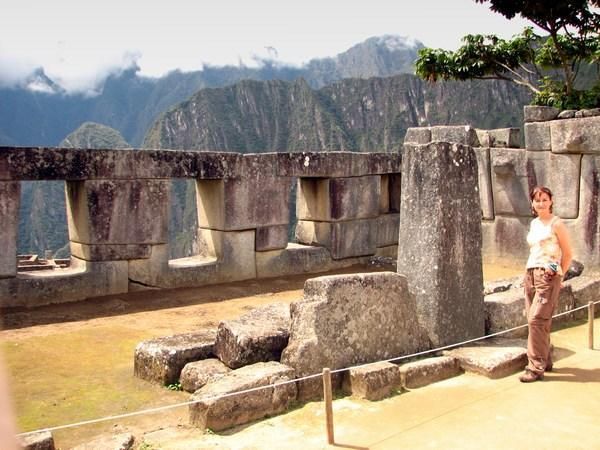

The Temple of the 3 Windows is one of the most fascinating sites within Machu Picchu. Its strategic location, precise stonework, and historical significance make it a must-visit for travelers and history enthusiasts. Understanding the temple of the 3 windows provides insight into Inca culture, religious practices, and architectural genius.
This guide explores the history, design, purpose, and cultural importance of the Temple of the 3 Windows, offering tips for visitors to fully appreciate its significance while exploring Machu Picchu.
Historical Background of the Temple of the 3 Windows

Construction and Inca Engineering
The Temple of the 3 Windows showcases the Incas’ extraordinary architectural skills. Built using precisely cut granite blocks without mortar, the structure has survived centuries of earthquakes and harsh weather. Its three trapezoidal windows align with the surrounding landscape, reflecting advanced understanding of geometry and astronomy.
By studying the temple of the 3 windows, historians can learn about Inca ceremonial practices and the integration of architecture with the natural environment.
Cultural Significance
The temple was likely a ceremonial site, used for religious rituals connected to the sun, moon, and agricultural cycles. The three windows may symbolize the three realms of Inca cosmology: Hanan Pacha (upper world), Kay Pacha (earthly world), and Uku Pacha (underworld).
Recognizing this cultural context helps visitors understand why the temple of the 3 windows holds such importance within Machu Picchu.
Location and Access Within Machu Picchu

Strategic Position
The Temple of the 3 Windows is located in the Sacred Plaza, near the Intihuatana and the Main Temple. Its elevated position offers panoramic views of the surrounding mountains and terraces, emphasizing the Incas’ skill in blending architecture with natural landscapes.
Visitor Access Tips
Visitors should plan their visit early in the morning to avoid crowds. Observing the temple of the 3 windows during sunrise or late afternoon provides optimal lighting for photography and a serene experience of its historical ambiance.
Architectural Features of the Temple of the 3 Windows

Stonework and Design
The temple consists of finely cut stones fitted together without mortar, a hallmark of Inca architecture. The three trapezoidal windows are evenly spaced, creating symmetry and balance. This design not only reflects aesthetic principles but also serves structural purposes, helping the temple withstand seismic activity.
Alignment and Astronomy
Some researchers suggest that the windows were aligned to mark solstices or other astronomical events. Observing the sun through the temple of the 3 windows can reveal how the Incas integrated their understanding of celestial movements into religious practices.
Ceremonial Purpose and Inca Cosmology
Religious Function
The temple likely hosted rituals related to sun worship and agricultural cycles. Priests may have used the three windows as symbolic portals to communicate with the upper, earthly, and underworld realms.
Understanding the temple of the 3 windows provides insight into Inca spirituality, showing how architecture and belief systems were intertwined.
Symbolism of the Three Windows
Each window may represent one of the three levels of existence in Inca cosmology. This symbolic structure reinforces the temple’s ceremonial importance, making it a spiritual focal point within Machu Picchu.
Archaeological Insights
Excavations and Discoveries
Archaeological studies of the temple have uncovered tools, ceramics, and other artifacts suggesting ceremonial use. Analysis of the site also indicates careful planning and construction, highlighting the importance of the temple of the 3 windows within the city’s urban layout.
Interpretation by Scholars
Scholars believe the temple functioned as both a spiritual and educational site, where elites could learn about cosmology and Inca religious practices. Its design emphasizes the integration of natural, celestial, and human-made elements.
Visitor Experience at the Temple of the 3 Windows

Walking Through History
Visiting this iconic temple offers a direct connection to Inca history. The moment you step inside, you can sense the spiritual significance of the site. Its elevated position provides stunning views of the surrounding mountains and terraces, making it a reflective and serene stop within Machu Picchu.
Optimal Visiting Times
For the best experience, plan your visit early in the morning or late afternoon. These times provide fewer crowds and the soft sunlight enhances the beauty of the ancient stonework.
Photographic Opportunities

Capturing the Windows
The temple’s three windows naturally frame the landscapes around Machu Picchu. Observing the sunrise or sunset through them creates dramatic photographic compositions.
Tips for Photography
- Use a wide-angle lens to include both the temple and surrounding scenery.
- Experiment with light and shadows for unique perspectives.
- Avoid peak hours to capture the site without crowds and enjoy a tranquil atmosphere.
Connection with Other Machu Picchu Sites
Nearby Sacred Structures
The temple is near other important areas, such as the Main Temple, Intihuatana, and the Sacred Plaza. Exploring these sites in sequence helps understand the ceremonial and urban layout of Machu Picchu.
Integrated Experience
Its location reflects careful planning by the Incas. The alignment with nearby structures suggests a deliberate design to connect spiritual and social spaces within the city.
Legends and Myths
Spiritual Beliefs
Local legends claim the windows acted as portals to the spiritual world. The Incas likely used them for observing celestial events and performing rituals to honor the gods and ancestors.
Mystical Significance
Some myths describe the temple as a sacred site where elite priests predicted astronomical events or conducted religious ceremonies, enhancing its historical and cultural allure.
Tips for a Memorable Visit
Guided Tours
A knowledgeable guide can provide historical context, explain architectural details, and share legends, enriching the experience beyond the visible structures.
Self-Guided Exploration
Take time to observe the construction, angles of the windows, and surrounding landscapes. Journaling or sketching the temple can deepen appreciation for the site.
Respectful Conduct
As a sacred location, visitors should maintain respect—avoid touching the stones unnecessarily and keep noise to a minimum. Preserving the site ensures that future generations can enjoy it.
Architectural Analysis and Design
Stonework and Craftsmanship
The temple demonstrates the Incas’ incredible precision in masonry. Granite blocks were cut and fitted so perfectly that they have withstood centuries without mortar. The three trapezoidal openings are evenly spaced, creating symmetry and structural stability. Observing the construction techniques gives insight into the skill required to build sacred spaces in Machu Picchu.
Orientation and Alignment
The windows are thought to align with significant astronomical events, including solstices. This suggests the temple was not only a religious site but also served as a celestial observatory, integrating architecture with the natural cycles.
Seasonal Variations and Environmental Context

Weather and Lighting
The experience of visiting changes with the seasons. Morning mist, afternoon sunlight, or the dry season’s clarity can dramatically alter the temple’s appearance. Photographers and visitors alike benefit from understanding how light interacts with the stone structures and surrounding mountains.
Impact of Nature
The temple is surrounded by terraces, cliffs, and dense vegetation. Seasonal rains may enhance the greenery while also making paths slippery, emphasizing the importance of preparation when exploring Machu Picchu.
Role in Modern Tourism
Cultural Significance for Visitors
Today, the temple is a highlight for travelers seeking historical and spiritual insights. Its preservation allows tourists to witness Inca ingenuity firsthand. Visiting the site provides a tangible connection to centuries-old traditions and ceremonies once performed here.
Educational Experience
Guides often explain the temple’s symbolism, construction, and role in Inca cosmology, turning the visit into a learning opportunity. Understanding the context of the site enhances appreciation beyond its visual beauty.
Final Reflections
The Temple of the 3 Windows remains a testament to Inca architecture, spiritual life, and cultural achievement. Its design, alignment, and placement within Machu Picchu demonstrate careful planning and deep respect for natural surroundings. Exploring this temple provides both a historical lesson and a contemplative experience, leaving visitors with a sense of awe and connection to the past.
Discover With Us and Follow Us on Instagram
Discover the hidden gems of Machu Picchu, including this sacred temple. Follow our adventures, photography, and guides to make the most of your visit.
Follow us on Instagram: @machupicchu.mp
Stay updated with:
- Historical insights and legends
- Hiking tips and travel advice
- Stunning Machu Picchu photography
- Stories from experienced guides
Join our community and prepare for an unforgettable journey through the wonders of the Inca civilization.