 English
 Spanish
 Portuguese
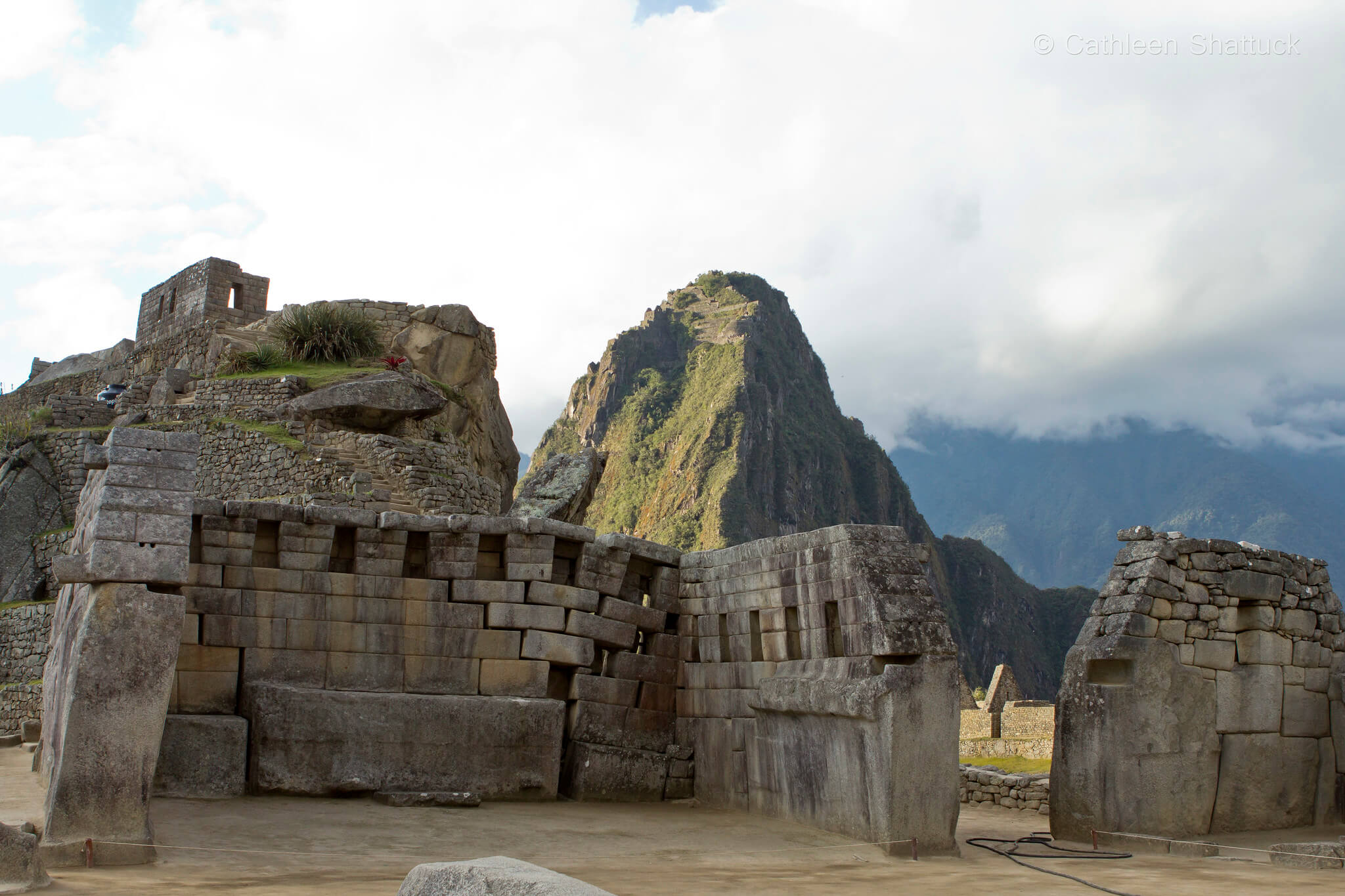

The main temple of machu picchu is one of the most significant and sacred structures within the ancient Inca city. Located in the heart of the Sacred Plaza, this ceremonial building embodies the Inca Empire’s most profound spiritual, political, and astronomical beliefs. Although millions of tourists visit the site each year, only a few pause to consider the deeper meaning of this quiet but powerful stone structure.
What sets the main temple apart is not only its location but also the quality of its construction. Built using high-precision ashlar masonry, the temple reflects the highest level of engineering, symbolic architecture, and religious devotion in the Inca world. It was not a residence, a storehouse, or a guard post—it was a sacred space used for elite rituals, solar ceremonies, and communication with divine forces.
This guide offers more than just a general overview. It is designed to be the most complete, well-researched, and SEO-optimized resource available online. Whether you are a traveler, researcher, or enthusiast, this blog will take you deep into the history, function, and symbolism of the main temple of machu picchu.
The Sacred Plaza, Center of Ritual and Power

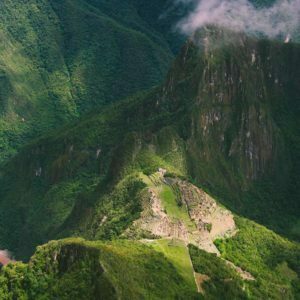
At the core of Machu Picchu lies the Sacred Plaza, a ceremonial zone that includes the Temple of the Three Windows, the House of the High Priest, and the main temple of machu picchu. These three structures form a triangle of power, where politics, astronomy, and religion came together in perfect harmony.
The plaza itself is an open, rectangular space that was likely used for religious processions, observances of astronomical events, and performances of sacred rituals. Access to this area was strictly limited to the Inca nobility and the priestly class. The common population would not have been allowed to enter, further reinforcing the exclusivity of the rituals conducted there.
The position of the main temple within this plaza is intentional. It faces sacred mountains, aligns with key solar events, and serves as a focal point within the urban layout. Its presence here signifies its central role in the spiritual life of the citadel.
Design and Construction, The Inca Way of Building Sacred Space

The architecture of the main temple of machu picchu reveals a deep understanding of both the material world and the cosmic one. The walls are made of massive granite stones, each shaped with meticulous care to fit perfectly with the next. No mortar was used—just pure engineering precision, a hallmark of Inca construction.
The temple’s layout is simple but meaningful. It follows a U-shaped design formed by three main walls. This configuration creates an enclosed space that would have served as a sacred zone for ritual activity. The open end of the U faces out toward the Sacred Plaza, perhaps symbolizing openness to the sky and to the divine.
Inside the walls, trapezoidal niches are carved into the stone. These niches likely held sacred objects, offerings, or effigies. Their precise symmetry and equal spacing reflect the Inca aesthetic of balance and order. Every element of the design serves a purpose, both functional and symbolic.
Despite the collapse of part of the rear wall—likely due to a geological fault line running beneath the structure—the temple still stands as a remarkable testament to Inca architectural skill. Its surviving features are more than enough to demonstrate the original brilliance of its construction.
Symbolism in the Temple’s Structure

The architecture of the main temple of machu picchu is not just about strength and precision—it carries symbolic meaning deeply rooted in Andean cosmology. The Incas believed in a tripartite world: the upper world (Hanan Pacha), the earthly world (Kay Pacha), and the underworld (Uku Pacha). The three walls of the temple may represent this sacred division.
This triadic worldview governed not only religious thought but also urban planning. The layout of the temple—its orientation, its visual relationship with nearby peaks, and its integration into the Sacred Plaza—was part of a larger cosmological map. Everything was aligned to the natural and spiritual forces the Incas observed and honored.
The niches within the temple’s walls were more than decorative. Their trapezoidal shape, common throughout Inca architecture, provided structural strength but also carried spiritual weight. These forms echoed mountain silhouettes and were believed to stabilize energy within sacred spaces. Placing idols or offerings in these niches was part of activating the temple’s spiritual function.
The floor of the temple was likely used for offerings involving chicha (fermented corn drink), coca leaves, and possibly animal sacrifices. While no direct evidence of these rituals remains, similar practices were documented in other Inca temples and continue in modified form in Andean communities today.
Cosmic Alignment and the Landscape

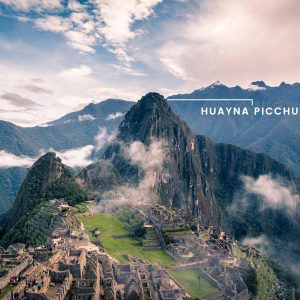
The main temple of machu picchu was deliberately placed in alignment with the surrounding landscape. The Incas didn’t just build on any flat surface—they chose locations based on how they interacted with the sun, moon, stars, and mountains. From the temple, specific peaks such as Huayna Picchu, Salcantay, and Veronica are visible, each one a sacred apu, or mountain spirit.
These peaks were considered powerful protectors and divine beings. The temple’s position allowed priests to observe the movement of celestial bodies in relation to these mountains. This made it possible to plan agricultural calendars, forecast seasonal changes, and schedule religious festivals.
During solstices and equinoxes, sunlight would have entered the temple in specific ways, creating light and shadow effects that marked sacred times of the year. The Incas tracked these changes carefully, using their temples as astronomical instruments. The main temple of machu picchu was likely part of this system.
This deep integration with the environment reflects a core value in Andean belief: harmony with nature. The temple was not meant to dominate the landscape but to resonate with it. Its very purpose was to serve as a bridge between the human and the divine through the medium of the natural world.
Function and Ritual Use

While we cannot know every detail of what occurred inside the main temple of machu picchu, scholars agree that it played a central role in elite religious rituals. These rituals were likely led by high-ranking priests and may have included offerings to the sun god Inti, the moon goddess Mama Killa, and the mountain spirits.
Ceremonies may have involved the use of sacred textiles, musical instruments, incense burners, and gold or silver objects. These items were used to please the gods, ensure good harvests, protect the empire, and strengthen the power of the Inca ruler.
The rituals were not only spiritual—they were also political. By controlling access to sacred knowledge and performing rituals that supposedly maintained balance in the universe, the priesthood reinforced the authority of the Sapa Inca. This blending of religion and politics was essential to the structure of the Inca state.
It’s also possible that important astronomical observations took place here. The position of the temple relative to surrounding features suggests it may have functioned in part as an observatory. In this sense, the temple was both a shrine and a scientific tool.
Restricted Access and Social Hierarchy

The main temple of machu picchu was not a space open to all. Access to the temple was highly restricted, reserved for the religious and political elite. This exclusivity was a physical representation of the Inca social order—only those who held power could approach the sacred.
The layout of the Sacred Plaza reflects this concept. The temple was built in a space that was both central and elevated, emphasizing its importance. Visitors today can sense that distinction—it’s not merely a building, but a space that feels set apart from the rest of the city.
The ceremonies performed here likely involved the Sapa Inca (the emperor himself), high priests, and astronomers. These individuals acted as intermediaries between the gods and the people. The general population would have observed the rituals from lower terraces or from outside the Sacred Plaza, reinforcing their secondary role in spiritual matters.
This social-spiritual separation was essential to the Inca power structure. By controlling access to sacred spaces and the rituals that took place within them, the ruling class strengthened their legitimacy and ensured the continuity of their divine right to govern.
Damage, Restoration, and Current Condition

Although the main temple of machu picchu remains a striking example of Inca engineering, part of the structure has suffered damage over time. The back wall of the temple has partially collapsed due to a geological fault line beneath the site. This subsidence is believed to have occurred naturally, not as a result of poor construction.
Despite this, the surviving portions of the temple continue to impress with their craftsmanship and spiritual power. Restoration efforts have focused on preserving the integrity of the remaining walls and preventing further erosion. Because the site is part of a UNESCO World Heritage Site, interventions are carefully managed to avoid altering its authenticity.
Visitors to Machu Picchu are no longer allowed to step inside the temple itself. However, the structure can be viewed clearly from the surrounding plaza. Informational panels and licensed guides help interpret the space, offering historical and cultural context to visitors.
Modern technologies like 3D scanning and geotechnical monitoring have also contributed to our understanding of the temple’s original form and current condition. These tools allow archaeologists to reconstruct what the building may have looked like before the collapse and monitor ongoing structural changes.
The Temple’s Role in the Visitor Experience
For modern travelers, the main temple of machu picchu represents a unique opportunity to connect with the spiritual and intellectual achievements of the Inca civilization. While it may not be as iconic in photos as the terraces or Huayna Picchu, it holds a deeper meaning for those who take the time to observe and reflect.
Standing in front of the temple, one can feel the alignment between stone, sky, and mountain. It’s a moment where the silence speaks louder than the crowds. For many, it becomes one of the most memorable parts of visiting the citadel.
Guides often point out the details of construction, the significance of the niches, and the symbolism in the layout. Yet, there’s also a personal dimension to visiting this space. It invites quiet contemplation and a sense of reverence that few other parts of Machu Picchu can offer.
For photographers, historians, and spiritual seekers alike, the temple offers a rare mix of physical beauty and metaphysical meaning. It is a place that continues to fulfill its original purpose: connecting people to something greater than themselves.
Conclusion, A Temple Beyond Time
The main temple of machu picchu is more than a ruin—it is a living expression of the Inca worldview. It speaks of a culture that saw the world as sacred, that designed its cities in harmony with nature, and that built not just for survival but for spiritual transcendence.
Its architecture, position, and symbolism are not random. They form a coherent message about balance, order, and cosmic connection. The temple remains a quiet witness to centuries of ceremony, belief, and imperial power. Even today, long after the fall of the Inca Empire, it continues to draw people from around the world seeking meaning, beauty, and understanding.
For those willing to go beyond the surface of Machu Picchu, the main temple offers a unique opportunity. It challenges you to slow down, look closely, and feel the invisible energy that runs through stone, mountain, and sky. It reminds us that ancient civilizations still have wisdom to offer—if we are willing to listen.
Frequently Asked Questions (FAQ)
What is the main temple of machu picchu?
It is a ceremonial structure located in the Sacred Plaza of Machu Picchu. Built with the finest Inca stonework, it served as a sacred space for rituals, astronomical observations, and elite religious ceremonies.
Who was allowed to enter the temple during Inca times?
Only high-ranking priests, astronomers, and members of the royal family. Commoners and regular citizens were not permitted to enter the temple or the Sacred Plaza during rituals.
Why is the back wall of the temple damaged?
The collapse is believed to be caused by a geological fault line beneath the structure. Natural earth movements over time caused part of the wall to sink. The rest of the structure remains remarkably intact.
Is the main temple of machu picchu open to visitors today?
No, visitors cannot enter the temple itself due to preservation concerns. However, it can be clearly viewed from designated areas within the Sacred Plaza, and guides often provide detailed explanations.
What makes this temple different from others in Machu Picchu?
Its level of craftsmanship, ceremonial significance, and symbolic alignment with the landscape make it unique. It is considered one of the most sacred buildings in the citadel, alongside the Temple of the Sun and the Intihuatana.
Was it used for sacrifices?
There is no direct evidence of human sacrifices at Machu Picchu, but offerings like food, drink, coca leaves, and animal remains may have been used in ceremonies. Ritual activity was a central part of the temple’s function.
Can you see the sunrise or solstice events from the temple?
The temple is believed to align with important solar events, though modern access limitations prevent direct observation from within the structure. Other parts of Machu Picchu are more frequently used today for solstice views.
Discover with Us
At machupicchu.mp, we believe that travel is more than just visiting a place—it’s about understanding its soul. The main temple of machu picchu is just one of the many powerful sites that reveal the depth of Andean wisdom, architecture, and spirituality.
If you’re planning a trip to Machu Picchu or simply want to learn more about the secrets of the Andes, we’re here to guide you every step of the way. From cultural insights to practical travel tips, we offer more than tours—we offer meaningful experiences.
Follow Us on Instagram
Join our community of explorers, history lovers, and sacred site seekers.
Follow us on Instagram: @machupicchu.mp
We share daily content with breathtaking views, cultural facts, behind-the-scenes moments, and updates from Machu Picchu and beyond.
Let’s keep discovering the magic of Peru—together.