 English
 Spanish
 Portuguese
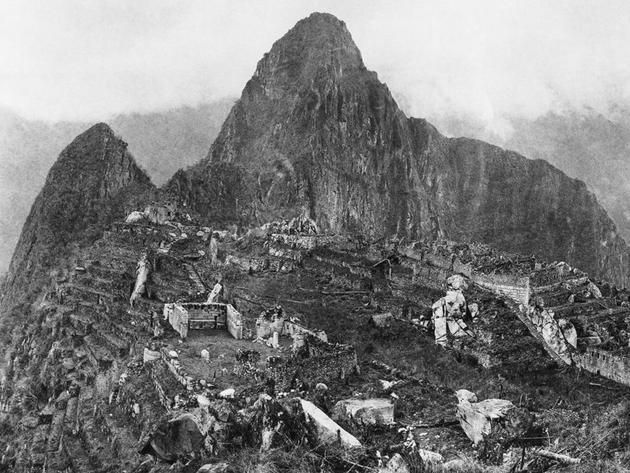

Machu Picchu stands as one of the most iconic archaeological sites in the world. Its stone walls, terraces, and temples reveal the ingenuity of the Inca civilization. Yet, one of the greatest mysteries is why it was abandoned. Exploring why did the incas leave machu picchu takes us deep into history, culture, and the challenges faced by this powerful civilization.
Understanding the reasons behind its abandonment not only sheds light on Inca history but also helps us appreciate the incredible effort required to build and maintain this city high in the Andes. This guide explores theories, historical evidence, and modern interpretations of Machu Picchu’s sudden desertion.
Historical Background of Machu Picchu

Construction and Purpose
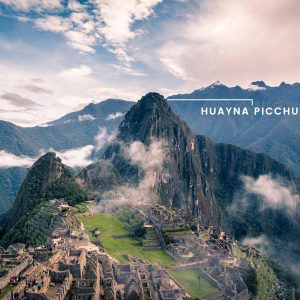
Machu Picchu was built in the 15th century during the reign of Inca Emperor Pachacuti. The city combines sophisticated stonework, agricultural terraces, and ceremonial structures. Scholars believe it served multiple purposes: a royal retreat, a religious site, and possibly a center for astronomical observation.
Its location, perched between steep mountains and surrounded by the Urubamba River, made it difficult to access, providing both strategic defense and seclusion.
The Inca Civilization at Its Peak
The Inca Empire was the largest in pre-Columbian America, stretching from modern-day Colombia to Chile. Its political and economic structure was highly organized, with intricate road networks and communication systems. Machu Picchu represents the pinnacle of Inca engineering and urban planning.
Considering the empire’s sophistication, understanding why did the incas leave machu picchu remains a subject of intense study and debate.
Theories Behind the Abandonment

1. Disease and Epidemics
One prominent theory suggests that the Incas abandoned Machu Picchu due to the spread of European diseases, such as smallpox. Although Spanish conquistadors never fully reached Machu Picchu, disease could have traveled along trade routes, weakening local populations and prompting relocation.
This theory aligns with patterns seen elsewhere in the Inca Empire, where settlements were abandoned following epidemics.
2. Political Instability
Internal conflicts may have contributed to the desertion. After the death of Emperor Huayna Capac, a civil war broke out between his heirs. Disruptions in leadership and governance could have forced inhabitants to leave Machu Picchu and seek safety elsewhere.
Political instability often led to the abandonment of high-altitude settlements, especially those far from administrative centers.
3. Resource Limitations
Machu Picchu, despite its advanced agricultural terraces, may have faced resource limitations. Soil erosion, water management challenges, or climate fluctuations could have made long-term habitation difficult.
If sustaining a large population became challenging, relocating would have been a practical solution.
Archaeological Evidence

Excavations and Findings
Archaeologists have discovered pottery, tools, and human remains that provide clues about the city’s last residents. Signs of rapid abandonment, such as unfinished construction and undisturbed ceremonial sites, suggest the city was deserted suddenly.
These findings are crucial to understanding why did the incas leave machu picchu, as they indicate a combination of environmental, political, and social factors.
Interpretation of the Evidence
Some scholars argue that Machu Picchu was a temporary retreat rather than a permanent settlement. This interpretation supports the idea that the Incas may have planned to return but were prevented by unforeseen events, such as disease or war.
The Role of Geography and Environment

Remote Location
Machu Picchu’s isolation was both an advantage and a challenge. It provided security but made supply lines and communication difficult. The difficulty of accessing resources may have influenced the decision to abandon the site.
Climate and Natural Hazards
The region experiences heavy rainfall, landslides, and earthquakes. Maintaining infrastructure in such conditions requires constant labor and resources. Over time, these environmental pressures could have made the city unsustainable.
Cultural and Religious Interpretations
Spiritual Significance
Machu Picchu was more than a city—it had deep spiritual and religious significance. Temples, sun gates, and ceremonial platforms suggest the site was a sacred center. Some scholars argue that the city was used seasonally for rituals, and its abandonment could relate to changes in religious practices.
Understanding why did the incas leave machu picchu may require considering that the site’s purpose was partly ceremonial, not purely residential. Seasonal or ritual use could explain why it was left behind once its spiritual role diminished.
Royal Retreat Hypothesis
Some evidence suggests Machu Picchu served as a retreat for Inca royalty, particularly Emperor Pachacuti. The city might have been designed for specific periods of residence rather than permanent settlement. Once the political or ceremonial priorities shifted, the need to inhabit the city decreased, contributing to its abandonment.
Impact of the Spanish Conquest

Indirect Influence
Although Spanish conquistadors never fully discovered Machu Picchu, their arrival in the region destabilized the Inca Empire. Many cities and settlements were abandoned as the empire collapsed under military pressure, disease, and forced labor.
The conquest’s indirect effects—such as population displacement and economic disruption—could explain part of the mystery of why did the incas leave machu picchu.
Avoiding Conquest
The city’s hidden location may have been strategic. Its inaccessibility likely helped it avoid immediate Spanish invasion, but the empire’s collapse elsewhere could have made the site unsustainable. Inhabitants may have left voluntarily to join safer or more strategically located communities.
Modern Theories and Research

Multifactorial Explanation
Most researchers agree that no single factor explains the abandonment. Instead, a combination of disease, political instability, environmental challenges, and cultural shifts likely contributed. The sudden nature of desertion is supported by archaeological evidence showing minimal signs of conflict or looting.
Continuing Archaeological Discoveries
Ongoing excavations continue to shed light on Machu Picchu’s history. Recent studies use soil analysis, pollen records, and radiocarbon dating to understand population patterns, agricultural sustainability, and environmental conditions. Each discovery brings us closer to answering why did the incas leave machu picchu, although some questions may remain unanswered.
Lessons from the Abandonment
Human Adaptation and Resilience
The abandonment highlights the Incas’ adaptability. They could establish complex settlements in extreme environments and leave them strategically when necessary. This ability to respond to environmental and political challenges is a testament to their ingenuity.
Preservation of Cultural Heritage
Machu Picchu’s desertion inadvertently preserved it. Had it remained occupied or been fully discovered by the Spanish, much of its architecture and terraces might have been destroyed. The city’s abandonment allowed future generations to marvel at Inca engineering and culture.
Tourist Perspectives and Experiencing History
Walking in Inca Footsteps
Visiting Machu Picchu today allows travelers to connect with Inca history directly. Hiking the Inca Trail or reaching the Sun Gate provides context to the question of why did the incas leave machu picchu, as visitors can see the isolation and strategic positioning of the site firsthand.
Cultural Reflection
Exploring the city’s temples, plazas, and agricultural terraces encourages reflection on Inca society. Visitors gain insight into daily life, ceremonial practices, and the complex reasons the Incas might have chosen to abandon this extraordinary city.
Environmental and Agricultural Factors

Challenges of High-Altitude Farming
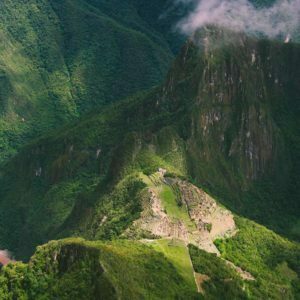
Machu Picchu’s terraces demonstrate the Incas’ advanced agricultural techniques. However, the city’s high-altitude location presented limitations. Soil erosion, landslides, and seasonal heavy rainfall could reduce crop yields. Over time, sustaining a population in such conditions might have become increasingly difficult.
These environmental pressures provide insight into why did the incas leave machu picchu. Even with sophisticated irrigation and terrace systems, natural challenges could make long-term habitation unsustainable.
Water Management
The Incas engineered impressive water channels and fountains to supply the city. Yet, maintaining a stable water supply at high altitude was labor-intensive. Changes in rainfall patterns or blocked channels might have contributed to the decision to leave the city.
Machu Picchu’s Strategic Abandonment

Planned Desertion
Some historians suggest the abandonment was intentional. Machu Picchu may have been a royal or ceremonial site with a temporary population. Once its primary purpose was fulfilled or political priorities shifted, residents could have moved to other urban centers.
This perspective helps explain the minimal evidence of conflict or destruction at the site, supporting the theory that the Incas left Machu Picchu voluntarily and systematically.
Safety and Security Considerations
The site’s remote location was both an advantage and a challenge. While it protected residents from invasion, it made rapid response to threats or supply shortages difficult. The decision to abandon Machu Picchu may have been influenced by the need to prioritize safety and logistical efficiency.
Legacy and Preservation
Cultural Impact
Despite its abandonment, Machu Picchu remains a symbol of Inca innovation and resilience. The city provides insight into urban planning, agricultural techniques, and spiritual life of the Incas. Studying why did the incas leave machu picchu allows modern societies to appreciate the complexity of this civilization.
Natural Preservation Through Desertion
The fact that Machu Picchu was left largely intact helped preserve its structures for centuries. Many other Inca cities were destroyed or looted during the Spanish conquest. Its abandonment inadvertently safeguarded the city, making it possible for future generations to study and admire it.
Tourism and Modern Exploration
Experiencing the Mystery
Visitors walking the Inca Trail or exploring Machu Picchu can sense the reasons behind its desertion. The isolation, challenging terrain, and awe-inspiring views provide context for understanding why the Incas might have chosen to leave the city.
Tourism allows people to connect with history personally, fostering a deeper appreciation of the cultural and environmental factors involved in the abandonment.
Guided Insights
Tour guides provide historical context, archaeological interpretations, and theories on why did the incas leave machu picchu. These explanations enhance the visitor experience, turning a hike into a journey through history.
Final Thoughts on Why the Incas Left Machu Picchu

The question of why did the incas leave machu picchu has fascinated historians, archaeologists, and travelers for decades. While no single answer exists, it is likely a combination of:
- Disease and epidemics
- Political instability
- Environmental challenges and resource limitations
- Shifts in cultural or ceremonial practices
Machu Picchu’s abandonment illustrates the Incas’ adaptability and strategic thinking. It also preserved one of the world’s most remarkable archaeological sites for modern discovery.
Discover With Us and Follow Us on Instagram
Discover with us the secrets of Machu Picchu and learn more about the Inca civilization. Follow our guides, photos, and stories to prepare for your own adventure and understand the history behind the inca trail highest point and Machu Picchu’s desertion.
Follow us on Instagram: @machupicchu.mp
Stay updated with:
- Archaeological insights
- Hiking and travel tips
- Stunning photography from Machu Picchu
- Stories from historians and experienced guides
Join our community and experience the wonder of Machu Picchu while learning the reasons why the Incas may have chosen to leave this extraordinary city.