 English
 Spanish
 Portuguese
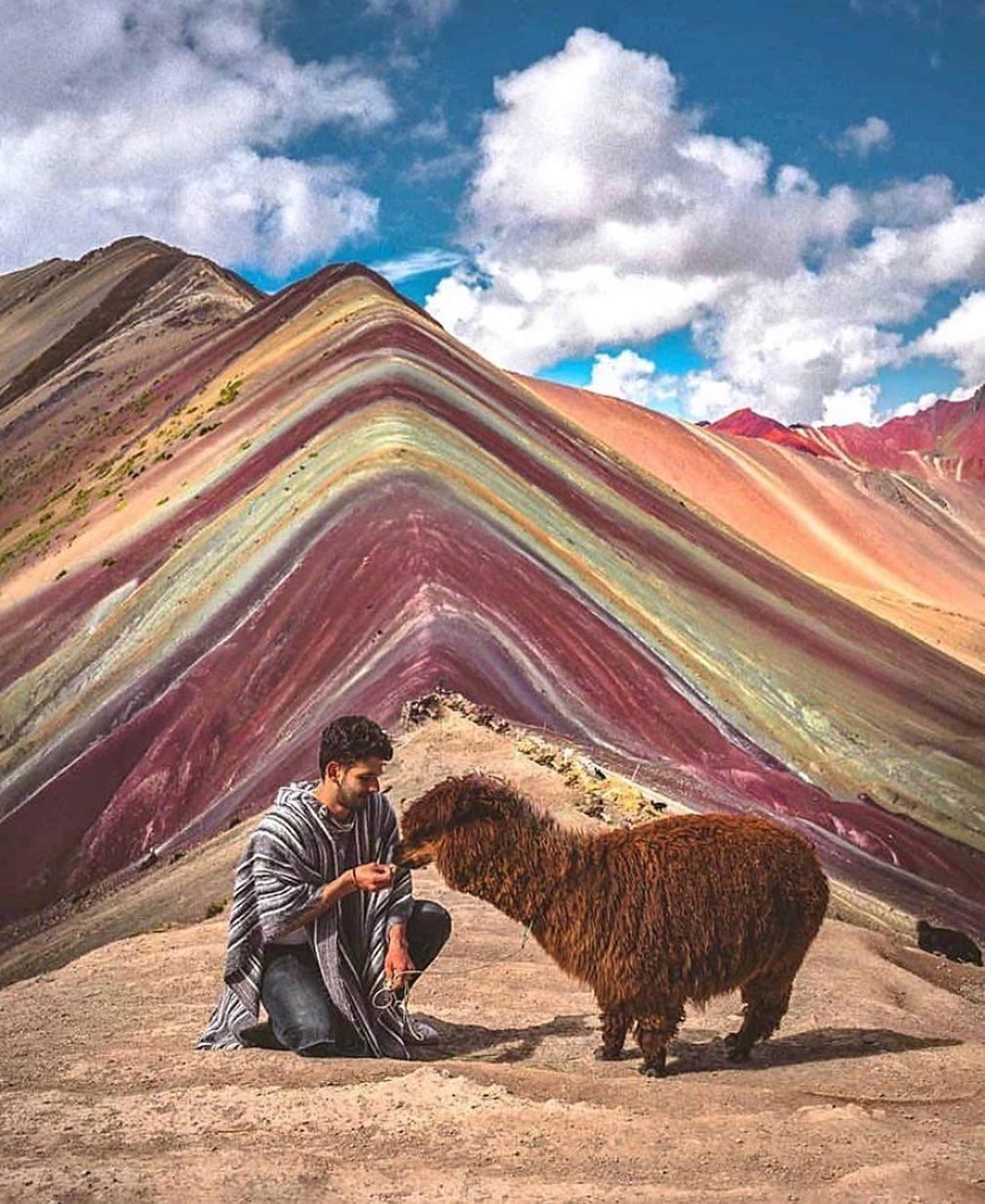

Interest in why is rainbow mountain peru colorful increases every year. Travelers from around the world arrive with the same question as they face its intense stripes of red, green, yellow, and purple. The mountain looks surreal, almost like a painted canvas, yet every color comes from natural geological processes. Its altitude, its harsh weather, and its ancient history shaped a landscape that feels otherworldly. This guide explains the science behind the colors in a clear and accessible way, helping you understand a phenomenon that developed over millions of years.
The Geographic Setting That Shapes the Colors

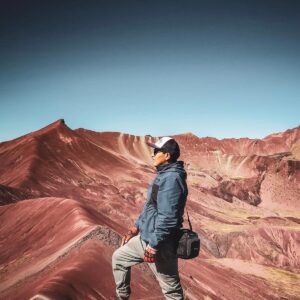
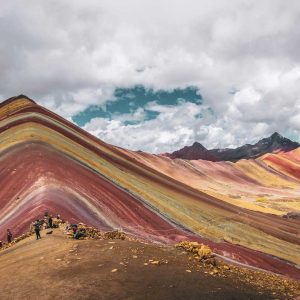
To understand why is rainbow mountain peru colorful, it helps to start with location. Rainbow Mountain sits in the Vilcanota range in southern Peru, a region known for mineral-rich soil and extreme climate. The thin vegetation, strong winds, and frequent freezing make erosion faster and more visible. These conditions expose the mountain’s layers, revealing each color more clearly. Although tourism exploded only recently, the formation of this natural display began long before humans existed.
Layers Formed Over Millions of Years

Rainbow Mountain did not always look the way it does today. Millions of years ago, this area was covered by ancient seas. Sediments from different eras settled on top of each other, creating distinct layers. Later, powerful tectonic movements pushed these layers upward, forming the Andes. Over time, the surface eroded and revealed the colored strata we see now. When people ask why is rainbow mountain peru colorful, the answer begins with this long geological timeline and the forces that shaped the continent.
The Minerals That Give Each Color

Every stripe on the mountain comes from a different mineral. Red indicates iron oxide. Yellow forms from sulfur compounds. Green appears thanks to chlorite. These minerals accumulated separately due to changes in climate, water, and biological activity throughout different eras. They remained hidden deep underground until erosion brought them to the surface. That is why why is rainbow mountain peru colorful is a question with a scientific explanation rather than a mythical one.
How Erosion Reveals the Colors Today

Erosion plays a vital role in keeping the colors visible. Rainfall wears down the surface. Wind carries away loose particles. Ice cracks the rock and exposes new layers. These processes never stop. As a result, the intensity of the colors can change depending on the season. Some months look brighter, while others appear more muted. This constant transformation helps explain why is rainbow mountain peru colorful and why the mountain’s appearance evolves over time.
Climate Conditions That Influence the Colors
Weather plays a major role in how the colors appear throughout the year. During the dry season, skies stay clear and sunlight hits the mountain directly, making each stripe look more vibrant. In contrast, the rainy season adds moisture to the soil, which darkens the tones and softens the contrast between layers. These seasonal shifts help explain why why is rainbow mountain peru colorful has more than one visual version. Visitors often notice slight changes depending on the time of day, the angle of the sun, or the presence of clouds.
The Impact of Altitude on the Landscape
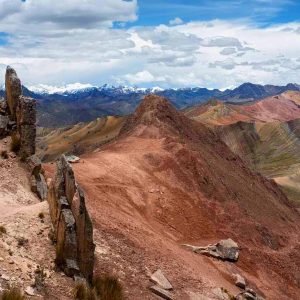
Rainbow Mountain sits at more than 5,000 meters above sea level. At this altitude, vegetation struggles to grow, and the soil remains exposed. This exposure is crucial for understanding why is rainbow mountain peru colorful, because plant cover would normally hide the mineral layers. Here, the lack of vegetation allows the colors to stand out. The thin air and constant temperature fluctuations create cracks in the rock, helping erosion reveal even more details over time. Few mountains in the world combine this altitude with such mineral diversity, making this site uniquely colorful.
Human Discoveries and Renewed Popularity
Although the mountain is ancient, its international fame is recent. For years, local communities knew the area but did not promote it widely. As satellite images, trekking trends, and social media posts increased, the world began asking why is rainbow mountain peru colorful and wanted to see it firsthand. Tourism grew rapidly, bringing both opportunities and challenges. The sudden rise in visitors transformed a remote hiking route into one of Peru’s most visited attractions. This surge in attention also highlighted the need to protect the mountain’s delicate surface.
How Tourism Impacts the Colors
Tourism affects the site in several ways. Foot traffic can disturb loose soil, especially during wet months. Horses used for transport may compress the ground and change how erosion unfolds. Local authorities introduced specific trails to reduce damage, and these routes help protect the exposed layers. While tourism does not change the chemical composition that answers why is rainbow mountain peru colorful, it can influence the clarity of the visible stripes. Proper management ensures that future travelers can continue enjoying the natural beauty without harming it.
Cultural Significance Among Local Communities

For the local Quechua communities, the mountain holds meaning beyond its colors. They see the Vilcanota range as a living presence connected to nature, climate, and spiritual balance. Although science explains why is rainbow mountain peru colorful, local traditions offer another perspective tied to identity and history. Festivals, offerings, and shared stories connect people to the land. This cultural layer adds depth to the experience and reminds visitors that Rainbow Mountain is not just a visual attraction but also part of a living heritage.
Scientific Studies That Support the Color Analysis
Several geological studies confirm the mineral composition of Rainbow Mountain. Researchers analyzed soil samples and identified clear patterns that match the visible color bands. These studies explain why is rainbow mountain peru colorful through data rather than speculation. Iron-rich layers oxidize and turn red. Phyllites and clays appear in shades of green and blue. Sandstone deposits create pale tones. Each layer represents a different environmental condition in Earth’s past. The combination gives the mountain its striking palette and helps scientists reconstruct ancient climates.
Comparison With Other Colorful Mountains Worldwide
Rainbow Mountain is not the only colorful formation on the planet, but it is one of the most intense. Areas in China, Argentina, and the United States show similar banding, although with different mineral mixes. Comparing these landscapes offers another way to understand why is rainbow mountain peru colorful. In Peru, the layering is unusually exposed and clean, producing sharp contrasts rarely found elsewhere. The altitude also prevents vegetation from covering the slopes. These features make the Peruvian version stand out among other striped mountains around the world.
How Light and Weather Change the Visual Experience
Colors do not look the same under every lighting condition. During early morning hours, the mountain displays cooler tones. Midday brings stronger sunlight and deeper contrast. Late afternoon softens the palette and adds warm hues. These visual changes become part of the explanation for why is rainbow mountain peru colorful, because the landscape interacts constantly with light. Dust, moisture, and temperature also influence how the human eye perceives each stripe. As a result, two visitors may see slightly different colors depending on when they arrive.
The Role of Ice and Temperature Fluctuations
At high altitudes, temperatures drop sharply at night and rise again during the day. This daily cycle causes expansion and contraction in the rock surface. Small fractures appear and expose fresh mineral layers. Ice also forms during cold nights and melts hours later, accelerating erosion. These processes contribute to the long-term answer to why is rainbow mountain peru colorful. Without temperature fluctuations, the layers would remain hidden or appear less defined. Nature constantly reshapes the mountain, even if the changes are subtle each year.
Why the Colors Will Continue to Change Over Time
Rainbow Mountain is not static. Erosion, weather patterns, and natural shifts in the soil ensure that its appearance evolves. Some stripes may brighten, while others fade slightly. Over decades, new patches could emerge and older ones may soften. This dynamic behavior means the explanation behind why is rainbow mountain peru colorful will always include change. Visitors today see a version shaped by the present climate, not the one that existed centuries ago. This constant renewal keeps the mountain fascinating and scientifically relevant.
Visiting Rainbow Mountain and Understanding Its Colors in Person
Seeing Rainbow Mountain in person gives a clearer sense of its unique geology. The hike exposes travelers to different angles, lighting conditions, and slopes that reveal details not visible in photos. Understanding why is rainbow mountain peru colorful enriches the experience, because each layer on the trail reflects a different moment in Earth’s history. Travelers often describe the view as surreal, yet learning about the minerals and erosion involved makes the sight even more impressive. The more you walk, the more patterns you notice.
Best Season to Appreciate the Colors
Both seasons offer different advantages. The dry season usually delivers clearer skies and stronger contrasts. The rainy season provides deeper tones due to moisture in the soil. These variations help explain why why is rainbow mountain peru colorful does not look identical year-round. Choosing the right season comes down to preference. Those who want sharp colors typically prefer dry months, while those who enjoy softer tones may choose the shoulder seasons. Either way, the view remains remarkable.
Environmental Protection and Sustainable Tourism
As tourism increases, protecting the mountain becomes essential. Local authorities and communities created designated trails to reduce erosion caused by heavy foot traffic. Sustainable practices help preserve the layers that answer why is rainbow mountain peru colorful. Visitors are encouraged to follow marked paths, limit waste, and respect local guidelines. These small actions have a large impact on the long-term health of the site. The goal is to allow future generations to enjoy the same beauty without damaging its fragile terrain.
The Mountain as a Living Natural Archive
Rainbow Mountain is more than a scenic viewpoint. It serves as a geological archive that stores stories about past oceans, ancient climates, and the formation of the Andes. Each color reflects a different chapter of this history. When travelers understand why is rainbow mountain peru colorful, they recognize that the mountain functions like an open textbook written by nature. Scientists continue to study the area to learn more about South America’s geological evolution, making it a site of both beauty and knowledge.
Final Thoughts on the Origin of the Colors
The colors of Rainbow Mountain exist thanks to a perfect combination of minerals, erosion, climate, and time. No single factor explains the entire phenomenon. Instead, several natural processes worked together over millions of years to create the striped landscape we see today. The question why is rainbow mountain peru colorful leads to a deeper appreciation of the Earth’s complexity. Standing before the mountain, travelers witness a natural masterpiece shaped slowly and patiently by the planet itself.
Discover With Us
Discover with us the most fascinating natural stories hidden across Peru’s landscapes. We explore geology, culture, and travel with clarity and depth, helping you understand every destination beyond the surface.
Follow us on Instagram for more insights, guides, and updates on the world’s most spectacular places.
FAQs
Why is Rainbow Mountain so colorful?
Its colors come from mineral-rich layers exposed by erosion. Each stripe reflects iron, sulfur, chlorite, or sandstone deposits formed over millions of years.
Does Rainbow Mountain always look the same?
No. Weather, sunlight, and moisture change how intense the colors appear. Dry months usually show brighter tones.
Can tourists damage the colors by walking on the mountain?
Not directly, but heavy foot traffic accelerates erosion. That is why marked trails protect the fragile surface.
What minerals create the red, yellow, and green colors?
Red comes from iron oxide, yellow from sulfur compounds, and green from chlorite-rich clays.
Is the color formation still changing today?
Yes. Erosion and temperature shifts continue revealing new layers, so the appearance evolves over time.