 English
 Spanish
 Portuguese
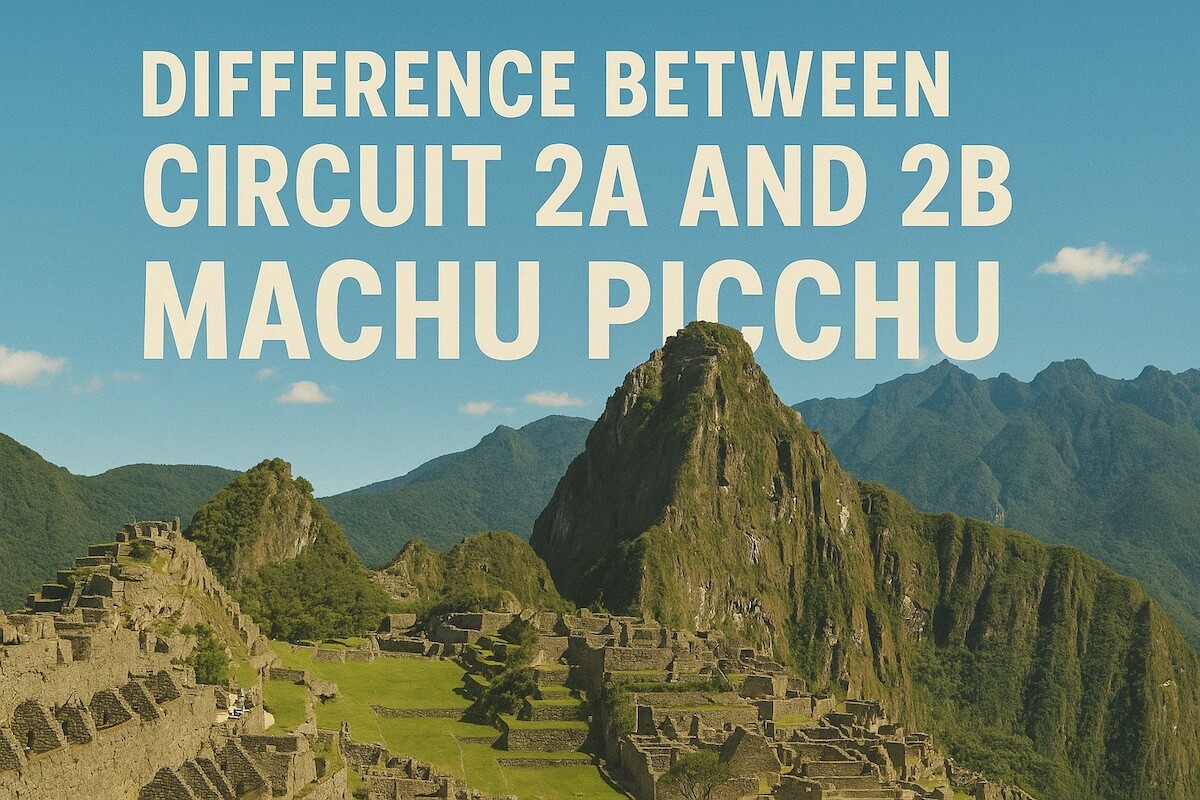

Choosing the right circuit at Machu Picchu can significantly shape your experience of this extraordinary World Heritage site. Since July 2021, the Peruvian Ministry of Culture redesigned visitor access routes into a series of structured circuits to manage foot traffic and protect the fragile ruins. Among these, Circuit 2—also known as the Classic Route—has become the most popular and complete choice for travelers who want to explore the heart of the Inca citadel.
Within Circuit 2, there are two main options: Circuit 2A (Ruta Diseñada) and Circuit 2B (Ruta Terraza Inferior). While they share many similarities and cover most of the same landmarks, the differences between them—particularly the starting viewpoint, path flow, and photographic opportunities—can subtly affect your visit.

This guide offers an in-depth comparison between Circuit 2A and Circuit 2B, exploring their routes, highlights, photo perspectives, difficulty levels, and ideal visitor profiles. By the end, you’ll know which route best suits your preferences—whether you’re a photographer chasing that iconic Machu Picchu shot, a history enthusiast wanting to explore every temple, or a traveler balancing time, comfort, and experience.
Understanding Machu Picchu’s Circuit System
Machu Picchu is one of the world’s most visited archaeological sites, drawing thousands of visitors daily. To balance preservation and tourism, authorities introduced a circuit-based system that defines fixed, one-way routes through the site. These circuits ensure a smoother flow of visitors, prevent overcrowding in sensitive areas, and allow everyone to enjoy a meaningful experience without congestion or confusion.
There are currently several circuits—each offering access to different parts of the citadel and sometimes combining with optional mountain hikes.
Here’s an overview:
- Circuit 1 (Panoramic Route) – Focuses on upper viewpoints and terraces; ideal for those who mainly want panoramic photos rather than walking through the inner ruins.
- Circuit 2 (Classic Route) – The most complete route through the heart of Machu Picchu; this is what most visitors imagine when they picture the site.
- Circuit 3 (Lower Route) – Shorter and more accessible; it explores the agricultural sector and lower areas of the ruins.
- Circuit 3 (Huayna Picchu Route) – Includes the climb up Huayna Picchu Mountain along with a partial circuit of the ruins.
Among these, Circuit 2 stands out because it gives access to nearly all of the core religious, residential, and ceremonial structures—from the Temple of the Sun and the Main Plaza to the Sacred Rock and the Temple of the Three Windows.
Circuit 2 is further split into two versions, 2A and 2B, primarily to manage crowd flow. Both traverse the same main archaeological zones but differ slightly in the path they follow and the viewpoint from which visitors start their journey.
Read more at: Machu Picchu Circuits
Overview of Circuit 2 (The Classic Route)
Circuit 2 is often called the “Classic Machu Picchu Experience.” It’s the route that includes most of the emblematic places you see in travel guides and postcards. If you’re visiting Machu Picchu only once in your life, this is often the route to choose because it offers a full immersion in the site’s architecture, spirituality, and natural setting.
Key Highlights of Circuit 2:
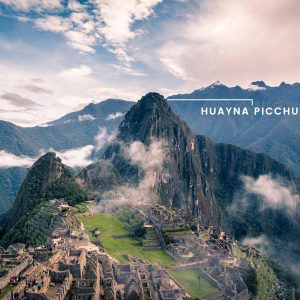
- The Guardian’s House viewpoint – Where visitors capture the iconic panoramic view of Machu Picchu framed by Huayna Picchu in the background.
- The Main Gate – Entry point to the urban sector, marking the transition from the agricultural terraces to the ceremonial city.
- The Temple of the Sun – One of the most sacred and architecturally refined structures, aligned with astronomical events.
- The Royal Tomb and Main Plaza – Central spaces that reveal the Inca’s urban design and spiritual hierarchy.
- The Temple of the Three Windows – A masterpiece of precision stonework symbolizing the Inca worldview.
- The Intihuatana Stone – Believed to be an astronomical clock or ceremonial sundial used by Inca priests.
- Sacred Rock and terraces – Offering stunning views and insights into Inca agricultural engineering.
Circuit 2 offers a balanced combination of panoramic viewpoints and close-up exploration of the ruins, making it the most comprehensive route for first-time visitors. Both 2A and 2B cover these highlights, though their order and perspectives vary slightly.
Circuit 2A: The Designed Route (Ruta Diseñada)
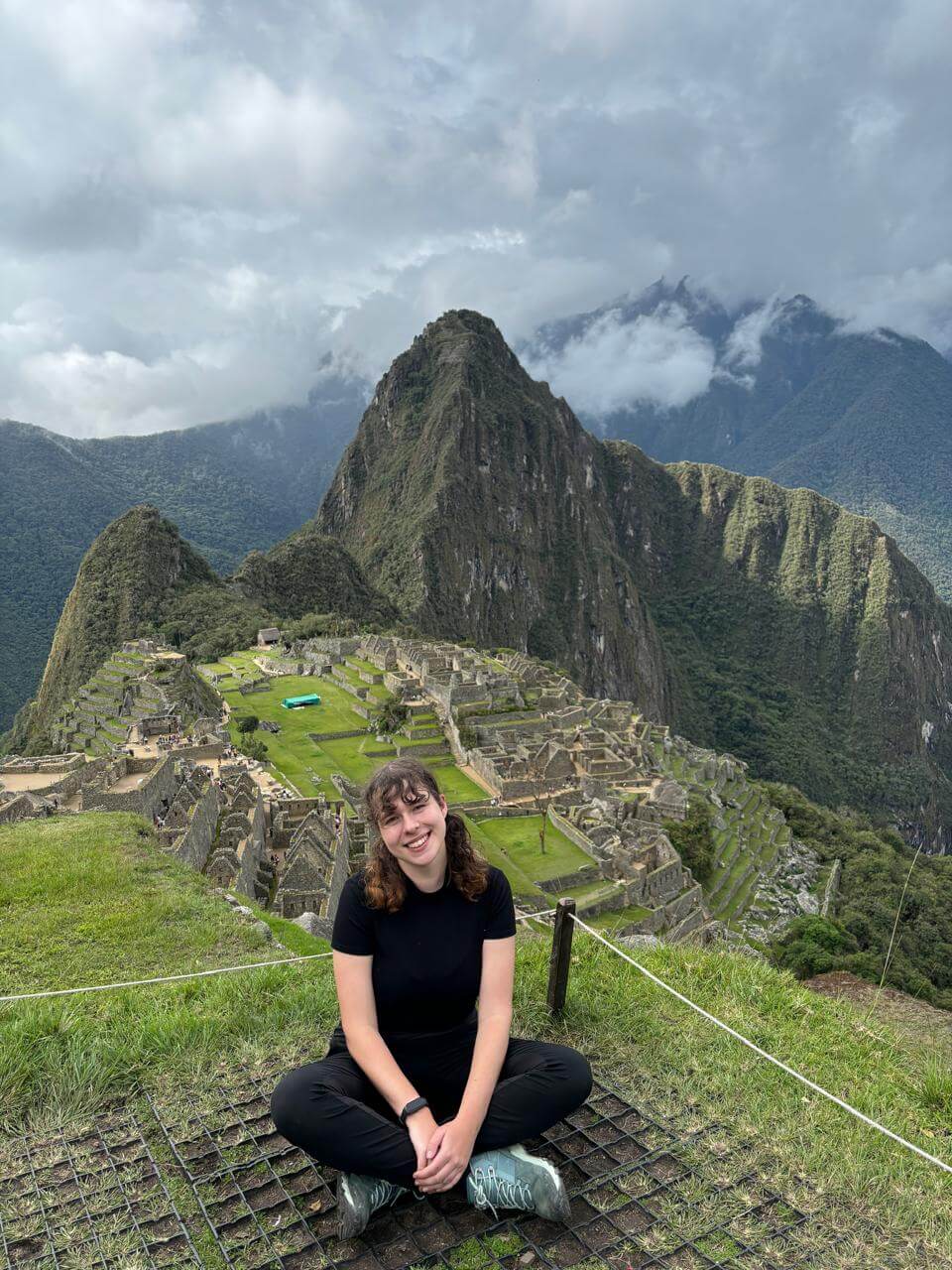
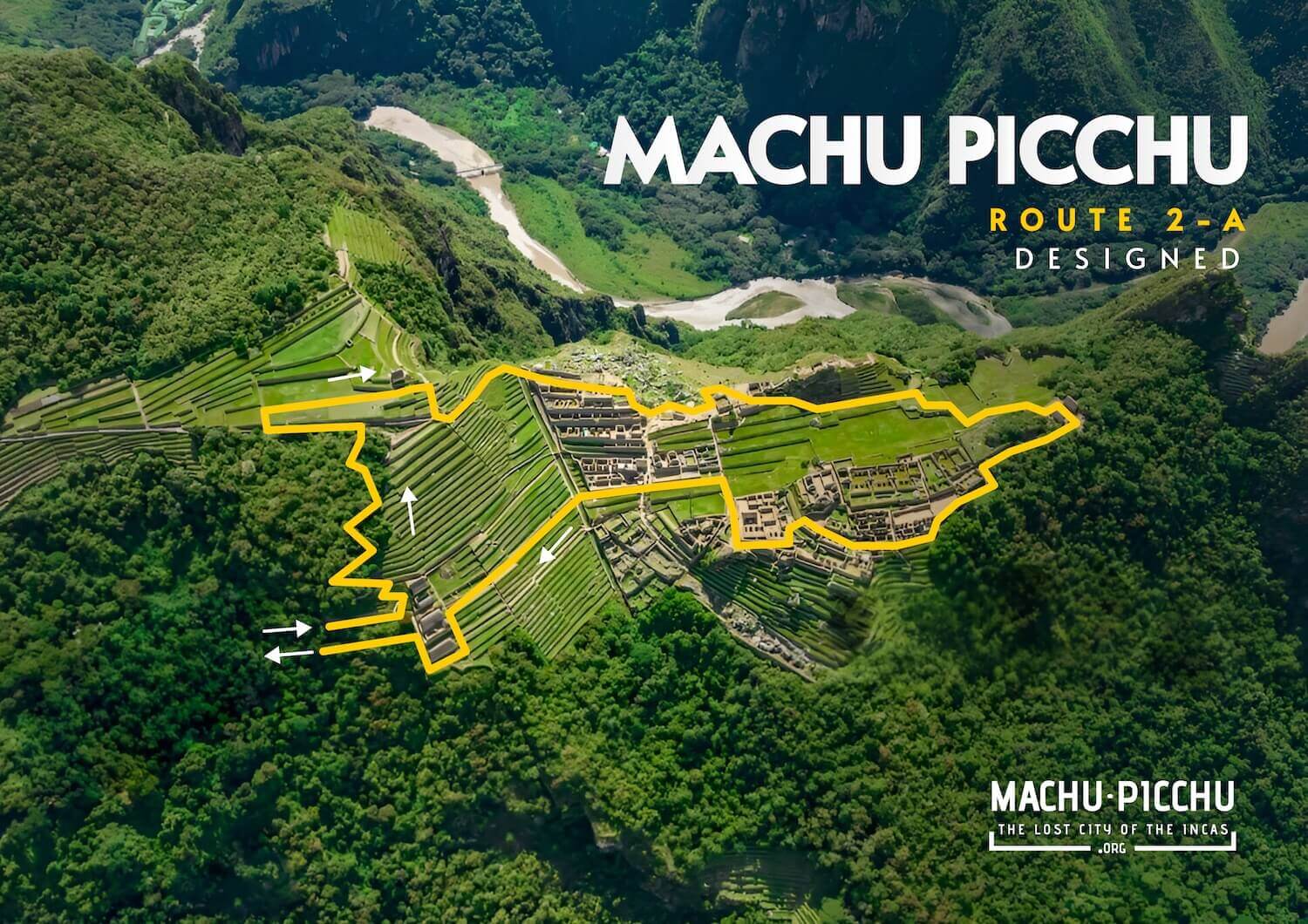
Circuit 2A, known as the “Designed Route,” is the traditional and most complete version of the classic circuit. It is often described as the route that best captures the essence of Machu Picchu—its spiritual geometry, engineering genius, and scenic splendor.
What the Route Covers
Circuit 2A begins near the Guardian’s House, where you can capture the quintessential postcard image of Machu Picchu. From there, the path descends into the urban core, guiding visitors past the agricultural terraces and into the main ceremonial and residential areas.
You’ll walk through:
- The Main Gate, which once controlled access to the sacred city.
- The Temple of the Sun, a semicircular tower built atop natural rock, used for solar worship and astronomical alignment.
- The Royal Residence, believed to be the quarters of the Inca emperor.
- The Main Plaza, an open space connecting the upper and lower sectors of the city.
- The Sacred Square, featuring the Temple of the Three Windows and Intihuatana Stone, where religious rituals and astronomical observations took place.
- The Sacred Rock, a massive carved stone shaped to mirror the mountain behind it.
Each stop reveals something new about Inca cosmology, architecture, and craftsmanship. The route’s design leads visitors in a gradual flow from the grand panoramic introduction to the more intimate exploration of sacred structures.
Experience and Atmosphere
Circuit 2A offers a sense of proximity and immersion. You walk among finely cut stone walls, narrow passageways, and open terraces, getting close to the most photographed monuments. Because the route flows through both the upper and lower sectors, you gain a full appreciation of the city’s organization—its division between ceremonial, residential, and agricultural zones.
The path is moderately paced, with stone steps and uneven ground, but suitable for most visitors with basic fitness. Expect to spend about 2.5 to 3 hours exploring, depending on your guide and photo stops.
Ideal For
Circuit 2A is perfect for visitors who:
- Want to explore the architectural and ceremonial heart of Machu Picchu.
- Prefer a more immersive and educational experience among the ruins.
- Value the classic Machu Picchu photo taken from the Guardian’s House.
- Enjoy walking at a steady pace through both upper and lower sections of the site.
In essence, Circuit 2A represents the most traditional, story-driven exploration of Machu Picchu, ideal for first-timers who want to feel part of the site rather than just view it from afar.
Circuit 2B: The Lower Terrace Route (Ruta Terraza Inferior)

Circuit 2B, or the “Lower Terrace Route,” follows a slightly different approach. While it includes nearly all the same sectors as 2A, its starting point and photographic perspective differ. This route begins from a lower terrace that offers a broader panoramic view of the citadel before descending into the core areas.
What the Route Covers
Circuit 2B also begins near the terraces but from a slightly different angle. Visitors typically start by walking along the Lower Agricultural Terraces, where the Inca used advanced drainage and irrigation techniques to cultivate crops on steep slopes. From there, the route continues to:
- The Panoramic Terrace Viewpoint, offering a wide, elevated view of Machu Picchu with Huayna Picchu in the distance.
- The Main Urban Sector, including the Main Plaza, Royal Residences, and Temple of the Sun.
- The Sacred Square, where you’ll see the Temple of the Three Windows, Intihuatana Stone, and Sacred Rock, much like in 2A.
- The Industrial Sector, with examples of Inca workshops and storage rooms.
Although 2B shares most landmarks with 2A, the journey emphasizes views and open perspectives rather than the up-close architectural immersion of 2A. The first half of the circuit allows for sweeping panoramas ideal for photography, while the second half transitions into the same sacred and residential areas as Circuit 2A.
Experience and Atmosphere
Circuit 2B feels slightly more spacious and scenic, with its broader terrace views and emphasis on panoramas. For many photographers, it offers the “postcard” shot of Machu Picchu from a slightly wider angle. Because of this, the route feels more visual and leisurely, ideal for travelers who want to savor the landscape and atmosphere rather than study the architecture in detail.
The total duration is similar—around 2.5 hours—but depending on your guide’s pacing, it may feel less intensive because of the smoother terrain and fewer elevation changes.
Ideal For
Circuit 2B is best suited for travelers who:
- Want a wider panoramic perspective of Machu Picchu for photography.
- Prefer a slightly gentler walking route with fewer steps.
- Are returning visitors who already know the ruins and wish to focus on landscape and photography.
- Value open views and sunlight rather than close-quarter architectural details.
Circuit 2B offers a more photography-oriented and scenic experience, without losing access to the main highlights of the citadel.
Key Differences Between Circuit 2A and 2B

While both circuits share about 90% of the same route, the starting viewpoint and overall feel differ enough to create unique experiences. Below is a deeper comparison of the main differences:
1. Viewpoint and Starting Location
- 2A: Begins near the Guardian’s House, the famous viewpoint for the classic, close-up shot of Machu Picchu. The ruins appear larger and more detailed, emphasizing architectural features.
- 2B: Starts from a lower terrace that provides a wider, panoramic photo of the citadel. It’s the iconic “postcard” perspective you often see in travel magazines.
2. Route Flow
- 2A: Leads directly from the panoramic view into the core of the city, taking visitors through narrow paths and stone corridors. It feels like a descent into the heart of the Inca world.
- 2B: Moves along open terraces first, offering more space for viewing and photography before merging with the same inner routes of 2A later on.
3. Atmosphere
- 2A: Immersive and historical, offering a sense of discovery as you walk through major temples and residences.
- 2B: Airy and relaxed, designed for those who want to absorb the scenery and take in the full layout of Machu Picchu at a glance.
4. Difficulty
Both circuits are considered moderate. However:
- 2A has more elevation change and stair climbing, as it transitions between upper and lower sectors.
- 2B is slightly smoother and may feel easier for visitors who prefer gentler walking.
5. Time Required
Both circuits typically take between 2.5 and 3 hours, depending on your guide and pace. However, 2B may feel shorter because the walking sections are broader and less steep.
6. Photography
- 2A: Best for close-up photos of temples and stonework; ideal for those who want detailed architectural shots.
- 2B: Best for wide-angle photography capturing the citadel’s entire layout and surrounding mountains.
7. Availability
Ticket availability can fluctuate. Circuit 2A tends to sell out faster due to its popularity and association with the “classic Machu Picchu photo.” If your preferred slot for 2A isn’t available, 2B offers nearly the same experience.
Choosing Between Circuit 2A and 2B: Which Is Better for You?
Deciding between Circuit 2A and Circuit 2B depends largely on what kind of experience you want. Both routes give access to the same historical landmarks, yet each emphasizes a slightly different perspective and feeling. Think of them as two versions of the same symphony—one intimate and detailed, the other broad and panoramic.
Let’s explore which type of traveler benefits most from each option.
Choose Circuit 2A if You Want the Classic Machu Picchu Experience
Circuit 2A offers the traditional flow through the ruins, the route that most travelers imagine when picturing Machu Picchu. It begins from the famous Guardian’s House viewpoint, offering the close-up, elevated perspective of the citadel that has graced countless postcards and documentaries. From there, the path winds through the heart of the ancient city—across terraces, ceremonial plazas, and temples that reveal the Inca’s architectural brilliance.
This route is ideal for:
- First-time visitors who want to see every major landmark.
- History and archaeology enthusiasts who prefer detailed explanations from a guide.
- Travelers who value immersive storytelling, as the flow from viewpoint to ruins mirrors how the Incas may have approached their sacred city.
- Visitors who want the famous “classic photo” close to the Guardian’s House.
Circuit 2A feels like stepping into a living museum. Every turn brings you face to face with symbolic structures, sacred altars, and engineering marvels carved directly into the mountain. It’s the definitive “Machupicchu experience.”
Choose Circuit 2B if You Want Stunning Panoramas and a Relaxed Flow
Circuit 2B follows a slightly lower route, focusing more on broad, open views and spacious terraces. Instead of immediately descending into the ruins, it allows you to take in the full grandeur of Machu Picchu and its mountain surroundings before exploring the city’s interior. This makes 2B particularly appealing for travelers who want to photograph or simply absorb the immensity of the site without rushing.
This route is ideal for:
- Photography enthusiasts looking for the best panoramic angles.
- Visitors returning to Machu Picchu, who already know the ruins and now want to appreciate the scenery.
- Travelers seeking a smoother, less steep walk, with plenty of stops for photos and rest.
- Those visiting in peak hours, since the terraces are more open and less crowded.
In essence, Circuit 2B is about appreciation rather than exploration—a contemplative experience that showcases Machu Picchu as a whole, rather than focusing solely on its individual structures.
If You’re Torn Between the Two
If you find yourself unable to decide, remember this: both circuits lead to the same sacred spaces and main attractions. The biggest distinction lies in the order of exploration and the angle from which you see the citadel first.
If photography is your top priority, Circuit 2B may give you the broader framing you need. If history and narrative matter more, Circuit 2A offers a deeper and more connected flow through the ruins.
If you’re visiting Machu Picchu only once, opt for Circuit 2A—it’s the most iconic and complete experience. But if you’re lucky enough to visit more than once, doing 2B on a second trip offers a refreshing, panoramic perspective that feels entirely new.
Practical Travel Tips for Both Circuits
Whether you choose Circuit 2A or 2B, proper preparation will make your visit far more comfortable, enjoyable, and memorable. Machu Picchu is located in a mountainous tropical region, meaning weather, altitude, and crowd flow can affect your experience. Below are key tips to help you get the most out of your visit.
1. Book Early
Tickets for Machu Picchu—especially for Circuit 2—often sell out weeks or even months in advance during peak season (May through October).
When booking, make sure you:
- Select the correct circuit (2A or 2B) and time slot.
- Double-check the name and passport number—tickets are non-transferable.
- If possible, buy your ticket through official or authorized sources to avoid confusion or fraud.
Booking early gives you more flexibility to choose your preferred circuit and visiting time.
2. Best Time to Visit
- Early morning (6:00–8:00 a.m.): Magical soft light, cooler temperatures, and fewer tourists. Perfect for photography.
- Late afternoon (2:00–4:00 p.m.): Warmer golden light and calmer atmosphere after the midday crowds.
- Midday (10:00–1:00 p.m.): Bright lighting, but also the busiest period. Expect more people on narrow paths.
Both 2A and 2B are most enjoyable in early or late slots when visibility is clear and the site feels more tranquil.
Read: Best time to visit to Machu Picchu.
3. Dress and Gear
Wear light, breathable clothing with layers, since mornings can be cool but temperatures rise quickly.
Bring:
- Comfortable walking shoes with good grip (the stone paths can be slippery).
- A hat, sunglasses, and sunscreen for UV protection.
- A lightweight rain poncho or jacket, especially between November and March (rainy season).
- A reusable water bottle (single-use plastics are not allowed).
- A small backpack for essentials, as large bags are prohibited.
4. Guided vs. Self-Guided
Hiring a certified guide is highly recommended for Circuit 2A and 2B. Guides not only explain the architectural and cultural details but also manage timing and route flow, ensuring you don’t miss key viewpoints.
If you prefer to explore alone, consider studying a detailed map beforehand so you understand the sequence of landmarks—once you pass a section, you cannot return due to the one-way system.
5. Respect the Rules
Machu Picchu is a UNESCO World Heritage site and a fragile archaeological zone. To protect it:
- Stay within marked paths.
- Avoid touching or leaning on ancient walls.
- Do not bring tripods, drones, or trekking poles with metal tips.
- Food is not permitted inside the site; snacks must be consumed outside the main area.
- Be mindful of time—each circuit has a fixed direction and must be completed within your entry window.
Photography Tips: Capturing the Magic of Machu Picchu
Both circuits offer extraordinary photo opportunities, but understanding how light, angle, and perspective vary will help you make the most of each.
For Circuit 2A
- The Guardian’s House viewpoint gives the classic close-up of the ruins with Huayna Picchu rising behind. Visit early morning to capture soft light and mist hovering above the terraces.
- As you move through the Temple of the Sun and Main Plaza, focus on stone symmetry, shadows, and the way sunlight interacts with the granite walls.
- Use a medium focal length (35–50mm) for balanced compositions of architecture and background.
- Experiment with black-and-white photography to highlight texture and craftsmanship.
For Circuit 2B
- The Lower Terrace offers a panoramic composition ideal for wide-angle lenses (16–24mm). You can capture both Machu Picchu and its surrounding peaks.
- Morning light illuminates the citadel from the east, while afternoon golden light enhances the western terraces.
- If clouds drift through, embrace them—they add drama and depth to your photos.
- Bring a microfiber cloth for lens cleaning; the humidity can create condensation.
General Photography Advice
- Avoid tripods (they’re not allowed). Instead, use steady breathing and a wide aperture for hand-held shots.
- Turn off flash—it distracts others and has no effect in daylight.
- Respect other visitors’ space at viewpoints.
- Capture details as well as landscapes: Inca stone joints, carved steps, and water channels all tell stories of ancient precision.
Additional Tips for a Smooth Visit
1. Acclimatize Beforehand
Machu Picchu sits at around 2,430 meters (7,970 feet), but nearby Cusco—where most visitors arrive first—is even higher (3,400 meters). Spend at least two days in Cusco or the Sacred Valley before visiting to acclimatize and reduce the risk of altitude discomfort.
2. Stay Overnight in Aguas Calientes
Aguas Calientes (also called Machu Picchu Pueblo) is the gateway town to the site. Staying here allows you to catch the earliest buses to the entrance and enjoy Machu Picchu in the peaceful morning hours before crowds arrive.
3. Mind the Weather
- Dry Season (April–October): Best for clear skies and stable weather.
- Rainy Season (November–March): Expect clouds, mist, and occasional showers, but fewer crowds and lush green landscapes.
Bring a small waterproof bag for electronics regardless of the season.
4. Respect the Spiritual Significance
For the Inca, Machu Picchu wasn’t merely a city—it was a sacred space aligned with the sun, stars, and mountains. As you walk the circuits, take time to pause and appreciate the silence, energy, and harmony of the place. The experience becomes more meaningful when approached with respect and mindfulness.
Insider Insights: Understanding the Inca Vision Behind the Routes
Both Circuit 2A and 2B follow paths inspired by Inca spatial logic, which reflects their cosmic worldview. The Incas designed Machu Picchu according to three symbolic realms:
- Hanan Pacha – the upper world of gods and celestial beings, represented by the high temples and upper terraces.
- Kay Pacha – the earthly realm of humans, symbolized by the main plazas and residential sectors.
- Uku Pacha – the inner or underworld, mirrored in caves, tombs, and subterranean temples.
Circuit 2A, by starting higher and descending into the core of the city, mirrors this cosmological descent—from the divine heights to the human world. Circuit 2B, beginning from a lower terrace and revealing the entire citadel at once, symbolizes a broader view of harmony between all three realms.
Understanding this helps visitors appreciate the intentional flow of the circuits. You’re not just walking through ruins; you’re following a spiritual path once designed to connect the earthly with the divine.
Common Misunderstandings About Circuit 2A vs 2B
Because the Peruvian government occasionally adjusts the routes to manage conservation, confusion often arises online about which circuit offers the “classic view.” To clarify:
- Both 2A and 2B offer panoramic photos of Machu Picchu. The difference is the angle and proximity.
- 2A tends to bring you closer to the ruins, while 2B gives a wider and higher perspective.
- The rest of the route—the temples, plazas, and sacred stones—is virtually identical for both circuits.
Some travelers mistakenly believe one circuit is “better” or “longer,” but in practice, they complement each other. The difference is mostly experiential, not structural.
Sustainability and Conservation
Every step you take on these circuits passes through centuries of history and delicate ecological balance. The circuit system was created to reduce wear and tear on the most fragile structures while allowing people worldwide to appreciate this wonder responsibly.
When you visit, you’re participating in a shared responsibility—preserving the site for future generations. Walking lightly, following marked paths, and minimizing waste are small actions that make a big difference.
Choosing Circuit 2A or 2B doesn’t just affect your experience—it contributes to the sustainable management of one of the world’s greatest archaeological treasures.
Final
Whether you choose Circuit 2A or 2B, your journey through Machu Picchu will be unforgettable. Both circuits immerse you in the breathtaking beauty of the Andes, the ingenuity of Inca architecture, and the mysterious spiritual energy that defines this lost city.
- Circuit 2A is for those who seek immersion, history, and the traditional Machu Picchu flow—ideal for first-timers.
- Circuit 2B is for those who crave panoramic views, open spaces, and a more relaxed rhythm—perfect for photographers or repeat visitors.
No matter which you select, you’ll walk the same sacred stones, breathe the same mountain air, and stand in awe at one of humanity’s most extraordinary achievements.
The real secret is not in choosing the “better” circuit, but in taking the time to slow down, observe, and feel the presence of the Inca civilization that once thrived here. Each circuit—2A or 2B—is a path through history, nature, and spirit, guiding you to experience Machu Picchu not only as a destination but as a profound encounter with the past.
Follow us on Instagram @machupicchu.mp for more info and see photos and videos about us.