 English
 Spanish
 Portuguese
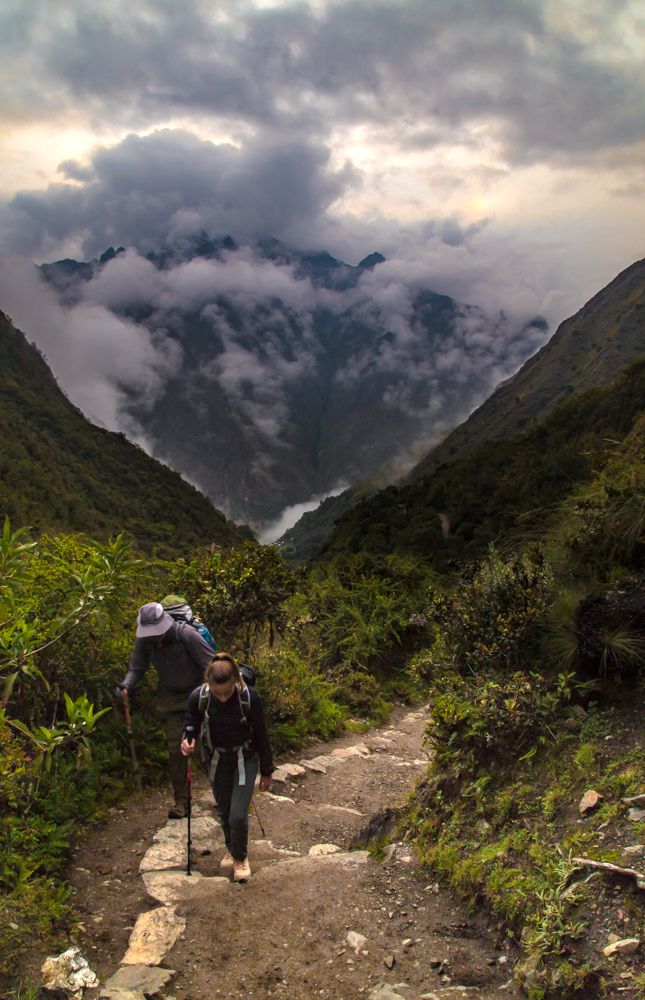

The Inca Trail is considered one of the most iconic trekking routes in the world, leading adventurers through ancient stone paths, cloud forests, high mountain passes, and eventually into the legendary citadel of Machu Picchu. Along this journey, travelers find endless opportunities for photography—moments that capture history, mystery, landscape, culture, and emotion in a single frame. For many hikers, collecting inca trail pictures becomes an essential part of the experience, helping them preserve the magic long after the trek ends.
This guide explores everything you need to know about photographing the Inca Trail: the best viewpoints, ideal times of day, weather considerations, gear recommendations, and tips to create breathtaking images that tell the story of your adventure. Each section includes practical insights to help you return home with a visual collection that truly reflects the spirit of this legendary route.
Why the Inca Trail Is a Photographer’s Dream

The natural and cultural richness of the Inca Trail makes it a dream destination for photographers. The trail passes through diverse ecosystems, from lush cloud forests to rocky Andean passes, each offering unique photographic opportunities. Ancient ruins appear unexpectedly along the way, surrounded by vegetation and dramatic landscapes that enhance their mystical atmosphere.
Unlike many tourist destinations, the Inca Trail offers a sense of isolation and authenticity. As you walk along pathways built more than 500 years ago, the scenery continuously shifts, providing new angles, colors, and lighting conditions. This variety makes inca trail pictures stand out from typical travel photos. Every step reveals a new story, whether it’s a distant peak, an Inca terrace bathed in morning light, or a llama grazing peacefully on a cliffside.
For many travelers, the most powerful images are the ones that combine human emotion with natural beauty. The moments of exhaustion, triumph, and awe reflect not just the place but the personal journey behind every shot.
Understanding the Four-Day Route Through a Photographer’s Lens

The classic four-day trek offers different opportunities each day, and understanding the route helps photographers plan their shots strategically.
The first day features gentle terrain, small villages, and views of the Vilcanota mountain range. This section is ideal for capturing portraits of local life, agricultural landscapes, and the excitement of starting the journey. Morning and late afternoon light creates warm, soft images that highlight the earthy tones of the Andes.
The Challenge of Dead Woman’s Pass
The climb to Dead Woman’s Pass is the hardest part of the trek, but the views are spectacular. The altitude, dramatic slopes, and vast landscapes create opportunities for powerful images. Trekkers often capture raw emotion here—determination, fatigue, and pride. Fog is common, adding a mystical, cinematic quality to photos.
Ruins, Forests, and Ancient Paths
This day offers the richest variety for inca trail pictures. You’ll encounter impressive archaeological sites like Runkurakay, Sayacmarca, and Phuyupatamarca. The trail becomes greener and more magical, with suspended bridges, orchids, moss-covered stones, and cloud formations perfect for photography.
The First Glimpse of Machu Picchu
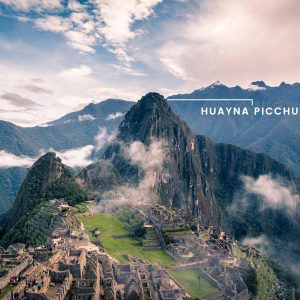
Reaching the Sun Gate at sunrise is one of the most anticipated photo moments of the entire trek. The first rays of sunlight illuminating Machu Picchu create a breathtaking, unforgettable scene. This moment alone inspires thousands of photographers to walk the trail every year.
Each day brings different lighting, angles, and perspectives, making every part of the trek essential to a complete photographic story.
Best Photo Spots Along the Inca Trail
Several locations along the trail are particularly famous for producing stunning images, and knowing where they are helps you plan ahead.
Llaqtapata

This archaeological site appears early in the trek. Its terraces, stone structures, and natural surroundings make it perfect for wide landscape shots, especially during golden hour.
Dead Woman’s Pass

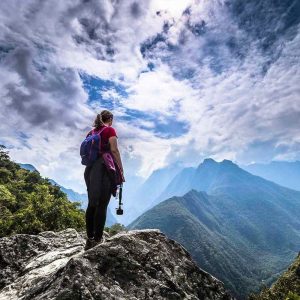
The pass offers panoramic views that highlight the vastness of the Andes. Photographers often capture scale here—tiny hikers against massive mountain walls.
Runkurakay

With its circular structure and foggy surroundings, Runkurakay feels like a portal to the past. Clouds often drift across the ruins, creating magical photo opportunities.
Sayacmarca

One of the most photogenic ruins on the trail, Sayacmarca sits on a natural cliff. Photos here combine stone architecture with dramatic drops and lush mountain scenery.
Phuyupatamarca

Known as “the town above the clouds,” this site offers incredible morning shots. Sunlight often breaks through the clouds, creating beams of light around the ruins.
Wiñay Wayna

With terraces, waterfalls, flowers, and steep stone steps, Wiñay Wayna is a paradise for photographers. Many hikers say it’s even more beautiful than Machu Picchu.
The Sun Gate

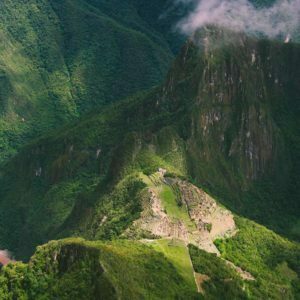
Perhaps the most iconic viewpoint of all. Here, hikers capture their first view of Machu Picchu—an emotional, unforgettable moment that defines many inca trail pictures.
Lighting and Weather, Working With Nature on the Trail
Weather plays a crucial role in the quality and style of your photographs. The trail’s high altitude and varied ecosystems mean lighting can change dramatically within minutes.
Morning hours often bring soft, diffused light perfect for landscape photography. Fog adds atmosphere, especially around ruins. Midday sun is strong and creates harsh shadows, but it also enhances the vivid greens of the cloud forest. Late afternoon offers warm tones ideal for portraits and warm panoramas.
Weather conditions can shift quickly—from sunshine to mist to rain—but this unpredictability is an advantage for photographers. Dramatic skies, cloud movement, and rain-soaked stones create dynamic compositions that make your images stand out.
5. Why Inca Trail Pictures Matter for Hikers
inca trail pictures are more than simple snapshots—they are powerful visual memories that capture one of the world’s most iconic trekking routes. For many travelers, the Inca Trail represents years of dreaming, saving, and planning. Photographs taken during the hike help preserve every moment of that journey, from the first steps in the Sacred Valley to the dramatic sunrise at Machu Picchu.
Images also help tell the emotional story of the trek. The exhaustion of steep ascents, the joy of reaching Dead Woman’s Pass, the peaceful silence of ancient ruins, and the awe of walking paths carved by the Incas become tangible when seen through photos. These visuals allow hikers to relive the experience long after returning home.
Furthermore, pictures help future travelers understand what to expect. Seeing real trail conditions, real people on the route, and real landscapes guides them in choosing the best season, preparing gear, and managing their expectations. In this sense, inca trail pictures serve both as personal memories and practical travel tools.
6. Classic Angles That Best Represent the Trail
Some viewpoints along the trail are famous for producing amazing inca trail pictures. These angles are ideal for showcasing the trail’s dramatic scenery and capturing its essence. One of the most iconic points is the view of the Andean mountains from Llactapata, where the ruins blend beautifully with terraces and green valleys.
Another popular angle is from the top of Dead Woman’s Pass. This viewpoint gives hikers a sweeping panorama of rugged peaks, winding paths, and dramatic altitude drops. Photos taken here often highlight the strength and perseverance of hikers who conquer the challenge.
Phuyupatamarca, also called “the Town Above the Clouds,” offers ethereal cloud-forest images where the ruins appear suspended in mist. This creates surreal shots unlike any other section of the trail. And of course, the classic first view of Machu Picchu from the Sun Gate remains one of the most recognized angles in the world. Every traveler dreams of capturing that moment.
7. Landscapes Along the Inca Trail Worth Photographing
The Inca Trail crosses diverse ecosystems, giving travelers endless opportunities to capture breathtaking landscapes. Your collection of inca trail pictures will naturally include mountain peaks, dense forests, high-altitude passes, and ancient ruins. Each day brings new scenery that feels completely different from the last.
The first section features lush valleys and fertile farmland. The trail then transitions into steep mountain terrain, where the air thins and the temperature drops. This is where dramatic shots of winding stone paths and high peaks dominate the landscape.
As trekkers descend into the cloud forest, the shift is striking. Moss-covered stones, giant ferns, orchids, and waterfalls create a magical and mysterious environment. Photos taken in this section often look like scenes from a fantasy story.
Toward the end of the trail, the landscape opens to panoramic views of the Andes and thick forests that frame ancient archaeological sites. Each ecosystem along the journey adds depth and variety to the photo collection.
8. Capturing the Hidden Ruins and Archaeological Gems
One of the best reasons to take inca trail pictures is the chance to photograph archaeological sites that can only be reached by foot. These ruins are quieter and less crowded than Machu Picchu, offering incredible opportunities for photography.
Wiñay Wayna is one of the most impressive. This stunning hillside ruin has terraces that cascade down the mountain, creating symmetry that looks beautiful on camera. Morning or late-afternoon shots are ideal for capturing shadows that highlight the architectural details.
Runkurakay, with its circular structure overlooking a vast valley, is perfect for wide-angle shots. Its shape and position allow for creative compositions that combine both architecture and nature.
Intipata, a lesser-known ruin, offers striking terrace views. The terraces stretch across the mountain and catch the golden light of the evening—an excellent time for photography. Each of these sites adds depth and historical context to your photo journey.
9. Wildlife and Flora, Bringing Life to Your Inca Trail Pictures
The Inca Trail is not only about mountains and ruins—its biodiversity adds a dynamic element to your photo collection. Capturing the trail’s wildlife and plant life can give your inca trail pictures a vivid and organic dimension that complements the scenic landscapes.
Along the route, hikers may spot llamas grazing on high-altitude grasslands, hummingbirds feeding on flowers, and foxes wandering near archaeological sites. These moments are unpredictable, so keeping your camera ready is essential. Wildlife photos also give viewers a sense of the ecosystem’s vitality.
The flora along the trail is just as photogenic. The cloud forest is particularly rich, with orchids, bromeliads, and mosses covering ancient stone paths. Small details—such as dew on a leaf or the textures of tree bark—can add variety and intimacy to your visual narrative. These natural elements help create a complete representation of the trail.
10. The Best Seasons for Inca Trail Photography
The Andes experience two main seasons—dry and wet—which significantly influence inca trail pictures. The dry season, from May to September, is the most popular for trekking because skies are clear and visibility is excellent. This season offers crisp views of mountain peaks, ruins, and landscapes.
Sunrises and sunsets during the dry season can produce warm tones and soft shadows that enhance photos of ruins and valleys. However, because it is the busiest season, some viewpoints may have more hikers, making it harder to capture isolated shots.
The wet season, from November to March, brings vibrant greenery and dramatic clouds. Landscapes look more saturated, and waterfalls are fuller. Misty mornings create atmospheric shots, especially around the cloud forest and high passes. While rain can make the trek more challenging, it also adds depth and emotion to photos.
Choosing your trekking season depends on the style of photography you prefer—clear views or mystical, dramatic landscapes.
11. Weather Challenges and How to Handle Them
Taking great inca trail pictures requires adapting to changing weather conditions. The trail’s altitude and geography make the climate unpredictable. Photographers should be prepared for intense sunlight, cold winds, sudden storms, and thick fog.
Carrying protective gear is essential. A lightweight rain cover for your backpack and a waterproof sleeve for your camera can prevent damage. Fog and mist can add beauty to your photos, but they also reduce visibility. To counter this, try adjusting angles to capture silhouettes or adding foreground elements like stones or vegetation to maintain depth.
Bright sunlight is another challenge. Midday shots can appear harsh, especially on stone surfaces. Using natural shade or waiting for clouds to diffuse light can help soften textures and improve contrast.
Learning to work with unpredictable conditions instead of against them will elevate your inca trail pictures significantly.
12. Finding the Best Time of Day to Shoot
Choosing the right time of day can transform your inca trail pictures. Early morning and late afternoon are ideal because the sun is low, creating warm tones and long shadows that highlight textures.
During the morning, mist often lingers over the mountains, giving your photos a mystical quality. This is especially beautiful near archaeological sites like Runkurakay and Phuyupatamarca. Soft lighting during the golden hour can enhance ruins and landscapes, making them appear more dramatic and inviting.
Midday, while less favorable, can still produce good shots if you focus on shaded areas or close-up details of flora and architecture. Reflections in water or clouds passing over peaks also work well during these hours.
Sunset is magical from the Sun Gate or Intipata, where ruins and terraces glow in golden light. Planning your daily route to reach photogenic spots at optimal times can significantly improve your overall photo collection.
13. Types of Shots to Capture Along the Trail
To build a rich and diverse gallery of inca trail pictures, it helps to plan the types of shots you want to capture. The trail offers a mix of landscapes, portraits, close-ups, and action scenes—all of which contribute to a complete photographic story.
Landscape shots highlight the grandeur of the Andes. Wide-angle images from high passes or ridge trails can create dramatic scenes showcasing valleys, cliffs, and sky patterns. Adding a hiker to the frame can convey scale and emphasize the immensity of the surroundings.
Portraits add humanity to your photo collection. Whether capturing fellow hikers, local porters, or artisans near the trailhead, portraits reveal expressions, emotions, and cultural elements. Natural lighting in the early morning or late afternoon makes these shots especially compelling.
Close-up and detail shots can give your gallery texture. Photographing stone carvings, Inca stairways, woven textiles, or native plants reveals the craftsmanship and richness of the environment. These images are crucial for adding depth to your story.
Action shots—like hikers ascending steep steps, crossing bridges, or approaching ruins—bring energy and movement. Together, these varied angles and subjects create a dynamic narrative that reflects the true experience of the trail.
14. Whether You Need a Professional Camera or Smartphone
Many travelers wonder if they need professional gear to capture great inca trail pictures. The answer depends on your goals, but modern smartphones can produce excellent results. High-end phone cameras have advanced sensors, stabilization, and software that perform well in both bright and low-light conditions.
Smartphones are lightweight, easy to carry, and quick to use—perfect for capturing spontaneous moments. Wide-angle modes help frame landscapes, while portrait modes add depth to close-up shots.
Professional cameras, however, offer more flexibility. DSLRs and mirrorless cameras provide superior dynamic range, interchangeable lenses, and better performance in low light. They are ideal for photographers who want the highest-quality images or who plan to print large photos.
Ultimately, choose equipment based on comfort and preference. Some hikers prefer minimal weight and simplicity, while others are willing to carry heavier gear for enhanced creative control.
15. Accessories That Improve Inca Trail Photography
A few carefully selected accessories can elevate your inca trail pictures without adding too much weight to your pack. A lightweight tripod helps stabilize your camera during low-light conditions, sunrise shots, or long exposures of waterfalls and starry skies.
Lens filters, particularly UV and polarizing filters, protect your lenses and enhance your images. A polarizing filter, for instance, can reduce glare, deepen blue skies, and bring out richer colors in vegetation and stone surfaces.
Extra batteries are essential because cold temperatures drain power quickly. Carry at least two or three fully charged spares. A microfiber cloth is also useful for keeping lenses clean from dust, mist, or rain.
A small external light or compact LED panel can improve portraits or close-up shots taken in shaded or nighttime areas. Even minimal tools can significantly improve your results.
16. The Cultural Dimension, People You Can Photograph
The Inca Trail is not only a journey through nature—it’s also a cultural path. Along the way, you’ll encounter porters, guides, and local communities who make the trek possible. Photographing them respectfully can enrich your inca trail pictures with authentic human stories.
Porters are known for their incredible strength and endurance. Capturing them preparing camp, carrying equipment, or interacting with hikers adds a meaningful layer to your visual narrative. Always ask for permission before taking close-up shots, especially when focusing on faces.
You may also meet families living in small Andean settlements near the trail. Their traditional clothing, textiles, and daily activities make for compelling images. Being polite and offering gratitude helps create a positive exchange.
These cultural moments connect viewers to the spirit of the trail and highlight the human presence behind the ancient route.
Discover With Us
Your journey doesn’t have to end once you finish exploring these inca trail pictures. There is so much more to learn, see, and experience across the Andes, and we are here to guide you every step of the way.
Join us as we share real trail moments, photography tips, cultural insights, and breathtaking destinations throughout Peru. If this guide inspired you, imagine what you’ll discover next by staying connected with our community.
We post weekly highlights, behind-the-scenes adventures, and practical advice for travelers who want to explore deeper and capture unforgettable images.
Follow us on Instagram and discover even more with us.