 English
 Spanish
 Portuguese

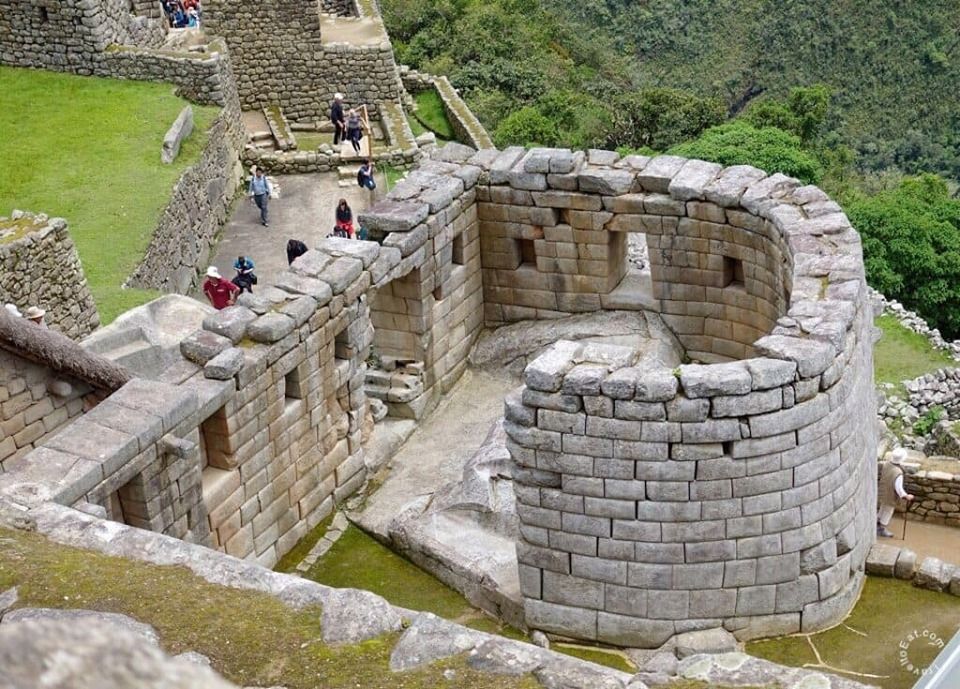

The temple of the moon machu picchu is one of the least visited yet most sacred sites in the Machu Picchu sanctuary. While the main citadel attracts thousands of visitors each day, this hidden ceremonial cave lies quietly beneath the northern slope of Huayna Picchu. It remains shrouded in mystery, solitude, and spiritual power.
Unlike the grand stone temples on the main circuit, this temple doesn’t aim to impress with height or scale. Instead, it invites silence and introspection. Carved directly into a natural cave, the site reflects the Inca’s spiritual connection with the earth, moon, and underworld. This guide offers a deep look into the temple’s design, purpose, and how to access it today.
Why the Temple Is So Important
In Inca cosmology, not all sacred spaces looked the same. Some temples were open to the sky, used for sun worship and political ceremony. Others, like the temple of the moon machu picchu, were enclosed and shadowed. These spaces connected the living with the spirits of the past.
Caves represented more than just shelter. They symbolized portals to Uku Pacha—the spiritual underworld. Placing a temple in such a location wasn’t accidental. It reflected a belief that sacred energy moved through the landscape, especially at natural thresholds like caves.
What makes this temple unique is how it blends untouched rock with precise Inca craftsmanship. Instead of building over nature, the Incas shaped nature into sacred form. For that reason, this site feels alive—its silence speaks louder than stone.
The Exact Location and Access

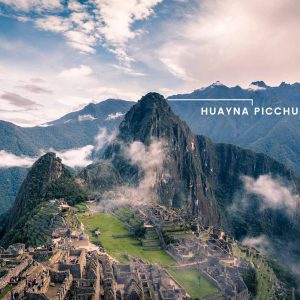
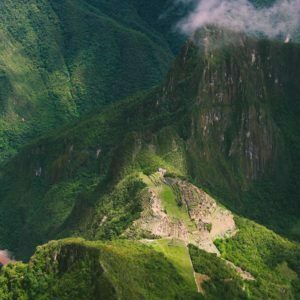
The temple lies on the far side of Huayna Picchu, the sharp peak behind the Machu Picchu citadel. To visit it, you need a special permit for the Huayna Picchu hike. But not all trails lead there. You must choose the extended route, which includes a descent to the temple.
After reaching the summit of Huayna Picchu, a lesser-used trail branches down into the forest. The path includes stone staircases, tunnels, and narrow passages. It can feel demanding, especially in humid weather. However, the journey is part of the experience—it feels more like a pilgrimage than a tourist route.
Because of limited access, only a small number of people reach the temple each day. This helps preserve its tranquility. If you’re looking for a space that still holds its sacred silence, this is the place.
Architectural Genius Blended with Nature

The temple of the moon machu picchu is a remarkable example of how the Incas merged sacred meaning with natural form. Instead of imposing a building onto the landscape, they enhanced the existing cave with refined stonework. The result is a seamless fusion of nature and architecture.
Inside the cave, the Incas added platforms, niches, and small altars. These elements weren’t decorative. Each one served a specific ritual function. Offerings may have been placed in the niches. Ceremonial tools or sacred relics likely sat on the platforms. Even today, the alignment of these features suggests intentional design for lunar rituals or spiritual transition.
Outside, a stone terrace surrounds the temple’s entrance. This space may have hosted pre-ritual preparations or purification ceremonies. The view from here opens toward the Urubamba Valley, reminding visitors of the temple’s deep relationship with the surrounding mountains.
Rituals of Shadow and Light

Unlike temples dedicated to the sun, which use open courtyards and direct light, this site embraces the moon’s soft glow and mystery. The temple of the moon machu picchu may have aligned with specific lunar phases. Moonlight filtering into the cave at certain angles could have marked special nights for offerings or meditation.
Andean rituals weren’t only about what you could see—they were about what you could feel. The cave’s cool air, dim light, and enclosed energy created a sacred atmosphere. That sensory experience likely amplified the spiritual intensity of each ceremony.
Darkness was not feared. It represented the unknown, the subconscious, and transformation. Within these walls, Inca priests may have conducted ceremonies related to death, rebirth, and the journey to the spirit world.
Who Used the Temple?
The temple was not meant for everyone. Unlike the main citadel where officials, farmers, and visitors mingled, the temple of the moon machu picchu served a specific group: the Inca priesthood, astronomers, and high-ranking nobles.
Because of its symbolic location and limited access, the temple likely hosted private rituals. These may have included offerings to Mama Killa—the moon goddess—or rites of passage for spiritual leaders. Some scholars suggest the temple played a role in preparing the dead for burial or receiving messages from the underworld.
Nothing in the structure indicates casual use. Every corner suggests ritual purpose. The effort it takes to reach the temple mirrors the exclusivity of those who once used it.
Spiritual Alignment with the Landscape
The temple does not exist in isolation. Its design considers the surrounding geography and cosmology. The Incas viewed mountains as living beings, known as apus, which protected and guided communities. The temple’s cave faces several key peaks, creating a natural alignment between structure and spirit.
The Inca belief system was deeply animistic. Rocks, rivers, and ridges were all part of a living network. When the Incas built the temple of the moon machu picchu, they didn’t just carve stone—they activated energy. The placement of the temple allowed it to function as a spiritual receiver, tuned to both earthly and celestial forces.
The Moon’s Role in Andean Belief

The Incas viewed the moon not just as a celestial body but as a living goddess named Mama Killa. She was the sister-wife of the sun god Inti and ruled over time, fertility, water, and the night. Her cycles influenced planting, harvesting, and religious ceremonies. Therefore, lunar worship was essential for the spiritual and agricultural calendars.
Temples dedicated to the moon were often quieter, more introspective spaces. While sun temples hosted public celebrations and imperial rituals, moon temples emphasized mystery, reflection, and feminine energy. The temple of the moon machu picchu fits this pattern perfectly. Its enclosed form, shadowy interior, and remote location reinforce its lunar identity.
The timing of rituals here likely followed the lunar calendar. Full moons, eclipses, or solstices may have marked key events for offerings. The dim cave setting would have enhanced the emotional and spiritual intensity of these ceremonies.
Comparison with Other Moon Temples
The temple of the moon machu picchu is not the only lunar sanctuary in the Andes. Near Cusco, there’s another Temple of the Moon carved into natural rock above Sacsayhuamán. It shares similar features: altars inside caves, niches, and ceremonial platforms. These similarities suggest a consistent ritual pattern across the Inca Empire.
Further south, on the Isla de la Luna in Lake Titicaca, ruins reveal another sacred site dedicated to Mama Killa. There, Inca women known as the “chosen ones” or Acllas conducted rituals in her honor. These women were trained in astronomy, ceremony, and the production of sacred goods.
What sets the temple of the moon machu picchu apart is its preservation and mystique. Hidden beneath Huayna Picchu and accessible only to determined hikers, it has avoided the damage caused by mass tourism. This helps maintain its original atmosphere—a space still surrounded by nature and silence.
The Modern Experience, What Visitors Say
Those who make the journey to the temple often describe it as the most spiritual part of their trip. Unlike the main city ruins, which can feel crowded and rushed, this cave-temple offers a pause. It allows you to connect deeply—with the past, the land, and yourself.
Some visitors report a profound sense of peace upon entering the temple. Others mention a shift in energy or emotion as they descend the forest path and arrive at the stone entrance. Whether or not you believe in the metaphysical, the experience is undeniably powerful.
Because of its hidden nature, many travelers never hear about this place until after their visit. That’s why planning ahead is key. If you’re interested in sacred spaces, spiritual history, or simply want a quiet moment away from the crowds, this temple belongs on your itinerary.
Challenges of Preservation
Because of its remote location and natural setting, the temple of the moon machu picchu has remained largely intact. However, it faces several preservation challenges. Humidity from the cloud forest accelerates moss growth and weakens some of the surrounding stone. Erosion, landslides, and natural decay also pose ongoing threats.
In response, park authorities monitor the site closely. Access to the trail is sometimes restricted during rainy months to prevent accidents and reduce pressure on the fragile path. While this limits visitor numbers, it helps maintain the sacred silence that defines the temple.
Tour guides and cultural organizations often remind hikers to tread lightly, take only photos, and leave no trace. These small actions protect not only the physical space but also its spiritual legacy.
Visitor Tips and Practical Info
If you’re planning to visit the temple of the moon machu picchu, preparation is key. Here are some tips to help you get the most from your experience:
- Book early: You’ll need a special Huayna Picchu permit, and not all routes include access to the temple. Select the extended trail option when reserving.
- Start your hike early: The full round trip to the temple and back takes at least 3 to 4 hours. Starting in the morning gives you time to hike without rushing.
- Bring only essentials: Wear comfortable hiking shoes. Bring water, a light snack, sunscreen, and a rain poncho. Heavy backpacks are discouraged.
- Be respectful: This isn’t just another photo stop. Treat it as a sacred space. Lower your voice, follow the path, and avoid touching the stonework.
- Hike mindfully: The path is narrow, steep, and in some places slippery. Take your time, and enjoy the journey as much as the destination.
Conclusion, More Than a Temple, a Portal
The temple of the moon machu picchu is not famous like the Intihuatana or the Temple of the Sun—but its power runs deeper. This cave-temple represents the Inca belief in nature as sacred, time as cyclical, and space as spiritually alive. Everything about it—from its darkness to its silence—invites reflection.
Reaching the temple is not easy, and that’s part of its purpose. It’s meant to be a journey, not just a visit. Each step down the mountainside leads you further away from the surface world and deeper into the sacred unknown.
For those who make it, the reward is profound. It’s not just a structure—it’s a space where stone holds memory, where shadow carries meaning, and where the moon still watches in silence.
Discover With Us
At machu-picchu, we believe in slow travel and sacred spaces. We guide conscious travelers to the hidden wonders of the Andes, where nature, history, and spirit converge.
Want to visit the temple of the moon machu picchu with expert insight and respect? Let us lead the way.
Follow Us on Instagram
Follow us on @machupicchu.mp for stories, tips, and inspiration from sacred places like Machu Picchu, Cusco, and beyond.
Join a community that values deeper journeys—not just destinations.