 English
 Spanish
 Portuguese

Understanding where does the inca trail end is essential for every traveler preparing to walk the most iconic route in Peru. Many visitors imagine only the famous stone path and the ruins scattered along the mountains. Yet they overlook the deeper meaning of the journey’s end and its cultural weight. Exploring this question opens the door to a richer experience, where history, landscape, and personal achievement blend in a single moment. This guide explains the route, context, and purpose behind the final destination. It also helps hikers prepare for the physical and emotional impact of arriving at the legendary site.
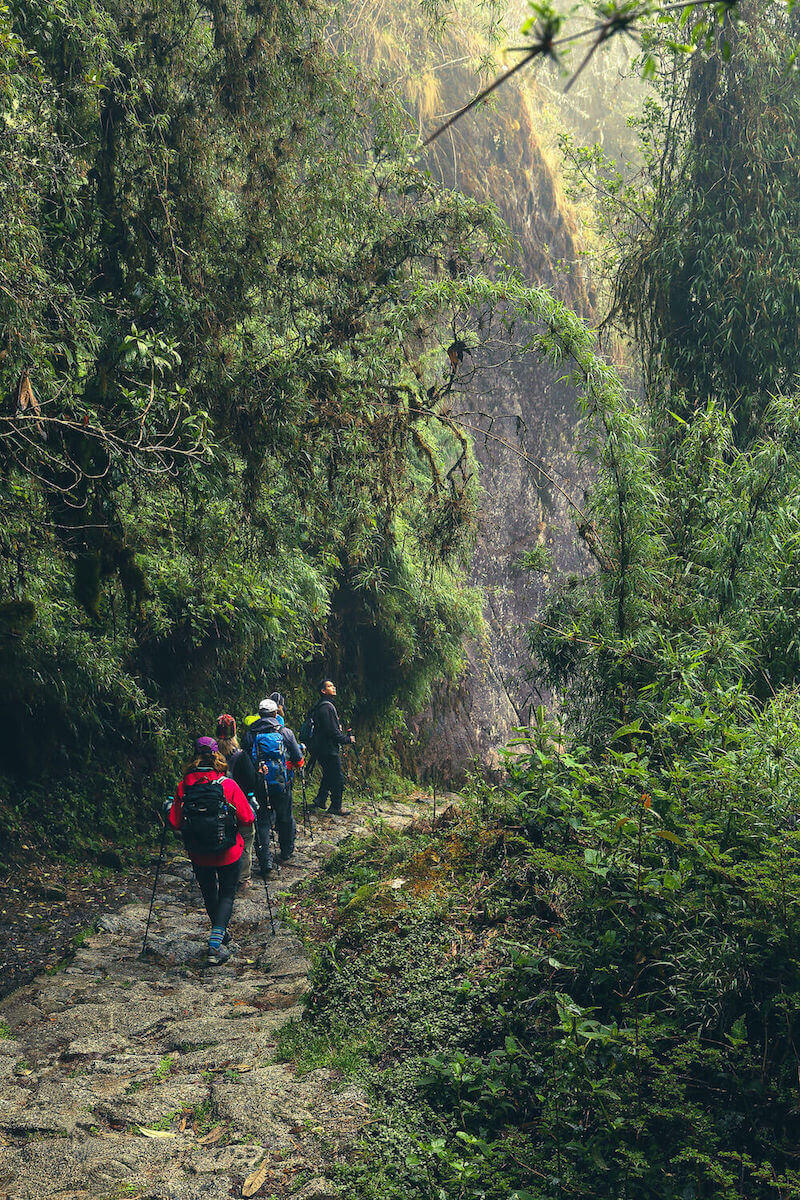
The Inca Trail follows ancient routes that connected sacred places in the Andes. It crosses cloud forests, high passes, and valleys shaped by centuries of culture. Because of its design, every section of the trail prepares you for its ending. Hikers feel the shift in altitude, vegetation, and atmosphere as they approach the destination. Understanding these changes adds meaning to the walk and creates a stronger bond with the landscape.
Travelers often focus on the logistics of the trek. They think about distances, campsites, and weather. Yet the question where does the inca trail end goes beyond a simple geographic answer. It explores the purpose of the final viewpoint, the function of the last gate, and the symbolic value of the final steps. This first section introduces the history behind the trail and sets the foundation for the detailed explanations that follow in the next parts.
The Historical Purpose Behind the Ending Point

The ending of the trail was not a coincidence. It responded to the spiritual worldview of the Inca civilization. The Inca believed that landscapes held sacred energy. They designed specific paths to align with mountains, rivers, and celestial events. Because of this, every entrance to important sites followed a ritual pattern. The ending point of the trail follows that same logic. It is not a simple doorway but a controlled transition into a protected space.
Ancient builders created routes that preserved the sanctity of the destination. They chose paths that slowed the traveler down and encouraged reflection. The ending of the trail works in the same way. It brings visitors through a narrow route that opens into a panoramic view. This design helps reinforce the emotional impact of arriving at the sacred city. Understanding this logic allows modern hikers to experience the moment as the Incas intended.
The question where does the inca trail end also invites modern travelers to consider continuity. The route did not originally end where tourists stop today. It continued through a network of roads that connected the empire. The current ending point represents the ceremonial arrival to the most iconic city, not the terminus of the original system. This distinction enriches the traveler’s understanding of the journey and deepens its meaning.
The Geography That Shapes the Final Destination

Answering where does the inca trail end requires understanding the geography of the Peruvian Andes. The trail moves from high-altitude passes to lush cloud forests. Each shift creates a sense of progression. As hikers descend through the last miles, the terrain becomes greener. The air becomes warmer. The views become more dramatic. All these elements guide travelers toward the final point.
The last segment of the trail climbs gently through terraces and stone steps. The gradient allows hikers to approach the destination with clarity. It prepares the body for the last viewpoint, where everything transforms. Mountains align. Valleys open. Light changes. This natural design amplifies the significance of the final moment. The Andes serve not only as a backdrop but as an active participant in the traveler’s experience.
The final stretch also reveals how the Inca mastered their environment. They carved paths that blended with the landscape instead of altering it. They took advantage of natural contours to direct movement. Because of this, the ending of the trail feels organic. The land itself guides the visitor toward the final gate, creating a sense of anticipation that grows with every step.
The Exact Answer, Where Does the Inca Trail End
The question where does the inca trail end has a clear and direct answer. The trail ends at the Sun Gate, known as Inti Punku. This ancient structure served as the ceremonial entrance to Machu Picchu. It stands on a strategic ridge that frames the entire archaeological site. Hikers reach this point after their final climb on the last morning of the trek. The moment the city appears through the stone doorway marks the official end of the hiking route.
Inti Punku was designed as a control point in Inca times. Guards monitored who entered the sacred city. The angle and orientation of the gate allowed sunlight to pass through on specific dates. This effect revealed the city in a dramatic and symbolic way. Today, travelers experience this same moment. They walk through the gate and see the city below, illuminated by the early morning light. This moment delivers the emotional climax of the trek.
Although the trail ends at the Sun Gate, the walk continues downhill to the city itself. From Inti Punku, hikers follow a gentle stone path for about forty minutes. This final approach allows travelers to admire the city from different angles. However, the transition through the Sun Gate remains the official ending of the traditional route. It holds historic, cultural, and spiritual meaning. That is why it is recognized as the endpoint for visitors who complete the trek.
The Symbolic Meaning of Ending at Inti Punku

Understanding where does the inca trail end also means understanding why it ends there. The Sun Gate represents more than a scenic viewpoint. It embodies the Inca relationship with the cosmos. The gate aligns with the rising sun during the solstices. This alignment signaled important agricultural and ceremonial dates. Travelers arriving through this entrance participated in a ritual approach to the sacred city.
The path to the Sun Gate forces hikers to slow down. The final ascent is steady and reflective. Each step prepares the traveler for the moment the city appears. This design creates an emotional release when the ruins finally come into view. Many hikers express feelings of gratitude, accomplishment, or even tears. These reactions reflect the power of the location. The Incas wanted visitors to experience that moment with intention.
The symbolism extends beyond the architecture. Reaching the Sun Gate marks a personal milestone for many travelers. They overcome challenges, altitude, and long walking days. This triumph merges with the spiritual weight of the site. As a result, the ending point becomes memorable on many levels. It rewards physical effort, emotional commitment, and cultural curiosity.
The Scenic Experience of the Final Approach

The final stretch leading to the Sun Gate offers one of the most beautiful segments of the route. To understand where does the inca trail end, it helps to visualize this last climb. The path winds through terraces that overlook deep valleys. Morning mist often floats between the peaks. Sunlight slowly breaks through, revealing the mountains around the site. These moments shape the sensory experience of the arrival.
Birdsong and distant waterfalls enrich the atmosphere. The environment feels alive and dynamic. The change in vegetation signals the approach to the archaeological zone. Ferns, orchids, and mosses appear along the stone steps. These natural markers create a sense of rhythm. Each small detail builds anticipation and motivates hikers during the final minutes of effort.
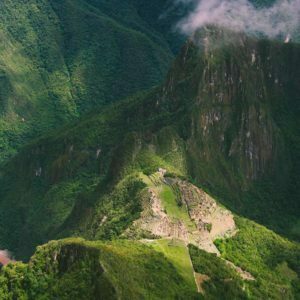
When travelers reach the ridge, the landscape expands. Mountains form a dramatic circle around the city below. The positioning of the Sun Gate enhances this perspective. It allows visitors to see Machu Picchu before entering its structured spaces. This preview heightens the connection between nature and architecture. It transforms the arrival into a balanced encounter between the wilderness and the sacred city.
How the Ending Point Shapes the Entire Journey

Understanding where does the inca trail end helps travelers appreciate each stage of the route. Every segment builds toward the Sun Gate. The trail’s designers used distance, altitude, and perspective to guide movement. As hikers progress, the terrain becomes less severe. The vegetation grows denser. The air becomes warmer. These gradual changes prepare both body and mind for the final moment of arrival.
The trail’s rhythm also plays a role. The most demanding ascent occurs on the second day. This challenge strengthens the hiker. The remainder of the trek feels lighter. The third and fourth days offer more scenic and cultural experiences. These stages blend rest with excitement. By the time travelers approach the Sun Gate, they carry not only physical endurance but also a deeper understanding of the landscape.
The idea of progression is central to the Inca worldview. Movement held spiritual meaning. Traveling from one environment to another resembled a ritual transformation. The ending point reflects that philosophy. Hikers cross forests, mountains, and ruins before reaching the sacred gate. Each transition symbolizes a step toward clarity. The final reveal mirrors the completion of a journey that is both physical and symbolic.
Campsites and the Route Leading to the Sun Gate

To understand where does the inca trail end, it helps to examine the campsites that shape the trek. Each resting point serves a specific purpose. The locations follow natural terraces and vantage points. These stops divide the journey into manageable days and allow hikers to adjust to the altitude.
The first campsite typically sits near the valley floor. It offers mild weather and a gentle introduction to the route. The second night takes place at a higher point, often near the pass known as Warmiwañusqa. This location challenges the hiker but rewards them with sweeping views. Spending the night in such a dramatic place deepens the emotional impact of the trek.
The third campsite provides a transition toward more cultural landscapes. Travelers wake up closer to ruins, terraces, and cloud forests. The environment becomes lush and mysterious. This shift prepares hikers for the final approach to the Sun Gate. On the last morning, groups begin walking before sunrise. This early start aligns with the tradition of arriving at Inti Punku in the first light of the day.
Wildlife, Ecosystems, and the Approach to Inti Punku

The diversity of environments along the trail enhances the ending point. Observing how ecosystems shift helps travelers understand where does the inca trail end in both physical and ecological terms. The first section of the route features high Andean vegetation. Grasses, shrubs, and hardy plants dominate the scene. These species adapt to cold winds and thin air.
As hikers move lower, cloud forests appear. These forests host orchids, ferns, moss-covered stones, and thick roots. Mist often drifts between the branches, creating an immersive atmosphere. This ecological richness reveals how altitude shapes life. It also shows why the final section feels so vibrant. The Sun Gate sits above a zone where multiple ecosystems meet. The location highlights the contrast between rugged mountains and fertile valleys.
Travelers often spot birds along the route. Hummingbirds, tanagers, and kestrels fly across the path. Their presence adds color and energy to the experience. Near the end, the frequency of birds increases. The environment feels alive and dynamic. These details enrich the final ascent. They remind hikers that they stand in a region where nature and history coexist in harmony.
Why the Ending Enhances the Traveler’s Connection to Machu Picchu
Knowing where does the inca trail end gives depth to the entire experience. The Sun Gate offers more than an entrance. It shapes the emotional tone of the arrival. Modern visitors approach the city in the same way ancient pilgrims did. They share a moment of anticipation, wonder, and gratitude. This similarity creates a link across centuries.
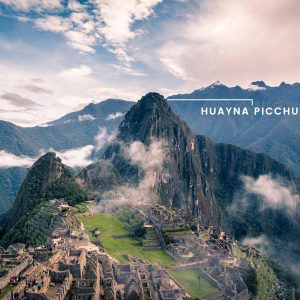
As hikers step through the gate, they receive their first full view of Machu Picchu. The mountains surround the site like guardians. The river far below traces the valley’s curves. The terraces form organic shapes that blend into the landscape. This first impression carries enormous weight. It reveals the city in a balanced mix of nature, architecture, and light.
The design of the ending point amplifies the emotional impact. Travelers walk in silence during the final minutes. The narrow path encourages reflection. The soft glow of sunrise adds depth and color. Reaching the Sun Gate becomes a ritual of completion. It symbolizes achievement and connection. This moment defines the journey as much as the physical walk itself.
Practical Tips for Arriving at the Sun Gate
Understanding where does the inca trail end helps hikers prepare for the final segment. The last morning begins early. Most groups start walking around 4:00 a.m. The goal is to reach the Sun Gate during the first light. This timing enhances the view and reduces the number of people on the path.
The final ascent includes steady stone steps. They are not technical, but they require concentration. Using trekking poles can help maintain balance. Wearing layers allows hikers to adapt to the changing temperature. Mornings can feel cool, but the sun warms the ridge quickly.
Carrying snacks and water makes the last stretch more comfortable. The climb may feel short, but the excitement of the moment often increases energy use. Staying hydrated helps maintain focus. Moving at a steady pace ensures a smooth arrival. The key is to enjoy each step of the final approach.
Cultural Etiquette at the Ending Point
Respecting the site is essential. Travelers who understand where does the inca trail end also understand the importance of preserving the area. The Sun Gate holds ceremonial meaning. Visitors should keep noise levels low. Speaking softly allows everyone to enjoy the atmosphere.
Photo-taking is a natural impulse. However, it should not block the narrow path. Stepping aside before taking pictures shows respect for others. Groups should move responsibly to avoid crowding. The site belongs to a delicate ecosystem. Staying on marked paths protects vegetation and stone structures.
Appreciating the cultural value of Inti Punku adds meaning to the arrival. Taking a moment of silence honors the history of the place. Reflecting on the journey creates a deeper connection with the landscape. These habits help preserve the site for future generations.
Final Thoughts, The Meaning Behind the Destination
Understanding where does the inca trail end invites travelers to look beyond simple logistics. The ending point holds history, culture, and symbolism. The journey’s design leads hikers toward a meaningful climax. Standing at the Sun Gate delivers an unforgettable perspective. It blends physical effort and emotional reward.
The arrival completes a story that begins days earlier. Each step builds toward the final reveal. This structure reflects the Inca worldview. Movement transforms the spirit. Landscapes guide reflection. Architecture completes the ritual. Reaching the Sun Gate becomes a personal and cultural triumph.
Travelers who understand the depth of the ending gain more from the experience. They see the journey not only as a physical challenge but also as a way to connect with the Andes. The final view becomes richer, more layered, and more memorable. This understanding transforms the trek into a story worth sharing.
Discover With Us
Discover with us the most inspiring travel stories, guides, and routes across Peru.
Follow our community adventures and prepare your next journey with confidence and purpose.
Follow Us
Follow us on Instagram for more routes, tips and travel experiences.
FAQs
What is the exact point where the Inca Trail ends?
The trail officially ends at the Sun Gate, known as Inti Punku. This viewpoint serves as the ceremonial entrance to Machu Picchu.
Do hikers enter Machu Picchu directly from the Sun Gate?
Yes. After reaching the gate, hikers follow a gentle path downhill for about forty minutes to enter the main archaeological area.
Why does the Inca Trail end at the Sun Gate?
The Sun Gate aligns with sunrise during key dates and served as a ceremonial and strategic entry point to Machu Picchu.
Can you visit the Sun Gate without hiking the Inca Trail?
Yes, but access sometimes changes due to conservation rules. On certain dates, non–Inca Trail visitors may reach the site from within Machu Picchu.
Is the final climb difficult?
The last ascent is moderate. The steps are steady and manageable, and the emotional excitement often makes the climb feel shorter.