 English
 Spanish
 Portuguese


Few adventures capture the imagination quite like hiking the Inca Trail. Winding through the misty peaks of the Andes and culminating at the legendary citadel of Machu Picchu, this trek is considered one of the most remarkable journeys on Earth — and it perfectly explains why is the Inca Trail so popular among travelers seeking both adventure and history.
But have you ever wondered why is the Inca Trail so popular? What makes this route stand out among thousands of trails around the world?
The answer goes far beyond the breathtaking views. The Inca Trail combines ancient history, spiritual energy, ecological diversity, and architectural wonder — all in a single journey. It’s not just a hike; it’s a living connection to one of the greatest civilizations in human history.
In this comprehensive guide, we’ll explore the true reasons behind its popularity — from its cultural significance and archaeological treasures to its natural beauty and transformative impact on travelers.
1. A Journey Through Living History
The first and most important reason why is the Inca Trail so popular is its historical legacy. This isn’t an ordinary hiking route — it’s a sacred path built by the Incas more than 500 years ago.
The Inca Empire, which once stretched across modern-day Peru, Ecuador, Bolivia, and Chile, was united by an impressive network of roads known as the Qhapaq Ñan. The Inca Trail is one of its best-preserved sections, leading directly to Machu Picchu, the empire’s hidden jewel.
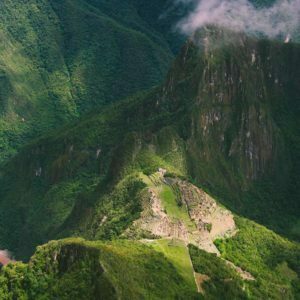
Every step you take follows the same stones once walked by messengers, nobles, and priests. Along the way, you encounter ancient ruins such as Llactapata, Runkurakay, Sayacmarca, Phuyupatamarca, and Wiñay Wayna — each revealing different aspects of Inca culture and engineering mastery.
This immersion in history is what sets the Inca Trail apart. Hikers don’t just see ruins; they walk through history, surrounded by landscapes that have remained unchanged for centuries.
2. The Perfect Combination, Nature, Culture, and Adventure

Another reason why is the Inca Trail so popular is its unique combination of experiences. It’s one of the few treks in the world where nature, archaeology, and adventure coexist in perfect harmony.
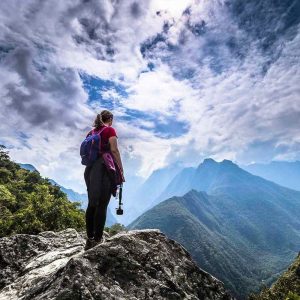
You begin your journey in lush valleys filled with hummingbirds and orchids, then climb into the high Andean mountains where snow-capped peaks touch the sky. As you descend, the landscape shifts again — into cloud forests alive with exotic plants and waterfalls.
This diversity keeps every day of the trek fascinating and unpredictable. You’re not just walking through different altitudes; you’re crossing ecosystems and time periods.
Meanwhile, the ruins scattered along the trail provide cultural context, blending natural beauty with the mystery of the Inca civilization.
By the time you reach Machu Picchu, you’ve not only completed a trek but also lived an epic story of endurance, discovery, and wonder.
3. The Emotional Power of the Destination, Machu Picchu

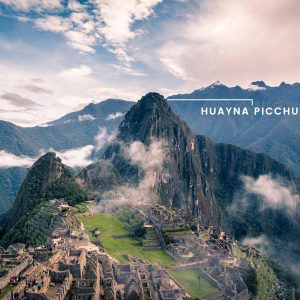
Perhaps the most obvious reason why is the Inca Trail so popular is its grand finale — arriving at Machu Picchu through the Sun Gate (Inti Punku). Few moments in travel can compare to seeing the lost city appear through the morning mist after four days of hiking.
This arrival is far more meaningful than taking the train or bus. You’ve earned the view through effort, patience, and connection with the mountains. The first sight of the Inca citadel feels almost spiritual — as if the ancient gods themselves are rewarding you for completing their sacred path.
Machu Picchu, one of the New Seven Wonders of the World, is more than just a destination; it’s a culmination of history, architecture, and mystery. Reaching it through the original Inca route creates an emotional bond that modern transportation simply can’t replicate.
It’s this final, unforgettable moment that transforms the trek from a hike into a life-changing experience.
4. Limited Access and Exclusivity
One lesser-known factor explaining why is the Inca Trail so popular is its exclusivity. Unlike other famous treks, access to the Inca Trail is highly regulated to protect its fragile environment and archaeological heritage.
Only 500 permits per day are issued — and this number includes guides, porters, and cooks. In reality, fewer than 200 travelers can start the trek each day. Permits often sell out months in advance, especially between May and August (the dry season).
This strict control gives the Inca Trail a sense of rarity and privilege. Those lucky enough to secure a spot feel like part of an exclusive group walking an ancient pilgrimage route that remains largely untouched.
It also means that the trail never feels overcrowded. Each group walks at its own pace, experiencing solitude, peace, and deep connection with the Andean landscape.
This balance between preservation and limited access makes the Inca Trail a premium adventure unlike any other.
5. The Role of Spiritual Energy and Connection

When travelers are asked why is the Inca Trail so popular, many mention the feeling of energy they experience while walking the path. For the Inca civilization, the mountains were sacred entities called Apus — protectors and spiritual beings.
The trail itself was considered a route of purification and transformation. Pilgrims walked these paths not only to reach Machu Picchu but to connect with the divine forces of nature.
Even today, modern hikers describe a profound emotional or spiritual awakening during the journey. Whether it’s the thin mountain air, the rhythm of footsteps, or the breathtaking silence at sunrise, something in the trail moves people deeply.
This emotional connection — rooted in ancient spirituality — adds an invisible yet powerful dimension to the Inca Trail’s popularity. It’s not just about reaching a destination; it’s about rediscovering your own strength and inner peace.
6. Breathtaking Scenery and Biodiversity

Another compelling reason why is the Inca Trail so popular lies in its extraordinary natural diversity. In just four days, trekkers pass through six different ecosystems, from arid valleys to humid jungles.
The region is home to:
- More than 250 species of orchids
- Dozens of hummingbird varieties
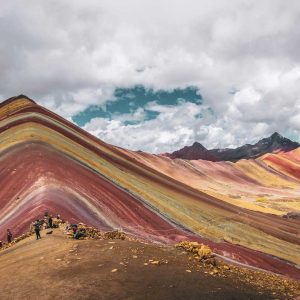
- Spectacular Andean peaks like Salkantay and Veronica
- Dense cloud forests filled with mosses, ferns, and butterflies
Few trails in the world offer such rapid and dramatic environmental change. Every turn reveals a new panorama, a new microclimate, and new life forms.
This constant visual variety keeps hikers inspired and reminds them that they’re walking through one of the richest biodiversity zones on the planet — the intersection of the Andes and the Amazon.
7. The Challenge and Sense of Achievement
One major factor behind why is the Inca Trail so popular is the balance between challenge and accessibility. It’s demanding enough to feel like an accomplishment, yet achievable for most people with basic fitness and determination.
The trek covers around 42 kilometers (26 miles) over four days, with altitudes reaching up to 4,215 meters (13,828 feet) at the famous Dead Woman’s Pass. The thin air, steep ascents, and long descents test endurance and willpower — but not to the point of danger or extreme difficulty.
For many, completing the trail is more than a physical goal; it’s an emotional triumph. The combination of effort, teamwork, and anticipation of reaching Machu Picchu creates a powerful sense of pride and fulfillment.
Hikers often describe the experience as a metaphor for life — patience, persistence, and gratitude rewarded by something extraordinary at the end.
8. The Human Experience: Guides and Porters

A deeper reason why is the Inca Trail so popular lies in the people who make the journey possible — the local guides and porters. These men and women are the heart and soul of the trek.
Guides are often descendants of the Quechua-speaking Andean communities who have lived in these mountains for generations. Their knowledge goes beyond geography — they share stories, legends, and insights that bring the trail’s history to life.
Porters, known as the “backbone of the Inca Trail,” carry tents, food, and equipment. Their strength and kindness inspire immense respect among travelers. Despite the physical demands, they greet trekkers with warm smiles and traditional coca tea at each campsite.
The relationships formed along the way — between travelers, guides, and porters — create a sense of community. It’s a human connection that transforms the trek from a solo adventure into a shared journey of cultural exchange.
In many ways, the people of the Andes are the living link between the modern world and the ancient Inca spirit.
9. The Organization and Comfort of the Trek
Part of why is the Inca Trail so popular is how well-organized it is compared to other long-distance treks.
Tour operators provide everything — from transport and meals to camping equipment and entrance tickets to Machu Picchu.
This level of organization allows travelers to focus on the experience rather than logistics. Campsites are pre-assigned, food is freshly cooked daily, and safety standards are strictly monitored by Peru’s tourism authorities.
Even first-time hikers feel supported and secure, knowing that every aspect of the trip — from altitude management to environmental care — is handled by professionals.
For those who prefer more comfort, luxury options exist as well: private tents, dining setups, and gourmet meals served under the stars.
This blend of adventure and convenience makes the Inca Trail attractive to a wide range of travelers, from seasoned explorers to cultural enthusiasts.
10. The Cultural Immersion

Cultural immersion plays a crucial role in explaining why is the Inca Trail so popular.
Unlike treks focused solely on nature, this route integrates living Andean culture at every step.
Hikers pass through small Quechua villages where locals farm potatoes, quinoa, and corn using ancient techniques. They may see children walking to school in traditional attire or herders guiding llamas through the mountains.
Travelers also encounter rituals — offerings of coca leaves to the Apus, or mountains, as a sign of gratitude and protection. These moments reveal that the Inca worldview still thrives in the Andes today.
For many visitors, this cultural connection is transformative. It’s not just about seeing ruins; it’s about understanding how the past still breathes through modern Andean life.
11. Sustainability and Respect for Nature
A major reason why is the Inca Trail so popular in recent years is its focus on sustainability. The trail is part of the Machu Picchu Historical Sanctuary, a UNESCO-protected area where conservation rules are strictly enforced.
Trekkers must follow a “Leave No Trace” policy — all waste is carried out, and camping zones are controlled to prevent erosion. Tour operators work closely with the Peruvian government to ensure fair treatment for porters and preservation of archaeological sites.
This responsible approach attracts eco-conscious travelers who want to explore the Andes ethically. The Inca Trail is not just a hiking route — it’s a model of sustainable tourism in action.
By walking this path, hikers contribute directly to the preservation of cultural heritage and the livelihoods of local communities.
12. The Seasonal Rhythm and the Magic of Timing

Timing is another element that explains why is the Inca Trail so popular. The trek follows the rhythm of the Andes — distinct seasons that change the experience dramatically.
- Dry Season (May to October): Clear skies, cooler nights, and perfect visibility for photography. It’s the busiest and most popular time.
- Shoulder Season (March–April and November): Fewer crowds, greener landscapes, and occasional showers that add atmosphere.
- Wet Season (December to February): Lush vegetation but heavy rain. The trail closes in February for maintenance.
Each season offers something unique — from golden sunsets over the peaks to misty jungles alive with bird calls. Travelers can choose when to go based on their preference for solitude or ideal weather conditions.
This flexibility adds to the trail’s appeal, as every season transforms its landscapes into a different kind of magic.
13. The Photographic and Visual Appeal

Photography lovers easily understand why is the Inca Trail so popular. Every turn of the trail offers postcard-perfect views — dramatic valleys, ancient ruins framed by mountains, and skies that shift from deep blue to fiery orange at sunset.
Morning light reveals dew on orchids, while twilight silhouettes the terraces against the fading sun. The moment you reach Inti Punku and see Machu Picchu illuminated by the first rays of dawn is one of the most photographed — and emotional — scenes in global travel.
Professional photographers, travel influencers, and documentary filmmakers all recognize the visual power of this journey. But even for amateur travelers, the Inca Trail guarantees images that feel eternal — visual proof of an adventure that touches the soul.
14. The Mind–Body Connection
A deeper layer of why is the Inca Trail so popular lies in the personal transformation it brings. This journey challenges both body and mind, creating a rare opportunity for self-discovery.
The physical effort — steep climbs, high altitudes, and long days of walking — demands mental strength and focus. Yet amid this challenge, hikers often find peace. The rhythm of footsteps, the fresh mountain air, and the sound of wind through the valleys have a meditative effect.
Modern life rarely offers such moments of disconnection from technology and noise. On the Inca Trail, travelers reconnect with simplicity: breathing, walking, and being present. Many describe it as a form of moving meditation — a pilgrimage where every step deepens gratitude and clarity.
By the end of the trek, the exhaustion turns into empowerment. The journey doesn’t just change what you see; it changes how you feel.
15. The Spiritual Journey
When people ask why is the Inca Trail so popular, spirituality is often part of the answer. The route holds sacred meaning, not just for the Incas but also for modern travelers seeking purpose and reflection.
The Incas viewed the world as interconnected — humans, mountains, stars, and spirits forming one living system. Walking the Inca Trail symbolized aligning oneself with this cosmic balance. Each ruin along the route — from Runkurakay to Wiñay Wayna — represented a step in the spiritual awakening that culminated at Machu Picchu, the “City of the Sun.”
Today, many hikers experience a similar sense of awakening. Reaching the Sun Gate at dawn feels like a spiritual rebirth — a merging of physical endurance and emotional peace.
The silence, the altitude, and the sunrise combine into a powerful reminder that the greatest journeys often happen within.
16. The Social Connection and Shared Experience
The human element also explains why is the Inca Trail so popular. The trek fosters a strong sense of camaraderie among travelers from all over the world.
Small hiking groups share meals, stories, and laughter under the stars. They encourage each other through steep ascents, celebrate milestones, and bond over shared awe at every view. By the end of the journey, strangers often become lifelong friends.
Guides and porters, too, contribute to this feeling of unity. The teamwork, kindness, and mutual respect on the trail remind people of humanity’s collective strength — a powerful contrast to the isolation many feel in modern urban life.
This social connection is part of the Inca Trail’s magic. It proves that when people face nature together, differences disappear, and what remains is shared joy and gratitude.
17. The Role of Storytelling and Global Fame
Another reason why is the Inca Trail so popular lies in its global storytelling. Since its rediscovery by Hiram Bingham in 1911, the trail and Machu Picchu have captured the world’s imagination.
Travel writers, explorers, photographers, and documentarians have celebrated the trek as a journey of wonder and transformation. Each story — from magazine articles to viral Instagram posts — fuels curiosity and inspires new generations to experience it for themselves.
Tourism boards, travel companies, and adventurers all highlight the trail’s beauty in media worldwide. Its iconic image — hikers arriving at the Sun Gate as Machu Picchu emerges from the mist — has become one of the defining symbols of global travel.
But the Inca Trail’s fame is not superficial. It endures because the stories it generates are authentic — stories of effort, emotion, and profound connection.
18. Comparison with Other Global Treks
Many travelers who wonder why is the Inca Trail so popular compare it to other legendary treks like the Everest Base Camp, Kilimanjaro, or the Camino de Santiago.
While each offers unique challenges, the Inca Trail stands apart because of its perfect blend of nature, history, and spirituality.
- Everest Base Camp offers altitude and views but lacks cultural ruins.
- Kilimanjaro tests endurance but ends with a single summit, not a living city.
- Camino de Santiago holds spiritual meaning but runs mostly through villages and roads.
The Inca Trail, in contrast, combines mountain adventure, sacred heritage, and an architectural masterpiece at the end. It’s the only trek in the world where your reward is not just a summit, but a journey through time culminating in one of humanity’s greatest achievements — Machu Picchu.
That rare combination keeps it at the top of every traveler’s bucket list.
19. Economic and Cultural Impact on Local Communities

Another important aspect of why is the Inca Trail so popular is its positive effect on local economies. Tourism linked to the trail supports thousands of families in Cusco and the Sacred Valley.
Guides, cooks, porters, drivers, and artisans all depend on this activity for income. Fair-trade organizations have improved working conditions for porters, ensuring ethical wages and better equipment.
Meanwhile, travelers purchasing local crafts and staying in family-run lodges help strengthen the regional economy.
Culturally, the Inca Trail keeps ancient traditions alive. Local communities preserve Quechua language, festivals, and agricultural practices while sharing them proudly with visitors.
This cultural exchange benefits both sides — travelers gain knowledge, and local people find renewed pride in their heritage.
Thus, the trail isn’t just popular because it’s beautiful; it’s important because it sustains communities and preserves culture.
20. The Inca Trail and Global Sustainability
Modern travelers care deeply about responsible tourism — and that’s another reason why is the Inca Trail so popular.
The Peruvian government’s focus on conservation has made the trail a model of sustainable tourism worldwide.
Strict limits on visitor numbers, eco-friendly waste management, and porter welfare initiatives set the standard for other destinations. Operators are now required to use biodegradable soap, solar energy when possible, and sustainable packaging.
This makes the Inca Trail not only an adventure but also a statement — proof that tourism can exist without damaging cultural or natural heritage.
Travelers choosing this trek contribute to global sustainability, making it a journey with purpose.
21. A Symbol of Peru’s Identity
To fully understand why is the Inca Trail so popular, one must see it not only as a global attraction but also as a source of national pride for Peru.
The trail and Machu Picchu are intertwined with Peru’s identity — symbols of an ancient civilization that achieved greatness through creativity, resilience, and harmony with nature. The Inca Trail serves as a living connection between modern Peruvians and their ancestors.
Every porter who walks the path, every local who greets hikers, and every child who grows up in the Sacred Valley inherits this heritage. The route represents the spirit of the Andes: strong, enduring, and deeply spiritual.
For the world, it’s a masterpiece of human ingenuity. For Peru, it’s a heartbeat — a living reminder that greatness is built through respect for land, community, and history.
22. Lessons from the Ancient Path
The enduring appeal of the Inca Trail also lies in the timeless lessons it teaches. When travelers ask why is the Inca Trail so popular, they often realize that it’s not just about adventure — it’s about transformation.
The Incas built this road as more than a physical route; it was a metaphor for the journey of life. Every climb represents struggle. Every view, perspective. Every ruin, wisdom passed from the ancestors.
Modern hikers, immersed in nature and silence, rediscover values that the Incas lived by — balance, patience, and gratitude. They learn that simplicity brings peace, and that true progress doesn’t mean conquering nature but walking in harmony with it.
These lessons echo long after the trek ends, shaping how people see their own lives once they return home.
23. The Eternal Legacy
Another reason why is the Inca Trail so popular is that it transcends time. Despite centuries of change, it remains as powerful and relevant as ever.
Few experiences connect humanity across generations like this ancient road. It speaks to explorers, historians, nature lovers, and spiritual seekers alike. Whether you come for adventure or introspection, the trail gives you what you need most — perspective.
The Inca Trail’s legacy lies in its ability to unite the past and present. It’s a story still being written, one step at a time by every traveler who walks it. Each footprint becomes part of a centuries-old narrative that celebrates endurance, beauty, and wisdom.
24. Machu Picchu, The Final Reward
Ultimately, the answer to why is the Inca Trail so popular culminates at its destination — Machu Picchu. After four days of hiking, when the first golden light breaks through the clouds and reveals the citadel, words fall short.
That moment, arriving through the Sun Gate, is pure magic. It’s not just a view — it’s an emotion, a realization that you’ve reached something sacred through effort and intention.
The journey transforms every traveler: exhaustion turns into awe, and curiosity turns into gratitude.
Seeing Machu Picchu after following the same steps the Incas once walked connects you not only with history but with the essence of being human — the need to explore, to persevere, and to understand our place in the world.
This unforgettable finale is what makes the Inca Trail more than just a trek — it’s a pilgrimage of the soul.
25. The Inca Trail as a Modern Pilgrimage
Modern travelers often describe the trek as a pilgrimage rather than a hike, and that’s key to understanding why is the Inca Trail so popular even in the 21st century.
It’s a journey that invites reflection, humility, and gratitude. In an era dominated by technology and speed, walking an ancient path through silence and mountains feels like a spiritual reset.
For many, it becomes a turning point — a reminder of what truly matters: nature, connection, and balance.
It proves that adventure isn’t about escaping life but rediscovering it with deeper awareness.
In that sense, the Inca Trail continues to fulfill its original purpose — guiding people toward transformation.
26. A Global Icon of Responsible Adventure
Today, the Inca Trail stands as a symbol of what responsible tourism can achieve. Its popularity has not only preserved an ancient wonder but also inspired a worldwide movement toward sustainable travel.
Other countries have studied Peru’s model for managing heritage trails: limiting permits, enforcing porter welfare laws, and balancing tourism with conservation.
By walking the Inca Trail, travelers become ambassadors of this model — proving that tourism can protect, rather than destroy, the treasures of humanity.
That is perhaps the most powerful reason why is the Inca Trail so popular: it’s not just beautiful — it’s meaningful. It represents the perfect harmony between adventure, history, and responsibility.
27. Discover the Inca Trail with Us
Your adventure doesn’t have to remain a dream — let it begin now.
Walk the same ancient paths once traveled by Inca messengers, surrounded by breathtaking peaks, sacred ruins, and clouds that touch the sky.
Our experienced local guides will help you uncover the secrets of this legendary route, connecting you with its stories, culture, and timeless beauty.
Experience the journey that has changed lives for centuries — and let it change yours.
Discover the Inca Trail with us — where adventure, history, and spirit become one unforgettable experience.
Follow our stories and daily travel inspiration on Instagram:
@machupicchu.mp
Tag your photos and share your experience — your story could inspire the next explorer ready to walk the path of the Incas.
28. Conclusion, The Timeless Magic of the Inca Trail
So, why is the Inca Trail so popular? Because it offers more than a destination — it offers meaning.
It’s where nature, history, and humanity converge into one extraordinary experience.
The trail embodies the genius of the Inca civilization, the kindness of the Andean people, and the universal search for connection and purpose. It’s a living museum, a natural sanctuary, and a spiritual journey all at once.
Those who walk it return not just with photos but with a renewed sense of wonder — a reminder that life’s greatest treasures are found in the journey itself.
The Inca Trail will forever remain one of the world’s most beautiful and significant adventures — a path through time, nature, and the human heart.