 English
 Spanish
 Portuguese
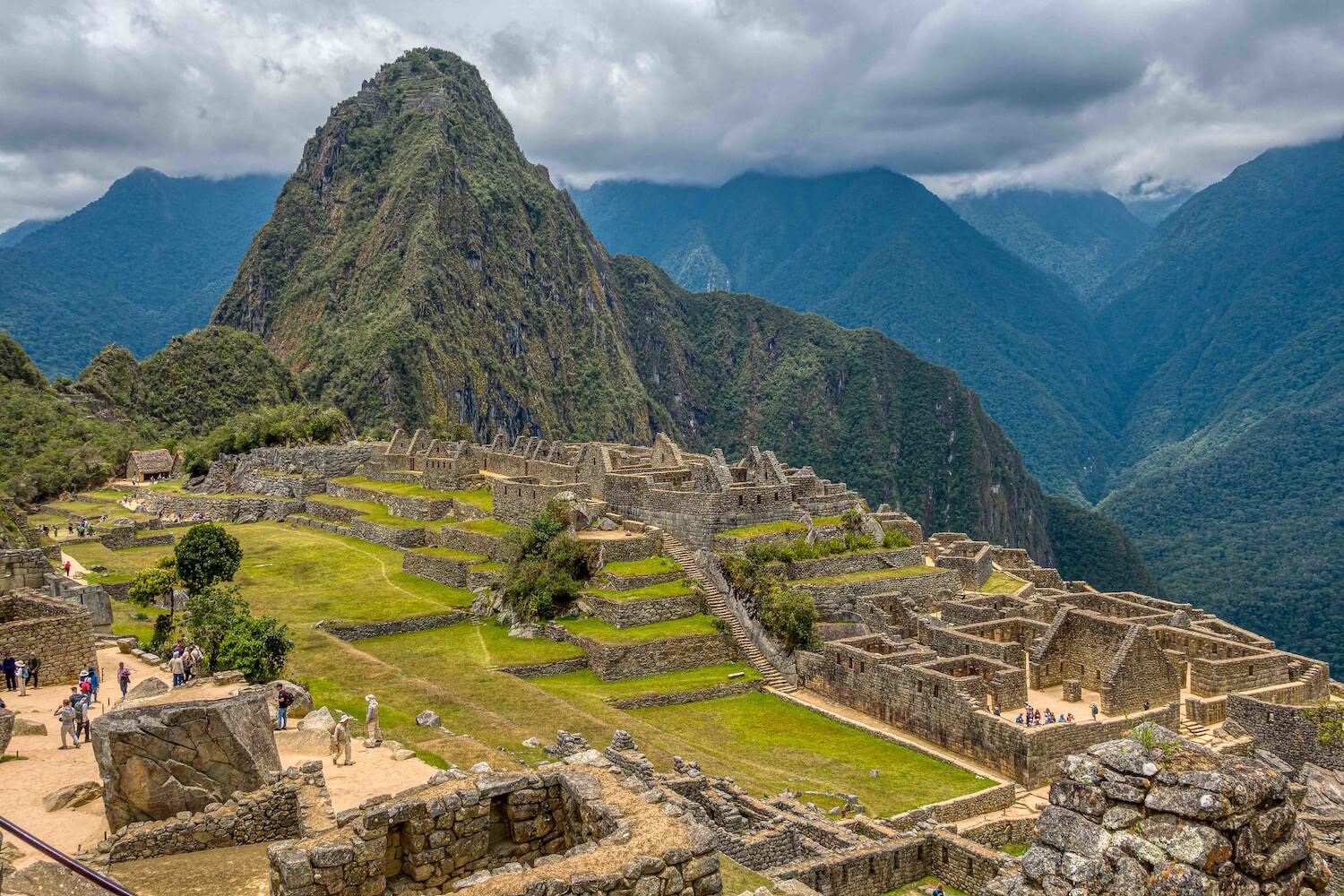

Few places on Earth capture the imagination like Machu Picchu. Perched high in the Peruvian Andes, this ancient Inca citadel has become one of the most iconic symbols of human achievement, mystery, and endurance. Every year, millions of travelers make the journey to witness its breathtaking terraces, sacred temples, and unforgettable mountain views.
But beyond its beauty lies a deeper question — why Machu Picchu is important. What makes this site not only a wonder of engineering but also a cultural and spiritual symbol recognized worldwide?
In this comprehensive guide, we explore the archaeological, historical, cultural, and environmental importance of Machu Picchu. You’ll discover how this masterpiece reflects the genius of the Inca civilization, why it continues to shape Peru’s identity, and how its preservation safeguards a priceless human legacy.
1. The Historical Significance of Machu Picchu

Understanding why Machu Picchu is important begins with its history. Built around the mid-15th century, during the reign of the Inca emperor Pachacuti, Machu Picchu represented a powerful symbol of imperial expansion and divine authority.
It was likely a royal estate — a retreat for Inca nobility — but it also held deep religious and astronomical functions. The Incas designed the city to align with celestial events, such as solstices and equinoxes, revealing their advanced understanding of astronomy and their belief in the harmony between earth and the cosmos.
Unlike other Inca sites, Machu Picchu remained hidden from Spanish conquest. This isolation allowed it to preserve its architecture and artifacts almost intact. Rediscovered by Hiram Bingham in 1911, it opened a window into a world that had long vanished, giving modern scholars and visitors a direct link to the Inca Empire at its peak.
2. Architectural Brilliance and Engineering Mastery
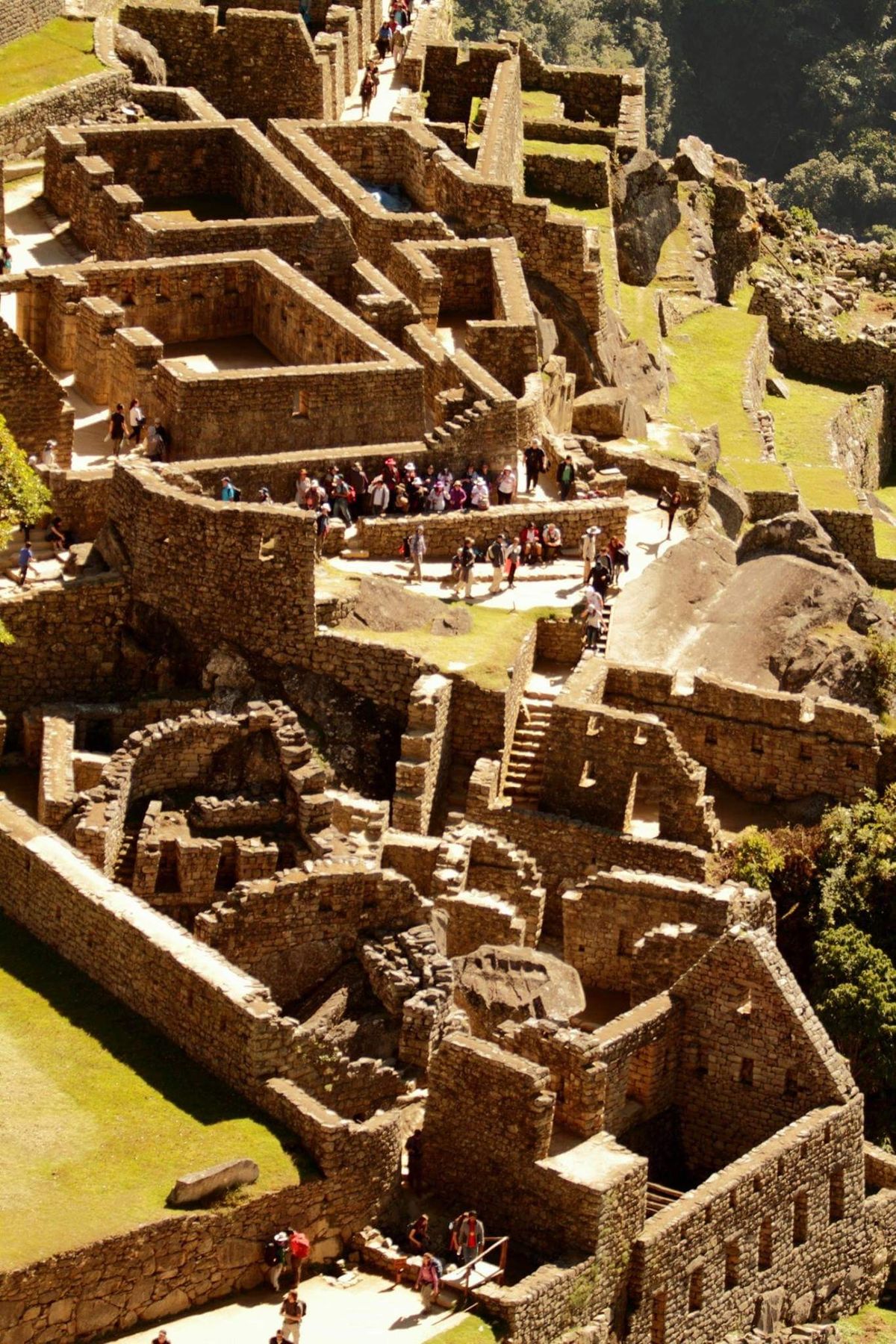
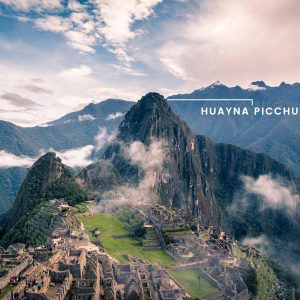
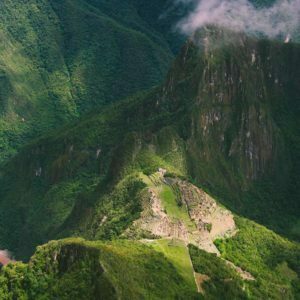
Another key aspect of why Machu Picchu is important lies in its design. The city is an architectural marvel, built on a mountain ridge 2,430 meters (7,970 feet) above sea level. The Incas achieved this feat without the use of iron tools, wheels, or mortar.
They carved and fitted massive granite stones with precision so perfect that even today, not a single blade of grass can fit between them. This technique, known as “ashlar masonry,” made Machu Picchu resistant to earthquakes — a vital adaptation in a seismic region.
The citadel’s design reflects an exceptional understanding of nature. Terraces prevented landslides and managed rainwater; aqueducts provided fresh water from mountain springs; and the city’s alignment with sacred peaks (Apus) reflected Inca cosmology.
For archaeologists and engineers alike, Machu Picchu stands as one of the greatest achievements in pre-Columbian architecture — a testament to human ingenuity working in harmony with the natural world.
3. The Spiritual and Symbolic Importance

When exploring why Machu Picchu is important, one cannot overlook its spiritual dimension. For the Incas, mountains, rivers, and celestial bodies were sacred — living entities that connected them to their gods. Machu Picchu’s location among towering peaks like Huayna Picchu and Putucusi was not random; it symbolized balance between heaven, earth, and the underworld.
Temples such as the Temple of the Sun, the Intihuatana (Sun Stone), and the Room of the Three Windows played key roles in religious ceremonies dedicated to Inti, the Sun God. These structures were carefully aligned with the path of the sun, marking solstices and equinoxes — moments of renewal and gratitude.
Even today, visitors report feeling a deep sense of peace and energy within the ruins. The sacred geometry and natural setting evoke a connection that transcends time, reminding us that Machu Picchu is not just a monument, but a living sanctuary.
4. Machu Picchu as a UNESCO World Heritage Site
The international recognition of Machu Picchu also explains why Machu Picchu is important on a global scale. In 1983, UNESCO declared the site a World Heritage Site, acknowledging its “outstanding universal value” as both a cultural and natural treasure.
The site meets multiple UNESCO criteria, including representing a masterpiece of human creative genius and illustrating a significant stage in human history. It is one of the best-preserved testimonies of the Inca civilization and its harmonious relationship with the environment.
This designation brought not only prestige but also responsibility. The Peruvian government, local communities, and international organizations work together to protect Machu Picchu from the impacts of tourism, erosion, and climate change.
As one of the New Seven Wonders of the World since 2007, Machu Picchu’s recognition continues to highlight its timeless relevance in global heritage conservation.
5. Cultural Identity and National Pride
To understand why Machu Picchu is important to Peruvians, one must see it as more than just an archaeological site — it is a symbol of cultural identity and resilience.
For centuries, indigenous Andean communities preserved oral traditions about their ancestors and their connection to the sacred city. Machu Picchu embodies the continuity of that heritage, representing the strength, creativity, and spirituality of the Inca people.
In modern Peru, Machu Picchu has become a unifying national symbol. It appears on coins, passports, tourism campaigns, and art. For Peruvians, it is a reminder that their roots reach deep into one of the most advanced civilizations in history — one that valued balance, community, and respect for nature.
The pride Peruvians feel toward Machu Picchu goes beyond borders. It’s an invitation for the world to recognize indigenous knowledge as a vital part of human history and future sustainability.
6. Economic and Tourism Importance

One of the most visible reasons why Machu Picchu is important today is its massive influence on Peru’s economy. The site is the country’s most visited attraction, drawing over a million visitors annually from every corner of the globe.
Tourism related to Machu Picchu generates thousands of jobs — from tour guides and porters on the Inca Trail to hotel staff, artisans, and transportation providers in Cusco and the Sacred Valley. For many local families, tourism is the main source of income, creating economic opportunities in areas that once depended on agriculture alone.
Machu Picchu also fuels Peru’s global image as a world-class destination for culture, adventure, and eco-tourism. Every ticket sold, every guided tour, and every handmade souvenir supports local development while strengthening Peru’s position in the international travel industry.
However, with success comes responsibility. The growing number of visitors has challenged local infrastructure and conservation efforts. That’s why sustainable tourism practices — such as limiting daily entries and encouraging alternative routes like Salkantay or Lares — are now key priorities for preserving the site’s integrity for future generations.
7. Environmental and Ecological Importance
Beyond its cultural significance, why Machu Picchu is important also relates to its extraordinary natural setting. The sanctuary sits within the Machu Picchu Historic Sanctuary, a protected area covering over 32,500 hectares of mountains, forests, and rivers.
This region is a biodiversity hotspot, home to over 400 species of birds, 300 species of orchids, and rare animals such as the Andean spectacled bear and the cock-of-the-rock, Peru’s national bird. The mix of high Andean ecosystems and Amazonian cloud forests makes this area one of the most biologically diverse regions on the planet.
The Inca design respected this natural richness. Terraces minimized erosion, canals redirected rainwater, and agricultural areas coexisted with wild zones. Modern conservation projects continue to study and protect this balance between human presence and natural preservation.
For ecologists, Machu Picchu represents a lesson in sustainable land use. The Incas demonstrated how a civilization could thrive in a fragile environment without destroying it — a concept modern society continues to learn from.
8. Archaeological and Academic Importance
From a scientific perspective, why Machu Picchu is important lies in what it reveals about Inca civilization and pre-Columbian innovation. Archaeologists have studied its layout, artifacts, and surrounding paths for decades, yet many questions remain unanswered.
Machu Picchu serves as a living laboratory. Excavations continue to uncover agricultural terraces, ceremonial sites, and storage facilities that shed light on Inca engineering, astronomy, and social organization. Scholars believe that the city’s layout was based on the Inca worldview, mirroring sacred mountains and celestial constellations.
Moreover, Machu Picchu has helped redefine how we interpret indigenous architecture — not as primitive, but as highly sophisticated, adaptable, and environmentally intelligent.
For universities and researchers around the world, it remains a key reference point for understanding the relationship between ancient societies and their landscapes.
9. Symbol of Mystery and Global Fascination
Part of why Machu Picchu is important comes from the aura of mystery that surrounds it. Unlike other ancient cities, its true purpose is still debated — was it a royal retreat, a sacred sanctuary, or both?
Its remote location, complex construction, and sudden abandonment after the Spanish conquest contribute to its enigmatic charm. This mystery fuels documentaries, books, and even spiritual tourism, where visitors seek connection with the energy of the Andes.
For modern travelers, Machu Picchu represents more than an archaeological site; it’s a symbol of discovery and wonder. Standing among its terraces, you can feel a powerful connection to something eternal — a reminder that humanity’s greatest achievements often remain beyond complete understanding.
10. Machu Picchu as a Source of Inspiration
Another reason why Machu Picchu is important is its cultural impact on art, literature, and modern identity. Over the past century, the site has inspired countless artists, writers, and filmmakers.
Painters have recreated its mist-covered peaks, musicians have composed melodies that echo its silence, and photographers have immortalized its majesty in millions of frames. Machu Picchu also appears in global media — from travel documentaries to novels and even fashion editorials — as a symbol of mystery, adventure, and human spirit.
For indigenous artists, it remains a beacon of pride and resilience — proof that the wisdom of their ancestors continues to inspire creativity today.
The image of Machu Picchu transcends borders and generations. It invites people to reconnect with nature, respect ancient wisdom, and celebrate cultural diversity.
11. Machu Picchu and the Inca Trail Connection

When people wonder why Machu Picchu is important, they often overlook the journey that leads there — the legendary Inca Trail. This ancient network of stone paths linked the imperial capital of Cusco to sacred sites throughout the empire.
The Inca Trail was not just a trade route; it was a spiritual pilgrimage. Every step brought travelers closer to the gods, culminating at Machu Picchu — the “Lost City” at the end of the sacred path.
Today, hiking the Inca Trail is considered one of the world’s greatest trekking experiences. Along the way, travelers pass through cloud forests, archaeological ruins, and breathtaking mountain passes. The physical challenge mirrors the spiritual journey of discovery that the Incas once made.
Together, the Inca Trail and Machu Picchu form a powerful combination — a journey of history, endurance, and transformation.
12. Preserving a World Treasure
To truly understand why Machu Picchu is important, one must consider the enormous effort required to preserve it. The site faces continuous challenges — erosion, landslides, earthquakes, and the impact of millions of visitors each year.
The Peruvian government, together with UNESCO and conservation groups, has implemented strict regulations to protect the site. Daily visitor limits, fixed trekking routes, and restrictions on drone use are part of the preservation plan.
The goal is to strike a balance between accessibility and protection — allowing people to experience the wonder without endangering its fragile structures and ecosystem.
Restoration projects also play a crucial role. Archaeologists work to stabilize terraces, clean drainage systems, and reinforce ancient walls. Meanwhile, environmental experts monitor vegetation growth and wildlife preservation across the sanctuary.
Machu Picchu’s survival depends not just on local efforts but also on the global recognition that this is a shared heritage — a reminder that protecting it is protecting a piece of humanity’s story.
13. Education and Cultural Awareness
Another reason why Machu Picchu is important lies in its role as a living classroom. It’s not only a destination for tourists but also a source of education for future generations.
Schools and universities around the world use Machu Picchu as a case study to teach sustainable engineering, archaeology, and environmental science. Students learn how the Incas designed a city that worked with nature, not against it — a lesson that resonates strongly in today’s world of climate challenges.
For local communities, Machu Picchu strengthens cultural identity and pride. Educational programs encourage Quechua-speaking students to reconnect with their ancestral roots, languages, and traditions.
Many of the guides who lead tours on the Inca Trail are descendants of Inca communities — they share stories passed down through generations, bridging ancient wisdom with modern understanding.
By serving as a bridge between the past and the future, Machu Picchu becomes more than a monument — it becomes a teacher of values: respect, harmony, and perseverance.
14. Machu Picchu as a Symbol of Balance with Nature
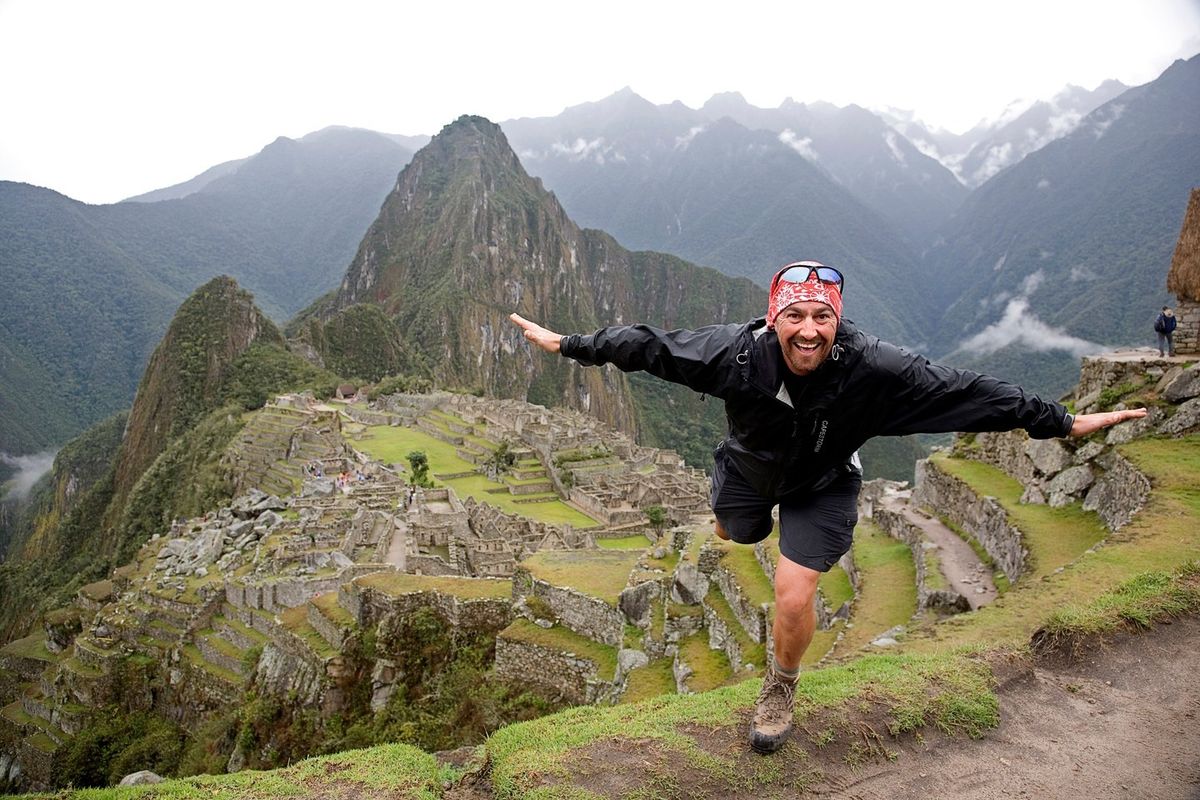
The harmony between architecture and environment is a cornerstone of why Machu Picchu is important. Every structure in the citadel respects the mountain’s natural shape, avoiding disruption of the landscape.
Unlike modern urbanization, which often dominates nature, the Incas designed Machu Picchu to blend into its surroundings. Its buildings mirror the forms of nearby peaks; its staircases follow the slope of the ridge; and its terraces transform steep cliffs into fertile fields.
This sustainable integration reflects an ecological philosophy known as “ayni” — the Andean principle of reciprocity between humans and nature. The idea that we give back as much as we take.
In today’s world, where overdevelopment threatens ecosystems, Machu Picchu stands as a timeless reminder of balance — a vision of how human progress can coexist with natural beauty.
15. Global Influence and Modern Recognition
Machu Picchu’s global recognition is another aspect of why Machu Picchu is important. Since its rediscovery, it has become a symbol of mystery and wonder recognized across cultures.
In 2007, it was voted one of the New Seven Wonders of the World, placing it alongside icons like the Great Wall of China and the Taj Mahal. This recognition not only reaffirmed its cultural value but also brought renewed attention to Peru as a destination for world travelers.
Diplomatically, Machu Picchu has become a source of soft power for Peru. It represents the nation in international fairs, documentaries, and global tourism campaigns, serving as an emblem of unity and pride.
It has also inspired movements for cultural preservation throughout Latin America. Other Andean communities have followed Peru’s example, restoring and protecting their own archaeological sites. In this way, Machu Picchu continues to lead by example, shaping heritage conservation efforts beyond its borders.
16. Challenges of the Modern Era
While millions marvel at the ruins each year, the question of why Machu Picchu is important comes with a responsibility to confront modern challenges.
Over-Tourism
The site’s popularity has created pressures on infrastructure and the environment. To manage this, authorities have imposed strict entry schedules and daily caps of 4,000 visitors. Even so, balancing demand with sustainability remains difficult.
Climate Change
Rising temperatures and heavy rains increase the risk of landslides and structural damage. Scientists are now studying how ancient drainage systems might help mitigate these effects today.
Preservation vs. Accessibility
Technology has helped monitor and protect Machu Picchu, but excessive modernization could threaten its authenticity. Authorities continue to debate how much infrastructure is acceptable around such a sacred site.
Community Involvement
Sustainable tourism requires the participation of local people. Training, fair wages, and respect for indigenous traditions ensure that tourism benefits everyone, not just large operators.
Each of these issues highlights a truth: Machu Picchu’s preservation is a collective duty that extends far beyond Peru.
17. The Spiritual Legacy of Machu Picchu
Perhaps the most profound reason why Machu Picchu is important lies in its enduring spiritual power.
For the Incas, it represented the meeting point between the physical and divine realms — a gateway to understanding life, death, and the universe.
Today, travelers continue to feel a sense of peace and reflection when walking through its terraces. The surrounding mountains, clouds, and river valleys create a sacred energy that transcends culture or religion.
Many visitors describe their journey as transformative — a personal pilgrimage that inspires gratitude, mindfulness, and perspective. The stillness of dawn at the Sun Gate, the alignment of the Temple of the Sun with the solstice light, and the perfection of its stones all evoke a universal message: humanity’s deepest connection lies in harmony with nature and spirit.
Machu Picchu invites every person to pause, breathe, and remember that progress is meaningless without wisdom.
18. Machu Picchu and Global Cultural Heritage
To fully grasp why Machu Picchu is important, one must look at its global influence as a cultural bridge between ancient wisdom and modern civilization.
Around the world, Machu Picchu has become a symbol of respect for indigenous knowledge and sustainability. It reminds us that human achievement does not always come from technology — sometimes, it comes from understanding how to live in harmony with the earth.
Universities, museums, and international organizations now recognize Machu Picchu as a key model of sustainable architecture and cultural resilience. Exhibitions featuring Inca artifacts and virtual tours have allowed millions to experience its magnificence without leaving their homes.
More than an archaeological site, Machu Picchu has become a messenger — a testament that the human spirit can create beauty, balance, and meaning that endure across centuries.
19. Machu Picchu and Responsible Tourism
Tourism is both a blessing and a challenge for this sacred city. Managing its popularity is essential to preserving what makes it unique.
Understanding why Machu Picchu is important also means understanding our role as visitors and caretakers.
Responsible tourism involves following regulations, respecting cultural norms, and supporting local communities. Simple actions — such as staying on designated trails, avoiding litter, and hiring licensed guides — directly contribute to protecting the site.
Moreover, many organizations now promote eco-conscious travel experiences, where visitors learn about Inca culture, Andean ecology, and local traditions. This type of travel goes beyond sightseeing; it becomes an educational journey that empowers travelers to be part of the preservation effort.
When travelers act responsibly, they ensure that Machu Picchu will continue to inspire generations without losing its authenticity or magic.
20. A Living Symbol of the Inca Civilization

Another reason why Machu Picchu is important lies in its power to keep Inca civilization alive in modern memory.
The city encapsulates everything that defined the empire: architectural mastery, agricultural innovation, spiritual depth, and ecological intelligence.
It connects us with a worldview where everything is interrelated — mountains, rivers, stars, and people.
Through Machu Picchu, the legacy of the Incas continues to breathe. Festivals, music, and traditional rituals performed in the nearby communities of Cusco and the Sacred Valley maintain the spirit of the ancestors alive.
The site is a timeless bridge — one that links the greatness of the past to the promise of the future.
21. Machu Picchu as a Universal Message
Beyond geography or culture, why Machu Picchu is important speaks to universal values. It reminds us of resilience, curiosity, and humanity’s ability to create harmony between mind, spirit, and nature.
In an era where many cities grow disconnected from their environment, Machu Picchu stands as proof that progress can coexist with preservation.
It teaches humility — that even a mighty empire like the Incas valued respect for the land above domination of it.
This universal message has made Machu Picchu not only a Peruvian treasure but also a global inspiration. It invites everyone, from travelers to scientists, to look deeper into how we build, live, and relate to the natural world.
22. The Future of Machu Picchu
The continued importance of Machu Picchu depends on how humanity protects it in the years ahead. Climate change, mass tourism, and shifting ecosystems present growing threats.
Preservation requires collaboration between governments, communities, and visitors. Programs like digital mapping, 3D restoration, and controlled tourism are already helping maintain the balance between discovery and protection.
But the greatest challenge lies in consciousness — remembering that this ancient city is more than stone walls; it’s a living spirit of the Andes.
When we protect Machu Picchu, we protect not only Peru’s heritage but also a global symbol of harmony and wisdom.
23. Discover the Wonder with Us
You’ve learned why Machu Picchu is important — but reading about it is only the beginning. Standing among its terraces, watching the sun rise above the Urubamba Valley, is a life-changing experience.
Join us to explore this World Wonder through the eyes of local experts who know its stories, symbols, and hidden corners. Walk through history, touch the stones of the Incas, and feel the heartbeat of the Andes.
Discover Machu Picchu with us — not just as a destination, but as a journey of transformation.
Follow our adventures and daily travel inspiration on Instagram:
@machupicchu.mp
Share your journey, tag us, and become part of a community of explorers who believe in preserving the soul of Machu Picchu for generations to come.
24. Conclusion, The Eternal Legacy of Machu Picchu
Ultimately, the answer to why Machu Picchu is important lies in its timeless ability to connect humanity with its roots and remind us what truly matters.
It represents the peak of human creativity, spiritual devotion, and ecological wisdom — a mirror reflecting the best of who we are and who we can still become.
Every stone of Machu Picchu tells a story of purpose and precision. Every sunrise over its ruins whispers a message of renewal.
It is not just an Inca city — it is a global symbol of balance, strength, and wonder that continues to inspire millions.
As long as we protect it, Machu Picchu will remain a living bridge between the earth and the sky — a masterpiece that teaches us, even centuries later, how to live in harmony with the world around us.