 English
 Spanish
 Portuguese

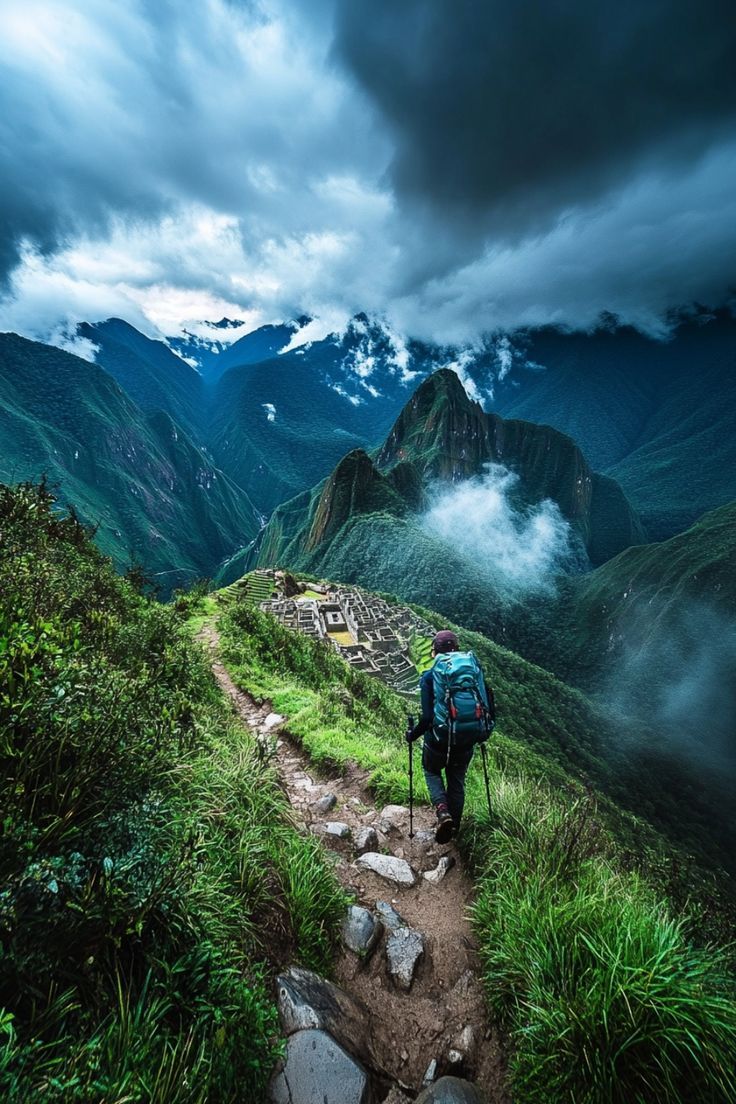

Two Paths, One Legendary Destination
For travelers dreaming of walking in the footsteps of the Incas, the Inca Trail is more than a trek—it’s a spiritual journey through the heart of the Andes. Yet, one of the most common questions among adventurers planning their trip to Machu Picchu is how to decide between the 2 day vs 4 day Inca Trail, two routes that offer entirely different ways to experience the same sacred destination.
Both routes lead to the same majestic destination, the Sun Gate overlooking Machu Picchu, but the experience, level of challenge, and overall rhythm of the journey differ dramatically. Understanding these differences will help you choose the trek that best fits your time, fitness level, and expectations.
In this comprehensive guide, we’ll compare every essential aspect of the 2 day vs 4 day Inca Trail—distance, difficulty, scenery, permits, cost, best seasons, and much more—to help you decide which path to take on your once-in-a-lifetime adventure.
The Essence of the Inca Trail

The Inca Trail is part of the ancient Qhapaq Ñan, a vast network of roads built by the Inca Empire that once connected Ecuador, Peru, Bolivia, Chile, and Argentina. The route to Machu Picchu was one of its most sacred sections, used exclusively by priests, nobles, and chosen pilgrims to reach the lost citadel.
Today, hiking this trail is a privilege, as daily permits are limited to protect the site’s fragile ecosystem and cultural heritage. Choosing between the shorter and longer versions of the trail determines not just how much you walk—but also how deeply you immerse yourself in the history, nature, and mysticism of the Andes.
Overview – 2 Day vs 4 Day Inca Trail
| Feature | 2 Day Inca Trail | 4 Day Inca Trail |
|---|---|---|
| Duration | 1 night, 2 days | 3 nights, 4 days |
| Total Distance | ~10 km (6.2 miles) | ~42 km (26 miles) |
| Starting Point | Km 104 (near Chachabamba) | Km 82 (Ollantaytambo area) |
| Difficulty Level | Moderate | Challenging |
| Accommodation | Hotel in Aguas Calientes | Camping along the trail |
| Main Highlight | Arrival at Machu Picchu via Sun Gate | Full immersion in Andean landscapes and ruins |
| Ideal For | Time-limited travelers | Adventurers seeking a complete trekking experience |
This quick comparison sets the stage—but each aspect deserves a deeper look to understand what makes these two experiences unique.
Distance and Route

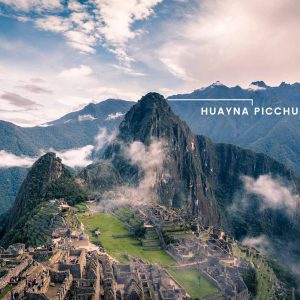
The 2 day Inca Trail covers approximately 10 kilometers (6.2 miles). It begins at Km 104 of the railway between Cusco and Aguas Calientes, climbing steadily through lush cloud forest to reach Wiñay Wayna, one of the most beautiful archaeological sites along the route. From there, trekkers continue toward Inti Punku (the Sun Gate), the first breathtaking view of Machu Picchu before descending to Aguas Calientes for the night.
In contrast, the 4 day Inca Trail stretches over 42 kilometers (26 miles). Starting at Km 82 near Ollantaytambo, the trail passes through valleys, high mountain passes, and ancient ruins such as Patallacta, Runkurakay, Sayacmarca, Phuyupatamarca, and Wiñay Wayna. It’s a journey that requires endurance but rewards hikers with a profound connection to Andean history and landscapes that change dramatically with each day.
In essence, the 2 day route offers a compact version of the experience, while the 4 day route delivers the full epic pilgrimage of the Incas.
Difficulty and Physical Challenge
One of the biggest differences in the debate of 2 day vs 4 day Inca Trail lies in the physical demand.
The 2 day trek is ideal for those with moderate fitness levels. The ascent from Km 104 to Wiñay Wayna involves a continuous uphill climb but is manageable in a few hours. Most participants describe it as a moderately challenging hike that rewards them with incredible views without exhausting their energy.
The 4 day trek, on the other hand, is significantly more demanding. Trekkers must conquer Dead Woman’s Pass (Warmiwañusqa), reaching an altitude of 4,215 meters (13,829 ft)—the highest point on the route. The combination of altitude, multiple ascents and descents, and camping conditions make it a true test of endurance.
However, with proper acclimatization in Cusco and a reasonable fitness level, most hikers complete it successfully. Many also describe it as one of the most rewarding physical and emotional challenges of their lives.
Time Commitment
Time is often the deciding factor.
If your schedule in Peru is tight, the 2 day trek allows you to live the essence of the Inca Trail without spending too many days away from other destinations like Sacred Valley or Cusco. You’ll still walk part of the original Inca stone path and enjoy the feeling of entering Machu Picchu through the Sun Gate, just like the ancient pilgrims did.
The 4 day trek, meanwhile, is a commitment. It requires four full days and three nights, plus at least one or two days in Cusco before departure for acclimatization. Travelers who choose this version usually dedicate their trip specifically to the experience of trekking—embracing the camping, the camaraderie with the group, and the rhythm of the mountains.
If you have limited time but don’t want to miss the trail experience, the shorter version is perfect. But if you dream of a multi-day adventure, where every sunrise brings a new landscape, the 4 day option is the true Inca journey.
Scenery and Archaeological Sites
Both routes are packed with incredible landscapes and ruins, yet their scope differs.
The 2 day Inca Trail focuses on lush cloud forests, orchids, and the impressive ruins of Wiñay Wayna. This site, whose name means “Forever Young,” features terraces, ritual baths, and a design that reflects Inca agricultural and spiritual mastery. The highlight is reaching Inti Punku just in time to see Machu Picchu bathed in golden afternoon light.
The 4 day trail goes beyond. It takes you through several microclimates—from dry Andean valleys to high passes and misty jungle. You’ll encounter at least six archaeological complexes, each offering insight into Inca engineering and cosmology. Sites like Runkurakay and Phuyupatamarca reveal how the Incas adapted their architecture to steep mountain slopes and sacred natural formations.
Every step along the longer route is like turning the pages of a living history book.
Accommodation and Comfort Level
Here’s where the two experiences truly diverge.
The 2 day Inca Trail ends with a comfortable hotel stay in Aguas Calientes. After a long day of hiking, you can shower, dine in a restaurant, and sleep in a cozy bed before exploring Machu Picchu the next morning. It’s the best of both worlds—adventure with comfort.
Meanwhile, the 4 day Inca Trail is a full camping experience. You’ll sleep under the stars, with porters setting up tents and preparing meals at scenic spots along the route. While it lacks modern comforts, it offers a deep sense of connection with nature and your surroundings. Watching the Milky Way over the Andes is an unforgettable memory that no hotel can replace.
So, when deciding between the 2 day vs 4 day Inca Trail, ask yourself: do you prefer comfort and efficiency, or immersion and adventure?
Permits and Availability
One of the most important aspects when comparing the 2 day vs 4 day Inca Trail is the availability of permits, also check our blog about Inca trail vs Kilimanjaro.. The Peruvian government strictly controls the number of daily permits for the Inca Trail to preserve its delicate environment and cultural heritage.
For the 4 day Inca Trail, only 500 permits per day are issued, and this number includes guides, porters, and cooks. This means that only about 200 tourists can start the trail each day. Permits often sell out months in advance, especially for the dry season between May and September. Booking at least 5–6 months ahead is essential.
The 2 day Inca Trail has a bit more flexibility. Although it also requires a government permit, the number of daily hikers is smaller, and spots are available more often, even during high season. Travelers planning their trip with shorter notice often choose this version for its easier logistics and availability.
In both cases, permits are non-transferable and non-refundable. Once they are issued under your name and passport number, you must bring the same documents for verification at the trail checkpoint.
Planning early is not just a recommendation—it’s a necessity if you want to secure your place on this sacred route.
Cost Comparison
When it comes to cost, the difference between the 2 day and 4 day Inca Trail is significant, primarily because of logistics and duration.
A 2 day Inca Trail tour generally costs between $450 and $650 USD per person, depending on the agency and whether you choose a private or shared service. The price usually includes transportation, entrance to Machu Picchu, a professional guide, meals, and hotel accommodation in Aguas Calientes.
Meanwhile, the 4 day Inca Trail ranges between $750 and $1200 USD per person. The cost reflects the complexity of the operation—guides, porters, cooks, camping equipment, permits, and meals for several days in remote mountain areas.
Although the 4 day trek is more expensive, it offers a more comprehensive experience and includes all camping logistics. The 2 day trek, on the other hand, provides an affordable and comfortable alternative for travelers on tighter schedules or budgets.
Ultimately, the value you get depends on what you seek: convenience and efficiency, or a deep immersion in Andean wilderness.
Weather and Best Season to Go

The Inca Trail can be hiked most of the year, but the best season for both the 2 day and 4 day versions is during the dry season, from April to October.
During these months, the skies are clearer, and the chances of rain are lower, making the trekking conditions ideal. May and June are especially popular, offering stunning visibility of the mountains and lush green valleys.
The rainy season lasts from November to March, with heaviest rains usually in January and February. In fact, the Inca Trail is closed for maintenance every February. Those who hike during the shoulder months (April and October) often enjoy fewer crowds and still favorable weather.
If you choose the 2 day trek, light rain isn’t a major concern—you can finish the trail in one day and sleep comfortably in Aguas Calientes. The 4 day route, however, can be tougher during rainy months due to slippery paths and muddy campsites.
So when deciding 2 day vs 4 day Inca Trail, the time of year should play a crucial role in your choice.
Altitude and Acclimatization

Altitude is another key factor when planning your trek. Cusco sits at around 3,400 meters (11,150 ft), and the highest point on the 4 day Inca Trail, Dead Woman’s Pass, reaches 4,215 meters (13,829 ft).
For many travelers, this altitude can cause mild symptoms of altitude sickness—shortness of breath, headaches, or fatigue. That’s why acclimatizing in Cusco or the Sacred Valley for at least two days before the hike is strongly recommended.
The 2 day trek is less demanding in this regard. The starting point at Km 104 is around 2,000 meters (6,560 ft), much lower than Cusco, and the trail gradually ascends without extreme altitude. This makes it a good choice for travelers who are not fully acclimatized or want to avoid altitude-related discomfort.
If you’re short on time in Cusco and concerned about altitude, the shorter trail is more forgiving, while the longer version requires better preparation and acclimatization planning.
Cultural and Spiritual Experience

Beyond the physical challenge, what makes the Inca Trail truly unique is its cultural and spiritual depth.
The 4 day Inca Trail offers a gradual immersion into the Inca worldview, allowing travelers to connect with sacred mountains (apus), rivers, and ruins that tell the story of an empire in harmony with nature. Each day’s hike reveals another layer of this ancient civilization. You sleep surrounded by centuries of history, hearing the same winds that once guided Inca priests toward the Sun Gate.
The 2 day version, although shorter, still captures the mystical essence of the route. Passing through Wiñay Wayna and entering Machu Picchu at Inti Punku gives hikers a profound sense of achievement and reverence. You may not camp along the way, but the spiritual symbolism of the journey remains intact.
Both treks carry the same destination—but the longer one allows for deeper reflection, while the shorter one concentrates that magic into a single, intense day.
Group Dynamics and Atmosphere
The experience on the trail often depends on the people you share it with.
On the 4 day trek, groups spend several days together, sharing meals, challenges, and unforgettable moments. By the end of the journey, many hikers form strong bonds with their fellow travelers and porters. The sense of community and teamwork enhances the adventure.
In the 2 day trek, the group dynamic is more transient. You meet your guide and group early in the morning, share the trail for a day, and then part ways after visiting Machu Picchu. It’s perfect for solo travelers who prefer flexibility or couples who want a private experience without the extended group setting.
If you value shared experiences and camp camaraderie, the 4 day version delivers. But if you prefer independence, the shorter route provides more personal space.
What You’ll See at Machu Picchu
Both treks culminate at the same reward—Machu Picchu, the lost city of the Incas. However, the way you arrive influences how you experience it.
The 2 day trek reaches the citadel in the afternoon via Inti Punku. You’ll witness the sun illuminating the ruins as the crowds begin to leave, offering a peaceful first view. The following morning, you return for a guided tour of the site, exploring its temples, terraces, and royal quarters.
The 4 day trek also finishes at Inti Punku, but early in the morning of the fourth day, when the first light touches the citadel. That sunrise moment—after days of effort and anticipation—is often described as life-changing. You’ll then descend into Machu Picchu for your guided visit, carrying the satisfaction of having earned every step.
Both options let you see Machu Picchu, but the emotional connection differs: one is a snapshot of wonder; the other, a culmination of a pilgrimage.
Preparation and Fitness Tips for the Inca Trail

Preparing for your Inca Trail hike is essential, whether you choose the 2 day or the 4 day version. Both routes require physical readiness and mental focus, but the level of preparation varies greatly.
For the 2 day Inca Trail, you don’t need to be an athlete. A few weeks of light training, such as walking or hiking with some incline, is enough. The terrain includes gradual climbs and stone steps, but the pace is comfortable, and there’s plenty of time to rest.
For the 4 day Inca Trail, preparation should begin at least a month in advance. Regular cardio exercises—like running, cycling, or climbing stairs—will improve your endurance. Strengthening your legs and core helps manage the long descents and steep ascents.
Equally important is mental preparation. The longer trail tests not only your stamina but your patience and adaptability to mountain conditions. Knowing this is part of the experience will make every challenge more meaningful.
And of course, spending two or three days in Cusco or the Sacred Valley before the trek helps your body adapt to the altitude, ensuring a smoother and more enjoyable journey.
What to Pack for the Inca Trail
Packing smart is crucial for any trek in the Andes.
For the 2 day Inca Trail, pack light. Essentials include hiking boots, a rain jacket, sunscreen, insect repellent, a refillable water bottle, a hat, and a small backpack. You won’t need camping gear since you’ll sleep in a hotel at the end of the day. A change of clothes for Machu Picchu and a camera are also must-haves.
For the 4 day Inca Trail, packing becomes more strategic. Tour companies provide tents and carry large equipment, but you’ll still need a sleeping bag, headlamp, hiking poles, extra layers for cold nights, and toiletries. Limit personal items to about 6–7 kilograms, as porters carry your gear along with their own supplies.
The weather can change quickly, so layers are your best friend—light shirts for the daytime and thermal wear for the evenings. Don’t forget biodegradable soap and wipes, as showers aren’t available at every campsite.
Whether for two days or four, your backpack represents self-sufficiency and respect for the environment. Pack thoughtfully and keep it light—you’ll thank yourself later.
Pros and Cons of the 2 Day Inca Trail
The 2 day trek offers an excellent balance of adventure and comfort.
Pros:
- Perfect for travelers with limited time.
- Easier physically and ideal for families or first-time hikers.
- Includes the key highlights like Wiñay Wayna and Inti Punku.
- Allows a comfortable night in a hotel at Aguas Calientes.
- Easier to book permits even during busy seasons.
Cons:
- Shorter immersion in the Andes and fewer archaeological sites.
- Lacks the camping experience and the gradual spiritual buildup.
- Less group bonding and shorter connection with the nature and culture of the trail.
This option suits those who want the symbolic experience of walking an ancient path but prefer a less strenuous, time-efficient adventure.
Pros and Cons of the 4 Day Inca Trail
The 4 day trek is the legendary route—the full pilgrimage that many travelers dream about.
Pros:
- Deep immersion in the Inca world and Andean nature.
- Visits multiple archaeological complexes.
- Rewarding sense of accomplishment after days of hiking.
- Strong camaraderie and teamwork with fellow trekkers and porters.
- Unique sunrise arrival at Machu Picchu from the Sun Gate.
Cons:
- Physically demanding with high-altitude passes.
- Requires early booking and careful preparation.
- Basic camping conditions and limited comfort.
- More expensive due to logistics and staff.
If your goal is to live the complete Inca Trail experience, this is the path to take. It challenges your body but enriches your spirit in return.
Choosing the Right Option for You
So, which one wins the debate—2 day vs 4 day Inca Trail? The answer depends entirely on you.
If you’re short on time, not used to trekking, or traveling with children, the 2 day route gives you a taste of the Inca Trail without exhaustion. You’ll still walk on original Inca stones, visit sacred ruins, and enjoy that emotional arrival at Machu Picchu.
If you crave a deeper adventure, have time to acclimate, and want to fully experience the Andes, the 4 day version is unbeatable. It’s more than a hike—it’s a transformation. Each day teaches resilience, gratitude, and connection to nature.
Many travelers describe the 4 day trail as one of the most powerful experiences of their lives. But others who take the 2 day trek find it equally magical, because in the end, both paths lead to the same sacred destination.
Sustainability and Responsible Trekking
Walking the Inca Trail is a privilege, and with it comes responsibility.
Both treks are regulated to minimize environmental impact, but travelers play an important role too. Choosing certified agencies that treat porters fairly, carry waste responsibly, and use eco-friendly practices is essential.
Avoid single-use plastics, bring your own water bottle, and respect the archaeological sites—do not touch or climb the ruins. The Incas saw these places as living temples, and it’s our duty to preserve them.
By trekking responsibly, you become part of the effort to protect the Inca legacy and the fragile ecosystems of the Andes for future generations.
Local Guides and Cultural Insight
The guides on the Inca Trail are more than leaders—they are storytellers and guardians of Andean wisdom.
During both the 2 day and 4 day treks, they explain the meanings behind the ruins, the rituals of the ancient empire, and the connection between nature and spirituality in Inca philosophy.
On the 4 day trail, you’ll spend more time learning about their traditions, listening to Quechua words, and understanding the relationship between the Incas and the sacred mountains. The 2 day hike also includes these insights, but in a shorter form.
Traveling with a local guide ensures your experience is not only educational but also respectful of the cultural context. It’s a bridge between modern travelers and ancient knowledge.
The Journey Matters More Than the Duration
When comparing the 2 day vs 4 day Inca Trail, it’s easy to focus on numbers—kilometers, days, or altitude. But the true value lies in the transformation each traveler undergoes.
The 2 day trek gives you a concentrated experience of beauty and history. The 4 day trek offers a complete immersion in one of the most sacred routes of South America. Both leave you changed.
No matter which version you choose, every step carries the energy of the Incas, the whispers of the mountains, and the light of the Sun Gate waiting to greet you at the end. The Inca Trail isn’t just about reaching Machu Picchu—it’s about the connection you build along the way.
Frequently Asked Questions
1. Is the 2 day Inca Trail easier than the 4 day trek?
Yes, the 2 day route is shorter and less demanding, perfect for travelers with limited time or moderate fitness levels.
2. Do both routes reach Machu Picchu through the Sun Gate?
Yes, both treks end at Inti Punku, the Sun Gate, offering that same breathtaking first view of Machu Picchu.
3. When is the best time to hike the Inca Trail?
The best months are from April to October, during the dry season when weather conditions are stable.
4. Do I need a permit for both versions?
Yes, both require official permits, and availability is limited, so booking early is essential.
5. Can I do the 4 day Inca Trail without a guide?
No, independent trekking is not allowed. Only licensed tour operators can organize the trek.
6. What if I suffer from altitude sickness?
Spend at least two days acclimatizing in Cusco or the Sacred Valley before starting the trail.
7. Which option is better for families?
The 2 day trek is ideal for families or first-time hikers, offering comfort and manageable hiking distances.
8. What should I wear on the trail?
Comfortable hiking clothes, sturdy boots, sun protection, and layers for temperature changes.
9. How far in advance should I book the 4 day Inca Trail?
At least 5–6 months before your trip, especially for high season months.
10. Which trail offers the best scenery?
The 4 day route offers more diverse landscapes and archaeological sites, while the 2 day version provides a condensed but equally stunning experience.
Conclusion, Two Journeys, One Destination
Whether you choose the 2 day or the 4 day Inca Trail, the journey is a once-in-a-lifetime experience that connects you with the heart of the Andes and the spirit of the Inca civilization.
Both routes lead to Machu Picchu, but the memories, emotions, and lessons you take from the trail will stay with you long after you return home.
Your adventure is not defined by how long you walk—but by how deeply you feel every step of the ancient path.
Discover With Us
There are journeys that go beyond distance — journeys that awaken something within.
Walking the Inca Trail, whether in two days or four, is not just a route through ancient stones; it’s an encounter with silence, spirit, and time itself.
Each step reveals the whispers of the Andes, the devotion of those who built this sacred path, and the quiet strength of nature surrounding you. Our local guides don’t just lead the way — they share stories, traditions, and the living essence of a world where the past and present still walk side by side.
With us, every moment becomes more than travel. It becomes transformation. You’ll feel the mist of dawn at Machu Picchu, the echo of ancient prayers in the valleys, and the deep peace that only the mountains can give.
Discover with us the timeless beauty of the Andes — where every path leads not only to Machu Picchu, but to yourself.
Follow our journey on Instagram and let the spirit of the Andes continue to inspire your heart.