 English
 Spanish
 Portuguese
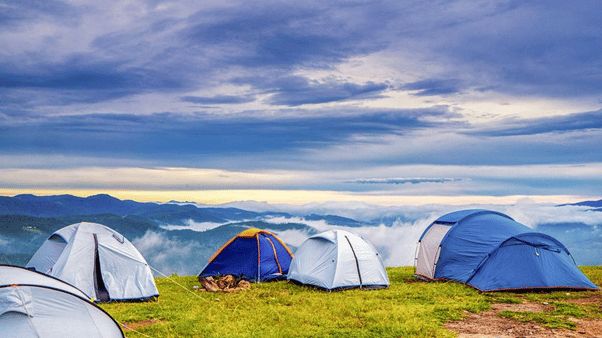

Understanding inca trail campsites is essential for anyone preparing to hike the most iconic trail in Peru. These campsites shape the rhythm of the journey. They influence rest, acclimatization, and overall comfort. Additionally, they reveal a deeper connection between the landscape and the Inca worldview. Each site sits on terraces that blend with mountains, forests, and ancient paths. As a result, the camping experience becomes part of the cultural immersion rather than a simple overnight stop.
The distribution of the campsites follows a natural logic. The terrain shifts from valleys to high passes. Therefore, resting points appear where hikers need them most. Each location offers a unique setting, and together they create a balanced progression. Because of this structure, the trail feels accessible even to those who are new to multi-day treks. Yet the route remains challenging and rewarding.
Moreover, knowing the details behind inca trail campsites allows trekkers to prepare wisely. Weather conditions vary by altitude. Temperatures drop sharply at night. Some campsites receive strong winds, while others sit near thick forests. These contrasts shape the type of gear needed. They also influence the psychological experience of the trek. Therefore, a clear understanding of every site helps hikers feel ready and confident.
The Organization Behind Inca Trail Campsites

The Peruvian authorities regulate inca trail campsites to protect both visitors and the ecosystem. The trail welcomes a limited number of hikers each day. Tourism agencies reserve campsites months in advance. This system ensures fair distribution and prevents overcrowding. As a result, the trail remains clean and safe for visitors.
Each campsite includes designated areas for tents, cooking stations, and rest zones. Rangers monitor these sites daily. They enforce rules that reduce impact on the environment. Travelers must stay within assigned areas. This practice protects nearby vegetation and prevents erosion. It also keeps the experience calm and organized.
Because the campsites follow official guidelines, trekkers enjoy reliable conditions. Trails between camps remain well marked. Campsites offer water access, and porters support logistics. This structure reduces stress for visitors. It allows them to focus on the scenery, culture, and physical challenge. Understanding how the camps operate creates realistic expectations and prepares travelers for each stage.
Why Campsite Selection Shapes the Entire Trek

Choosing or understanding the assigned inca trail campsites affects the entire four-day experience. Some campsites sit close to major landmarks. Others provide peaceful views of valleys or forests. The combination determines how much sunlight hikers experience in the morning. It also shapes how early they begin walking each day.
Furthermore, altitude plays a vital role. Sleeping at high elevation challenges the body. Hikers may experience mild symptoms such as headaches or fatigue. Therefore, agencies distribute campsites strategically. This approach allows gradual acclimatization. It also prevents dangerous altitude jumps from one night to the next.
Additionally, the campsite layout influences the hike’s emotional rhythm. The first day feels warm and welcoming. The second day tests endurance. The third day blends culture with scenery. The final night prepares trekkers for the arrival at Machu Picchu. Because campsites guide this flow, understanding their role helps hikers appreciate the full significance of the journey.
Overview of the Most Common Campsites

Although variations exist, most classic itineraries use the same core inca trail campsites. These include:
Ayapata
Ayapata sits at a moderate elevation. It lies above the first valley and offers a quiet environment. It provides a gentle introduction to spending the night in the Andes. Temperatures drop but remain manageable.
Llulluchapampa
This campsite lies at high altitude. It rests near steep slopes and offers bold views of surrounding mountains. It helps hikers acclimate before climbing to the highest pass on the next day.
Pacaymayo
This site sits on a wide terrace that overlooks a dramatic valley. It receives strong winds but offers some of the best mountain scenery on the route.
Chaquicocha
Chaquicocha rests near cloud forest transitions. It feels calm and humid. The location marks a shift from harsh highland terrain to lush greenery.
Winay Wayna
This campsite lies close to one of the most beautiful archaeological complexes on the trail. It serves as the final night before reaching the Sun Gate and Machu Picchu.
These sites form the structure of the trek. They offer logical transitions between landscapes. Travelers who understand them feel more prepared for the physical and emotional flow of the journey.
Ayapata, The First Night on the Trail

Ayapata is one of the most important inca trail campsites because it shapes the early rhythm of the trek. It sits above a quiet valley, where the air feels cool but comfortable. The location provides a calm atmosphere that helps hikers recover from the first day. Although the trail begins at lower altitude, the climb toward Ayapata introduces a steady increase in elevation. This gradual shift helps the body adapt without shock.
The campsite features level terraces carved into the hillside. These terraces create stable ground for tents. The area also offers natural protection against strong winds. Because of its position, Ayapata receives limited direct sunlight in the afternoon. This shade keeps temperatures pleasant. However, nights get colder, so warm layers are essential.
Ayapata also acts as a mental checkpoint. After reaching this campsite, hikers feel a sense of accomplishment. They have completed the introduction to the trail and are ready for more demanding terrain. This emotional boost helps them face the difficult ascent ahead. The comfort and stability of Ayapata make it an ideal starting point for deeper immersion into the journey.
Llulluchapampa, High Altitude Preparation

Llulluchapampa stands among the most significant inca trail campsites because it lies close to the highest pass on the route. The site sits at high elevation and offers wide views of steep mountainsides. Because the air thins at this altitude, hikers often feel the effects of the elevation. Shortness of breath is common. Drinking water and maintaining a slow pace help reduce symptoms.
The campsite sits on grassy platforms that stretch across the slope. These open spaces give a clear view of the surrounding peaks. The landscape feels rugged but inspiring. Temperatures drop sharply after sunset. Cold nights are normal, and frost may appear on tents by morning.
Llulluchapampa prepares hikers for the ascent to Warmiwañusqa Pass. This climb begins immediately after leaving the campsite. The elevation gain is intense, but the proximity makes the challenge manageable. Spending the night here allows the body to adjust gradually. This acclimatization is vital for a safe and enjoyable journey. Llulluchapampa tests endurance but also rewards travelers with dramatic scenery.
Pacaymayo, A Scenic Descent into the Andean Landscape

Pacaymayo is one of the best-known inca trail campsites because it sits between mountain walls and a deep valley. The location feels dramatic and open. The descent toward the campsite begins after crossing the highest pass. This route includes stone steps that require careful movement. The path remains stable, but the terrain demands focus.
The campsite itself is divided into terraces. These platforms overlook distant peaks, cloud formations, and open ridges. Winds can be strong in this area, especially in the afternoon. Camp setup must be secure. Despite the exposure, the scenery makes Pacaymayo memorable. Many trekkers consider it the most impressive campsite of the entire route.
Pacaymayo also represents a shift in the trek’s rhythm. The hardest climb is behind. The descent offers relief. Hikers begin to enjoy the landscape more deeply. They also feel motivated because the route ahead combines ruins, forests, and softer terrain. This emotional shift helps maintain motivation for the next stages.
Chaquicocha, Between History and Cloud Forest

Chaquicocha offers a peaceful atmosphere. It stands among the quieter inca trail campsites because fewer groups reach it at the same time. The site sits near the transition between high Andean terrain and cloud forest zones. This mix creates a rich environment filled with vegetation, mist, and unique scents.
The campsite sits on open platforms surrounded by rocky walls and dense plants. Early mornings often bring fog. As the sun rises, the mist lifts and reveals green slopes. This atmospheric change creates a sense of discovery. The location feels mystical and calm. After the demanding climb of the previous day, Chaquicocha provides relief and a slower pace.
Nearby archaeological sites add cultural value to the experience. Short walks around the area reveal stone structures and terraces. Hikers can explore these spaces before sunset. This blend of nature and history enriches the overnight stay. Chaquicocha feels like a moment of balance between effort and reward.
Winay Wayna, The Final Night Before Machu Picchu

Winay Wayna stands as one of the most iconic inca trail campsites. It sits near one of the most beautiful archaeological sites on the route. The camp lies close to a series of terraces, water channels, and structures that reflect advanced Inca engineering. Because of this cultural richness, the final night becomes a highlight for many hikers.
The location rests in a humid zone. Dense vegetation surrounds the terraces. Mist often appears in the early morning. These environmental features give the area a mystical atmosphere. The name Winay Wayna means “forever young,” and it refers to a local orchid that blooms across the region. The site’s natural beauty adds emotional depth to the last night.
This campsite plays a strategic role. It lies only a short distance from the Sun Gate. Because of this proximity, groups start walking very early the next morning. The goal is to reach the viewpoint during the first light. Spending the night at Winay Wayna allows trekkers to rest before the final approach. It prepares them for a moment they will remember for life.
How Campsite Distribution Shapes the Four-Day Experience
The structure of inca trail campsites influences the entire trek. Every day has its own theme. The first day feels warm and inviting. The second day challenges endurance. The third day blends history and forest scenery. The final night builds anticipation. This rhythm helps hikers maintain motivation.
The campsites follow natural geography. The first night sits below the steepest ascent. The second night rests after the highest pass. The third night marks the entrance to the cloud forest. The final night sits close to the Sun Gate. This structure reduces physical strain. It also helps travelers adapt to altitude and terrain changes.
Because of these transitions, hikers feel progression. They sense growth with each stage. They overcome challenges and gain confidence. The distribution of campsites supports this emotional journey. It guides trekkers from effort toward reward. Understanding this rhythm improves preparation and expectation.
Weather Conditions at Major Campsites
Weather plays a major role in the experience of inca trail campsites. Each location sits at a different elevation. These differences create diverse conditions. The first campsites feel mild. The middle campsites feel cold. The final campsite feels humid.
Ayapata remains cool but not freezing. It welcomes hikers with calm nights. Llulluchapampa receives harsh winds and low temperatures. Pacaymayo can feel cold even during the day. Chaquicocha offers a mix of chilly mornings and humid afternoons. Winay Wayna feels warm and damp because of its cloud forest location.
These contrasts guide gear preparation. Layers, wind protection, and thermal clothing become essential. Understanding weather patterns prevents discomfort. It also reduces health risks such as dehydration or cold stress. Forecasts remain unpredictable. Therefore, preparation must remain consistent for all campsites.
Safety Considerations at Inca Trail Campsites
Safety remains a priority across all inca trail campsites. Rangers monitor the area daily. They ensure that camps remain clean and functional. They also enforce regulations that protect hikers and the environment. These controls create a secure environment for all visitors.
Terrain conditions near campsites sometimes include steep edges or rocky paths. Staying within designated areas prevents accidents. Proper footwear prevents slips. Good lighting helps during nighttime movement. Porters and guides also assist with safety. They understand the trail deeply and respond fast to emergencies.
Altitude is another key factor. Campsites at high elevation may cause headaches, dizziness, or mild nausea. Drinking water and maintaining a slow pace reduces symptoms. Guides track the health of the group. They decide when to rest or adjust timing. These actions help prevent serious altitude issues.
The Role of Porters at Campsites
Porters form the backbone of the experience on inca trail campsites. Their work keeps the trail clean and organized. They transport equipment, prepare meals, and set up tents. Their presence makes the route accessible to a wide range of travelers.
Porters arrive at campsites before the group. They prepare cooking stations and assemble tents. Their efficiency creates smooth transitions between hiking and resting. Trekkers can focus on the experience instead of logistics. The coordinated work of porters ensures that campsites stay clean. This practice protects the environment from waste and overuse.
Respect for porters remains essential. Understanding their contribution enriches the cultural connection. Many porters come from Andean communities. Their knowledge of the mountains is deep. Their work preserves the tradition of the trail. Recognizing their effort creates a more meaningful trekking experience.
Choosing the Best Itinerary Based on the Inca Trail Campsites
Choosing the right itinerary shapes the entire trekking experience. Even if all trekkers walk the same ancient route, the overnight distribution changes. Because of this, distance, elevation and daily effort shift from one plan to another. When hikers compare these factors, they find the pace that fits their fitness level and travel goals.
Classic 4-Day Itinerary
The 4-day route remains the most popular option. It usually places the first night in Ayapata or Llactapata. Both areas provide strong acclimatization and calm surroundings. The second night unfolds in Pacaymayo, right below the highest point of the trail. The third night often takes place in Wiñay Wayna, one of the most scenic inca trail campsites.
This itinerary feels balanced. Day two delivers the hardest climb, but it ends early enough to ensure recovery. Day three offers a mix of gentle ascents and long descents with steady views. Because of this rhythm, hikers reach the Sun Gate at dawn with a clear sense of achievement. Many trekkers highlight that this itinerary allows enough time to enjoy ruins and viewpoints without rushing.
Short 2-Day Itinerary
The 2-day itinerary focuses on travelers with limited time. It skips many sections of the traditional trail and does not use the main inca trail campsites. Instead, hikers stay in a hotel in Aguas Calientes. Although this plan provides comfort, it reduces exposure to remote landscapes. Still, it offers the chance to enter Machu Picchu through the Sun Gate. This moment gives a strong emotional payoff, even with the shorter route.
The hike on day one is moderate. It includes a steady climb to Wiñay Wayna, one of the most impressive archaeological sites. Many travelers highlight the beauty of this place and its hanging terraces. On day two, the visit to Machu Picchu becomes the main focus. For hikers who want cultural richness with minimal trekking, this version works well.
Extended 5-Day Itinerary
The 5-day itinerary spreads out distances and allows extra time in several inca trail campsites. Because of this, hikers enjoy quieter mornings and more relaxed ascents. The longer schedule also creates room for deeper immersion in nature. Trekkers spend more time exploring side ruins and hidden viewpoints that most groups skip.
This itinerary benefits hikers who want slow travel. The first days include short walks, early camp arrivals and open afternoons. On the final stretch, the path merges with the classic route. Since groups arrive earlier at each campsite, the environment feels calmer. Many hikers value this combination of comfort, flexibility and scenic rewards.
Final Recommendations for Your Journey
Planning ahead is the key to a rewarding trek. Research the weather for each month and choose the itinerary that fits your pace. Compare the layout of the main inca trail campsites, since each one offers a different atmosphere. Pack light but smart. Bring layers for temperature changes, a durable rain jacket and comfortable trekking shoes.
Staying hydrated also matters. Drink small amounts throughout the day and avoid sudden altitude gains without rest. Above all, respect the trail. Keep noise low, avoid litter and follow ranger instructions. With these habits, your experience becomes safer and more enjoyable.
Discover With Us
If you want expert guidance for your next trekking adventure, explore our upcoming routes and travel insights. We design guides that help you plan every step with clarity and confidence. Discover with us and learn how to make each journey meaningful from start to finish.
Follow Us on Instagram
Stay inspired by joining our community on Instagram. We post trail tips, destination highlights and real trekking stories. Follow us on Instagram to keep your travel spirit alive and prepare for your next trip.
Frequently Asked Questions About the Inca Trail Campsites
What are the main inca trail campsites along the route?
The main campsites include Ayapata, Llulluchapampa, Pacaymayo, Chaquicocha and Wiñay Wayna. Each site has different elevation, scenery and distance from Machu Picchu.
Are the inca trail campsites assigned in advance?
Campsites are assigned by the government system through the licensed tour operator. Because of this, you cannot select the campsite yourself. Early booking helps secure better locations.
Do the inca trail campsites have bathrooms?
Most campsites have basic bathrooms. Conditions vary and may not be modern. Still, they offer enough facilities for standard trekking needs.
Is altitude a problem at the inca trail campsites?
Some campsites sit above 3,000 meters, so altitude may affect certain hikers. Arriving in Cusco two days earlier helps with acclimatization.
Can I charge my phone at the inca trail campsites?
Campsites do not provide charging stations. Bring a power bank or keep your phone in airplane mode to save battery during the trek.
Do I need a special permit to stay in the inca trail campsites?
Yes. The same permit required for hiking the trail includes authorization for the campsites. These permits are limited and sell out months in advance.