 English
 Spanish
 Portuguese
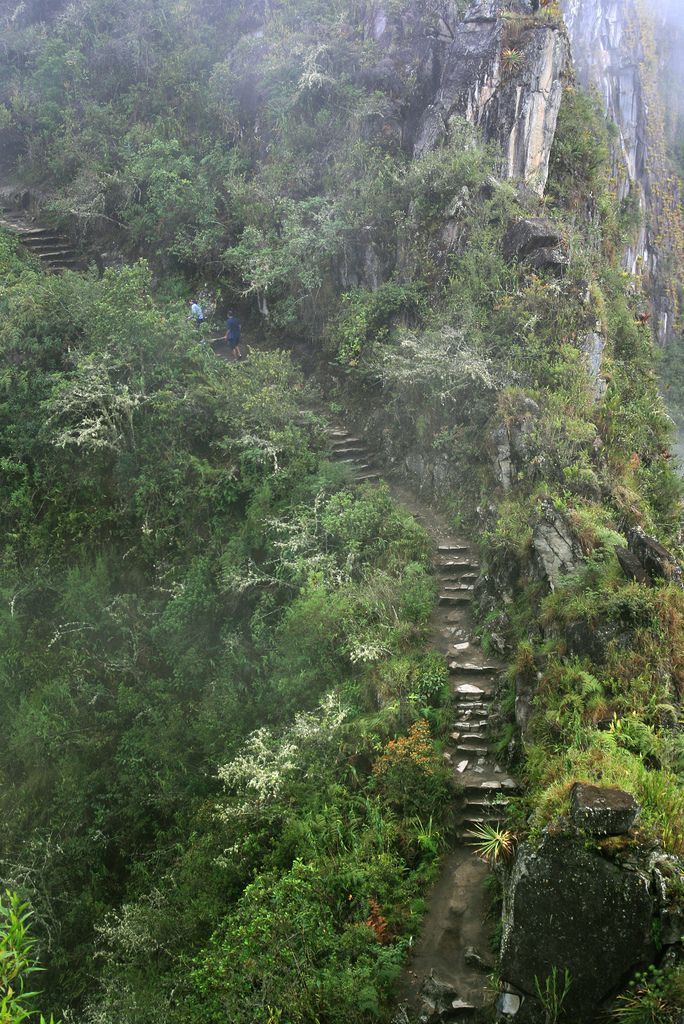

The Many Roads to the Lost City
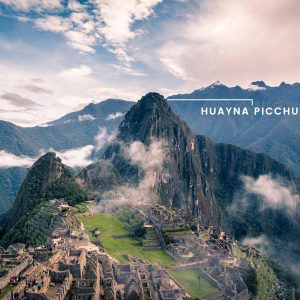
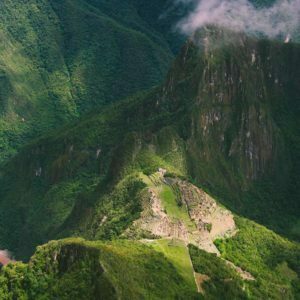
Few destinations in the world awaken such awe and curiosity as Machu Picchu. Hidden high in the Peruvian Andes, this Inca citadel continues to capture the imagination of travelers from every corner of the globe. But for those who seek more than a simple visit, there’s a deeper way to experience it—through the machu picchu hikes that follow the ancient trails leading to the lost city.
The machu picchu hikes are not just treks; they are pilgrimages through time. Every step retraces the paths of the Incas, crossing mountains, cloud forests, and sacred valleys before revealing one of humanity’s greatest architectural achievements.
From the legendary Inca Trail to lesser-known alternatives like Salkantay, Lares, or Choquequirao, each route offers its own rhythm, scenery, and meaning. In this comprehensive guide, we’ll explore the best hikes to Machu Picchu, their differences, what to expect, and how to choose the one that resonates most with your spirit.
The Inca Trail, The Classic Route to Machu Picchu

When travelers think of machu picchu hikes, the Inca Trail is often the first that comes to mind—and for good reason.
This iconic 4-day trek follows original Inca stone paths built more than 500 years ago, connecting Cusco with the sacred citadel through an awe-inspiring landscape of valleys, mountain passes, and archaeological ruins.
The trail covers approximately 42 kilometers (26 miles) and reaches its highest point at Dead Woman’s Pass (4,215 meters / 13,828 ft) before descending into lush cloud forests and culminating at the Sun Gate (Inti Punku)—the legendary viewpoint overlooking Machu Picchu.
Along the route, hikers pass through ancient sites like Runkurakay, Sayacmarca, and Wiñay Wayna, each revealing a fragment of Inca engineering and spirituality. The trail is a journey of transformation: physically challenging, culturally rich, and emotionally rewarding.
Permits are limited to 500 people per day, including guides and porters, so booking several months in advance is essential. Those who complete the Inca Trail often describe the experience as one of the most profound of their lives—a true communion between body, mountain, and history.
Salkantay Trek, The Scenic Alternative

For adventurers seeking open landscapes and variety, the Salkantay Trek is one of the most breathtaking machu picchu hikes.
Named after Mount Salkantay (6,271 meters / 20,574 ft)—one of the highest peaks in the region—this route combines dramatic mountain scenery with tropical valleys and waterfalls.
Unlike the Inca Trail, the Salkantay route does not require a government permit, offering more flexibility for travelers. The trek typically lasts 4 to 5 days and covers around 60 kilometers (37 miles), making it longer and slightly more demanding.
Hikers begin in the village of Mollepata, ascend through snowy landscapes to the Salkantay Pass (4,650 meters / 15,255 ft), and then descend into the lush Santa Teresa Valley. The change in climate and scenery is astonishing—from glacial peaks to jungle orchids within a single day.
Modern eco-lodges and comfortable campsites have made this trek accessible to more travelers, and it’s increasingly chosen as a less-crowded, more scenic alternative to the Inca Trail. It’s a perfect choice for those who want wilderness, freedom, and natural beauty.
Lares Trek, The Cultural Journey

While other trails emphasize wilderness, the Lares Trek celebrates culture and connection.
This route leads hikers through remote Andean villages where traditional Quechua life continues unchanged for centuries. It’s one of the most authentic machu picchu hikes for travelers interested in experiencing local traditions, weaving, and community.
The trek usually lasts 3 to 4 days and begins near the town of Lares, famous for its hot springs. From there, the path winds through valleys dotted with llamas, alpacas, and stone houses surrounded by potato and quinoa fields. Travelers often interact with villagers who still speak Quechua and wear colorful handmade textiles.
Campsites are peaceful, and the nights are illuminated by the southern stars. The trail’s highest pass, Ipsayccasa (4,400 meters / 14,435 ft), offers sweeping views of snow-capped peaks before descending toward the Sacred Valley.
The Lares Trek ends in Ollantaytambo, where hikers take a train to Machu Picchu. More than a physical challenge, it’s a human experience—a reminder that the Andes are alive with culture, not just scenery.
Choquequirao Trek, The Road Less Traveled

For those who crave adventure and solitude, the Choquequirao Trek is often called the “sister trail” to Machu Picchu.
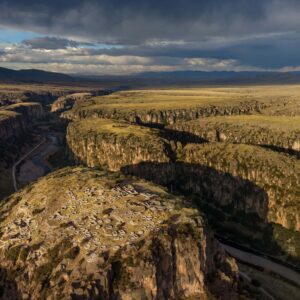
Choquequirao, meaning “Cradle of Gold” in Quechua, is another spectacular Inca city hidden deep in the Apurímac Canyon. The route to reach it is one of the most demanding machu picchu hikes, but also one of the most rewarding.
This trek can take 4 to 9 days, depending on whether you continue all the way from Choquequirao to Machu Picchu—a true expedition across the Vilcabamba range. The trail involves steep ascents and descents, often under intense sun, but rewards hikers with extraordinary archaeological ruins and untouched nature.
Choquequirao remains largely uncrowded, offering a glimpse into what Machu Picchu may have felt like before its rediscovery. Hikers walk through canyons, cloud forests, and high-altitude plateaus, encountering condors and herds of wild llamas along the way.
For experienced trekkers, this route is the ultimate test of endurance and curiosity—an epic journey that bridges two lost cities of the Inca Empire.
Inca Jungle Trail, The Adventurer’s Choice

If you want an unconventional experience filled with adrenaline, the Inca Jungle Trail combines hiking with adventure sports.
This 4-day multi-activity route is one of the most exciting machu picchu hikes, mixing biking, rafting, ziplining, and trekking through tropical terrain before reaching the citadel.
The journey starts with a thrilling downhill bike ride from Abra Málaga (4,316 meters / 14,160 ft) to the warm valley of Santa María, where participants can go white-water rafting. The following days include hikes through coffee plantations, banana fields, and ancient Inca paths, along with zipline crossings over the Urubamba River.
While it’s less traditional than other treks, it’s perfect for adventurous travelers who want variety, cultural interaction, and fun. The final stretch leads to Aguas Calientes, the base town of Machu Picchu, where hikers can soak in hot springs before exploring the ruins at sunrise.
Short Inca Trail, The Perfect 2-Day Adventure

For travelers who want the magic of the Inca Trail but lack the time or stamina for a full 4-day journey, the Short Inca Trail offers the perfect alternative.
This route condenses the essence of the classic trek into a single day of hiking, followed by an overnight stay near Machu Picchu.
Covering just 10–11 kilometers (6–7 miles), the Short Inca Trail starts at Km 104 of the Cusco–Aguas Calientes railway line. Hikers cross lush cloud forests, pass waterfalls, and visit the magnificent site of Wiñay Wayna, an impressive complex of terraces and stone buildings overlooking the Urubamba Valley.
The highlight comes at the Sun Gate (Inti Punku), where trekkers catch their first panoramic glimpse of Machu Picchu in the golden afternoon light—a moment of pure wonder.
The next morning, you enter the citadel with fewer crowds, walking in the footsteps of those who arrived the traditional way.
This route is among the most popular machu picchu hikes for families, photographers, or travelers with limited time who still crave authenticity and scenic beauty.
Comparative Guide to Machu Picchu Hikes
Choosing the right route can be overwhelming. Each trail to Machu Picchu offers a distinct experience, from cultural encounters to extreme adventure.
Here’s a comparison to help you decide which one fits your travel style and fitness level:
| Trail | Duration | Distance | Highest Point | Difficulty | Highlights | Best For |
|---|---|---|---|---|---|---|
| Classic Inca Trail | 4 days | 42 km | 4,215 m | Moderate–Challenging | Ancient ruins, Sun Gate arrival | History lovers |
| Salkantay Trek | 4–5 days | 60 km | 4,650 m | Challenging | Mountain scenery, glaciers | Nature enthusiasts |
| Lares Trek | 3–4 days | 33–40 km | 4,400 m | Moderate | Local culture, hot springs | Cultural travelers |
| Choquequirao to Machu Picchu | 7–9 days | 100+ km | 4,670 m | Very Difficult | Two Inca cities, solitude | Experienced trekkers |
| Inca Jungle Trail | 4 days | 50 km (mixed) | 4,316 m | Moderate | Biking, rafting, zipline | Adventure seekers |
| Short Inca Trail | 2 days | 10 km | 2,720 m | Easy–Moderate | Wiñay Wayna, Sun Gate | Families, short trips |
This table summarizes why machu picchu hikes attract all kinds of travelers—from luxury explorers to hardcore adventurers. The destination is the same, but the journey defines your story.
Best Time of Year to Hike to Machu Picchu

The Andes offer two main seasons: the dry season (April to October) and the rainy season (November to March). Each affects the hiking experience differently.
- Dry Season (April–October):
The skies are clear, the paths are firm, and visibility is excellent. This is the best time for most machu picchu hikes, especially June to August, though it’s also the busiest period. - Rainy Season (November–March):
Trails are greener and quieter, but expect afternoon showers and slippery paths. Some routes, like the Classic Inca Trail, close in February for maintenance.
For photographers, May and September are ideal—vivid landscapes, fewer tourists, and perfect balance between dry and green conditions.
No matter the season, every trek rewards hikers with breathtaking views and deep connection to the land. The weather is simply another part of the adventure.
Difficulty Levels and Physical Preparation
All machu picchu hikes share one challenge: altitude.
The treks reach elevations between 2,000 and 4,600 meters (6,500–15,000 ft), where thinner air makes every step more intense. Preparing both body and mind is essential.
- Train your endurance: Take long walks, practice uphill hikes, or climb stairs regularly before your trip.
- Acclimatize in Cusco: Spend at least 2 days at 3,400 meters to let your body adjust before starting any trek.
- Hydrate and eat light: Altitude dehydrates faster—drink plenty of water and avoid heavy meals.
- Go at your own pace: The goal isn’t speed; it’s presence. Slow, steady steps allow you to enjoy the journey and avoid exhaustion.
Even beginners can complete these treks with good preparation and determination. As guides often say: “The Inca Trail isn’t about fitness—it’s about mindset.”
Permits, Regulations, and Responsible Trekking
Not all trails require permits, but regulations exist to protect both visitors and nature.
- Classic Inca Trail: Requires an official permit, limited to 500 people per day. These sell out months in advance.
- Short Inca Trail: Also requires a permit but is easier to obtain.
- Salkantay, Lares, Choquequirao, and Inca Jungle: No permit needed, though booking with a licensed agency ensures safety and local support.
Responsible trekking means respecting local communities, minimizing waste, and staying on marked paths.
Choosing certified guides and operators ensures that your journey contributes to conservation and fair labor practices.
The goal of all machu picchu hikes is not only to reach the citadel but to do so with respect—for the land, its people, and its sacred heritage.
Cultural and Spiritual Significance of the Trails
For the Incas, these trails were not mere routes—they were sacred arteries connecting the empire with its most important religious sites.
Every curve, terrace, and stone step was designed with purpose, aligning with mountains, stars, and natural elements.
Walking the machu picchu hikes is, therefore, a spiritual experience. The rhythm of your breath echoes the pulse of the Andes. The silence of the mountains invites reflection. Each sunrise over the peaks feels like a blessing.
Today, travelers continue this ancient tradition—not as conquerors, but as pilgrims.
To walk these paths is to connect with something timeless, where nature and history whisper in the same language.
Essential Gear for a Successful Hike
No matter which trail you choose, the right gear can transform your experience from exhausting to empowering. The machu picchu hikes cross diverse climates—from icy mountain passes to humid jungles—so preparation is key.
Clothing and Accessories
- Lightweight layers for changing temperatures.
- A warm jacket or fleece for cold nights.
- Waterproof poncho or rain jacket for sudden downpours.
- Breathable hiking pants and moisture-wicking shirts.
- A wide-brimmed hat, sunglasses, and sunscreen for high-altitude UV exposure.
Footwear and Equipment
- Broken-in hiking boots with ankle support.
- Trekking poles with rubber tips (mandatory on the Inca Trail).
- Refillable water bottle or hydration pack.
- Sleeping bag suitable for -5°C if camping.
- Headlamp, power bank, and basic first-aid kit.
Extras That Make a Difference
- Insect repellent, lip balm, and quick-dry towel.
- Lightweight snacks like coca candies or nuts for altitude.
- A small notebook or camera to capture your reflections along the way.
The goal is comfort and efficiency—carry only what you truly need. Every gram saved means more energy to enjoy the scenery and less strain on your body.
Wildlife and Landscapes Along the Trails
The machu picchu hikes are not only about ruins and adventure; they are also journeys through one of the most biodiverse regions on Earth.
Each trail crosses several ecological zones, revealing the stunning contrast of the Andean world.
- High Andes (4,000+ m): Sparse vegetation, grazing llamas, condors gliding over rocky cliffs, and frozen lakes reflecting the peaks.
- Cloud Forests (2,000–3,000 m): The realm of orchids, bromeliads, and the vibrant cock-of-the-rock, Peru’s national bird.
- Subtropical Jungle (below 2,000 m): Butterflies, hummingbirds, and the sweet scent of fruit trees announcing your arrival near Machu Picchu.
The Salkantay and Lares treks highlight panoramic mountain views and rural life, while the Inca and Short Trails immerse hikers in dense, mystical forests. The Choquequirao route, meanwhile, is pure wilderness—condors, waterfalls, and silence.
No matter which you choose, these trails reveal the living Andes: wild, unpredictable, and breathtakingly alive.
The Environmental Impact of Hiking
The increasing popularity of machu picchu hikes brings both opportunity and responsibility.
While tourism sustains many local economies, unmanaged growth can damage fragile ecosystems and cultural heritage.
To counter this, Peru’s government and local communities have implemented strict conservation measures:
- Limiting daily entries on the Inca Trail.
- Reforesting native plants around the Sacred Valley.
- Supporting porter welfare programs and community-based tourism.
Travelers also play a key role in sustainability. Simple actions—like using reusable bottles, avoiding single-use plastics, and respecting wildlife—help protect the very landscapes that make these hikes so special.
Walking responsibly ensures that future generations can experience the same awe we feel today.
Emotional Meaning, The Journey Within
Every hiker arrives in the Andes with a different goal—adventure, discovery, or personal transformation. Yet most agree that by the end, the machu picchu hikes become much more than physical journeys.
There’s a moment on every trail when you stop—not to catch your breath, but to realize where you are. The mountains seem to breathe, the air carries stories, and time feels irrelevant.
It’s in these quiet pauses that Machu Picchu reveals its true power: not just as a lost city, but as a mirror of the soul.
The fatigue, altitude, and sweat are part of the initiation. Each step strips away distraction until only focus, gratitude, and presence remain. That’s the real reward—not the selfie at the ruins, but the realization that you’ve walked through living history and found something timeless inside yourself.
Frequently Asked Questions
1. What is the most popular hike to Machu Picchu?
The Classic Inca Trail remains the most famous and regulated route, with limited permits each day.
2. What is the easiest hike?
The Short Inca Trail (2 days) is suitable for beginners and families.
3. What is the hardest hike?
The Choquequirao–Machu Picchu route, requiring strong endurance and multi-day camping.
4. Can I hike without a guide?
Only the Inca Trail requires a licensed guide. Other routes allow independent trekking, though guided tours are recommended for safety.
5. How early should I book permits?
For the Inca Trail, 4–6 months in advance. For others, 1–2 weeks is often enough.
6. Are there age limits?
No, but physical readiness and altitude acclimatization are vital for all ages.
7. Do all treks end at Machu Picchu?
Yes, except Choquequirao, which can be extended to connect with the citadel.
8. Is camping required?
Classic routes involve camping, but options like Salkantay and Lares now include eco-lodges.
9. What about vegetarian or vegan meals?
Most tour companies offer customized menus if requested in advance.
10. When is Machu Picchu busiest?
June to August are peak months. Book early to avoid disappointment.
Final Thoughts, More Than a Destination
The machu picchu hikes remind us that travel is not just about seeing—it’s about feeling.
Walking the same paths carved by Inca hands centuries ago connects us to the rhythm of nature, the wisdom of ancient civilizations, and our own sense of wonder.
Every route—whether you climb snowy Salkantay, cross the valleys of Lares, or follow the sacred Inca stones—tells a different story. Together, they form a single message: the journey is the destination.
The Andes teach balance, patience, and respect. They ask you to listen—to the wind, to the earth, and to yourself. When you finally stand before Machu Picchu at sunrise, it feels less like arrival and more like awakening.
Discover With Us
There are hikes that challenge you, and others that change you.
The machu picchu hikes are both—a blend of adventure, history, and spirituality that lingers long after you’ve left the mountains behind.
Join us to explore the sacred paths of the Incas with those who know them best. Our local guides don’t just lead the way—they share the legends, rituals, and heart of the Andes.
Step where emperors once walked, breathe where condors soar, and feel the pulse of a civilization that still lives in the stones.
Discover with us the untamed beauty of Machu Picchu hikes—and let the Andes awaken the explorer within you.
✨ Follow our journey on Instagram and let the mountains inspire your next adventure.