 English
 Spanish
 Portuguese
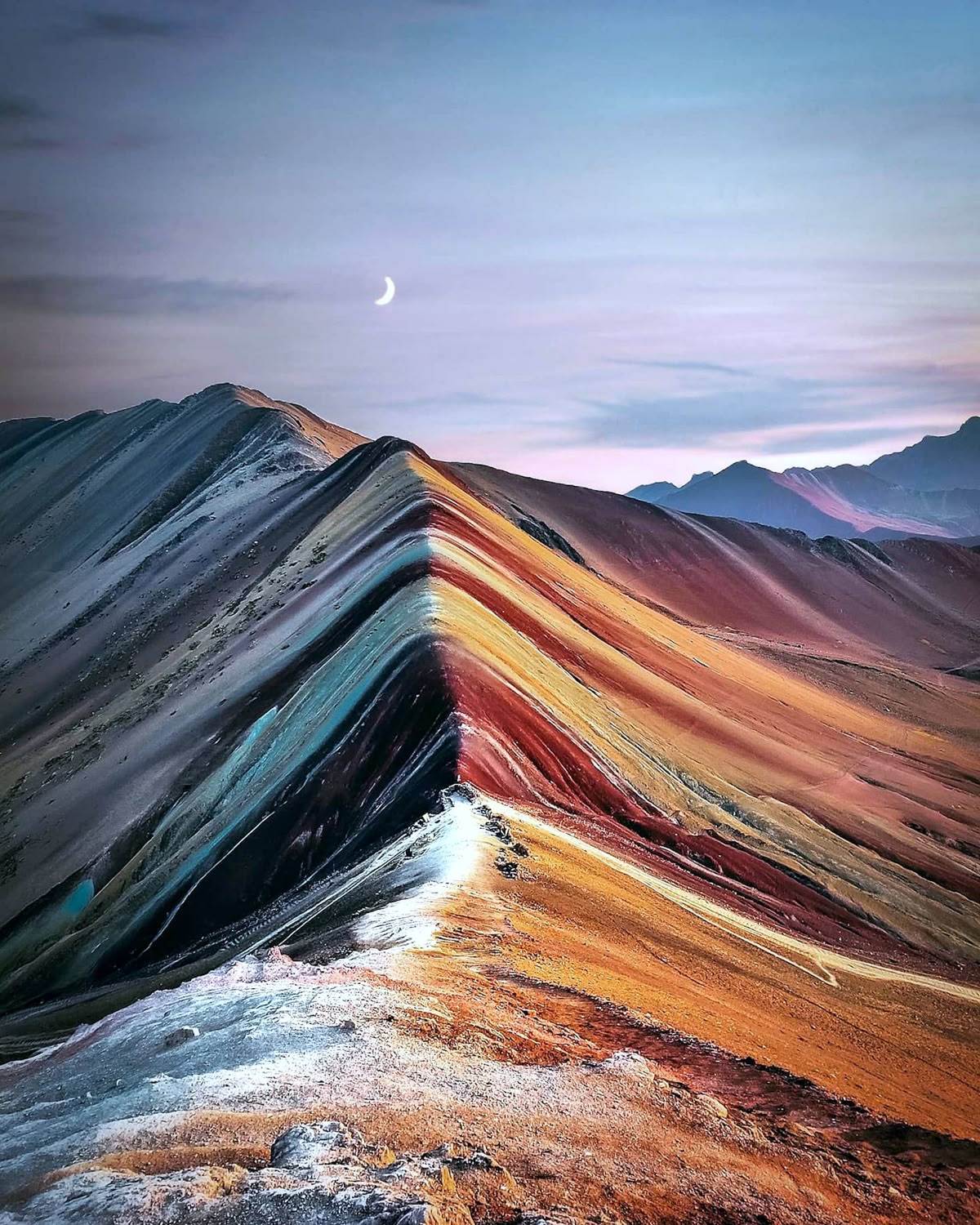

Rainbow Mountain, known locally as Vinicunca, is one of the most visually captivating destinations in Peru. Its natural stripes of red, yellow, turquoise, lavender, and gold have turned it into a global icon for adventure travelers, photographers, and nature lovers. Many people search for reliable rainbow mountain facts before planning their trip, ensuring they understand what makes this mountain unique and how to prepare for the challenging altitude.
The first thing that draws attention is that Rainbow Mountain didn’t become famous until recently. For centuries, the mountain remained mostly hidden under snow and ice. Only in the last decade, as the glaciers retreated due to climatic changes, did the colorful layers become visible, transforming the site into one of the most visited attractions in the Cusco region. This rapid rise to fame has created both interest and controversy, making accurate information more important than ever.
Rainbow Mountain offers not only incredible views but also a deep geological and cultural story. Understanding its formation, its spiritual relevance to local communities, and the environmental challenges it faces will help visitors appreciate the destination on a deeper level.
2. Geological Formation, How Rainbow Mountain Got Its Colors

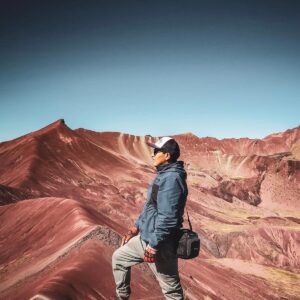
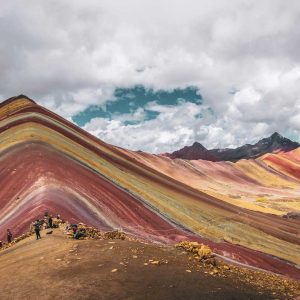
One of the most fascinating rainbow mountain facts is the scientific explanation behind its kaleidoscope appearance. The vibrant stripes come from various minerals that accumulated over millions of years. These layers were formed when ancient sediments settled in water bodies such as rivers, lakes, and seas, later rising due to tectonic uplift caused by the formation of the Andes.
Each color corresponds to a specific mineral:
- Red tones come from iron oxide.
- Yellow and gold result from sulfuric minerals.
- Turquoise and bluish hues come from phyllites and copper sulfate.
- Lavender and violet tones emerge from mixtures of claystone and composite minerals.
These layers were originally horizontal but tilted through tectonic activity, exposing the colors in diagonal bands that stretch across the landscape. The contrasting tones are even more powerful under strong sunlight, especially during dry-season mornings.
The mountain’s appearance is so unique that many visitors assume the colors are edited or artificially enhanced. However, the natural mineral composition is genuinely vivid, though weather conditions—including rain, snow, and shadows—can influence the intensity of the colors on any given day.
3. Cultural Significance for Andean Communities

Beyond the geology, one of the most meaningful rainbow mountain facts is its importance to the local Quechua communities. Indigenous people have lived in this region for hundreds of years, and they view the mountain as part of a sacred landscape known as the Apus. These are powerful mountain spirits believed to protect the land, animals, and people.
Rainbow Mountain lies near the massive Ausangate Mountain, one of the most spiritually significant peaks in the Andes. Many rituals, offerings, and traditional ceremonies take place in the area. Communities believe these mountains influence weather patterns, crop fertility, and animal health.
For local herders, the surrounding highlands are also ancestral grazing lands for alpacas and llamas. These animals are central to their economy, providing wool, meat, and income from tourism. As the region has become more popular, local communities have created regulations to manage the influx of visitors in a way that benefits their traditions and livelihoods.
Visitors walking the trail often see small stone piles called apachetas. These miniature altars represent gratitude, respect, and safe passage. Understanding this cultural background enriches the experience far beyond the photographs.
4. Discovery and Popularity, How Rainbow Mountain Became a Global Sensation

Although Rainbow Mountain has existed for millions of years, its global popularity is a recent phenomenon. One of the most surprising rainbow mountain facts is that it remained mostly unknown to tourism until around 2015. Climate change and melting snow uncovered its colorful slopes, revealing the full spectrum that today attracts thousands of visitors per week.
Local trekking agencies and social media played a huge role in the mountain’s rapid rise to fame. Dramatic photos of its stripes went viral, especially among photographers and adventure influencers. Within just a few years, the site transformed from a remote high-altitude pasture to a bucket-list destination.
This sudden growth brought both opportunities and challenges. Tourism has provided income to local communities that previously relied solely on agriculture and livestock. At the same time, the increased foot traffic has led to concerns about erosion and environmental degradation.
Authorities and communities have since collaborated to control access, maintain trails, and establish sustainable tourism practices. Visitor fees now support conservation projects and local development.
5. Location and How to Get There

Understanding where Rainbow Mountain is located is essential for planning the trek. The mountain lies in the Andean region of Cusco, about 100 kilometers southeast of the city. Travel time varies depending on the chosen route, tour operator, and weather conditions.
Most travelers start their journey early in the morning, often between 3:00 and 4:00 AM, to reach the trailhead after a long drive through remote highland roads. From there, the hike begins at altitudes well above 4,000 meters. These heights can surprise even experienced hikers, making acclimatization crucial.
Two main routes exist today:
The Classic Vinicunca Route
- Shorter but steeper
- Extremely popular with large groups
- Ideal for travelers with limited time
The Palcoyo Alternative
- Less crowded
- Three colorful mountains instead of one
- Easier hiking conditions
Both routes provide unforgettable scenery, but the Vinicunca path is the one associated with the world-famous views.
6. Altitude and Health Considerations

One of the most important rainbow mountain facts for visitors is the extreme altitude. The summit of Vinicunca reaches over 5,000 meters (16,400 feet) above sea level, which can cause altitude sickness for those not properly acclimatized. Symptoms may include headaches, nausea, dizziness, and shortness of breath.
To prepare for the trek, travelers are advised to spend a few days in Cusco or the Sacred Valley to adjust gradually. Hydration is essential, and avoiding alcohol or heavy meals before the hike can reduce the risk of sickness. Some trekkers carry coca leaves or tea as a traditional remedy, though professional medical advice is always recommended.
Understanding the physical demands ensures your trip remains enjoyable. The combination of steep ascents, thin air, and chilly temperatures makes planning and preparation essential.
7. Weather Patterns and the Best Time to Visit

Weather plays a crucial role in Rainbow Mountain experiences. One of the most valuable rainbow mountain facts is that the best time to visit is during the dry season, from May to September. During these months, rainfall is minimal, skies are generally clear, and the mountain’s colors are most vivid.
In the wet season, from November to March, heavy rain and mud can make trails slippery and dangerous. Snow can also obscure the colorful layers, diminishing the iconic views. Fog is another common factor that may affect visibility. Early mornings are generally recommended, as clouds and haze tend to build up in the afternoon.
Tourists should dress in layers to handle temperature changes, carry waterproof gear, and protect themselves from strong UV rays at high altitude. These precautions maximize both safety and photographic opportunities.
8. Flora and Fauna Along the Trail
Rainbow Mountain is more than colorful rocks. Its surrounding high-altitude plains host unique flora and fauna that add depth to the trekking experience. Hikers can encounter vicuñas, llamas, alpacas, and even Andean foxes. The sight of grazing animals against rainbow-colored slopes is a highlight for many visitors.
Plant life is equally interesting. Tough grasses, small flowering plants, and native shrubs cling to the mountain’s slopes despite harsh conditions. Seasonal wildflowers can add splashes of color that contrast beautifully with the mineral tones of the mountain. Observing and photographing these elements enriches any trek, providing insights into the ecosystem and highland life.
Respecting wildlife and avoiding feeding or disturbing animals is crucial. Many of the local species are sensitive to human interaction, and conservation efforts are essential to preserve the environment for future visitors.
9. Trekking Tips and Safety Guidelines

Preparation is key for a successful trek. Some essential rainbow mountain facts include practical advice for safety and comfort. Good hiking boots are essential to handle rocky and sometimes slippery paths. Trekking poles can reduce strain on knees and improve stability, especially during steep descents.
Carrying sufficient water and high-energy snacks is important due to the physical exertion and high altitude. A small first-aid kit can help address minor injuries or altitude-related discomfort. Maps or a local guide ensure you stay on safe and approved trails, reducing the risk of accidents.
Many tourists underestimate the difficulty of the trek. Even though the trail can be completed in a single day, physical fitness and acclimatization are important to enjoy the journey safely.
10. Photography and the Most Iconic Spots

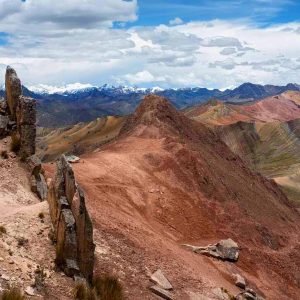
Rainbow Mountain is a photographer’s dream, which is why inquiring about rainbow mountain facts often leads to questions about the best photo opportunities. The summit itself provides the most iconic view, where vibrant layers stretch across the mountainside in striking contrast.
Along the trail, small viewpoints offer sweeping panoramas, often with llamas or alpacas in the foreground. Early mornings provide soft light, ideal for capturing colors without harsh shadows. Many trekkers bring lightweight tripods, extra batteries, and wide-angle lenses to make the most of the scenery.
Tips for photography include framing the mountain with animals or terraces, using leading lines of trails to guide the eye, and shooting against the light for dramatic silhouettes. The mountain’s natural beauty combined with careful composition can result in breathtaking images.
11. Environmental Challenges and Conservation Efforts
As Rainbow Mountain has grown in popularity, environmental impacts have become significant. Increased foot traffic causes erosion, and waste left behind can damage fragile ecosystems. These are crucial rainbow mountain facts for responsible travelers.
To address these issues, local authorities and tour operators have implemented entrance fees, regulated group sizes, and designated trails. Visitors are encouraged to respect these rules, stay on paths, and carry out all personal waste. Some tours include environmental education, helping hikers understand the importance of preserving this unique landscape.
Sustainable tourism ensures that Rainbow Mountain remains vibrant and accessible for future generations while supporting local communities who rely on the influx of travelers.
12. Discover With Us and Follow on Instagram
Rainbow Mountain is more than a colorful peak; it’s a symbol of nature, culture, and adventure. Understanding rainbow mountain facts enhances the experience, from geological marvels to spiritual significance and environmental awareness.
We invite you to continue exploring with us as we share more hidden treasures, practical tips, and breathtaking landscapes. Follow our journey, get inspired, and prepare for your next adventure in Peru.
Discover with us and follow our adventures on Instagram for daily updates and stunning visuals.